Isaiah 50
Asang Khongca Bible (2019) · Tap a verse to see its cross-references.
Zaehaih mah Israel to Sithaw khae hoi tapraek
1Angraeng mah, Ka pakhrak ving ih nam no hoi ampraekhaih ca loe naa ah maw oh? To tih ai boeh loe mi ih laiba maw ka tawnh moe, nang to laiba tawnkung khaeah kang zawh? Khenah, na zaehaih mah misong ah ang zawh boeh, sakpazaehaih pongah ni nam no to ka pakhrak ving. 2Tipongah kang zoh naah, kami maeto doeh na om o ai moe, kang kawk o naah mi mah doeh nang pathim o ai loe? Nangcae akrang thaih han ai khoek to ka ban hae duemtet maw? To tih ai boeh loe nangcae loisak hanah ka tha zok boeh maw? Khenah, ka thuitaek naah tuipui to kang moe, vapuinawk doeh praezaek ah kang coengsak; tui om ai pongah tui thung ih tanganawk loe tui anghaeh hoiah duek o moe, qong o boeh. 3Kai mah ni vannawk to vinghaih hoiah ka khuk moe, khukhaih buri kahni doeh ka sak pae, tiah thuih.
Tamna mah oep kaom ah lok pathimhaih
4Thazok kaminawk khaeah lok ka thuih thai hanah, patuk tangcae ah kaom pahni to Angraeng Sithaw mah ang paek; anih mah akhawnbang kruek ang pathawk, ca amtuk kami baktiah tahngaih hanah ka naa hae thacaksak. 5Angraeng Sithaw mah ka naa hae ang paongh pae, kang maa pae ai; hnukbangah doeh kang qoi taak ai. 6Boh hanah nihcae khaeah kaeng ka patueng pae moe, amui aphong hanah tangbaeng to ka patueng pae; hnaphnaehaih hoiah tamtuih ang pathoih o thuih naah mikhmai ka hawk ai. 7Angraeng Sithaw mah ang bomh pongah, dawnrai hoiah ka om mak ai; azathaih ka tongh tang mak ai, tiah ka panoek pongah, ka mikhmai hae thlung hmaisaae baktiah kam taksak. 8Ka zaehaih toengsakkung loe zoi boeh; mi mah maw kai hae na khing thai tih? Nawnto angdoe o si! Ka misa loe mi aa? Ka hmaa ah angzo noek nasoe! 9Khenah, Angraeng Sithaw mah na bom tih; mi mah maw zaehaih na net tih? Khenah, nihcae loe kahni baktiah prawn o ueloe, karaa mah caa boih tih. 10Nangcae thungah mi maw Sithaw zii moe, a tamna ih lok tahngai kami kaom? Aanghaih tawn ai ah vinghaih thungah paqai kami loe mi maw? To kami loe Angraeng ih ahmin to oep nasoe loe, angmah ih Sithaw nuiah amha nasoe. 11Khenah, hmai paaang moe, hmaithaw thlaek takui kami nang, Caeh ah loe na paaang ih hmai hoiah na thlaek ih hmaithaw aanghaih thungah paqai ah; ka ban thung hoi na hnuk o han koi hmuen loe hae tiah oh; palungsethaih hoiah ni na dueh o tih.
Did you know?
The Obedient Servant and Divine Vindication
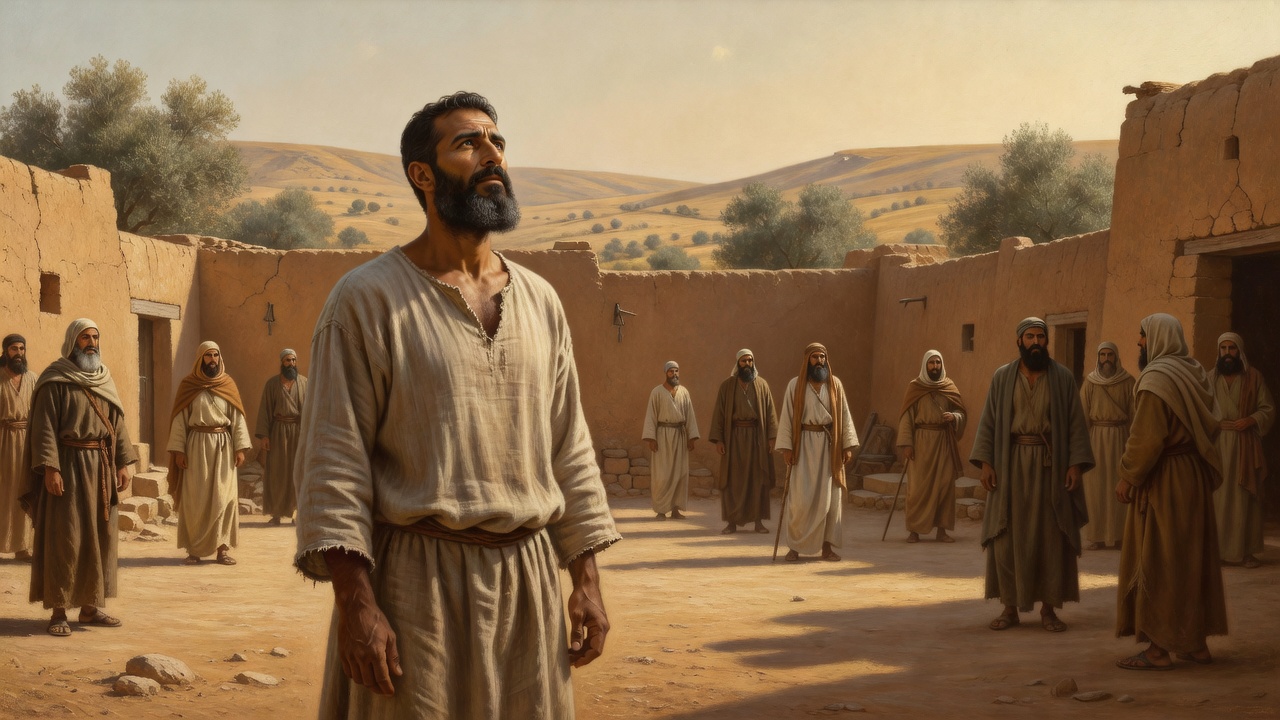
- In ancient Near Eastern legal custom, a husband issued a certificate of divorce to formalize a separation, and impoverished debtors might sell their children into servitude. In Isaiah 50:1, God uses these legal metaphors to demonstrate that Israel was not abandoned due to a divine debt or permanent annulment of the covenant, but went into exile because of its own transgressions.Sources: the Bible text itself
- The speaker in Isaiah 50:4–7 portrays the posture of an attentive disciple who willingly endures physical maltreatment, including beatings, the plucking of his beard, and being spat upon. Setting one's face 'like flint' is a vivid idiom signifying resolute determination and steadfast trust in God despite public shame and hostility.Sources: the Bible text itself
Notes written with AI assistance from open sources (Theographic Bible Metadata, CC BY-SA 4.0; Easton’s Bible Dictionary, public domain) and reviewed before publishing.
Credits and license for this translation
Asang Khongca Bible (2019)
The Holy Bible in the Asang Khongca language of Mynmar
Public Domain
Language: Asang Khongca (Chin, Eastern Khumi)
Dialect: Asaang Khongca
Published in Mynmar, which is not a signatory to international copyright treaties. Copyright may apply locally in Mynmar. Translator names withheld for security reasons.
2020-09-24
Source: http://ebible.org/cekak/ · eBible.org