Hosea 13
Asang Khongca Bible (2019) · Tap a verse to see its cross-references.
Angraeng palungphuihaih
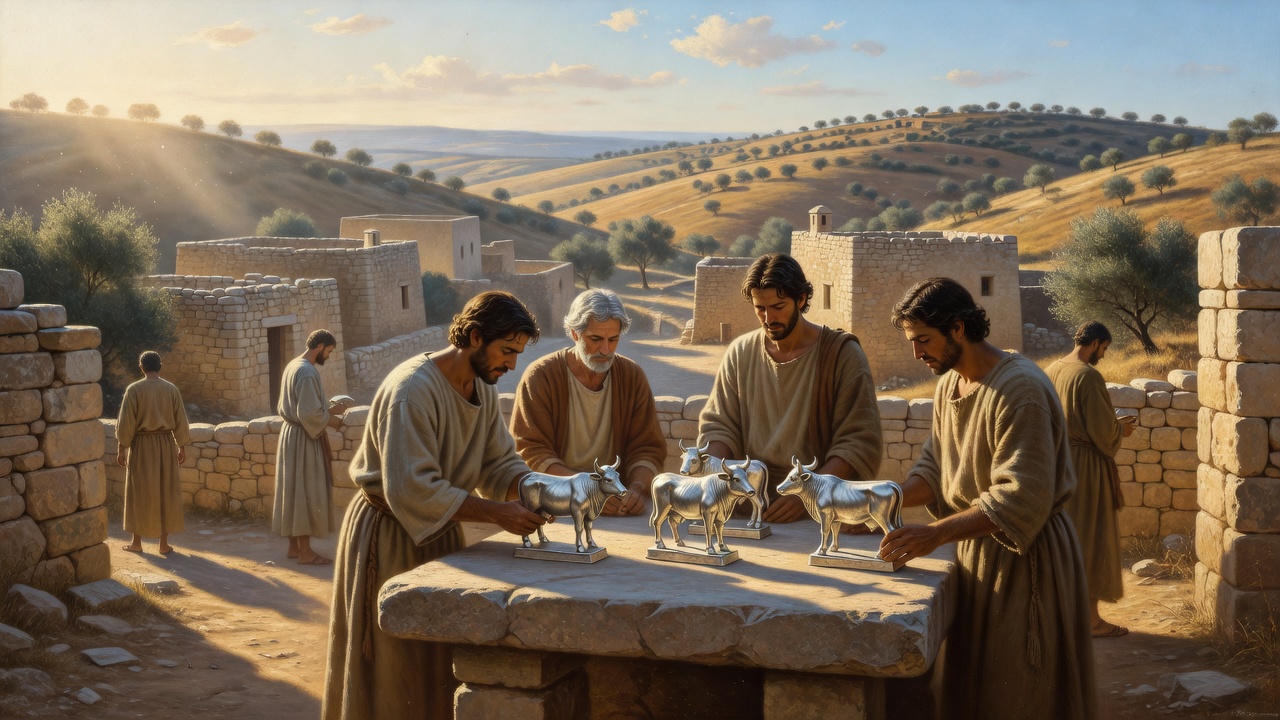
1Ephraim mah lokthuih naah, kaminawk tasoeh o; anih loe Israel ah angmah hoi angmah to amkoeh; toe Baal to a bok pongah anih loe zaehaih tawnh moe, a duek. 2Nihcae loe vaihi zaehaih sak o aep aep, a tawnh o ih sum kanglung hoi angmacae thoemhaih hoiah krangnawk to a sak o; to hmuennawk boih loe bantok sah kop kami mah sak ih hmuen ah ni oh. Krang to sak o pacoengah, Angbawnhaih sah kami mah krang to mok nasoe, tiah a thuih o. 3To pongah hae kaminawk loe akhawnbang ah amzam tamai baktih, akhawnbang ah kamzawt dantui baktiah om o ueloe, cang atithaih ahmuen hoiah takhi mah hmuh ih canghii baktih, takoeng ranui hoi tacawt hmaikhue baktiah ni om o tih. 4Toe kai loe Izip prae hoiah nang zaehoikung, na Angraeng Sithaw ah ka oh, kai ai ah loe Sithaw na panoek o thai mak ai, kai ai ah loe pahlongkung kalah om ai. 5Kai mah ni khokha praezaek ah kang khetzawn o. 6Kamhah ah buh na caak o naah nam oek o; to pongah nihcae mah kai ang pahnet o. 7To pongah nihcae khaeah kaipui baktiah ka oh moe, kaithlaeng baktiah loklam ah ka ngang han. 8Taqom mah a caa han lomh pae ih baktih toengah, nihcae to ka hmang moe, panak huh to ka taprawt pae pat han, to ah kaipui baktiah nihcae to ka kaek han. Kasan moi mah nihcae to taprawt pet pet tih. 9Aw Israel, nang loe nam ro boeh, toe nang abomhaih loe kai khae hoiah ni angzoh. 10Kai loe nang ih siangpahrang ah ka oh han; na oh o haih vangpui boih pahlong thaih kalah kami oh maw? Siangpahrang hoi ukkung angraeng na paek ah, tiah na hnik o ih lokcaek kaminawk loe naa ah maw oh o boih boeh? 11Palungphui hoiah siangpahrang maeto kang paek o, palung hmai baktih amngaeh naah anih to ka lak ving. 12Ephraim sakpazaehaih loe tapawk moe, a zaehaih to hawk ving boeh. 13Nongpata caa oh naah kana panoekhaih to anih nuiah pha tih boeh: anih loe palungha ai capa ah oh; anih loe tapen ai ah nawkta ohhaih ahmuen ah atue kasawk ah oh han om ai. 14Taprong thacakhaih thung hoiah nihcae to ka krang han; nihcae to duekhaih thung hoiah ka loisak han. Aw duekhaih, kai loe nang ih nathaih kasae ah ka oh han! Aw taprong, kai loe nang amrohaih ah ka oh han! Tahmenhaih mik ka tawn mak ai. 15Anih loe nawkamya thungah athaih athai langlacadoeh ka tahmen mak ai, ni angyae bang ih takhi to angzo tih; Angraeng ih takhi to praezaek hoiah song tih. To pacoengah anih ih vacong tui to kang ueloe, tuibap tui doeh kang boih tih. Khit kaom anih ih hmuenmaenawk to paro pae boih tih. 16Angmah ih Sithaw to misa ah sak pongah, Samaria loe pongsut tih: nihcae to sumsen hoiah hum o ueloe, a caanawk to long ah va o tih: zokpomh nongpatanawk to taprawt pae o pat tih.
Did you know?
The Fall of Ephraim and Samaria
- Hosea 13 opens by recounting that Ephraim, once exalted in Israel, brought about its own ruin through the worship of Baal. Baal was the principal male deity of the Phoenicians, and his cult had long influenced the northern tribes.Sources: the Bible text itself · Baal
- The chapter recalls that God had been Israel's God ever since the land of Egypt and had known them in the arid wilderness. However, once the people had pasture and were satisfied, their hearts grew proud and they forgot their helper.Sources: the Bible text itself · Egypt
- The prophecy ends with an announcement of judgment on Samaria, the capital city established by King Omri on the hill of Shomeron. Hosea declares that Samaria will bear her guilt and suffer violent destruction for rebelling against God.Sources: the Bible text itself · Samaria
Notes written with AI assistance from open sources (Theographic Bible Metadata, CC BY-SA 4.0; Easton’s Bible Dictionary, public domain) and reviewed before publishing.
Places in this chapter
Only places identified with high confidence are shown (90% or more according to the scholarly sources compiled by OpenBible). Period map: DARE (Digital Atlas of the Roman Empire), CC BY 4.0; modern map: © OpenStreetMap contributors; places: OpenBible.info (CC BY 4.0).
Credits and license for this translation
Asang Khongca Bible (2019)
The Holy Bible in the Asang Khongca language of Mynmar
Public Domain
Language: Asang Khongca (Chin, Eastern Khumi)
Dialect: Asaang Khongca
Published in Mynmar, which is not a signatory to international copyright treaties. Copyright may apply locally in Mynmar. Translator names withheld for security reasons.
2020-09-24
Source: http://ebible.org/cekak/ · eBible.org