Ecclesiastes 6
Asang Khongca Bible (2019) · Tap a verse to see its cross-references.
1Kaminawk khaeah hmuenzit ah kaom sethaih, ni tlim ah ka hnuk let bae vop: 2koehhaih akoep hanah, Sithaw mah kami khaeah angraenghaih, hmuenmae tawnhhaih hoi pakoehhaih to paek; toe hmuenmae nuiah kanawm acaeng hanah paek ai pongah, minawk kalah mah kanawm acaeng haih lat; hae doeh azom pui ni, nathaih kasae ah ni oh. 3Kami maet loe caa cumvaito tawnh moe, saning sawk parai ah hing cadoeh, hing thung koehhaih akoep ai, duek naah doeh kahoih ah aphum ai nahaeloe, anih pongah loe zok thungah kamro nawkta to hoih kue. 4Zok thungah kamro nawkta loe azom pui ah tacawt moe, vinghaih thungah caeh, anih ih ahmin loe vinghaih mah ayaw khoep tih boeh. 5Anih loe ni to hnu vai ai, tidoeh panoek ai; toe anih loe minawk kalah pongah pop kue anghakhaih to hnuk. 6Ue, anih loe saning sang hnetto hing langlacadoeh, a tawnh ih hmuen nuiah nawmhaih tawn ai; kaminawk loe ahmuen maeto ah na ai maw caeh o boih? 7Kami mah tha pathok moe, sak ih tok boih loe pakha han ih ni sak, toe caak koehhaih loe boeng thai ai. 8Palungha mah kamthu pong kamtlai ah amekhaih timaw tawnh? Kahing kaminawk hmaa ah kawbangmaw khosak nahaeloe hoi tih, tiah panoek kamtang loe amekhaih timaw tawnh? 9Palung koehhaih bangah amkaeh khing pongah loe, mik hoi hnuk ih hmuen to hoih kue; hae doeh azom pui ni, takhi hnukah patom rumram baktiah ni oh. 10Vaihiah kaom hmuen loe canghni ah a poek ih hmuen to ni; kami loe angmah pongah thacak kue kami hoiah angnoek thai ai, hae loe kami khosakhaih dan boeh ni, tiah amtueng boeh. 11Pop hmoek ah lok apaeh naah, avang ai lok to pop aep, to baktih lok mah kami han tih amekhaih maw ohsak? 12Tahlip baktiah kalaem thaih, avanghaih om ai hing thungah, kami han atho om hmuen mi maw panoek thaih? Kami duek pacoengah loe ni tlim ah timaw om tih, tiah mi mah maw thui thai tih?
Did you know?
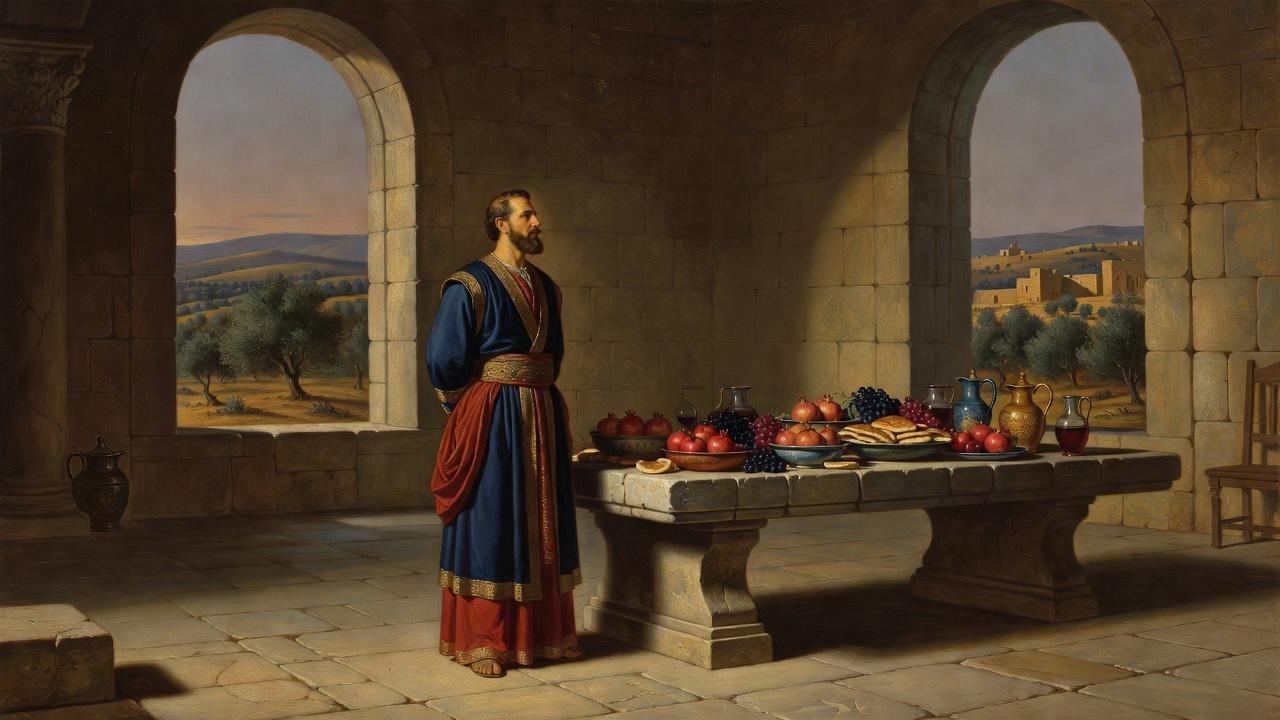
The Vanity of Unsatisfied Wealth
- In ancient thought, having a long life and fathering many children were considered the highest signs of blessing. Ecclesiastes observes, however, that even living two thousand years and fathering a hundred children is hollow if a person cannot enjoy their prosperity or receive a proper burial.Sources: the Bible text itself
- The author points out that although human labor is spent satisfying basic physical needs such as food, human appetite and desire remain continually unfulfilled. He contrasts enjoying what is directly present before the eyes with the ceaseless wandering of unsatisfied cravings.Sources: the Bible text itself
- The chapter emphasizes human limitations, noting that mortals cannot dispute with what has been established by one stronger than they are. Because life is fleeting like a shadow, humans cannot fully know what is truly good for them or foresee what will happen after they are gone.Sources: the Bible text itself
Notes written with AI assistance from open sources (Theographic Bible Metadata, CC BY-SA 4.0; Easton’s Bible Dictionary, public domain) and reviewed before publishing.
Credits and license for this translation
Asang Khongca Bible (2019)
The Holy Bible in the Asang Khongca language of Mynmar
Public Domain
Language: Asang Khongca (Chin, Eastern Khumi)
Dialect: Asaang Khongca
Published in Mynmar, which is not a signatory to international copyright treaties. Copyright may apply locally in Mynmar. Translator names withheld for security reasons.
2020-09-24
Source: http://ebible.org/cekak/ · eBible.org