Deuteronomy 16
Asang Khongca Bible (2019) · Tap a verse to see its cross-references.
Loihhaih
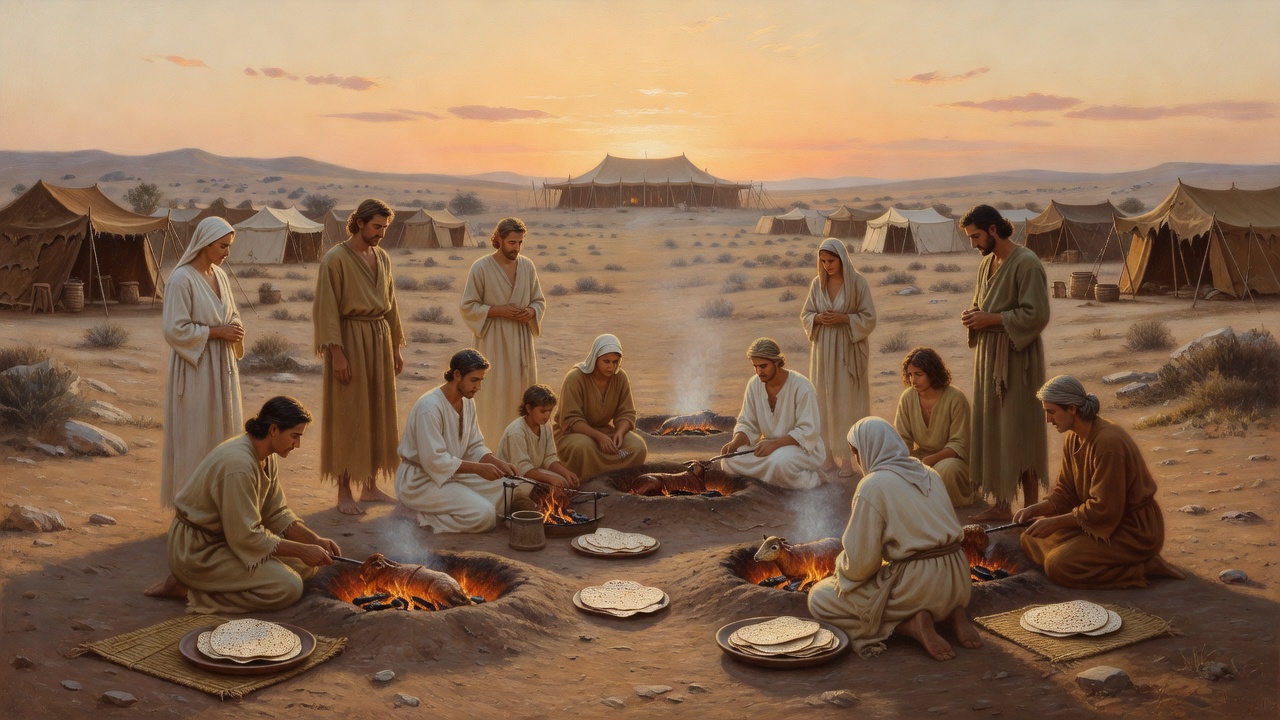
1Na Angraeng Sithaw mah Abib khrah, aqum ah nangcae Izip prae hoi ang loih o sak pongah, Abib khrah to zaa oh; na Angraeng Sithaw han misong loihhaih niah patoh oh. 2Angraeng mah angmah ih ahmin oh hanah, qoih ih ahmuen ah, misong loih angbawnhaih moi to na Angraeng Sithaw khaeah paek oh. 3Tawt kak hoiah Izip prae to na tacawt o taak pongah, hing thung Izip prae tacawttaakhaih atue to na panoek o poe hanah, ni sarihto thung taeh thuh ai ih takaw to caa oh; taeh thuh ih takaw to caa o hmah. 4Ni sarihto thung na prae thung boih ah, taeh thuh ih takaw to caa o hmah; ni hmaloe koek duembang ah na paek o ih moi to, khawnbang khoek to amtlai o sak hmah. 5Na Angraeng Sithaw mah paek ih vangpui boih ah, misong loih angbawnhaih to sah o hmah; 6na Angraeng Sithaw mah angmah ih ahmin oh hanah, qoih ih ahmuen khue ah, duembang ah misong loih angbawnhaih to sah oh; na tacawt o taak ih Izip prae to panoek poe hanah, niduem naah sah oh. 7Na Angraeng Sithaw mah qoih ih ahmuen ah hmai hoi pahai o ah loe, caa oh; khawnbang ah amlaem o ah loe, na oh o haih im ah caeh oh. 8Ni tarukto thung taeh thuh ai ih takaw to caa oh, ni sarihto naah loe, na Angraeng Sithaw khaeah amkhueng oh, tok to sah o hmah.
Ni sarihto thung poihsakhaih
9Cang aah amtong tangsuek nathuem hoi ni sarihto thung kroek oh. 10Na Angraeng Sithaw mah tahamhoihaih paek ih baktih toengah, na Angraeng Sithaw hmaa ah na koeh zetto angbawnhaih poih to ni sarihto thung patoh oh. 11To naah na Angraeng Sithaw mah angmah ih ahmin oh hanah, qoih ih ahmuen ah nangmah hoi na canu na capanawk, na tamna nongpa hoi nongpatanawk, na vangpui thungah kaom Levinawk, angvinnawk, na qahhnawk, nangcae salakah kaom lamhmainawk hoi nawnto, na Angraeng Sithaw hmaa ah anghoe oh. 12Izip prae ah misong ah ka oh, tiah panoek oh, hae zaehhoihaih daannawk hae pazui oh loe, sah ah.
Kahni im poih
13Cang aah pacoeng moe, misurtui na pasawh o pacoengah, ni sarihto thung kahni im poih to sah oh. 14Poih kungah, nangmah hoi na canu, na capanawk, na tamna nongpa hoi nongpatanawk, Levi kaminawk, angvinnawk, na vangpui thungah kaom, ampa tawn ai kaminawk, lamhmainawk hoi nawnto anghoe oh. 15Angraeng mah qoih ih ahmuen ah, ni sarihto thung na Angraeng Sithaw hanah poih to sah oh; to tiah na sak o nahaeloe, na Angraeng Sithaw mah na aah o ih cangnawk hoi na sak o ih hmuennawk boih pongah, tahamhoihaih na paek o tih; to naah nangcae loe anghoehaih hoiah na koep o tih boeh.
16Nongpanawk boih loe Angraeng angmah qoih ih ahmuen ah, na Angraeng Sithaw hmaa ah saningto naah taeh thuh ai ih poih vai thumto sakhaih, ni sarihto thung sak ih poih hoi kahni im poihsakhaih ahmuen ah angzoh o han oh; mi kawbaktih doeh Angraeng hmaa ah bangkrai ah angzoh o han om ai. 17Na Angraeng Sithaw mah tahamhoihaih ang paek o ih baktih toengah, kami boih mah a sin o thai tawk hmuen to a sin o han oh.
Lokcaekkungnawk
18Na Angraeng Sithaw mah ang paek o ih vangpui kruekah, acaengnawk lokcaekkungnawk hoi ukkungnawk to suem oh, kaminawk to toenghaih hoiah uk oh. 19Nang loe toenghaih loklam hoiah amkhraeng ving hmah; kami mikhmai doeh khen hmah loe, bokhaih tangqum doeh talawk hmah; bokhaih tangqum mah palungha kaminawk to mikmaengsak moe, katoeng kami ih lok to angkoisak. 20Toenghaih khue to pazui oh; to tiah nahaeloe na hing o ueloe, Angraeng Sithaw mah paek ih prae to na toep o tih.
21Na Angraeng Sithaw han na sak o ih hmaicam taengah kawbaktih Asherah tung doeh thling o hmah. 22Na Angraeng Sithaw mah hnukma ih kawbaktih krang doeh thling o hmah.
Did you know?
Appointed Feasts and Righteous Justice
- Deuteronomy mandates three annual pilgrimage festivals—the Feast of Unleavened Bread (Passover), the Feast of Weeks, and the Feast of Tabernacles. For these occasions, the men of Israel were required to travel and appear before God not in their local towns, but at the specific central location chosen as a dwelling for His Name.Sources: the Bible text itself
- The celebrations of the Feast of Weeks and the Feast of Tabernacles explicitly included vulnerable members of society, such as servants, Levites, foreigners, orphans, and widows. These communal rejoicings were tied to the memory of Israel's liberation from slavery in Egypt.Sources: the Bible text itself
- In addition to religious assemblies, the text commands the appointment of local judges and officials across every town. They were forbidden from taking bribes or showing partiality, establishing the standard to pursue justice alone throughout the land.Sources: the Bible text itself
Notes written with AI assistance from open sources (Theographic Bible Metadata, CC BY-SA 4.0; Easton’s Bible Dictionary, public domain) and reviewed before publishing.
Places in this chapter
Only places identified with high confidence are shown (90% or more according to the scholarly sources compiled by OpenBible). Period map: DARE (Digital Atlas of the Roman Empire), CC BY 4.0; modern map: © OpenStreetMap contributors; places: OpenBible.info (CC BY 4.0).
Credits and license for this translation
Asang Khongca Bible (2019)
The Holy Bible in the Asang Khongca language of Mynmar
Public Domain
Language: Asang Khongca (Chin, Eastern Khumi)
Dialect: Asaang Khongca
Published in Mynmar, which is not a signatory to international copyright treaties. Copyright may apply locally in Mynmar. Translator names withheld for security reasons.
2020-09-24
Source: http://ebible.org/cekak/ · eBible.org