Amos 4
Asang Khongca Bible (2019) · Tap a verse to see its cross-references.
Israel loe amlaem let mak ai
1Samaria mae ah kaom, nangcae Bashan maitawnawk, hae lok hae tahngai oh, kamtang kaminawk to pacaekthlaek moe, mithoe hnaphnae kami, na savanawk khaeah, Naek koi misurtui na sin ah, nae o si, tiah thui kami, 2Angraeng Sithaw mah a ciimcaihaih hoiah lokkamhaih to sak boeh; khenah, anih mah cakoih hoiah na tathok o tih, tanga vahhaih cakoih hoiah na caanawk tathokhaih ni to pha tih boeh. 3Nangcae loe kamro tapang khaw thung hoiah tasa bangah na ruet o tih, toe nangcae to pakaahaih kaom ahmuen thungah na va o tih, tiah Angraeng mah thuih. 4Bethel ah angzo oh loe, zaehaih to sah oh, Gilgal vangpui ah zaehaih angpung o sak ah; akhawnbang kruek hmuen tathlanghaih to sin oh, saning thumto thung, hato thungah maeto sin oh. 5Taeh thuh ih takaw to oephaih hmuenpaek ih baktiah hmai paaem ah loe, nangmah koeh ah paek ih hmuen to sin ah; nangcae Israel kaminawk loe hae baktih hmuen sak han na koeh o na ai maw? tiah Angraeng Sithaw mah thuih. 6Vangpui kruekah kaciim haa to kang paek o, na oh o haih ahmuen kruekah caaknaek kang vawt o sak ai; toe kai khaeah nam laem o ai, tiah Angraeng mah thuih. 7Cang aah han khrah thumto koeh naah, kho kang zosak ai. Vangpui maeto ah kho kang zohsak moe, vangpui maeto ah loe kho kang zosak ai. Ahmuen maeto ah kho kang zohsak moe, ahmuen maeto ah loe kho angzo ai pongah ahmuen to ka zaeksak. 8Vangpui hnetto maw, to tih ai boeh loe thumto mah tuinaek hanah avang maeto pacoeng maeto ah amhet o, toe naek khawt tui to hnu o ai; toe kai khaeah nam laem o ai, tiah Angraeng mah thuih. 9Kai mah takhi songhaih hoi dantui hoiah kang boh o: takha thung ih misurkung, thaiduetkung hoi olive kungnawk pung o naah, pakhu mah caak boih; toe kai khaeah nam laem o ai, tiah Angraeng mah thuih. 10Izip ah ka sak ih baktih toengah nangcae khaeah nathaih kasae to kang patoeh; na naeh o ih hrangnawk hoi nawnto, na thendoengnawk to sumsen hoiah ka hum; nangcae ih hnah to kaqong ahmui hoiah ka koisak, toe kai khaeah nam laem o ai, tiah Angraeng mah thuih. 11Sithaw mah Sodom hoi Gomorrah to vah baktih toengah, nangcae thung ih thoemto kaminawk to ka vah; nangcae loe hmai kangqong thung hoi lak ih thing baktiah na oh o; toe kai khaeah nam laem o ai, tiah Angraeng mah thuih. 12To pongah aw Israel, nang khaeah hae hmuen hae ka sak han, nang khaeah hae hmuen ka sak han oh pongah, Aw Israel, na Sithaw hnuk hanah amsak lai ah. 13Khenah, maenawk Sahkung, takhi omsakkung, kaminawk khaeah poekhaih amtuengsakkung, khodai to khoving ah angcoengsakkung, ahmuen sang longnawk to a khok tlim ah Cawhkung ih ahmin loe, misatuh kaminawk ih Angraeng, Sithaw, tiah oh.
Did you know?
Unheeded Warnings and the God of Hosts
- Amos addresses the wealthy, exploitative women of Samaria by calling them cows of Bashan. Samaria was the hilltop capital of the northern kingdom of Israel, while Bashan was a fertile region north of Gilead known for its rich pastures.Sources: the Bible text itself · Samaria · Bashan
- The prophet sarcastically invites the people to bring sacrifices and tithes to Bethel and Gilgal. Both locations had deep historical and religious importance in Israel, but had become sites of hollow religious ritual and transgression.Sources: the Bible text itself · Bethel (of Palestine) · Gilgal
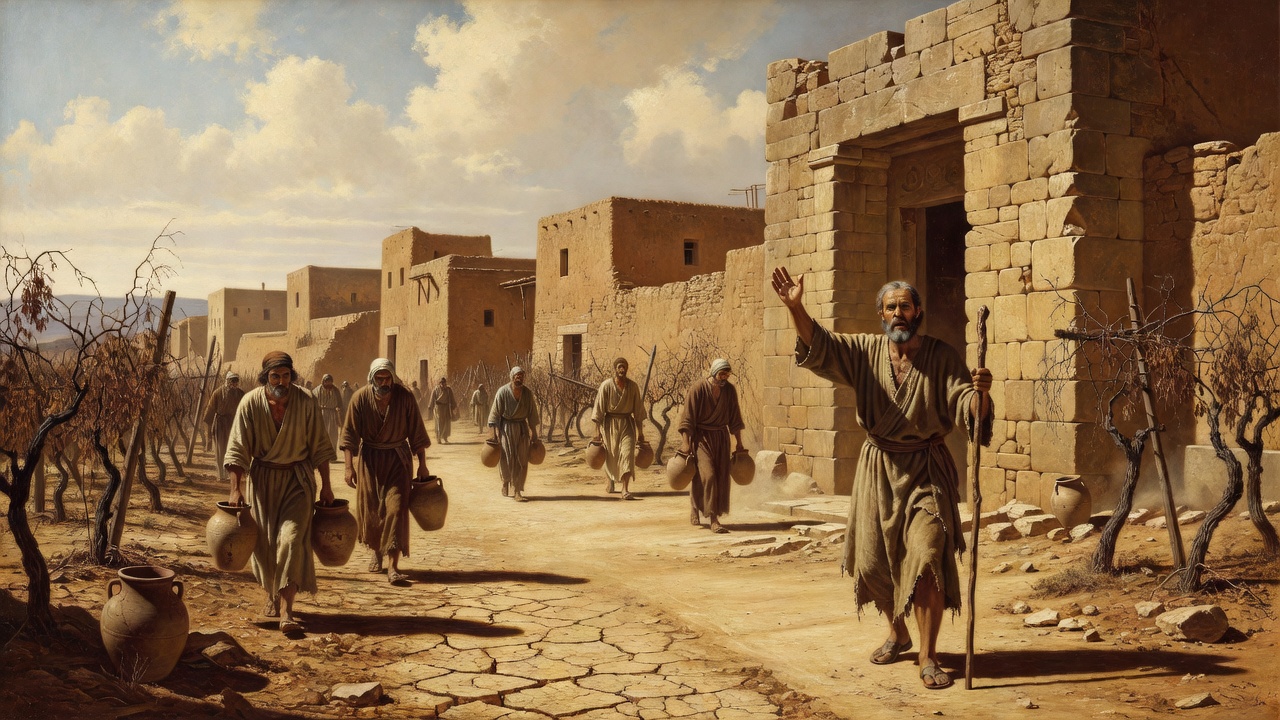
- Amos recounts a series of divine warnings through natural and military disasters, including severe drought, crop-destroying locusts, pestilence reminiscent of Egypt, and battlefield defeat. Despite each disaster, the text repeats the refrain that the people refused to return to God.Sources: the Bible text itself · Egypt
Notes written with AI assistance from open sources (Theographic Bible Metadata, CC BY-SA 4.0; Easton’s Bible Dictionary, public domain) and reviewed before publishing.
Places in this chapter
- Bashan · 32.781, 35.935 · verse 1
- Samaria · 32.276, 35.195 · verse 1
- Egypt · 30.129, 31.308 · verse 10
Only places identified with high confidence are shown (90% or more according to the scholarly sources compiled by OpenBible). Period map: DARE (Digital Atlas of the Roman Empire), CC BY 4.0; modern map: © OpenStreetMap contributors; places: OpenBible.info (CC BY 4.0).
Credits and license for this translation
Asang Khongca Bible (2019)
The Holy Bible in the Asang Khongca language of Mynmar
Public Domain
Language: Asang Khongca (Chin, Eastern Khumi)
Dialect: Asaang Khongca
Published in Mynmar, which is not a signatory to international copyright treaties. Copyright may apply locally in Mynmar. Translator names withheld for security reasons.
2020-09-24
Source: http://ebible.org/cekak/ · eBible.org