1 Samuel 3
Asang Khongca Bible (2019) · Tap a verse to see its cross-references.
Angraeng mah Samuel kawkhaih
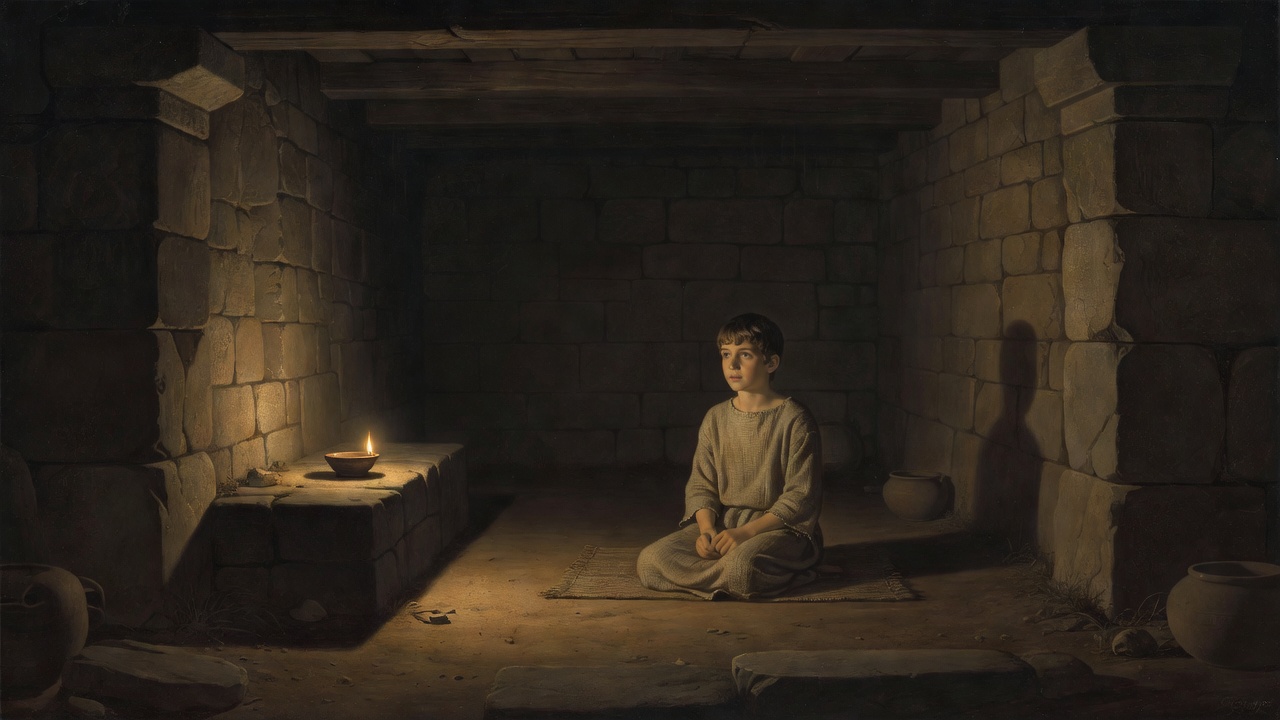
1Nawkta Samuel loe Eli hmaa ah Angraeng ih tok to sak; to nathuem ah Angraeng mah kami khaeah thuih ih lok to om ai; kamtueng ah hmuen hnuksakhaih doeh om ai. 2To nathuem ah Eli loe a iihhaih hmuen ah angsong, to naah mik thazok sut moe, mik amtueng ai pongah, tidoeh hnu thai ai. 3Sithaw ih thingkhong ohhaih, Angraeng ih tempul ah Sithaw ih hmai-im to dueh ai vop, Samuel loe iih hanah angsong kawk boeh; 4to naah Angraeng mah Samuel to kawk; Samuel mah, Hae ah ka oh, tiah a naa. 5Anih loe Eli khaeah, Nang kawk pongah, kang zoh, tiah a naa. Toe Eli mah, Kang kawk ai bae; caeh loe iip ah, tiah a naa. To pongah anih loe caeh moe, angsong let. 6Angraeng mah, Samuel, tiah kawk let bae. Samuel loe angthawk moe, Eli khaeah, Nang kawk pongah, kang zoh, tiah a naa. Eli mah, Ka capa, kang kawk ai; caeh loe iip lai ah, tiah a naa. 7Angraeng ih lok anih khaeah angphong pae ai vop pongah, Samuel mah Angraeng ni, tiah panoek ai vop. 8Vai thumto haih ah Angraeng mah Samuel to kawk let bae; to naah Samuel loe angthawk moe, Eli khaeah caeh, Nang kawk pongah, kang zoh, tiah a naa let bae. 9To pongah Eli mah Samuel khaeah, Caeh loe, iip lai ah; na kawk let nahaeloe, Angraeng, Lok na thui ah; na tamna mah tahngaih, tiah thui ah, tiah a naa. To pongah Samuel loe caeh moe, angmah ih ahmuen ah angsong let.
10Angraeng loe angzoh moe, to ah angdoet pacoengah, canghni ih baktih toengah, Samuel, Samuel, tiah kawk. To naah Samuel mah, Lok na thui ah, na tamna mah tahngaih, tiah a naa. 11To naah Angraeng mah Samuel khaeah, Khenah, tamthang thaih kaminawk boih, naa to taphruemsak hanah, Israel kaminawk salakah hmuen maeto ka sak han. 12To naah ka thuih ih lok baktih toengah, Eli imthung takoh nuiah hmuennawk to ka sak han; sak kam tong baktih toengah, boeng khoek to ka sak han. 13A capa hnik mah panuet thok hmuen a sak hoi, tiah Eli mah panoek, toe sak han ai ah pakaa ai pongah, a imthung takoh nuiah dungzan khoek to lok ka caek han, tiah ka thuih boeh. 14To pongah Eli imthung takoh mah sak ih zaehaih loe, angbawnhaih hoi hmuen paekhaih mah dungzan khoek to ciimsak mak ai boeh, tiah a naa. 15Samuel loe akhawnbang khoek to angsong moe, Angraeng im ih thoknawk to paongh. Samuel mah a hnuk ih hmuen kawng to Eli khaeah thuih han zit. 16Toe Eli mah Samuel khaeah, Ka capa, Samuel, tiah a naa. Samuel mah, Hae ah ka oh, tiah pathim pae. 17Anih khaeah, Angraeng mah nang khaeah tih lok maw ang thuih? tiah a dueng. Kai khaeah angphat hmah, nang khaeah ang thuih ih loknawk boih to nang phat nahaeloe, Sithaw mah dan na paek tih; kanung aep ah dan na paek tih, tiah a naa. 18To pongah kaom hmuen kawng to Samuel mah angphat ai ah thuih pae boih. To naah Eli mah, Anih loe Angraeng ni. A mikhnukah kahoih hmuen to sah nasoe, tiah thuih.
19Samuel loe qoeng tahang, Angraeng mah anih to oh thuih; amro hanah a lok maeto doeh long ah krahsak ai. 20Samuel loe Angraeng ih tahmaa ah om tih, tiah Dan hoi Beersheba vangpui khoek to kaom Israel kaminawk boih mah panoek o. 21Angraeng mah Shiloh ah angphong thuih let; Shiloh vangpui ah Angraeng mah Samuel khaeah Angraeng ih lok hoiah angphong thui let.
Did you know?
The Calling of Samuel
- The sanctuary housing the ark of God was located at Shiloh, where the young Samuel ministered under the high priest Eli. The text notes that direct divine revelations and visions were rare in those days, prior to the Lord revealing Himself to Samuel at Shiloh.Sources: the Bible text itself · Shiloh · Eli
- Eli served as high priest and judged Israel for forty years, but his failure to sternly reprove his corrupt sons, Hophni and Phinehas, brought a divine sentence of judgment against his household. The priestly office remained in Eli's lineage until King Solomon later removed Abiathar and installed Zadok.Sources: Eli · the Bible text itself
- The phrase from Dan to Beersheba designates the entire territory of the Promised Land, from its northern boundary at Dan to its southern limit at Beersheba, a distance of about 144 miles. Its mention emphasizes that the whole nation recognized Samuel as an established prophet.Sources: Beersheba · the Bible text itself
Notes written with AI assistance from open sources (Theographic Bible Metadata, CC BY-SA 4.0; Easton’s Bible Dictionary, public domain) and reviewed before publishing.
Places in this chapter
- Dan · Today: Tel Dan · 33.249, 35.652 · verse 20
- Shiloh · Today: Khirbet Seilun · 32.056, 35.290 · verse 21
Only places identified with high confidence are shown (90% or more according to the scholarly sources compiled by OpenBible). Period map: DARE (Digital Atlas of the Roman Empire), CC BY 4.0; modern map: © OpenStreetMap contributors; places: OpenBible.info (CC BY 4.0).
Credits and license for this translation
Asang Khongca Bible (2019)
The Holy Bible in the Asang Khongca language of Mynmar
Public Domain
Language: Asang Khongca (Chin, Eastern Khumi)
Dialect: Asaang Khongca
Published in Mynmar, which is not a signatory to international copyright treaties. Copyright may apply locally in Mynmar. Translator names withheld for security reasons.
2020-09-24
Source: http://ebible.org/cekak/ · eBible.org