Psalms 99
Balaan nga Bibliya · Tap a verse to see its cross-references.
1Naghari si Yahweh; tugoti nga mangurog ang kanasoran. Siya naglingkod sa iyang trono ibabaw sa mga kerubin; molinog ang kalibotan. 2Si Yahweh bantogan sa Zion; siya gibayaw ibabaw sa tanang kanasoran. 3Tugoti nga magdayeg sila sa imong bantogan ug halangdon nga ngalan; siya balaan. 4Ang hari kusgan, ug siya nahigugma sa katarong. Imong gitukod ang kaangayan; nabuhat mo ang pagkamatarong ug hustisya kang Jacob. 5Daygon si Yahweh nga atong Dios ug simbaha siya diha sa iyang tiilan. Siya balaan. 6Si Moises ug Aaron lakip sa iyang mga pari, ug si Samuel usa niadtong nag-ampo kaniya. Nag-ampo sila kang Yahweh ug gitubag niya sila. 7Siya nakigsulti kanila pinaagi sa haliging panganod. Gituman nila ang iyang balaan nga mga balaod ug ang mga sugo nga gihatag niya kanila. 8Gitubag mo sila, Yahweh nga among Dios. Dios ka nga mapinasayloon ngadto kanila, apan mosilot sa ilang makasasalang binuhatan. 9Dalaygon si Yahweh nga atong Dios, ug panagsimba sa iyang balaang bungtod, tungod si Yahweh nga atong Dios balaan.
Did you know?
The Holy King and His Intercessors
- Psalm 99 is structured around a recurring threefold declaration of God's holiness (verses 3, 5, and 9). It depicts the Lord as a sovereign king enthroned above the cherubim, reigning with justice and equity from Mount Zion.Sources: the Bible text itself · Zion
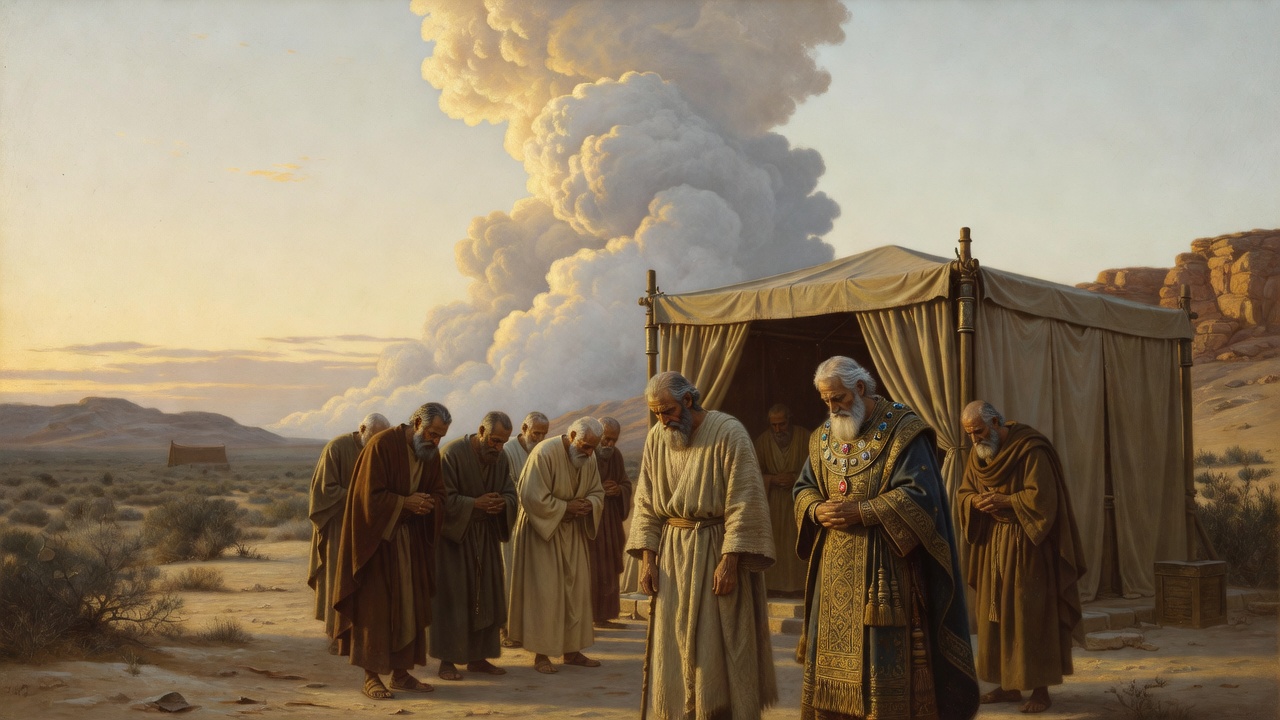
- The psalm highlights Moses, Aaron, and Samuel as exemplary intercessors who called upon God and kept His statutes. It recalls how God answered their cries and communicated from the pillar of cloud, offering forgiveness while maintaining divine justice.Sources: the Bible text itself · Moses · Aaron · Samuel
Notes written with AI assistance from open sources (Theographic Bible Metadata, CC BY-SA 4.0; Easton’s Bible Dictionary, public domain) and reviewed before publishing.
Places in this chapter
Only places identified with high confidence are shown (90% or more according to the scholarly sources compiled by OpenBible). Period map: DARE (Digital Atlas of the Roman Empire), CC BY 4.0; modern map: © OpenStreetMap contributors; places: OpenBible.info (CC BY 4.0).
Credits and license for this translation
Balaan nga Bibliya
Unlocked Literal Bible in the Cebuano language of the Republic of the Philippines
copyright © 2019 Door43 World Missions Community
Language: Cebuano
Translation by: Door43 World Missions Community
Contributor: Aida Espelita, Aira Amaran, Alma Mae Llorca, Amelina Emboc, Analine Tanog, Bernaly Mansiwagan, Carwelene Amper, Chally Lou Lacaran, Charity Guinita, Dan Bongcalas, Darryl Lasquite, Divine Grace Leparto, Elsie Lacubay, Ernilyn Balindong, Gem Lalaan, Helen Thundas, Jerome Resomadero, Jeryl Tumundog, Johnny Ray Lumawan, Loreto Socias Jr., Luthero Pulao Jr., Lymae Belle Ednalgan, Marilyn Lay-um, Mark Kevin Atab, Marth Anthony Atab, Miracle Marcojos, Molly, Noel Dalumatao, Rico Barrios, Ricky Mansabid, Romeo Lumasay, Roselle Lay-um, Steven Lubosan, Jeffrey, Johanna, Junette, Benny, and Racquel
This translation is made available to you under the terms of the
Creative Commons Attribution Share-Alike license 4.0.
You have permission to share and redistribute this Bible translation in any format and to make reasonable revisions and adaptations of this translation, provided that:
You include the above copyright and source information.
If you make any changes to the text, you must indicate that you did so in a way that makes it clear that the original licensor is not necessarily endorsing your changes.
If you redistribute this text, you must distribute your contributions under the same license as the original.
Pictures included with Scriptures and other documents on this site are licensed just for use with those Scriptures and documents.
For other uses, please contact the respective copyright owners.
Note that in addition to the rules above, revising and adapting God's Word involves a great responsibility to be true to God's Word. See Revelation 22:18-19.
2020-06-08
Source: http://ebible.org/cebulb/ · eBible.org