Romans 5
Dios ã jáap naáwát tólih · Tap a verse to see its cross-references.
“Nit tʉ́init caá”, Dios ã niíj ennit ded pah jwĩ jʉmat
1Jesucristodih jwĩ tʉ́i jenah joyóchah, “Nit tʉ́init caá”, Dios jwiítdih ã niíj enna caá. Páant ã niíj enechah, jwĩ Maáh Jesucristo jwiítdih Diosjeéh ã tʉ́i jʉmat tʉ́ʉtna caá. 2Caandíh tʉ́i jenah joinít, ã oinit jwĩ jʉmʉchah, “Ʉ́ʉmcanjeh weemdíh jʉ̃óhnit, ñi ʉʉ́bʉ́”, Dios jwiítdih ã niijná caá. Ã́ihwã jʉmna, tʉ́ttimah bóo láa ã pebhna bejnit, caán tʉ́ini yoobát ã jʉmat pahjeh jwiítbʉt biíc yoobó jwĩ jʉmat pínahdih jenah joinít, bʉ́dí jwĩ wẽina caá. 3Dawá láa jwiítdih yeejép ã yapachah yʉhna, biíc yoobó jwĩ wẽina caá. Páant yeejép ã yapachah, Diosdih chah jwĩ tʉ́i jenah joyátdih jwĩ jéihna caá. Pánih jéihnit, yeejép ã yapachah yʉhna, bʉ́dí jwĩ wẽina caá. 4Páant yeejép ã yapachah yʉhna, wẽinit, caandíh jwĩ tʉ́i jenah joí cádahcan caá. Pánih cádahcannit jʉmna, chah tʉ́init jwĩ jʉm bejna caá. Pánih chah tʉ́init jʉm bejna, Dios ded pah jwiítdih ã tʉ́i chãjat pínahdih jenah joinít, jwĩ wẽi pã́ina caá. 5Pánihna, jwiít wẽi pã́initdih Dios Tʉ́ini Espíritudih ãtát wʉ̃hʉp taga, jwĩjeéh ã jʉmat pínah niijná. Tʉ́ini Espíritu jwĩjeéh jʉmna, Dios jwiítdih ded pah bʉ́dí ã oyatdih ã jéihyana caá. Páant ã jéihyanachah, nindihbʉt jwĩ niíj jéihna caá: “Jwiítdih Tʉ́ini Espíritu ã teo wáacbipna caá, Dios pebhna jʉibínit, caan páh jwĩ tʉ́i jʉmat pínah niijná”, jwĩ niíj jéihna caá.
6Nin wã naáwátdih jenah joinít, Dios jwiítdih ã tʉ́i chãjat pínahdih chah ñi jéihbipna caá: Jwiít jwĩ yéej chãjatdih jéih cádahcan, ã jíib bʉʉdáátdih jwĩ jéih jíib chãjcah, Dios ã jenahat láa, Jesucristoboó jwĩ yéejat jíib ãt wʉn wʉ̃hʉp wʉt jĩ. 7Ded tʉ́i chãjnidih biíhboó ãta wʉn wʉ̃hcan taga. Biíh tʉ́i chãjni yoobátdih bʉ́dí oinit, ʉ́ʉmcanjeh wʉn wʉ̃hni pínah ã jʉm dée caá. 8Obohjeéhtih, jwiít yeejépwã yoobát jwĩ jʉm jwʉhʉchah, jwĩ yéejat jíib Cristoboó ãt wʉn wʉ̃hʉp wʉt jĩ. Páant ã wʉn wʉ̃hʉchah, Dios jwiítdih ded pah bʉ́dí ã oyatdih ã jéihyana caá. 9Pánih jwiítdih wʉn wʉ̃hnit, ã́ih meép ã yohochah, “Nit tʉ́init caá”, Dios jwiítdih ã niíj enna caá. Páant niíj enna, jwiítdih iiguípna bejnit déejidih ãt tʉ́i ʉbʉp wʉt jĩ. Pánihna, yeejépwã jwĩ jʉm jwʉhʉchah, ã wʉn wʉ̃hatjĩh “Nit tʉ́init caá”, jwiítdih ã niíj enatdih jwĩ jéihna caá. Pánih jéihnit, “Bʉʉ nit tʉ́initdih en íijcan, wã peéh chãjcan niít”, jwiítdih ã niijátdih chah jwĩ jéihna caá. 10Diosdih eníhcannit jwĩ jʉm jwʉhʉchah, ã wʉ̃ʉ́h ã wʉnatjĩh jwĩ yéejatdih yohnit, chénaboó jwĩ míic eníhcatdih Dios ãt ámohop wʉt jĩ. Pánih ámohnit, jwiítdih ã́ihwã ãt chãjap wʉt jĩ. Páant ã́ihwã jwĩ jʉmʉchah, nindih chah jwĩ tʉ́i jéihna caá: “Bʉʉ Dioíh wã jʉmʉchah, weemdíh peéh chãjat wihcah, Jesús boo pʉd jʉ̃óhnit, pʉ́ʉh laab béjni jʉmna, weemdíhbʉt ã pebhna ã tʉ́i jʉibíát tʉ́ʉtbipna caá”, jwĩ niíj jéihna caá. 11Páant jwĩ tʉ́i jʉibíát pínahdih wẽinit, nindihbʉt chah jwĩ wẽina caá: Bʉʉ nin baácboó jwĩ jʉm jwʉhʉchah, jwĩ Maáh Jesucristo ã wʉnatjĩh Dios jwiítdih ã́ihwã ãt jʉmat tʉ́ʉtʉp wʉt jĩ. Páant ã jʉmat tʉ́ʉtatdih jéihnit, caandíh bʉ́dí jwĩ wẽi naóhna caá.
Adán, Cristo ded pah mácah ĩ chãjatji
12Jwíih jʉmni Adán wʉ̃t jʉmni, ã yéej chãjachahjeh, nin baácdih yéejat ãt jwíih waadáp wʉt jĩ. Páant ã yéej chãjat jíib, wʉnatbʉt ãt waadáp wʉt jĩ. Adán ã yéej chãj waáwáchah, nihat jwiítbʉt yéej chãjnit jwĩt jʉm jwíihip wʉt jĩ. Pánih yéej chãjnit jʉmna, jwiít nihat wʉnnit pínah míic jwĩt jʉmʉp wʉt jĩ. 13Dios Moisésdih ã wʉtat tʉ́ʉtat pínah jã́tih, nin baácdih moón jwĩt yéej chãjap wʉt jĩ. Obohjeéhtih, páant jwĩ yéej chãjachah yʉhna, ã wʉtat wih jwʉhcah, caandíh yap yohatbʉt ãt wih jwʉhcap wʉt jĩ. Páant wihcah, caandíh yap yohat peéh chãjatbʉt ãt wih jwʉhcap wʉt jĩ. 14Páant yap yohat peéh chãjat ã wih jwʉhcah yʉhna, Adán tʉ́ttimah jʉmnit nihat ĩt wʉnʉp wʉt jĩ. Moisés ã jʉmat pínah jã́tih, caán wʉtat ã wih jwʉhcah yʉhna, caán láa jʉmnit ĩt wʉnʉp wʉt jĩ. Adán Dios ã wʉtatjidih ã yap yohatji pahjeh queétjeh chãjcan yʉhna, queét nihatbʉt biíc yoobó ĩt wʉnʉp wʉt jĩ. Páant wʉnnit ĩ jʉmʉchah jéihnit, “Adán ã yap yohochahjeh, nihat jwiítbʉt biíc yoobó yap yohnit panihnit jwĩt jʉmʉp wʉt jĩ”, jwĩ niíj jéihna caá. Pánihna, Adán yéej chãj waóhni ã jʉmatji pahjeh, tʉ́ttimah nin baácna jʉ̃óhni Jesucristoboó tʉ́i chãj waóhni ãt jʉmʉp wʉt jĩ.
15Obohjeéhtih, Dios cã́acwãdih oinit, ã teo wáacatboó Adán ã yap yohatji pah ãt nihcap wʉt jĩ. Adán biícjeh jʉmna yʉhna, ã jwíih yéej chãjatji jíib dawá jwĩt bʉʉdʉ́p wʉt jĩ. Obohjeéhtih, Dios jwiítdih bʉ́dí oinit, teo wáacna, Jesucristodih nin baácboó wahna, tʉ́ini yoobát ãt chãj wʉ̃hʉp wʉt jĩ. Jesucristo biícjeh jʉmna yʉhna, dawá iiguípna bejnit déejidih ãt tʉ́i ʉbʉp wʉt jĩ, jeáboó jwĩ tʉ́i jʉibíát pínah niijná. 16Dios cã́acwãdih oinit, ã teo wáacat Adán ã yap yohatji pah ãt nihcap wʉt jĩ. Adán biícjeh jʉmna yʉhna, ã yéej chãjatji jíib, nihat cã́acwã Dios ã peéh chãjnit pínah jwĩt jʉmʉp wʉt jĩ. Pánih peéh chãjnit pínah jʉmna, dawá jwĩ yéej chãjachah yʉhna, jwiítdih bʉ́dí oina, teo wáacnit, Dios jwĩ yéejatdih ã yohna caá. Pánih yohna, “Nit tʉ́init, wã peéh chãjnit pínah nihcan caá”, jwiítdih ã niíj enna caá. 17Adán biícjeh jʉmna yʉhna, ã jwíih yéej chãjachah, nihat cã́acwãdih ã chʉ̃ʉ́ʉ́chah, jwĩ wʉnna caá. Caán yoobópdih tigaá. Páant ã jʉmʉchah yʉhna, ninboodíh jwiít jwĩ wẽibipna caá: Bʉʉ jwʉh Dios jwiít cã́acwãdih oinit, teo wáacna, Jesucristo biícjeh ã wʉnatjĩh jwĩ yéejatdih yohna, “Nit tʉ́init caá”, jwiítdih ã niíj enna caá. Páant jwiítdih ã niíj enechah, ãjeéh páantjeh jwĩ tʉ́i jʉmbipna caá. 18Pánihna, Dios ã wʉtatjidihjeh biíc ã yap yohatji jíib, jwiít nihatbʉt yap yohnit jwĩ jʉmna caá. Pánih jʉmna, jwiít nihat Dios ã peéh chãjnit pínahbʉt jwĩ jʉmna caá. Pánihat pah mʉntih, biíc newé Jesucristo ã tʉ́i chãjatji jíib, jwiít nihat yéejat yohnit jwĩ jéih jʉmna caá. Pánih yéejat yohnit jwĩ jʉmʉchah, “Nit tʉ́init caá”, Dios jwiítdih ã niíj enna caá. Pánihna, jwiít nihat caandíh jepahnit ãjeéh páantjeh jwĩ tʉ́i jʉmbipna caá. 19Biíc newé Adán Dios ã wʉtatdih ã yap yohatji jíib, “Nit yéejnit caá”, dawádih Dios ãt niíj enep wʉt jĩ. Pánihna, biíh newé Jesucristo Diosdih ã tʉ́i jepahat jíib, “Nit tʉ́init caá”, dawádih Dios ã niíj enna caá.
20Obohjeéhtih, Adán jʉm láa dawá jópchi tʉ́ttimah, Jesucristo nin baácboó ã jʉ̃ʉ́wát pínah jã́tih, Dios ã wʉtatdih cã́acwãdih Moisés ãt naóh yapanap wʉt jĩ, yéejnit jʉmna, chah yap yohnit jwĩ jʉmatdih jwĩ jéihyat pínah niijná. Pánih yap yohnit yoobát jwĩ jʉmʉchah yʉhna, jwiítdih bʉ́dí oinit, jwĩ yap yohat chah Diosboó jwiítdih bʉ́dí ãt teo wáacap wʉt jĩ. 21Jwĩ yéej chãjat jíib, jwiít nihat wʉnnit pínah míicjeh jʉmna, Dios biícdih jwĩta jéih jʉmcan tagaá. Obohjeéhtih, Diosboó, jwiít cã́acwãdih bʉ́dí oinit, jwĩ Maáh Jesucristodih ãt wah deyanap wʉt jĩ, jwiítdih ã teo wáacat pínah niijná. Pánih teo wáacnit, “Nit tʉ́init caá”, jwiítdih Dios ã niíj enechah, caán biícdih páantjeh jwĩ tʉ́i jʉmbipna caá.
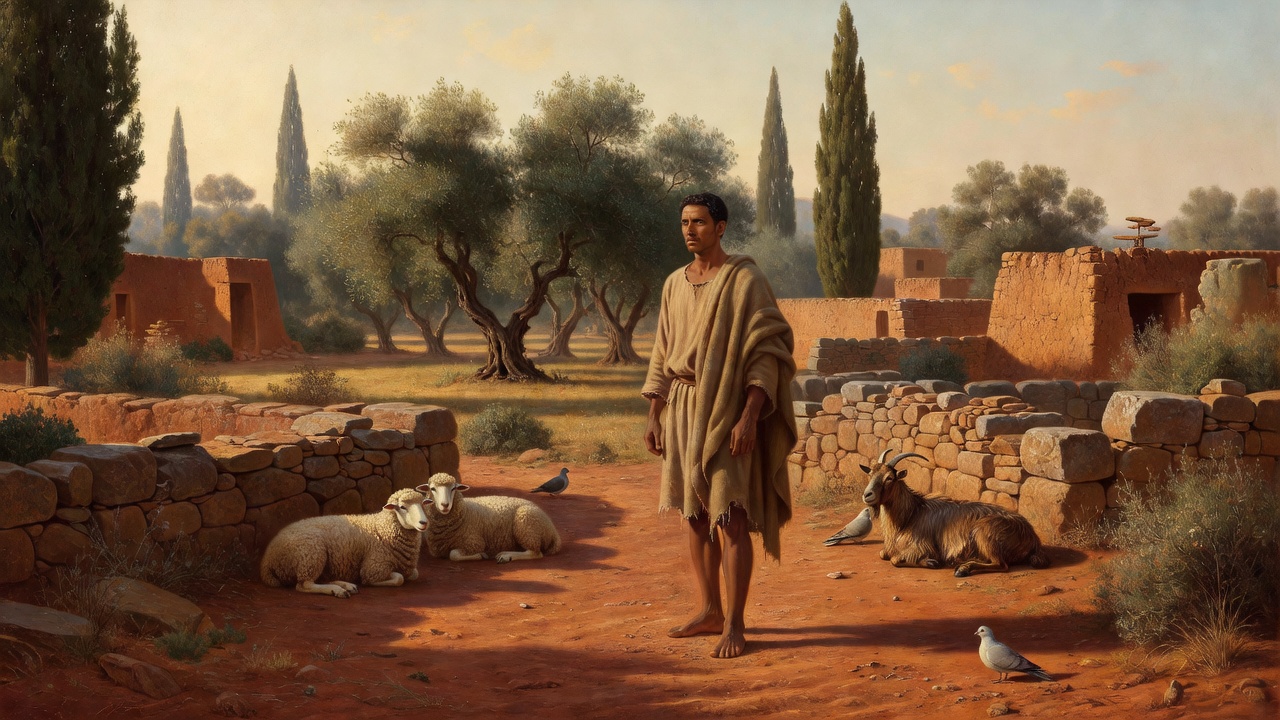
Did you know?
Adam, Christ, and the Reign of Grace
- The one man through whom Romans 5 says sin entered the world, and death through sin, is Adam. A reference note calls Adam a Babylonian word meaning red, the general name for a human being in Hebrew and Assyrian, and links it to his being formed from the dust of the earth. The account of his creation and fall is given in the first book of Moses.Sources: Adam · the Bible text itself
- Romans 5 says death reigned from Adam until Moses, even over those who did not sin in the way Adam transgressed. It adds that sin was already in the world before the law was given, yet sin is not taken into account when there is no law. Adam is called a pattern of the one who was to come.Sources: the Bible text itself
- The chapter sets that one trespass beside the gift that came by the grace of Jesus Christ. Judgment after a single sin brought condemnation, while the gift after many trespasses brought justification. The law, it says, came in so that the trespass would increase, yet where sin increased, grace increased all the more.Sources: the Bible text itself
Notes written with AI assistance from open sources (Theographic Bible Metadata, CC BY-SA 4.0; Easton’s Bible Dictionary, public domain) and reviewed before publishing.
Credits and license for this translation
Dios ã jáap naáwát tólih
New Testament in Cacua
copyright © 2008 Wycliffe Bible Translators, Inc.
Language: Cacua
Translation by: Wycliffe Bible Translators, Inc.
Copyright Information
© 2008, Wycliffe Bible Translators, Inc. All rights reserved.
This translation text is made available to you under the
terms of the Creative Commons License: Attribution-Noncommercial-No Derivative Works.
( http://creativecommons.org/licenses/by-nc-nd/3.0/ )
In addition, you have permission to port the text to different file formats, as long as you
do not change any of the text or punctuation of the Bible.
You may share, copy, distribute, transmit, and extract portions
or quotations from this work, provided that you include the above copyright
information:
You must give Attribution to the work.
You do not sell this work for a profit.
You do not make any derivative works that change any of the actual words or punctuation of the Scriptures.
Permissions beyond the scope of this license may be
available if you contact
us with your request.
The New Testament
in Cacua
© 2008, Wycliffe Bible Translators, Inc. All rights reserved.
This translation is made available to you under the terms of the
Creative Commons Attribution-Noncommercial-No Derivatives license 4.0.
You may share and redistribute this Bible translation or extracts from it in any format, provided that:
You include the above copyright and source information.
You do not sell this work for a profit.
You do not change any of the words or punctuation of the Scriptures.
Pictures included with Scriptures and other documents on this site are licensed just for use with those Scriptures and documents.
For other uses, please contact the respective copyright owners.
2014-08-06
Source: http://ebible.org/cbv/ · eBible.org