Matthew 8
Dios ã jáap naáwát tólih · Tap a verse to see its cross-references.
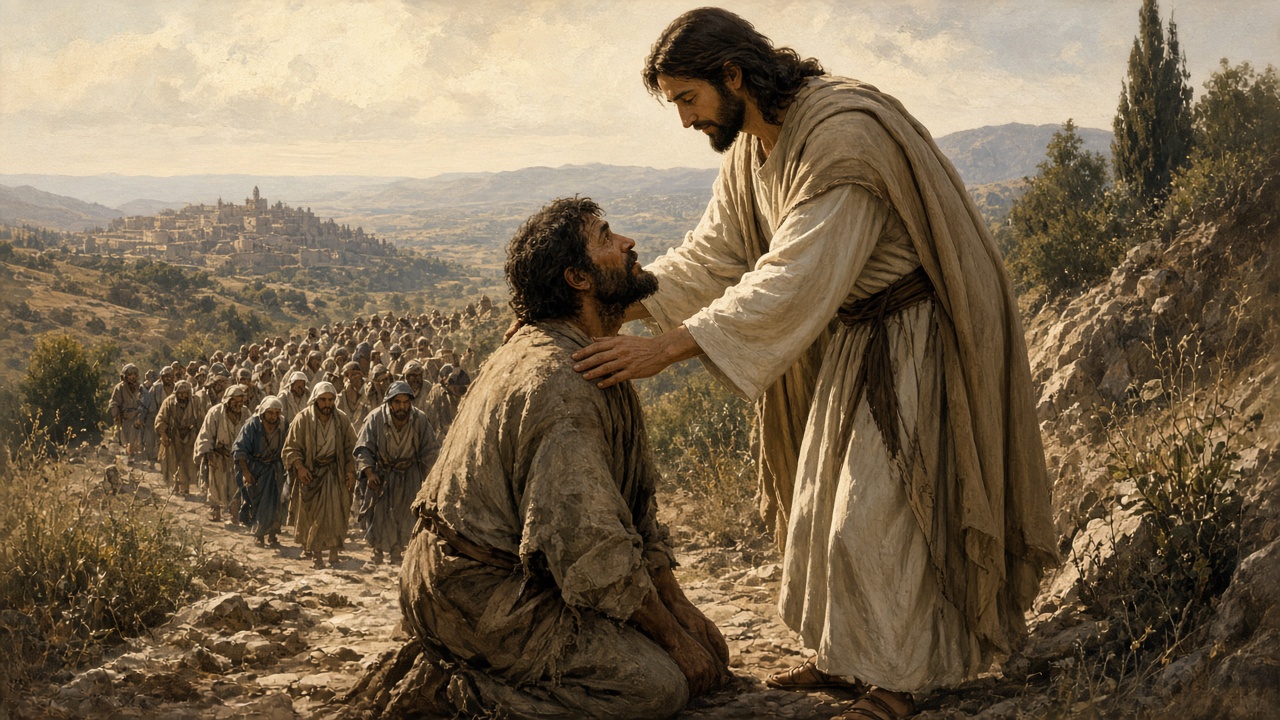
Bácah moópnidih ã booaat
1Páant niíj naóh bohé péanit, Jesús jeé ñaj yacapboó chʉ́ʉdniji ã bohénitdih ãt nʉmah dei bejep wʉt jĩ. Ã dei bejechah ennit, dawá ãjeéh ĩt pée bejep wʉt jĩ. 2Páant ĩ bejechah, bácah moópni jwãáhnit, bódicha caj yoh ñajnit, nin pah ãt niijíp wʉt jĩ:
—Maá, ma booaíhna, weemdíh ma jéih booana caá, Jesúsdih ãt niijíp wʉt jĩ.
3—¡Jʉ́ʉ! Wẽinit meemdíh wã booana caá, caandíh teo jã́hanit, ãt niijíp wʉt jĩ.
Páant Jesús ã niijíchahjeh, ã moopát ãt ñʉʉmáh bejep wʉt jĩ.
4—Meemdíh wã booaatjidih bitadih ma naóhca bojoó. Pánih naóhcan, sacerdotedihjeh naáwádih ma bejeé. Caanná jʉibínit, míih bácah ã ñʉʉmátjidih ma jʉ́ʉtʉ́. Moisés ã wʉtatji pah sacerdotewã ĩ cáo wʉ̃hat pínah niijná, chéne jopwãdih ma wʉ̃hʉʉ́, Dios meemdíh ã booaatjidih ĩ jéihyat pínah niijná. Tʉ́ttimah, ma déewãjeéh ma jwʉ́ʉb jʉmʉchah, ã tʉ́ibipna caá, Jesús caandíh ãt wẽp niijíp wʉt jĩ.
Soldadowã ĩ maáhdih teo wʉ̃hnidih Jesús ã booaat
5Tʉ́ttimah, Jesús Capernaum tʉ́tchina ã jʉibínachah, Romano cien soldadowã ĩ maáh ã pebh jʉibínit, nin pah caandíh ãt niijíp wʉt jĩ:
6—Maá, weemdíh ma teo wáacá. Weemdíh teo wʉ̃hni bʉ́dí wʉnna, wĩ́ih mʉʉ́boó ã lajna caá. Ã́ih bácah jwioní ã jʉmʉchah, bʉ́dí tʉbanit, ã jéih bejcan caá, Jesúsdih ãt niijíp wʉt jĩ.
7—Caandíh booanadih wã bejmi caá, Jesús caandíh ãt niíj jepahap wʉt jĩ.
8—Obohjeéhtih, Maá, wĩ́ih mʉʉná ma bejcah, ã tʉ́imi nacaá. Weem cháh wẽpni ma jʉmʉchah, ‘Wĩ́ih mʉʉdíh ma waád jʉ̃ʉ́wʉ́’, niijní dée nihcan caá. Ma naáwáchahjeh, weemdíh teo wʉ̃hni ã boobipna caá. Wã chah jʉmnit bita maáta weemdíh ĩ wʉtna caá. Weembʉ́t soldadowãdih wʉtni caá. Biícdih ‘Ma bejeé’, wã niijíchah, ãpĩ́ bejna caá. Biíhdih ‘Ma jʉ̃ʉ́wʉ́’, wã niijíchah, ãpĩ́ jʉ̃óhna caá. ‘Nindih ma chãjaá’, wã niijíchah, páant ã chãjna caá. Weém wʉtni jʉmna, meembʉ́t wʉtni ma jʉmatdih wã jéihna caá. Ma wʉtat pahjeh weemdíh teo wʉ̃hni ã boobipna caá, soldadowã ĩ maáh Jesúsdih ãt niijíp wʉt jĩ.
10Páant ã niijíchah joí wẽinit, Jesús ãjeéh péenitdih nin pah ãt niijíp wʉt jĩ:
—Yoobópdih yeebdíh wã naóhna caá. Nin soldadowã ĩ maáh judío nihcan yʉhna, Diosdih ã tʉ́i jenah joiná caá. Caandíh teo wʉ̃hnidih wã booaat pínahdih ãt jéihyep taga. Weemdíh caán ã tʉ́i jenah joyát pah, ded judío biíc yoobó jenah joinídih wã en jwʉhcan caá. 11Yeebdíh wã naóhna caá. Péeni láa bita judíowã nihcannit, nihat baácdih moón Diosdih tʉ́i jenah joinít, jeáboó Dios ã maáh jʉmʉpna dawá ĩ jʉibíbipna caá. Caanná jʉmnit, Abraham, Isaac, Jacob biícdih ĩ jeémpbipna caá. 12Obohjeéhtih, judíowã Dios ã maáh jʉmʉpna bejnit déejidih, yeejép dʉpʉ́napboó ã wahbipna caá. Caanná ã wahnitboó bʉ́dí jĩ́gahnit, ĩ́ih maodíh ĩ néeh chãác jʉ̃ibípna caá, Jesús ãt niijíp wʉt jĩ.
13Páant queétdih niíj péanit, soldadowã ĩ maáhdih nin pah ãt jwʉ́ʉb niijíp wʉt jĩ:
—Míih mʉʉná ma jwʉ́ʉb bejeé. Meemdíh teo wʉ̃hni booni ã jʉmna caá. ‘Jesús caandíh ã booabipna caá’, ma niíj jenah joyát pahjeh ã yapna caá, Jesús caandíh ãt niijíp wʉt jĩ.
Páant ã niijíchahjeh, ã́ih mʉʉ́boó jʉmni caandíh teo wʉ̃hni ãt boonap wʉt jĩ.
Pedro chʉdhdih Jesús ã booaat
14Páant niíj péanit, Jesús ã bohénitdih ãt jwʉ́ʉb nʉmah bejep wʉt jĩ, páant mʉntih. Pánih bejna, Pedroíh mʉʉná jʉibínit, ĩt waad béjep wʉt jĩ. Pánih waad béjnit, Pedro chʉdh bʉ́dí pahat wʉnna, mi ñajat chóoboó mi ñajachah, Jesús ãt enep wʉt jĩ. 15Pánih ennit, miíh téihyadih ã teo jã́hanachahjeh, pahat ãt dʉ́ʉcah bejep wʉt jĩ. Páant ã dʉ́ʉcʉchah joinít, caántboó ñah ñʉhnit, Jesúsdih jeémát mit wʉ̃hʉp wʉt jĩ.
Dawá wʉnnitdih Jesús ã booaat
16Tõo ñáh jʉ̃ʉ́wʉ́chah, dawá nemép caolih jʉmnitdih ĩ chéenwã Jesús ã jʉmni mʉʉ́ jóocmant ĩt ʉb jʉibínap wʉt jĩ. Páant ĩ ʉb jʉibínachah ennit, Jesúswã ĩt bac bejep wʉt jĩ. Pánih bac bejnit, Jesúsboó nemépwãdih ã bac bejat tʉ́ʉtʉchahjeh, cã́acwãíh bácahmant ĩt bac bejep wʉt jĩ. Bita tʉbʉ́p chʉ̃ʉ́hnitdihbʉt Jesús ãt booa beedánap wʉt jĩ. 17Páant ã chãjachah, Dios naáwátdih naóh yapani Isaías ã niijátji pah ãt yapap wʉt jĩ. “Jwĩ tʉbʉ́p chʉ̃ʉ́átdih, jwĩ wʉnatdihbʉt jĩ́gah ennit, ãt booanap taga”, Isaías ãt niíj daacáp tajĩ.
Biquína Jesúsdih ĩ péeíhat
18Dawá Jesús pebh ĩ jʉí ñʉhʉchah ennit, Jesús ã bohénitdih nin pah ãt niijíp wʉt jĩ:
—Chóbe conanaáboó jwĩ chʉ́ʉh bejjĩh, ãt niijíp wʉt jĩ.
19Páant niijnít, jẽ́litna ĩ dei bejechah, Moisés ã wʉtatjidih bohéni Jesúsdih jwãáhnit, nin pah ãt niijíp wʉt jĩ:
—Bohéní, deyoób ma bejechah, weembʉ́t majeéh wã bejmi caá, ãt niijíp wʉt jĩ.
20—Jia mʉjjiowã́ ĩ́ih mʉʉ́ pínah íitnadih ĩ bíbohna caá. Jwébehwãbʉt ĩ́ih yécanadih ĩ bíbohna caá. Obohjeéhtih, weémboó nihat cã́acwã ʉ́ʉd jeñé, wĩ́ih mʉʉjéh pohba wã bíbohcan caá. Pánihna, wãjeéh ma jʉ̃ʉ́wʉ́chah, bʉ́dí bʉwat meemdíhbʉt ã jʉmbipna caá, Jesús caandíh ãt niíj jepahap wʉt jĩ.
21Páant ã niijíchah joinít, biíh jwʉh nin pah ãt niijíp wʉt jĩ:
—Maá, majeéh weembʉ́t wã bejmi caá. Obohjeéhtih, wã bejat pínah jã́tih wã íip ã wʉnʉchah, ã́ih bácahdih wã yohat pínah niijná, ‘Ma chão jwʉ́hʉʉ́’, weemdíh ma niijí. Ã wʉnʉchah yoh péanit, majeéh wã bejbipna caá, ãt niijíp wʉt jĩ.
22—Weemdíh náahcannit wʉnnit panihnit jʉmna, queétboó wʉnnitdih ĩ yoho naáh. Obohjeéhtih, meémboó wãjeéh jʉmni pínah bʉʉ ma jʉ̃ʉ́wʉ́, Jesús caandíh ãt niijíp wʉt yʉh jĩ.
Bʉ́dí johlit nolihatdihbʉt ã yayáát
23Páant niíj péanit, jẽ́litboó dei jʉibínit, bʉ́dí jãáj chóodih ã bohénitdih ãt nʉmah waadáp wʉt jĩ. 24Íimdih ĩ chʉ́ʉh bejechah, Jesúsboó ãt ʉ̃wah bejep wʉt jĩ. Pánihna, íim tac yoób ĩ bʉʉg lájachah pohba, Jesús ã ʉ̃wat pónih, bʉ́dí johlit ãt jʉ̃ʉ́wʉ́p wʉt jĩ. Páant bʉ́dí nolihat ã jʉmʉchah, ĩt daábíhip wʉt jĩ.
25—¡Maá, jwiítdih ma teo wáacá! ¡Daabná caá jwĩ chãjap! ĩt niíj wʉcʉp wʉt jĩ.
26Páant ĩ niíj wʉcʉchah, jáanit, Jesús queétdih nin pah ãt niijíp wʉt jĩ:
—¿Dépanih tigaá bʉ́dí ñi ʉ́ʉm? Weemdíh tʉ́i jenah joiná, ñita ʉ́ʉmcan tagaá, ãt niijíp wʉt jĩ.
Páant niijnít, ñah ñʉhnit, johlit, nolihatdihbʉt jʉ̃ihnit, “Ma yayaá”, ãt niijíp wʉt jĩ. Páant ã niijíchahjeh, johlit nolihatbʉt biícmantjeh ãt yayáh bejep wʉt jĩ. 27Páant ã yapachah, en wʉ́hi bejnit, queétjeh nin pah ĩt míic niijíp wʉt jĩ:
—¿Dedé cã́ac tigaá nin? Ã naáwáchahjeh, johlit, nolihatbʉt ã yayáh bejna caá, ĩt niijíp wʉt jĩ.
Gadara baácdih moón nemép caolih jʉmnitdih Jesús ã booaat
28Páant ã yapat tʉ́ttimah, Gadara baácna ĩt chʉ́ʉh jʉibínap wʉt jĩ. Caanná ĩ chʉ́ʉh jʉibínachah, chéne neoná cã́ac yohopmant Jesúsdih ĩt jwãáh dei jʉ̃ʉ́wʉ́p wʉt jĩ. Queét nemép caolih jʉmnit, tʉbit tac behnit ĩ jʉmʉchah, caanná cã́acwã ĩpĩ́ bejcap wʉt jĩ. 29Pánihna, Jesúsdih jwãáh dei jʉibínit, nin pah ĩt niíj ñaacáp wʉt jĩ:
—¿Meém Dios wʉ̃ʉ́h, dépanih chãjadih jʉ̃óh tigaá ma chãj? ¿Dios ã peéh chãjat pínah ã jʉdh jwʉhʉchah yʉhna, jã́tih jwiítdih peéh chãjadih jʉ̃óhnit beé ma chãjap? ĩt niijíp wʉt jĩ.
30Yʉʉ́pbit dawá momo mʉʉwã bid jeémpna ĩt chãjap wʉt jĩ. 31Pánihna, queétdih ennit, nemépwã nin pah Jesúsdih ĩt niijíp wʉt jĩ:
—Jwiítdih bacat tʉ́ʉtna, cot mʉʉwãdih ma waadát tʉ́ʉtʉ́, ĩt niijíp wʉt jĩ.
32—Jʉ́ʉ, caán láa bácah ñi bejeé, Jesús queétdih ãt niijíp wʉt jĩ.
Páant ã niijíchahjeh, queét cã́acwãíh bácahmant bacnit, mʉʉwãdih nemépwã ĩt waadáp wʉt jĩ. Páant ĩ waadáchah, wẽpép ñáo dei bej, íimna bʉʉ́g báah bejnit, mʉʉwã ĩt chĩíc wʉn beedáh bejep wʉt jĩ.
33Páant ĩ yapachah enna, bʉ́dí ʉ́ʉmnit, queét mʉʉwãjidih en daonítboó ĩ́ih tʉ́tchina ĩt ñáo jweí jwʉ́ʉb bejep wʉt jĩ. Pánih ñáo jwʉ́ʉb jʉibínit, mʉʉwã ded pah ĩ yapatjidih, nemép caolih jʉmnitdihbʉt ded pah Jesús ã booaatjidih ĩt naóh peetép wʉt jĩ. 34Páant ĩ naáwáchah joinít, nihat caán tʉ́tchidih moón Jesúsdih enedih ĩt bejep wʉt jĩ. Pánih jʉibínit, caandíh náahcan, ĩ́ih baácmant Jesúswãdih ĩt jwʉ́ʉb bejat tʉ́ʉtʉp wʉt jĩ.
Did you know?
Healings, faith, and the sea
- Capernaum, which Jesus enters in this chapter, was a Galilean city not named in the Old Testament. Easton's Bible Dictionary (1897) says it became his “own city” after he left Nazareth, and it lists the centurion’s appeal and the healing at Peter’s house among the events set there.Sources: Capernaum · the Bible text itself
- Jesus says that many will come from east and west to share the banquet with Abraham, Isaac, and Jacob in the kingdom of heaven. Easton's Bible Dictionary (1897) calls Abraham the son of Terah and heir of the promises, Isaac Abraham’s only son by Sarah, and Jacob—also known as Israel—the younger twin son of Isaac and Rebekah.Sources: the Bible text itself · Abraham · Isaac · Jacob (Israel)
- Matthew presents that evening’s healings as fulfilling words spoken through the prophet Isaiah: “He took on our infirmities and carried our diseases.” Easton's Bible Dictionary (1897) identifies Isaiah as the son of Amoz, who prophesied in the reigns of Uzziah, Jotham, Ahaz, and Hezekiah.Sources: the Bible text itself · Isaiah
Notes written with AI assistance from open sources (Theographic Bible Metadata, CC BY-SA 4.0; Easton’s Bible Dictionary, public domain) and reviewed before publishing.
Places in this chapter
- Gadara · Today: Umm Qais · 32.656, 35.679 · verse 28
Only places identified with high confidence are shown (90% or more according to the scholarly sources compiled by OpenBible). Period map: DARE (Digital Atlas of the Roman Empire), CC BY 4.0; modern map: © OpenStreetMap contributors; places: OpenBible.info (CC BY 4.0).
Credits and license for this translation
Dios ã jáap naáwát tólih
New Testament in Cacua
copyright © 2008 Wycliffe Bible Translators, Inc.
Language: Cacua
Translation by: Wycliffe Bible Translators, Inc.
Copyright Information
© 2008, Wycliffe Bible Translators, Inc. All rights reserved.
This translation text is made available to you under the
terms of the Creative Commons License: Attribution-Noncommercial-No Derivative Works.
( http://creativecommons.org/licenses/by-nc-nd/3.0/ )
In addition, you have permission to port the text to different file formats, as long as you
do not change any of the text or punctuation of the Bible.
You may share, copy, distribute, transmit, and extract portions
or quotations from this work, provided that you include the above copyright
information:
You must give Attribution to the work.
You do not sell this work for a profit.
You do not make any derivative works that change any of the actual words or punctuation of the Scriptures.
Permissions beyond the scope of this license may be
available if you contact
us with your request.
The New Testament
in Cacua
© 2008, Wycliffe Bible Translators, Inc. All rights reserved.
This translation is made available to you under the terms of the
Creative Commons Attribution-Noncommercial-No Derivatives license 4.0.
You may share and redistribute this Bible translation or extracts from it in any format, provided that:
You include the above copyright and source information.
You do not sell this work for a profit.
You do not change any of the words or punctuation of the Scriptures.
Pictures included with Scriptures and other documents on this site are licensed just for use with those Scriptures and documents.
For other uses, please contact the respective copyright owners.
2014-08-06
Source: http://ebible.org/cbv/ · eBible.org