Matthew 2
Dios ã jáap naáwát tólih · Tap a verse to see its cross-references.
Yeó aáb jʉ̃ʉ́wʉ́pmant moón Jesúsdih enedih ĩ jʉyát
1Herodes Judea baácdih moón ĩ maáh jʉm láa, caán baácdih jʉmni Belén tʉ́tchidih Jesús ãt cã́ac jʉmʉp wʉt jĩ. Ã cã́ac jʉmat tʉ́ttimah, cʉ́iwãdih bohénit yeó aáb jʉ̃ʉ́wʉ́pmant moón jʉ̃óhnit, Jerusalén tʉ́tchina ĩt jʉyʉ́p wʉt jĩ. 2Pánih jʉinít, caanjĩ́h moondíh nin pah ĩt niíj ʉʉ́bh joyóp wʉt jĩ:
—¿Judíowã ĩ chah maáh pínah dedjĩh tigaá ã cã́ac jʉmat? Yeó aáb jʉ̃ʉ́wʉ́pmant jʉmna, chah iigní cʉ́i ã jáap jígohochah enna, ‘Maáh ã cã́ac jʉmna caá’, jwĩ niíj jéihyep jĩ. Páant ã jígohochah enna, caandíh weñedih jʉ̃óhna caá jwĩ chãjap, cʉ́iwãdih bohénit ĩt niijíp wʉt jĩ.
3Páant, ĩ ʉʉ́bh joyát doonádih joinít, Herodesboó bʉ́dí ãt jenah joyóp wʉt jĩ. Nihat Jerusalén tʉ́tchidih moonbʉ́t biíc yoobó bʉ́dí ĩt jenah joyóp wʉt jĩ. 4Pánihna, Herodesboó sacerdotewã ĩ maáta, Moisés ã wʉtatjidih bohénitdihbʉt ãt bid wáacap wʉt jĩ. Páant ĩ míic wáac jʉí beedéchah ennit, queétdih nin pah ãt niíj ʉʉ́bh joyóp wʉt jĩ:
—¿Dedboo tígaá Cristo ã cã́ac jʉmat pínahdih Dios naáwátdih naóh yapanit ĩt niíj daác jĩ? ãt niijíp wʉt jĩ.
5—Judea baácboó jʉmni Belén tʉ́tchidih Cristo ã cã́ac jʉmbipna caá. Nin pah Dios naáwátdih naóh yapani ãt niíj daacáp tajĩ:
6‘Judea baácboó jʉmni Belén tʉ́tchimant judíowãdih wʉtni pínah ã jʉ̃óhbipna caá. Caán queétdih tʉ́i en daoní ã jʉmbipna caá. Pánihna, Belénboó ã cã́ac jʉmni pínah tʉ́tchi ã jʉmʉchah, oboh jʉmni tʉ́tchi nihcan caá’, ãt niíj daacáp tajĩ, (Mi 5.2)
Herodesdih ĩt niijíp wʉt jĩ.
7Páant ĩ niiját tʉ́ttimah, cã́ac wihcah, yeó aáb jʉ̃ʉ́wʉ́pmant moondíh Herodes ãt jwʉ́ʉb bid bojop wʉt jĩ. Ã pebh ĩ jʉibínachah ennit, débólih caán cʉ́i ã jwíih jígohatjidih queétdih ãt ʉʉ́bh joyóp wʉt jĩ. Páant ã ʉʉ́bh joyóchah, caán cʉ́idih ĩ jwíih enatjidih ĩt naáwáp wʉt jĩ. 8Páant ĩ naáwát tʉ́ttimah, Belén tʉ́tchina wahna, Herodes queétdih nin pah ãt niijíp wʉt jĩ:
—Caandíh ñi tʉ́i bidbi jwʉhʉʉ́. Bid jʉinít, weemdíh naáwádih ñi jwʉ́ʉb jʉ̃ʉ́wʉ́, weembʉ́t caandíh weñedih wã bejat pínah niijná, ãt niijíp wʉt yʉh jĩ.
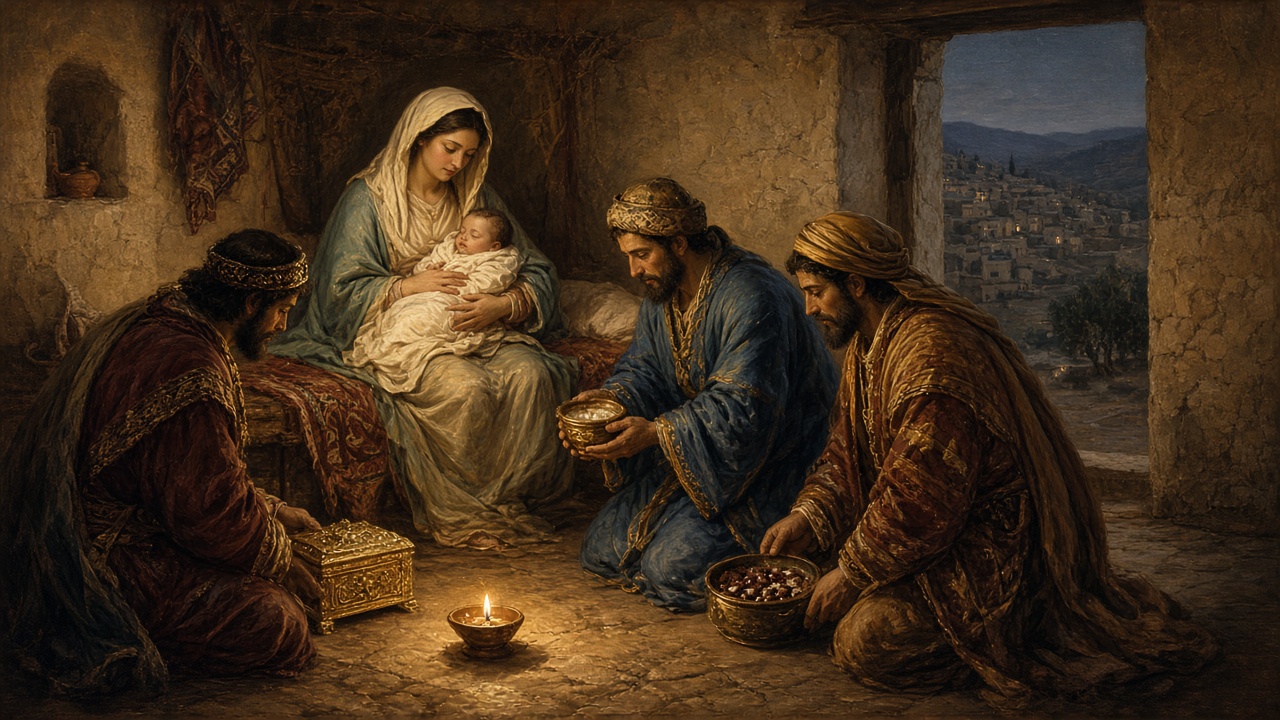
9Páant ã niijíchah joinít, queét ĩt bejep wʉt jĩ. Páant ĩ bejechah, yeó aáb jʉ̃ʉ́wʉ́pmant ĩ jwíih enni cʉ́ijeh mʉntih queétdih ãt jwʉ́ʉb waáwáp wʉt jĩ. Pánihna, wébít ã jʉmni mʉʉ cháh pohba caán cʉ́i ãt chãwáp wʉt jĩ. 10Páant ã chãwáchah ennit, bʉ́dí ĩt weñep wʉt jĩ. 11Pánihna, wébít ã jʉmni mʉʉdíh waád jʉibínit, caandíh beh wili biícdih ĩt enep wʉt jĩ. Pánih ennit, wébítdih wẽina, bódicha ĩt caj yoh ñajap wʉt jĩ. Pánih wẽi péanit, ĩ ʉb jʉ̃óhni paihnadih wãtnit, bʉ́dí jíib jʉmni oro, tʉ́i chej jʉmni cáwat pínah, mirra wʉ̃t jʉmni chej jʉmnidihbʉt caandíh ĩt wʉ̃hʉp wʉt jĩ. 12Caandíh wʉ̃h péanit, ʉ̃wʉdih ĩt bejep wʉt jĩ. Pánih ʉ̃onit, ĩ oo jʉ́mʉchah, Dios queétdih nin pah ãt niíj naáwáp wʉt jĩ: “Herodes pebhboó ñi jwʉ́ʉb bejca bojoó”, ãt niijíp wʉt jĩ. Páant ã niijíchah joinítji jáanit, ĩ́ih baácna jwʉ́ʉb bejna, biíh namáboó ĩt bejep wʉt jĩ.
Joséwã Jesúsdih Egipto baácboó ĩ nʉmah jwei béjat
13Páant ĩ jwʉ́ʉb bejat tʉ́ttimah, José jwʉh ã jwʉ́ʉb oo jʉ́mʉchah, Dioíh ángel caandíhbʉt nin pah ãt niíj naáwáp wʉt jĩ: “Ma jáa bojoó. Bainídih ĩ mawat pínah niijná, Herodes ã́ih soldadowãdih wahna caá ã chãjap. Pánihna, bainídih, ã íindihbʉt Egipto baácboó waícanjeh ma nʉmah jwei béjeé. Caanná wã niiját pah bóo ñi jʉm jwʉhʉʉ́”, ángel Josédih ãt niijíp wʉt jĩ.
14Páant ã niijíchah joinít, cheijeh jáanit, Egipto baácna bainídih ã íin biícdih José ãt nʉmah jwei béjep wʉt jĩ. 15Caán Egipto baácna jʉibínit, Herodes ã báadh jwʉhat pah bóo caánboó ĩt jʉm jwʉhʉp wʉt jĩ. Páant Jesús ã yapachah, Dios naáwátdih naóh yapani nin ã daacátji pah ãt yapap wʉt jĩ: “ ‘Egipto baácboó jʉmni wã wʉ̃ʉ́hdih wã bid bojbipna caá’, Dios ã niijíp be”, ãt niíj daacáp tajĩ.
Herodes neoná weépdih ã mawat tʉ́ʉtat
16Cʉ́iwãdih bohénit biíh namáboó ĩ jwʉ́ʉb bejat doonádih joinít, Herodesboó bʉ́dí ãt íijip wʉt jĩ. Pánih íijnit, Belén tʉ́tchidih moón neoná weépdih, caán tʉ́tchi jwẽ́ejdih moondíhbʉt ãt mawat tʉ́ʉtʉp wʉt jĩ. Cʉ́iwãdih bohénit débólih caán cʉ́i ã jwíih jígohatjidih ĩ naáwáchah joiníji Herodes ã mawíhniboó chéne jópchi dée ã bíbohatdih ãt jéihyep wʉt jĩ. Pánih jéihna, chéne jópchi nʉmp bíbohnit nihat neoná weépdih ãt mao yohat tʉ́ʉtʉp wʉt jĩ. 17Páant ã mawat tʉ́ʉtʉchah, Dios naáwátdih naóh yapani Jeremías ã daacátji pah ãt yapap wʉt jĩ.
18“Ramá wʉ̃t jʉmni tʉ́tchidih moón bʉ́dí ñaacátdih ĩ joiná caá. Bʉ́dí jĩ́gahnit, ĩ ñaác jʉñát bʉ́dí ã yáana caá. Raquel mi jʉimená yaádh, judíowã ĩ weha mána yaádh, ĩ wehdih ĩ mao yohochah ennit, bʉ́dí ĩ ñaác jʉ̃iná caá. Ĩ weh ĩ wihcatdih enna, ĩ jĩ́gahat ã yaicán niít”, ãt niíj daacáp tajĩ. (Jer 31.15)
Joséwã Egipto baácmant ĩ jwʉ́ʉb jʉ̃ʉ́wát
19Herodes ã wʉnat tʉ́ttimah, Joséwã Egipto baácboó páantjeh ĩt jʉm jwʉhʉp wʉt jĩ. Pánih jʉmnit, biíc chei José ã oo jʉ́mʉchah, Dioíh ángel caandíh jígohnit, nin pah ãt jwʉ́ʉb niíj naáwáp wʉt jĩ: 20“Wébítdih mawíhnitji maátaboó ĩ wʉn beedáh bejep be. Pánihna, caandíh ã íinjĩh Israel baácboó ma nʉmah jwʉ́ʉb bejeé, páant mʉntih”, ãt niijíp wʉt jĩ.
21Páant ã niiját tʉ́ttimah, jáanit, wébítdih ã íin biícdih Israel baácboó ãt nʉmah jwʉ́ʉb bejep wʉt yʉh jĩ. 22Obohjeéhtih, Herodes ã bʉʉdát tʉ́ttimah, ã wʉ̃ʉ́h Arquelaoboó Judea baácdih moondíh ãt jwʉ́ʉb tʉ́ʉt nʉʉ́m maáh waadáp wʉt jĩ. Páant ã jʉmat doonádih joinít, José caanná ã jwʉ́ʉb bejat pínahdih ãt ʉ́ʉm jenah joyóp wʉt jĩ. Pánih ʉ́ʉm jenah joinít, ã jwʉ́ʉb oo jʉ́mʉchah, Dios caandíh Judea baácboó ãt chãwát tʉ́ʉtcap wʉt jĩ. Páant ã chãwát tʉ́ʉtcah joinít, Judea baácdih yap bejnit, pʉ́ʉ́ Galilea baácna ĩt jʉibínap wʉt jĩ. 23Pánihna, caanná jʉibínitji, Nazaret wʉ̃t jʉmni tʉ́tchiboó ĩt jʉmʉp wʉt jĩ. Caanná ĩ jʉmʉchah, Dios naáwátdih naóh yapanit ĩ daacátji pah Jesús ãt jʉmʉp wʉt jĩ. “ ‘Nazaret tʉ́tchidih bóo caá’, cã́acwã Dios ã wahnidih ĩ niijbípna caá”, ĩt niíj daacáp tajĩ.
Did you know?
Magi, Herod, and Nazareth
- The King Herod of this chapter is Herod the Great. His son Archelaus, by Malthace, a Samaritan woman, inherited a third of the kingdom: Idumea, Judea, and Samaria. Until a few days before Herod's death another son, Antipas, had been named successor, but in his last moments Herod named Archelaus; for fear of him, Joseph turned aside from Judea and withdrew to Galilee.Sources: Archelaus · the Bible text itself
- Matthew links the deaths of the boys in Bethlehem to words spoken through the prophet Jeremiah: a voice in Ramah, Rachel weeping for her children. Rachel, one of Jacob's wives, died giving birth to Benjamin and was buried by the wayside on the road to Ephrath, that is Bethlehem, directly north of the town. Her sepulchre is regarded with great veneration by the Jews.Sources: the Bible text itself · Rachel · Bethlehem
- Bethlehem, in the hill country of Judah, was earlier called Ephrath and was also known as the city of David; under the Romans it lay in Judea, the southernmost of the three divisions of Palestine. Joseph and Mary went instead to Nazareth in Galilee, their home, a town not mentioned in the Old Testament. The name Nazareth is generally supposed to come from the Hebrew netser, a shoot or sprout, though some connect it with a word for guarding or watching.Sources: Bethlehem · Judea · Nazareth · the Bible text itself
Notes written with AI assistance from open sources (Theographic Bible Metadata, CC BY-SA 4.0; Easton’s Bible Dictionary, public domain) and reviewed before publishing.
Places in this chapter
- Bethlehem · 31.704, 35.208 · verses 1, 5, 6, 8, 9, 16
- East · Today: region around Amman · 31.955, 35.934 · verses 1, 2, 9
- Jerusalem · 31.777, 35.234 · verses 1, 3
- Judea · Today: Judea 1 · 31.777, 35.234 · verses 1, 5, 22
- Egypt · 30.129, 31.308 · verses 13, 14, 15, 19
- Galilee · 32.760, 35.527 · verse 22
- Nazareth · 32.702, 35.298 · verse 23
Only places identified with high confidence are shown (90% or more according to the scholarly sources compiled by OpenBible). Period map: DARE (Digital Atlas of the Roman Empire), CC BY 4.0; modern map: © OpenStreetMap contributors; places: OpenBible.info (CC BY 4.0).
Credits and license for this translation
Dios ã jáap naáwát tólih
New Testament in Cacua
copyright © 2008 Wycliffe Bible Translators, Inc.
Language: Cacua
Translation by: Wycliffe Bible Translators, Inc.
Copyright Information
© 2008, Wycliffe Bible Translators, Inc. All rights reserved.
This translation text is made available to you under the
terms of the Creative Commons License: Attribution-Noncommercial-No Derivative Works.
( http://creativecommons.org/licenses/by-nc-nd/3.0/ )
In addition, you have permission to port the text to different file formats, as long as you
do not change any of the text or punctuation of the Bible.
You may share, copy, distribute, transmit, and extract portions
or quotations from this work, provided that you include the above copyright
information:
You must give Attribution to the work.
You do not sell this work for a profit.
You do not make any derivative works that change any of the actual words or punctuation of the Scriptures.
Permissions beyond the scope of this license may be
available if you contact
us with your request.
The New Testament
in Cacua
© 2008, Wycliffe Bible Translators, Inc. All rights reserved.
This translation is made available to you under the terms of the
Creative Commons Attribution-Noncommercial-No Derivatives license 4.0.
You may share and redistribute this Bible translation or extracts from it in any format, provided that:
You include the above copyright and source information.
You do not sell this work for a profit.
You do not change any of the words or punctuation of the Scriptures.
Pictures included with Scriptures and other documents on this site are licensed just for use with those Scriptures and documents.
For other uses, please contact the respective copyright owners.
2014-08-06
Source: http://ebible.org/cbv/ · eBible.org