Luke 3
Dios ã jáap naáwát tólih · Tap a verse to see its cross-references.
Juan Daabáni mʉʉ́ wihcapboó Dios naáwátdih ã naóh yapaat
1Tʉ́ttimah, Zacarías wʉ̃ʉ́h Juan behna, mʉʉ́ wihcapboó ã jʉmʉchah, Dios caandíh ãt jwíih naáwát tʉ́ʉtʉp wʉt jĩ. Caán láa Roma tʉ́tchidih moón ĩ maáh Tiberio César quince jópchi maáh ãt jʉmʉp wʉt jĩ. Poncio Pilato Judea baácdih moón ĩ maáh ãt jʉmʉp wʉt jĩ. Herodes Galilea baácdih moón ĩ maáh ãt jʉmʉp wʉt jĩ. Ã ʉ́ʉd jeñé Felipe Iturea baácdih moón, Traconite baácdih moón biícdih ĩ maáh ãt jʉmʉp wʉt jĩ. Lisanias Abilinia baácdih moón ĩ maáh ãt jʉmʉp wʉt jĩ. Páant ĩ maáh jʉmʉchah, Anás Caifásbʉt sacerdotewã ĩ maáta ĩt jʉmʉp wʉt jĩ. 3Caán láa, Juan mʉʉ́ wihcapboó ã jʉmʉchah, Dios caandíh ãt naáwát tʉ́ʉtʉp wʉt jĩ. Pánihna, Dios ã naáwát tʉ́ʉtʉchah joinít, Juanboó Jordán mʉj pebh dei jʉibínit, ãt táoh naóh jibip wʉt jĩ. Nin pah ãpĩ́ niíj naóh bohénap wʉt jĩ: “Ñi yéej chãjatdih cádahnit, tʉ́iniboodíh ñi tʉ́ʉt nʉʉmʉ́. Páant ñi tʉ́ʉt nʉʉmʉ́chah, Dios ñi yéejatdih ã yohbipna caá. Páant ñi chãjachah, yeebdíh wã daabábipna caá, ñi yéejat yohat jʉ́ʉtat pínah niijná”, cã́acwãdih ãt niijíp wʉt jĩ.
4Jon jã́tih Dios naáwátdih naóh yapani Isaías, nin pah Juan ã chãjat pínahdih ãt niíj naóh daacáp wʉt jĩ.
“Dios naáwátdih naóh yapani mʉʉ́ wihcapboó jʉmni nin pah ã niíj ñaác bohébipna caá: ‘Jwĩ Maáh ã jʉ̃ʉ́wát pínah jã́tih ñi yéej chãjatdih cádah, tʉ́iniboodíh tʉ́ʉt nʉʉmnít, caandíh ñi tʉ́i páñaá.
5Det jĩ́gah náah jʉmnitdih ã teo wáacbipna caá. Obohjeéhtih, det “Weém nihat jéihni, dedé weemdíh jʉdhdat wihcan caá”, niíj jenah joinítdih ĩ wẽpatdih jwĩ Maáh ã dʉ́ʉc wáibipna caá. Det biáboó jenah joinít ĩ jenah joyátdih ã yoobábipna caá.
6Pánihna, nihat cã́acwã yoobópdih ĩ jenah joibípna caá, iiguípna ĩ bejatji déedih Dios ã tʉ́i ʉbatdih ĩ jéihyat pínah niijná’, ã niíj naóhbipna caá”, Isaías ãt niíj daacáp wʉt jĩ. (Is 40.3-5)
7Dawá cã́acwã Juan pebhna ĩt jʉibínap wʉt jĩ, queétdih Juan ã daabáát pínah niijná. Ã pebhna jʉibínitdih nin pah ãpĩ́ niíj naáwáp wʉt jĩ: “¡Yeéb yeena caá ñi chãjap! ¡Maiwã panihnit yeejépwã jʉmna, peéh chãjat pínahdih ʉ́ʉm jweííhnitjeh caá! Obohjeéhtih, yeéb ñi yéej chãjatdih ñi cádahíhcat jíib, Dios yeebdíh ã peéh chãjachah, ñi jéih jweicán niít. 8Ñi yéejatdih cádahnit, tʉ́iniboodíh tʉ́ʉt nʉʉmát caá yeebdíh náahap. ‘Abrahamjidih Dios ãt wẽi enep wʉt jĩ. Pánihna, ã jʉimená jwĩ jʉmʉchah, jwiítdihbʉt ã tʉ́i wẽi enna caá’, ñi niíj jenah joiná yʉh caá. Obohjeéhtih, pánihcan caá. Yeejép ñi chãjachah ennit, ã wẽican caá. Ñi joyoó. Dios náahna, Abrahamji ã jʉimená pah nin jee dáhnadih ã jéih tʉ́ʉt nʉʉmná caá. 9Wápchi mínah ã́ih wápchidih en dawát pah, yeebdíhbʉt Dios ã en daoná caá. Biquí nahna yeejép ã quehechah enna, tib yohnit, ã́ih náatnadihbʉt ã pʉd yohbipna caá. Pánih péanit, caan náhdih, ã́ih náatnadihbʉt ã cáo yohbipna caá. Páant ã chãjat pah mʉntih, yeejép ñi chãjachah enna, Dios yeebdíhbʉt iiguípna ã wahbipna caá”, Juan ãt niijíp wʉt jĩ.
10Páant ã niijíchah joinít, cã́acwã Juandih nin pah ĩt niíj ʉʉ́bh joyóp wʉt jĩ:
—¿Ded pah tigaá jwĩ tʉ́ʉt nʉʉmbí? ĩt niijíp wʉt jĩ.
11—Ded chéne yégueh chóo bíbohni yégueh wihcannidih ã wʉ̃hʉ naáh. Jeémát bíbohnibʉt jeémát wihcannidih ã wʉ̃hʉ naáh, queétdih ãt niíj jepahap wʉt jĩ.
12Romanowã maáta ĩ ʉʉ́bát tʉ́ʉtni dinerodih ʉʉ́bh wʉ̃hnitbʉt daabáát tʉ́ʉt niijná, Juan pebhna jʉibínit, nin pah ĩt niíj ʉʉ́bh joyóp wʉt jĩ:
—¿Bohéní, jwiítboó ded pah tigaá jwĩ tʉ́ʉt nʉʉmbí? ĩt niijíp wʉt jĩ.
13—Ñi maáta ĩ wʉtat pah bóojeh ñi ʉʉ́bʉ́p. Chah ñi ʉʉ́bátdih ñi cádahaá, queétdih ãt niijíp wʉt jĩ.
14Biquína soldadowãbʉt caandíh nin pah ĩt niíj ʉʉ́bh joyóp wʉt jĩ:
—¿Jwiítbʉt ded pah tigaá jwĩ tʉ́ʉt nʉʉmbí? ĩt niijíp wʉt jĩ.
—Biíh pah bóonadih en ñinahnit, ñi dʉ́ʉc wáica bojoó. Dawá láa nʉ́o náahna, cã́acwãdih yee naóh ʉ́ʉmanit, nemat mʉʉ́boó bejíhcan ĩ jíib chãjatdih ñipĩ́ wʉtna caá. Páant ñi chãjatdih ñi cádahaá. Ñi tewat jíibdihjeh wẽinit, ñi teweé, ãt niijíp wʉt jĩ.
15Nihat judíowã Dios ã wahni queétdih tʉ́i ʉbni pínahdih ĩt bidip wʉt jĩ. Pánihna, Juan páant ã niijíchah joinít, queétjeh nin pah ĩt niíj jenah joyóp wʉt jĩ: “¿Nin Dios ã wahni jwĩ pã́ini naniít?” ĩt niijíp wʉt jĩ. 16Obohjeéhtih, Juan queétdih nin pah ãt niijíp wʉt jĩ: “Weém yeebdíh mahjĩhjeh wã daabána caá. Obohjeéhtih, wã tʉ́ttimah jʉ̃óhni, chah wẽpni ã jʉmna caá. Páant ã jʉmʉchah jenah joinít, ‘Weém oboh jʉmni caá’, wã niíj jenah joiná caá. Caánboó mahjĩh daabáát panihni, yeebdíh Tʉ́ini Espíritu ã wẽpatdih bʉ́dí ã wʉ̃hbipna caá. Caán ã wẽpat tʉʉ iigát panihnijĩh ñi yéejatdih cáwat pah ã chãjbipna caá, jwʉ́ʉb yéej chãjíhatdih ñi jenah joicát pínah niijná. 17Trigo teoni panihni caá. Ã́ih chóonadih caóh caj péanit, caán tíibna yoobátdihjeh wʉh wʉʉ́hboó jʉ́i yacnit, ã́ih mʉʉ́boó ã ámohbipna caá. Obohjeéhtih, ã caóh cajni chóonaboodíh ã cáo yohbipna caá. Páant ã chãjat pah, wã tʉ́ttimah jʉ̃óhni caandíh jepahnitdih ã tʉ́i ʉbbipna caá. Obohjeéhtih, caandíh jepahcannitboodih iiguípna ã wahbipna caá. Caán iigát dedé ã noón dʉbcan niít”, ãt niijíp wʉt jĩ.
18Páant niijnít, biíh naáwátjĩhbʉt Juan cã́acwãdih ãpĩ́ bohénap wʉt jĩ, tʉ́ʉt nʉʉmnít, iiguípna ĩ bejcat pínah niijná. 19Galilea baácdih moón ĩ maáh Herodes ã ʉ́ʉd Felipe áa Herodíasdih ã dʉ́ʉc wái áa jʉmatji peéh Juan ãt jʉ̃ihñʉp wʉt jĩ. Nihat biíh yeejép ã chãjatjidihbʉt ãt jʉ̃ihñʉp wʉt jĩ. 20Páant ã niíj jʉ̃ihñatji jíib Herodes Juandih joííhcan, ãt nemat tʉ́ʉtʉp wʉt jĩ. Pánih chãjna, chah ãt yoób yéej bejep wʉt jĩ.
Juan Jesúsdih ã daabáát
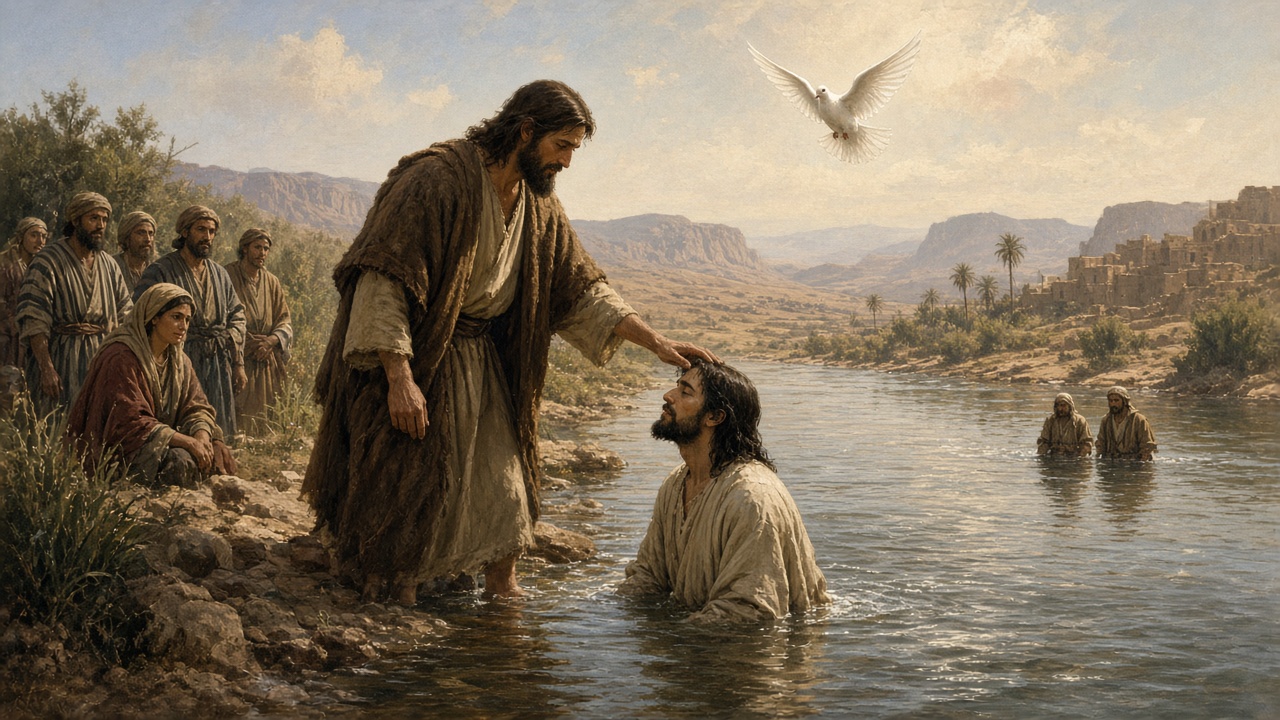
21Nemat mʉʉ́boó Herodes ã nemat pínah jã́tih, Juan cã́acwãdih ã daabánachah, Jesúsbʉt ã pebhna daabáát tʉ́ʉtʉdih ãt jʉibínap wʉt jĩ. Páant ã daabáát tʉ́ttimah, Jesús Diosdih ã ʉʉ́bʉ́chah, jeá ãt jéweah bejep wʉt jĩ. 22Páant ã jéweah bejechah, jop pah jígohni Tʉ́ini Espíritu jeámant dei jʉ̃óhnit, caandíh ãt jʉí jaamáp wʉt jĩ. Páant ã jʉí jaamáchah, jeámant Dios Jesúsdih nin pah ãt niíj naáwáp wʉt jĩ:
—Meém wã wʉ̃ʉ́h, wã oini caá. Meemdíh bʉ́dí wã wẽina caá, ãt niijíp wʉt jĩ.
Jesús ã nʉowã ĩ wʉ̃t
23Tʉ́ini Espíritu ã dei jʉ̃ʉ́wát tʉ́ttimah, Jesús treinta jópchi bíbohnit, cã́acwãdih ãt bohé jwíihip wʉt jĩ.
Nit wʉt jĩ Jesús ã nʉowã: “José ã wʉ̃ʉ́h caá”, cã́acwã ĩt niíj jenah joyóp wʉt yʉh jĩ.
José Elí ã wʉ̃ʉ́h
ãt jʉmʉp wʉt jĩ.
24Elíboó Matat ã wʉ̃ʉ́h
ãt jʉmʉp wʉt jĩ.
Matatboó Leví ã wʉ̃ʉ́h
ãt jʉmʉp wʉt jĩ.
Levíboó Melqui ã wʉ̃ʉ́h
ãt jʉmʉp wʉt jĩ.
Melquiboó Jana ã wʉ̃ʉ́h
ãt jʉmʉp wʉt jĩ.
Janaboó José ã wʉ̃ʉ́h
ãt jʉmʉp wʉt jĩ.
25Joséboó Matatías ã wʉ̃ʉ́h
ãt jʉmʉp wʉt jĩ.
Matatíasboó Amós ã wʉ̃ʉ́h
ãt jʉmʉp wʉt jĩ.
Amósboó Nahúm ã wʉ̃ʉ́h
ãt jʉmʉp wʉt jĩ.
Nahúmboó Esli ã wʉ̃ʉ́h
ãt jʉmʉp wʉt jĩ.
Esliboó Nagai ã wʉ̃ʉ́h
ãt jʉmʉp wʉt jĩ.
26Nagaiboó Maat ã wʉ̃ʉ́h
ãt jʉmʉp wʉt jĩ.
Maatboó Matatías ã wʉ̃ʉ́h
ãt jʉmʉp wʉt jĩ.
Matatíasboó Semei ã wʉ̃ʉ́h
ãt jʉmʉp wʉt jĩ.
Semeiboó Josec ã wʉ̃ʉ́h
ãt jʉmʉp wʉt jĩ.
Josecboó Judá ã wʉ̃ʉ́h
ãt jʉmʉp wʉt jĩ.
27Judáboó Joanán ã wʉ̃ʉ́h
ãt jʉmʉp wʉt jĩ.
Joanánboó Resa ã wʉ̃ʉ́h
ãt jʉmʉp wʉt jĩ.
Resaboó Zorobabel ã wʉ̃ʉ́h
ãt jʉmʉp wʉt jĩ.
Zorobabelboó Salatiel ã wʉ̃ʉ́h
ãt jʉmʉp wʉt jĩ.
Salatielboó Neri ã wʉ̃ʉ́h
ãt jʉmʉp wʉt jĩ.
28Neriboó Melqui ã wʉ̃ʉ́h
ãt jʉmʉp wʉt jĩ.
Melquiboó Adi ã wʉ̃ʉ́h
ãt jʉmʉp wʉt jĩ.
Adiboó Cosam ã wʉ̃ʉ́h
ãt jʉmʉp wʉt jĩ.
Cosamboó Elmadam ã wʉ̃ʉ́h
ãt jʉmʉp wʉt jĩ.
Elmadamboó Er ã wʉ̃ʉ́h
ãt jʉmʉp wʉt jĩ.
29Erboó Josué ã wʉ̃ʉ́h
ãt jʉmʉp wʉt jĩ.
Josuéboó Eliezer ã wʉ̃ʉ́h
ãt jʉmʉp wʉt jĩ.
Eliezerboó Jorim ã wʉ̃ʉ́h
ãt jʉmʉp wʉt jĩ.
Jorimboó Matat ã wʉ̃ʉ́h
ãt jʉmʉp wʉt jĩ.
30Matatboó Leví ã wʉ̃ʉ́h
ãt jʉmʉp wʉt jĩ.
Levíboó Simeón ã wʉ̃ʉ́h
ãt jʉmʉp wʉt jĩ.
Simeónboó Judá ã wʉ̃ʉ́h
ãt jʉmʉp wʉt jĩ.
Judáboó José ã wʉ̃ʉ́h
ãt jʉmʉp wʉt jĩ.
Joséboó Jonam ã wʉ̃ʉ́h
ãt jʉmʉp wʉt jĩ.
Jonamboó Eliaquim ã wʉ̃ʉ́h
ãt jʉmʉp wʉt jĩ.
31Eliaquimboó Melea ã wʉ̃ʉ́h
ãt jʉmʉp wʉt jĩ.
Meleaboó Mena ã wʉ̃ʉ́h
ãt jʉmʉp wʉt jĩ.
Menaboó Matata ã wʉ̃ʉ́h
ãt jʉmʉp wʉt jĩ.
Matataboó Natán ã wʉ̃ʉ́h
ãt jʉmʉp wʉt jĩ.
32Natánboó David ã wʉ̃ʉ́h
ãt jʉmʉp wʉt jĩ.
Davidboó Isaí ã wʉ̃ʉ́h
ãt jʉmʉp wʉt jĩ.
Isaíboó Obed ã wʉ̃ʉ́h
ãt jʉmʉp wʉt jĩ.
Obedboó Booz ã wʉ̃ʉ́h
ãt jʉmʉp wʉt jĩ.
Boozboó Sala ã wʉ̃ʉ́h
ãt jʉmʉp wʉt jĩ.
Salaboó Naasón ã wʉ̃ʉ́h
ãt jʉmʉp wʉt jĩ.
33Naasónboó Aminadab ã wʉ̃ʉ́h
ãt jʉmʉp wʉt jĩ.
Aminadabboó Admin ã wʉ̃ʉ́h
ãt jʉmʉp wʉt jĩ.
Adminboó Arni ã wʉ̃ʉ́h
ãt jʉmʉp wʉt jĩ.
Arniboó Esrom ã wʉ̃ʉ́h
ãt jʉmʉp wʉt jĩ.
Esromboó Fares ã wʉ̃ʉ́h
ãt jʉmʉp wʉt jĩ.
Faresboó Judá ã wʉ̃ʉ́h
ãt jʉmʉp wʉt jĩ.
34Judáboó Jacob ã wʉ̃ʉ́h
ãt jʉmʉp wʉt jĩ.
Jacobboó Isaac ã wʉ̃ʉ́h
ãt jʉmʉp wʉt jĩ.
Isaacboó Abraham ã wʉ̃ʉ́h
ãt jʉmʉp wʉt jĩ.
Abrahamboó Taré ã wʉ̃ʉ́h
ãt jʉmʉp wʉt jĩ.
Taréboó Nacor ã wʉ̃ʉ́h
ãt jʉmʉp wʉt jĩ.
35Nacorboó Serug ã wʉ̃ʉ́h
ãt jʉmʉp wʉt jĩ.
Serugboó Ragau ã wʉ̃ʉ́h
ãt jʉmʉp wʉt jĩ.
Ragauboó Peleg ã wʉ̃ʉ́h
ãt jʉmʉp wʉt jĩ.
Pelegboó Heber ã wʉ̃ʉ́h
ãt jʉmʉp wʉt jĩ.
Heberboó Sala ã wʉ̃ʉ́h
ãt jʉmʉp wʉt jĩ.
Salaboó Cainán ã wʉ̃ʉ́h
ãt jʉmʉp wʉt jĩ.
36Cainánboó Arfaxad ã wʉ̃ʉ́h
ãt jʉmʉp wʉt jĩ.
Arfaxadboó Sem ã wʉ̃ʉ́h
ãt jʉmʉp wʉt jĩ.
Semboó Noé ã wʉ̃ʉ́h
ãt jʉmʉp wʉt jĩ.
Noéboó Lamec ã wʉ̃ʉ́h
ãt jʉmʉp wʉt jĩ.
37Lamecboó Matusalén ã wʉ̃ʉ́h
ãt jʉmʉp wʉt jĩ.
Matusalénboó Enoc ã wʉ̃ʉ́h
ãt jʉmʉp wʉt jĩ.
Enocboó Jared ã wʉ̃ʉ́h
ãt jʉmʉp wʉt jĩ.
Jaredboó Mahalaleel ã wʉ̃ʉ́h
ãt jʉmʉp wʉt jĩ.
Mahalaleelboó Cainán ã wʉ̃ʉ́h
ãt jʉmʉp wʉt jĩ.
38Cainánboó Enós ã wʉ̃ʉ́h
ãt jʉmʉp wʉt jĩ.
Enósboó Set ã wʉ̃ʉ́h
ãt jʉmʉp wʉt jĩ.
Setboó Adán ã wʉ̃ʉ́h
ãt jʉmʉp wʉt jĩ.
Adánboó Dios wʉ̃ʉ́h,
ã jwíih chãjniji,
ãt jʉmʉp wʉt jĩ.
Did you know?
John the Baptist prepares the way
- Luke sets John's preaching in the fifteenth year of Tiberius Caesar, the stepson of Augustus, who succeeded him in A.D. 14 and died in A.D. 37. Easton's Bible Dictionary (1897) notes that John began his public ministry in that year, and that Pontius Pilate, the sixth Roman procurator of Judea from A.D. 26 to 36, kept his headquarters at Caesarea during a term that covered the ministries of John and Jesus. Herod Antipas, a son of Herod, was then tetrarch of Galilee.Sources: the Bible text itself · Tiberius · Pontius Pilate · Herod Antipas
- The chapter dates these events during the high priesthood of both Annas and Caiaphas. Easton's Bible Dictionary (1897) records that Annas was high priest from A.D. 7 to 14 and was deposed by the Roman procurator, and that Caiaphas, who had married Annas's daughter, was raised to that office in A.D. 25. The same entry suggests that the Jews may still have regarded Annas as the lawful high priest, since Mosaic law held the office for life, and that he probably served with Caiaphas as president of the Sanhedrin or as the high priest's deputy.Sources: the Bible text itself · Annas
- John, son of Zechariah, was of priestly descent: his father was a priest of the course of Abia, and his mother, Elizabeth, belonged to the daughters of Aaron. Easton's Bible Dictionary (1897) notes that his mission was the subject of prophecy, including Isaiah's voice crying in the wilderness, and that his birth came six months before the birth of Jesus. In this chapter he preaches a baptism of repentance throughout the region around the Jordan, and Herod the tetrarch later imprisons him after John rebukes him over Herodias.Sources: the Bible text itself · John the Baptist
Notes written with AI assistance from open sources (Theographic Bible Metadata, CC BY-SA 4.0; Easton’s Bible Dictionary, public domain) and reviewed before publishing.
Places in this chapter
- Abilene · 33.627, 36.106 · verse 1
- Galilee · 32.760, 35.527 · verses 1, 19
- Ituraea · 33.400, 35.850 · verse 1
- Judea · Today: Judea 1 · 31.777, 35.234 · verse 1
- Trachonitis · Today: Lajat · 32.969, 36.455 · verse 1
- Jordan · Today: Jordan River · 31.761, 35.558 · verse 3
Only places identified with high confidence are shown (90% or more according to the scholarly sources compiled by OpenBible). Period map: DARE (Digital Atlas of the Roman Empire), CC BY 4.0; modern map: © OpenStreetMap contributors; places: OpenBible.info (CC BY 4.0).
Credits and license for this translation
Dios ã jáap naáwát tólih
New Testament in Cacua
copyright © 2008 Wycliffe Bible Translators, Inc.
Language: Cacua
Translation by: Wycliffe Bible Translators, Inc.
Copyright Information
© 2008, Wycliffe Bible Translators, Inc. All rights reserved.
This translation text is made available to you under the
terms of the Creative Commons License: Attribution-Noncommercial-No Derivative Works.
( http://creativecommons.org/licenses/by-nc-nd/3.0/ )
In addition, you have permission to port the text to different file formats, as long as you
do not change any of the text or punctuation of the Bible.
You may share, copy, distribute, transmit, and extract portions
or quotations from this work, provided that you include the above copyright
information:
You must give Attribution to the work.
You do not sell this work for a profit.
You do not make any derivative works that change any of the actual words or punctuation of the Scriptures.
Permissions beyond the scope of this license may be
available if you contact
us with your request.
The New Testament
in Cacua
© 2008, Wycliffe Bible Translators, Inc. All rights reserved.
This translation is made available to you under the terms of the
Creative Commons Attribution-Noncommercial-No Derivatives license 4.0.
You may share and redistribute this Bible translation or extracts from it in any format, provided that:
You include the above copyright and source information.
You do not sell this work for a profit.
You do not change any of the words or punctuation of the Scriptures.
Pictures included with Scriptures and other documents on this site are licensed just for use with those Scriptures and documents.
For other uses, please contact the respective copyright owners.
2014-08-06
Source: http://ebible.org/cbv/ · eBible.org