John 10
Dios ã jáap naáwát tólih · Tap a verse to see its cross-references.
Ovejawãdih en daonít
1Tʉ́ttimah, biíh naáwátjĩh, bohéát tʉ́ʉt niijná, nin pah Jesús cã́acwãdih ã niíj naáwáp jĩ: “Yoobópdih yeebdíh wã naóhna caá. Ded ovejawãdih wáihyat jʉ́dʉ jẽcdih waadcánjeh, jẽc wihcapmant aáb pʉ́ʉd deini, nʉʉmní tigaá ã jʉmʉp. 2Obohjeéhtih, wáihyat jʉ́dʉ jẽcdihjeh waadníboó ã́ih ovejawãdih en daoní yoobát ã jʉmna caá. 3Ovejawã mínah wáihyat jʉ́dʉdih ã jʉyʉ́chah, caán jẽcdih wapni caandíh ã wãt wʉ̃hbipna caá. Páant ã wãtachah, queétdih en daoníboó ĩ́ih wʉ̃tna yoobó ã ejechah, ã́ih wéheatdih ã́ih ovejawã ĩpĩ́ beh joiná caá. Pánih beh joinít, queét ãjeéh ĩpĩ́ pée bac bejna caá. 4Nihat ã́ihwã ĩ bac beedéchah ennit, queétdih ã waóh bejna caá. Pánihna, ã wéheatdih tʉ́i beh joiná, caandíhjeh ĩ tʉ́i pée bejna caá. 5Obohjeéhtih, biíh ĩ jéihca naáhdih ĩpĩ́ pée bejcan caá. Bita ĩ wéheatdih joiná, ʉ́ʉmnit, ĩpĩ́ jwei béjna caá”, Jesús ã niijíp jĩ.
6Jesús páant ã niijíchah yʉhna, queét ĩt beh joicáp jĩ.
Ovejawãdih en daonít naáwátdih Jesús ã beh joyáát
7Páant ĩ beh joicátdih jéihnit, Jesús queétdih nin pah ã jwʉ́ʉb niíj naáwáp jĩ: “Yoobópdih yeebdíh wã naóhna caá. Ovejawãdih wáihyat jʉ́dʉ jẽc panihni tigaá weém wã jʉmʉp. 8Nihat wã jã́tih jʉ̃óhnit, nʉʉmnít panihnit, cã́acwãdih ĩt yee bohénap jĩ. Queét ĩ wéhenachah yʉhna, cã́acwã, ovejawã panihnit, queétdih ĩt joyáh bojop jĩ. 9Weémboó wáihyat jʉ́dʉ jẽc panihni caá. Weemdíh jepahnit jẽcdih waadnít panihnit ĩ jʉmna caá. Pánihna, queét iiguípna bejnit déejidih wã tʉ́i ʉbna caá. Ovejawã ʉ́ʉmcanjeh, ĩ́ih wáihyat jʉ́dʉmant jʉmnitji wãíca naáhwã jeémédih bac bejnit, jwʉ́ʉb waadnít, ĩpĩ́ tʉ́i jʉmna caá. Pánihat pah, wĩ́ih cã́acwãboó wãjeéh jʉmna, ĩpĩ́ ʉ́ʉmcanjeh, wãíca naáhwã panihnit, ded pah ĩ náahatdih ĩ bíbohna caá.
10“Queét nʉʉmnítboó ovejawã panihnit Dioíh cã́acwãdih mao yohodih ĩ jʉ̃óhna caá. Obohjeéhtih, bʉ́dí wẽinit, yeó jáap jʉmat pah wãjeéh ĩ tʉ́i jʉmat pínah niijná, weémboó queét ovejawã panihnitdih bididih wã jʉ̃ʉ́wʉ́p jĩ. 11Weémboó ovejawã panihnitdih tʉ́i en daoní wã jʉmna caá. Ded ovejawãdih tʉ́i en daoní caandíh ĩ mao yohat dée tobohat ã jʉmʉchah yʉhna, ã́ih ovejawãdih ãpĩ́ en daó cádahcan caá. Pánihat dée pah queét iiguípna bejnit déejidih wã tʉ́i ʉbat tʉ́ʉt niijná, weémboó cã́acwãdih wã wʉn wʉ̃hbipna caá. 12Obohjeéhtih, ã maáíh ovejawãdih en daoníboó yoobópdih ã tʉ́i en daocán caá. Ã́ihwã nihcah, jió ovejawãdih jeémédih ã jʉ̃ʉ́wʉ́chah enna, teo wʉ̃hniboó ã en daonít ovejawãdih ã yoh jwei béjna caá. Ã yoh jwei béjat tʉ́ttimah, jió ovejawãdih ã tewechah enna, queét ĩ jweí peét bejna caá. 13Caán teo wʉ̃hniboó ã jíib chãjatdihjeh ã bidna caá. Ã maáíh ovejawãdih oican, queétdih ã tʉ́i en daocán caá.
14“Weém ovejawãdih tʉ́i en daoní panihni tigaá wã jʉmʉp. Wã íip weemdíh ã tʉ́i jéihna caá. Weembʉ́t caandíh wã tʉ́i jéihna caá. Páant wã íipdih wã tʉ́i jéihyat pah, wĩ́ih ovejawã panihnit weemdíhbʉt ĩ tʉ́i jéihna caá. Wã íip weemdíh ã jéihyat pah, weembʉ́t queétdih wã tʉ́i jéihna caá. Pánih jéihna, wã íipjeéh ĩ tʉ́i jʉmat pínah niijná, queétdih wã wʉn wʉ̃hbipna caá. 16Biíh wáihyat jʉ́dʉ diítboó jʉmnit ovejawã panihnitbʉt wĩ́ihwã ĩ jʉmbipna caá. Pánih jʉmnit, wã naáwáchah, queétbʉt ĩ joi póobipna caá. Pánih joinít, wĩ́ihwã biícdih queétbʉt ĩ jʉmbipna caá. Pánihna, weemjéh nihat wĩ́ihwãdih wã tʉ́i en daobípna caá.
17“Wĩ́ihwã Diosjeéh ĩ jʉmat pínah niijná, queétdih páant wã wʉn wʉ̃hat pínah, wã jwʉ́ʉb boo pʉd jʉ̃ʉ́wát pínahdihbʉt jéihnit, wã íip weemdíh ã oina caá. 18Ded ã náahat pah weemdíh mao yohni pínah ã wihcan caá. Wã náahat pahjeh weemdíh ĩ mao yohbipna caá. Pánihna, wã náahat pahbʉt wã jwʉ́ʉb boo pʉd jʉ̃óhbipna caá. Páant wã íip weemdíh ã chãjat tʉ́ʉtʉp jĩ”, Jesús ã niijíp jĩ.
19Páant ã niijíchah joinít, queét jwĩ déewã biíc yoobó ĩt jenah joicáp jĩ.
20—Caán nemép jʉmni caá. Pánih jʉmna, ã tʉ́i jenah joicán caá. ¿Dépanih tigaá caandíh jwĩ jwʉ́ʉb joííh, páant mʉntih? dawá ĩ míic niijíp jĩ.
21Obohjeéhtih, bitaboó
—Nemép jʉmni nihna, páant ãta niíj naóhcan tagaá. Ded nemép jʉmni jéih encannijidihbʉt ãta jéih enacan tagaá. Pánih chãjna, nemép jʉmni nihcan caá, ĩ míic niijíp jĩ.
Judíowã ĩ maáta Jesúsdih ĩ náahcat
22Tʉ́ttimah, mah noój láa, jwiít judíowã Jerusalén tʉ́tchidih biíh fiesta jwĩ jwʉ́ʉb chãjap jĩ. Jon jã́tih Dioíh mʉʉdíh chãj péanit, Diosdih ĩ wẽi wʉ̃hatjidih jwĩ náhniat yeó jáapna ã jʉmʉp jĩ. Caán yeó jáapnadih Dioíh mʉʉdíh wãáp lap nʉmpboó Salomón ã chãjat tʉ́ʉtni coahjidih Jesús ã en jibip jĩ. 24Caan cóahboó Jesús ã jʉmʉchah enna, jwĩ maáta caandíh ñʉh pʉ́ʉda bojnit, nin pah ĩ niíj ʉʉ́bh joyóp jĩ:
—Maatápdih jwiítdih ma tʉ́i naóhcan caá. Pánihna, bʉʉ jwiítdih yoobópdih ma naáwá. ¿Meém Dios ã wahni Cristo yoobát niít ma jʉmʉp? Jesúsdih ĩ niijíp jĩ.
25—Yeebdíh jã́tih wãát naáwáp jĩ. Páant wã naáwáchah yʉhna, weemdíh ñi joííhcan jĩí. Wã íip ded pah weemdíh ã wʉtʉchah joinít, ã wẽpatjĩh wãpĩ́ chãjna caá. Pánih chãjna, weém Cristo yoobát wã jʉmatdih jʉ́ʉt tigaá wã chãjap. 26Páant wã jʉ́ʉtʉchah yʉhna, bitaíh ovejawã panihnit jʉmna, weémboodíh ñi joííhcan caá. 27Ovejawã queétdih en daonídih ĩ tʉ́i joyát pahjeh tih, wĩ́ihwã weemdíh ĩ tʉ́i joiná caá. Queétdih wã jéihyechah, weemdíh ĩ tʉ́i péena caá. 28Páantjeh Diosjeéh queétdih wã tʉ́i jʉmat tʉ́ʉtʉchah, iiguípna ĩ bejcan niít. Pánihna, queétdih wã tʉ́i en dawáchah, bitaboó weemdíh ĩ jéih dʉ́ʉc wáican niít. 29Wã íip, wĩ́ih cã́acwãdih weemdíh wʉ̃hni, nihatdih chah wẽpni caá ã jʉmʉp. Pánih jʉmna, wĩ́ihwãdih ã wapachah, bitaboó caandíhbʉt ĩ jéih dʉ́ʉc wáican niít. 30Weém wã íipjĩh biíc pahjeh jwĩ jʉmna caá, Jesús ã niijíp jĩ.
31Páant ã niijíchah joinít, jwĩ maátaboó caandíh yohat tʉ́ʉt niijná, jee dáhnadih ĩ ʉbʉp jĩ. 32Páant ĩ chãjachah ennit, Jesús queétdih nin pah ã niíj ʉʉ́bh joyóp jĩ:
—Wã íip ã wẽpatjĩh dawá láa yeebdíh wã chãj jʉ́ʉtʉp yʉh jĩ. ¿Dedé wã chãjatji jíib tigaá weemdíh jee dáhnajĩh ñi yohíh? ã niijíp jĩ.
33—Dios ã wẽpatjĩh ma chãj jʉ́ʉtatji jíib nihcan caá. Obohjeéhtih, meém cã́acjeh jʉmna yʉhna, ‘Diosjeh tigaá weém’, ma niíj yee naáwát jíib, meemdíh jee dáhnajĩh jwĩ yoh mawíhna caá, queét ĩ niíj jepahap jĩ.
34—Obohjeéhtih, Dios naáwátdih naóh yapani nin pah ãt niíj daacáp tajĩ: ‘Yeéb wã naáwát tʉ́ʉtnitdih “weem pánihnit ñi jʉmna caá”, wã niijíp be’, Dios ãt niíj daacát tʉ́ʉtʉp tajĩ. 35Páant ã niíj daacátji yoobópdih ã jʉmatdih jwiít nihat jwĩ jéihna caá. ‘Yeeni caá’, caán tólihdih jwĩ jéih niijcán caá. Dios naáwátdih jéihnitdih ‘Dios panihnit ñi jʉmna caá’, ã niíj naáwáchah, yoobópdih caá. 36Dios ã náahat pah weemdíh nin baácboó ã wahap jĩ. Pánihna, ‘Weém Dios wʉ̃ʉ́h caá’, wã niijíchah joinít, ¿dépanih tigaá weemdíh ‘Jesús Diosdih yéej naóhna caá ã chãjap’, ñipĩ́ niíj? 37Wã íip ã náahat pah wã chãjcah bácah, wã bohéátdih ‘Yoobópdih tigaá’, niijcát caá náahap. 38Obohjeéhtih, wã íip ã wẽpatjĩh wã chãj jʉ́ʉtʉchah yʉhna, ‘Caán Dios ã wahni Cristo caá’, ñi niíj jenah joicán caá. Páant niíj jenah joicán yʉhna, wã chãj jʉ́ʉtatdih ‘Yoobópdih Dios ã wẽpatjĩh chãjni caá’, niíj jenah joyát caá náahap. Páant niíj jenah joiná, weém wã íip biícdih wã jʉmatdih ñi tʉ́i jéihbipna caá, Jesús queétdih ã niijíp jĩ.
39Páant ã niijíchah joí íijnit, queét chéneji ĩ tewíhip yʉh jĩ. Obohjeéhtih, ĩ tewíhichah jéihnit, Jesús queétdih ã jwei bác bejep jĩ.
40Pánih bac bejniji Juan cã́acwãdih ã daabánapji, Jordán mʉj conanaáboó jwiítdih ã nʉmah chʉ́ʉh bejep jĩ, páant mʉntih. Caanná jʉibínit, jwiítdih ã nʉmah jʉmʉp jĩ. 41Dawá cã́acwã caanná caandíh enedih ĩpĩ́ jʉibínap jĩ. Nin pah queét míicjeh ĩ niijíp jĩ:
—Juan Dios ã wẽpatjĩh chãj jʉ́ʉtcan yʉhna, ded pah Jesús ã jʉmat pínahdih ã naáwáchah, yoobópdih tajĩí, ĩ míic niijíp jĩ.
42Páant niíj jenah joinítji dawá Jesúsdih ĩ jepahap jĩ.
Did you know?
The Good Shepherd
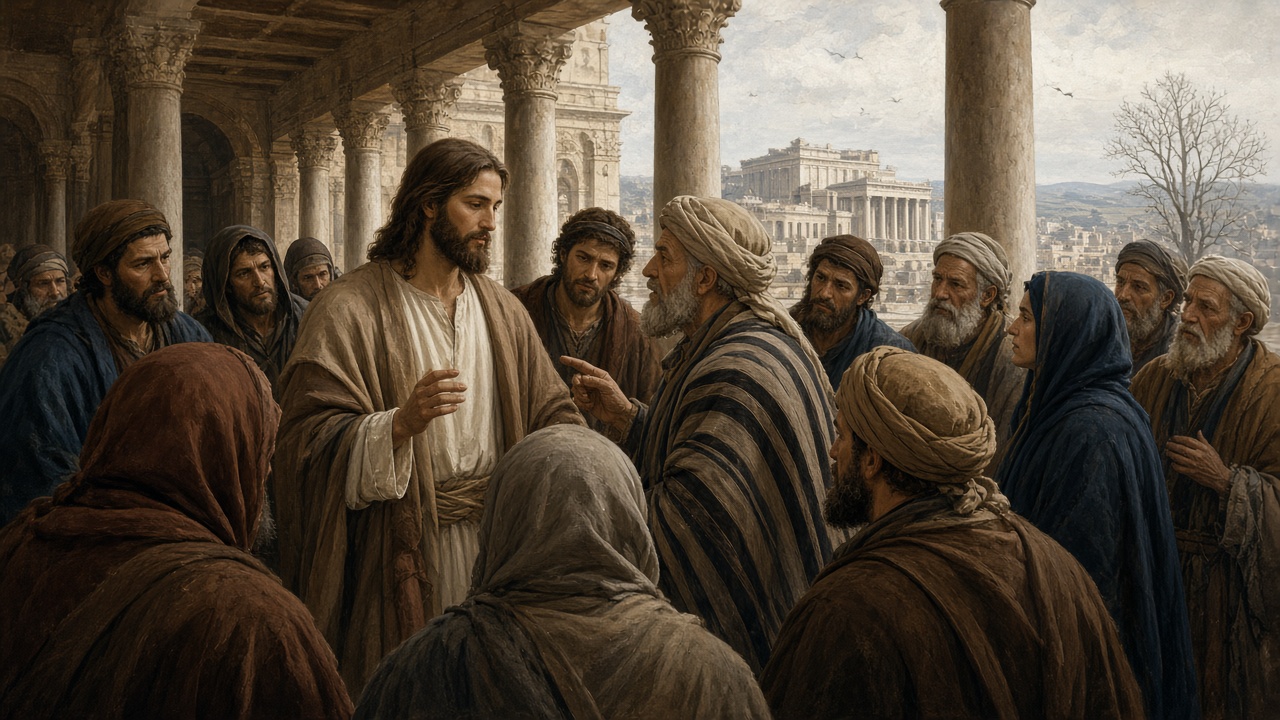
- During the Feast of Dedication in Jerusalem it was winter, and Jesus was walking in the temple courts in Solomon's Colonnade. The name Jerusalem, in a dual form, means "possession of peace" or "foundation of peace"; that form probably refers to the mountains of Zion and Moriah, or, as some suppose, to the upper and lower city. Solomon's Hebrew name, Shelomoh, means "peaceful."Sources: the Bible text itself · Jerusalem · Solomon
- A chronology of Gospel events dates the Good Shepherd teaching to AD 29, and dates a time of teaching and healing from Perea to Jerusalem to AD 30.Sources: The Good Shepherd Teaching · Teaching and Healing in Perea to Jerusalem
- Jesus then went back across the Jordan to the place where John had first been baptizing, and many people there believed in him. John was of priestly descent: his father, Zacharias, was a priest of the course of Abia, and his mother, Elisabeth, was of the daughters of Aaron. His birth, six months before that of Jesus, was foretold by an angel; those who came said that John never performed a sign, yet everything he had said about Jesus was true.Sources: the Bible text itself · John the Baptist
Notes written with AI assistance from open sources (Theographic Bible Metadata, CC BY-SA 4.0; Easton’s Bible Dictionary, public domain) and reviewed before publishing.
Places in this chapter
- Jerusalem · 31.777, 35.234 · verse 22
- Solomon’s Portico · Today: in Jerusalem · 31.777, 35.234 · verse 23
- Jordan · Today: Jordan River · 31.761, 35.558 · verse 40
Only places identified with high confidence are shown (90% or more according to the scholarly sources compiled by OpenBible). Period map: DARE (Digital Atlas of the Roman Empire), CC BY 4.0; modern map: © OpenStreetMap contributors; places: OpenBible.info (CC BY 4.0).
Credits and license for this translation
Dios ã jáap naáwát tólih
New Testament in Cacua
copyright © 2008 Wycliffe Bible Translators, Inc.
Language: Cacua
Translation by: Wycliffe Bible Translators, Inc.
Copyright Information
© 2008, Wycliffe Bible Translators, Inc. All rights reserved.
This translation text is made available to you under the
terms of the Creative Commons License: Attribution-Noncommercial-No Derivative Works.
( http://creativecommons.org/licenses/by-nc-nd/3.0/ )
In addition, you have permission to port the text to different file formats, as long as you
do not change any of the text or punctuation of the Bible.
You may share, copy, distribute, transmit, and extract portions
or quotations from this work, provided that you include the above copyright
information:
You must give Attribution to the work.
You do not sell this work for a profit.
You do not make any derivative works that change any of the actual words or punctuation of the Scriptures.
Permissions beyond the scope of this license may be
available if you contact
us with your request.
The New Testament
in Cacua
© 2008, Wycliffe Bible Translators, Inc. All rights reserved.
This translation is made available to you under the terms of the
Creative Commons Attribution-Noncommercial-No Derivatives license 4.0.
You may share and redistribute this Bible translation or extracts from it in any format, provided that:
You include the above copyright and source information.
You do not sell this work for a profit.
You do not change any of the words or punctuation of the Scriptures.
Pictures included with Scriptures and other documents on this site are licensed just for use with those Scriptures and documents.
For other uses, please contact the respective copyright owners.
2014-08-06
Source: http://ebible.org/cbv/ · eBible.org