James 2
Dios ã jáap naáwát tólih · Tap a verse to see its cross-references.
Cã́acwãdih biíc yoobó tʉ́i chãjat
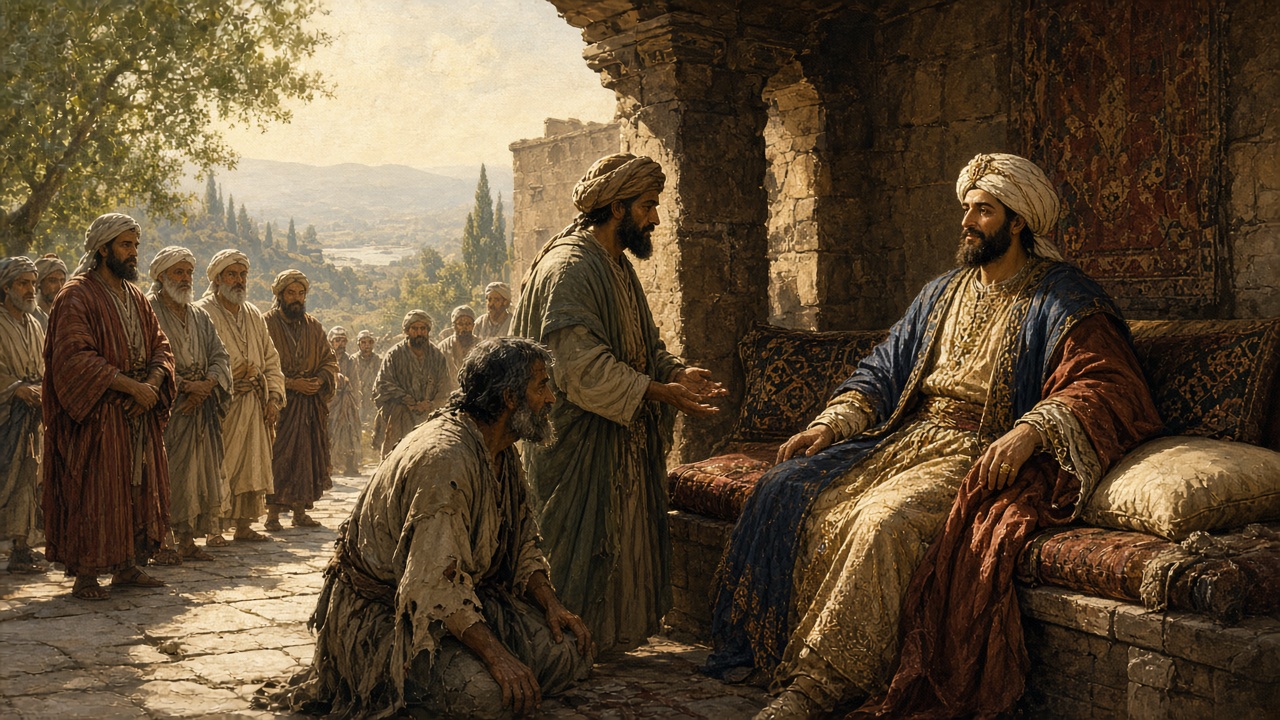
1Wã déewãá, jwĩ Maáh chah tʉ́ini Jesucristodih jepahnit jʉmna, cã́acwãdih biíc yoobó tʉ́i chãjat caá náahap. 2Orojĩh ĩ chãjniji téihya yacat jʉ́dʉna, bʉ́dí jíib jʉmni yéguehdihbʉt dʉoní yeéb Jesúíhwã ñi míic wáacapna ã waád jʉibínachah enna, caandíh ñita wẽi jwãáh tagaá. “Nin tʉ́yʉpboó ma chʉ́ʉdʉ́”, ñita niij tágaá. Páant niijná yʉhna, caanná yeejép yégueh dʉoní moh yéejni ã waád jʉibínachah enna, caánboodíh ñita wẽi jwãáhcan tagaá. “Con bʉwáboó ma ñʉhʉʉ́. Baácdihjeh ma chʉ́ʉdʉ́”, caandíh ñita niij tágaá. 4Pánih chãjna, cã́acwãdih yeejép jenah joinít, tʉ́i jígohnitdihjeh ñita wẽi en tagaá. Obohjeéhtih moh yéejnitdih ñita wẽi encan tagaá. Páant niíj jenah joyát ã tʉ́ican caá.
5Wã déewã, wã oinitá, weemdíh ñi joyoó. Dawá moh yéejnitdih Diosdih tʉ́i jenah joinít, ã maáh jʉmʉpboó jʉmnit pínah niijná, Dios ãt ñíwip wʉt jĩ. “Wãjeéh páantjeh ñi jʉmbipna caá”, Dios caandíh oinitdih ãt niijíp wʉt jĩ. 6Obohjeéhtih, queétdih ã ñíwichah yʉhna, yeébboó queétdih ñipĩ́ tíicana caá. Pánih queétdih tíicanit, dawá bií dée bíbohnitdihjeh ñi wẽi enna caá. Nindih ñi tʉ́i náhninaá: Dawá bií dée bíbohnitboó yeebdíh yeejép ĩpĩ́ chãjna caá. Queétjeh yeebdíh naóh yacat tʉ́ʉt niijná, cã́acwãdih peéh chãjat tʉ́ʉtnit pebhna ĩpĩ́ teo wái bejna caá. 7Queétjeh Cristodih yeejép ĩpĩ́ wéhena caá. Obohjeéhtih, yeébboó “Jwiít Cristoíhwã caá”, niijnít jʉmna yʉhna, caandíh yeejép wéhenitboodíh ñi wẽi enna caá. Páant ñi chãjat ã tʉ́ican caá.
8Dios naáwátdih daácniboó nin chah wẽpni wʉtatdih ã daacátjidih ñi tʉ́i náhninaá: “Meemjéh ma míic oyat pah, bitadihbʉt biíc yoobó ma oyoó”, ãt niíj daacáp tajĩ. Caán wʉtatdih jepahna, ñi tʉ́i chãjna caá. 9Obohjeéhtih, maáta panihnitdih tʉ́i wẽi enna yʉhna, moh yéejnitboodíh enah bojnit, teo wáaccan, yeejép chãjna caá ñi chãjap. Pánih chãjna, Dios ã wʉtatdih ñi yap yohna caá. 10Ded Dios ã wʉtatdih jepahna yʉhna, biíc wʉtatbitdihjeh yap yohna, nihatdih ã yap yohna caá. Páant ã yap yohochah, caandíh peéh chãjat ã jʉmbipna caá. 11“Ñi weha mána nihcannitjĩh yeejép ñi chãjca bojoó”, Diosjeh ãt niíj wʉtʉp wʉt jĩ. Caanjéh mʉntih, “Cã́acwãdih mao yohca bojoó”, ãt niijíp wʉt jĩ. Pánihna, det ĩ weha mána nihcannitjĩh yeejép chãjcan yʉhna, cã́acdih mao yohna, Dios ã wʉtatdih yap yohnit ĩ jʉmna caá. 12Cristo jwiítdih bʉ́dí oina, jwĩ tʉ́i jʉmat pínah niijná, bitadih ã oyat tʉ́ʉtna caá. Páant ã wʉtatdih jepahnitdih, jepahcannitdihbʉt ñíonit, ded pah ĩ chãjatji jíibdih ã naóhbipna caá. Páant ã jʉmʉchah, ã wʉtat pah jwĩ tʉ́i chãjat dée caá. Ã náahat pahbʉt jwĩ wéhe jĩíh. 13Bitadih jwĩ jĩ́gah encah, Dios cã́acwãdih ã ñío láa jwiítdihbʉt jĩ́gah encanjeh, ã peéh chãjbipna caá. Obohjeéhtih, bitadih jwĩ jĩ́gah enechah, jwiítdihbʉt jĩ́gah ennit, ã peéh chãjcan niít.
Jesúsdih tʉ́i jenah joinít, bitadih teo wáacat
14Wã déewãá, nindih ñi tʉ́i joyoó: “Weém Cristodih wã tʉ́i jenah joiná caá”, ded niijná yʉhna, bitadih ã tʉ́i teo wáaccah, ã niijátji dedé pínah nihcan caá. Páant ã niijíchah yʉhna, Dios caandíh ã tʉ́i ʉbcan niít. 15Ded Jesúíh, Jesúíh wili ĩ jeémát pínah wihcah ennit, yeejép yéguehdihjeh ĩ dʉwʉ́chah ennit, jwiít Jesúíhwã queétdih tʉ́i teo wáacat caá náahap. “Tʉ́ini yégueh dʉonít, tʉ́ini jeémátdih jeémpnit, ñi tʉ́i jʉmʉʉ́”, niijná yʉhna, ĩ náahatdih ñi wʉ̃hcah, ñi niiját dedé pínah nihcan caá. 17Pánihna, “Cristodih wã tʉ́i jenah joiná caá”, niijná yʉhna, ñi tʉ́i chãjcah, Cristodih ñi jenah joyát dedé pínah nihcan caá.
18Ñijeéh jʉmni nin wã bohéátdih joííhcanni nin pah ãta niij tágaá: “Weém wãpĩ́ tʉ́i chãjna caá. Meémboó bitadih teo wáaccan yʉhna, ‘Cristodih wã tʉ́i jenah joiná caá’, mapĩ́ niijná caá. Jwiít chénat pahdih Dios ã tʉ́i ʉbbipna caá”, ãta niij tágaá. Obohjeéhtih, Cristodih tʉ́i jenah joiníboó bitadih ã tʉ́i chãjachah, caandíh tʉ́i jenah joiní ã jʉmatdih cã́acwã ĩ jéihbipna caá. 19“Dios biícjeh caá”, ñi niíj jenah joiná caá. Páant ñi niíj jenah joyóchah, ã tʉ́ina caá. Obohjeéhtih, páant ñi niíj jenah joiná yʉhna, Diosdih ñi jepahcah, caandíh ñi jéihyat dedé pínah nihcan caá. Nemépwãbʉt ñi jenah joyát pahjeh mʉn tigaá ĩ jenah joyóp. Pánih jenah joinít, Dios biícjeh ã jʉmatdih jéihna, ã wẽpatdih ʉ́ʉmnit, queétboó ĩ méména caá. 20“Cristodih tʉ́i jenah joiní wã jʉmna caá”, ded niíj jenah joiná yʉhna, bitadih teo wáaccan, yoobópdih ã tʉ́i jenah joicán caá. Pánihna, Cristodih jepahna yʉhna, bitadih teo wáaccanniboó yoobópdih ã jepahcan caá. 21Caán yoobópdih ã jʉmatdih ñi jéihyat pínah niijná, jwĩ nʉo Abraham ded pah ã chãjatjidih wã naóhbipna caá. Caán ã wʉ̃ʉ́h Isaac wʉ̃t jʉmnidih Diosdih ãt mao cáo wʉ̃híhip wʉt yʉh jĩ. Pánihna, jee dáhnajĩh ã cáag aabáni poómpjih ã cáagni tʉʉjih caandíh ãt chéo cáagap wʉt jĩ. Pánih chéo cáagna, Dios ã niijátji pahjeh caandíh wẽinit, ã wʉ̃ʉ́hdih mawat tʉ́ʉt ãtih chãjap wʉt yʉh jĩ. Páant ã jepahachah ennit, “Yoobópdih tʉ́ini caá”, Dios caandíh ãt niíj enep wʉt jĩ. 22Páant ã niijátjidih náhninit, nindih ñi jenah joyoó: Abraham Diosdih tʉ́i jenah joiní jʉmna, ã wʉtatdih ãt jepahap wʉt jĩ. Pánih jepahna, Diosdih ã tʉ́i jenah joyátdih ãt jʉ́ʉtʉp wʉt jĩ. 23Dios naáwátdih naóh yapani ã niíj daacátji pahjeh ãt yapap wʉt jĩ. “Abraham Diosdih tʉ́i jenah joinít, ãt jepahap wʉt jĩ. Páant ã jepahachah enna, ‘Caán tʉ́ini caá’, Dios caandíh ãt niíj enep wʉt jĩ”, ãt niíj daacáp tajĩ. Páant ã niíj enatdih jéihna, “Abraham Dios ã chéen caá”, cã́acwã caandíh ĩt niijíp wʉt jĩ.
24Pánihna, ded pah Abraham ã yapatjidih jenah joinít, nindih ñi jéihbipna caá: “Diosdih wã tʉ́i jenah joiná caá”, niijná yʉhna, caandíh ã jepahcah enna, “Caán tʉ́ini caá”, Dios caandíh ã niíj encan caá. Obohjeéhtih, Diosdih tʉ́i jenah joinít, ã tʉ́i chãjatdih enna, “Caán tʉ́ini caá”, caánboodíh Dios ã niíj enna caá. 25Páant tigaá Rahab wʉ̃t jʉmnih deoh nah jʉmnihjidihbʉt “Caánt tʉ́inih caá”, Dios ãt niíj enep wʉt jĩ. Josué ã wah bojnitji miíh tʉ́tchina ĩ jʉibínachah, queétdih jwãáhnit, “Wĩ́ih mʉʉ́boó ñi ʉ̃o jwʉhʉ́p”, mit niijíp wʉt jĩ. Cheibit Josuéwã ĩ jʉmʉpna queét ĩ jwʉ́ʉb bejechah, biíh namáboó mit jʉ́ʉtʉp wʉt jĩ, “Queétdih eníhcannit maoná”, niijná. Páant queétdih mi teo wáacatdih enna, “Caánt tʉ́inih caá”, Dios ãt niíj enep wʉt jĩ. 26Jwĩ́ih bácahdih caolih ã wihcah, jwĩta báadhcan tagaá. Pánihna, caolih ã wihcah, jwĩ́ih bácahboó dedé pínah ãta nihcan tagaá. Pánihat pah “Diosdih wã tʉ́i jenah joiná caá”, niijná yʉhna, bitadih teo wáaccan, yoobópdih caandíh jwĩ tʉ́i jenah joicán caá. Pánihna, jwĩ teo wáaccah, caandíh jwĩ tʉ́i jenah joyát dedé pínah nihcan caá. Caolih wihcanni bácah pah ã jʉmna caá.
Did you know?
Impartiality and Living Faith
- James recalls that Abraham was justified by offering his son Isaac on the altar, his faith working with his actions and perfected by what he did. Isaac, the only son of Abraham by Sarah, was the one God commanded Abraham to offer as a sacrifice on a mountain in the land of Moriah.Sources: the Bible text itself · Isaac
- James also cites Rahab the prostitute, justified by welcoming the spies and sending them off on another route. The two spies, sent by Joshua while the Hebrews were encamped at Shittim opposite Jericho, had gone to her house, faced danger in the city, and were saved by her fidelity.Sources: the Bible text itself · Rahab
Notes written with AI assistance from open sources (Theographic Bible Metadata, CC BY-SA 4.0; Easton’s Bible Dictionary, public domain) and reviewed before publishing.
Credits and license for this translation
Dios ã jáap naáwát tólih
New Testament in Cacua
copyright © 2008 Wycliffe Bible Translators, Inc.
Language: Cacua
Translation by: Wycliffe Bible Translators, Inc.
Copyright Information
© 2008, Wycliffe Bible Translators, Inc. All rights reserved.
This translation text is made available to you under the
terms of the Creative Commons License: Attribution-Noncommercial-No Derivative Works.
( http://creativecommons.org/licenses/by-nc-nd/3.0/ )
In addition, you have permission to port the text to different file formats, as long as you
do not change any of the text or punctuation of the Bible.
You may share, copy, distribute, transmit, and extract portions
or quotations from this work, provided that you include the above copyright
information:
You must give Attribution to the work.
You do not sell this work for a profit.
You do not make any derivative works that change any of the actual words or punctuation of the Scriptures.
Permissions beyond the scope of this license may be
available if you contact
us with your request.
The New Testament
in Cacua
© 2008, Wycliffe Bible Translators, Inc. All rights reserved.
This translation is made available to you under the terms of the
Creative Commons Attribution-Noncommercial-No Derivatives license 4.0.
You may share and redistribute this Bible translation or extracts from it in any format, provided that:
You include the above copyright and source information.
You do not sell this work for a profit.
You do not change any of the words or punctuation of the Scriptures.
Pictures included with Scriptures and other documents on this site are licensed just for use with those Scriptures and documents.
For other uses, please contact the respective copyright owners.
2014-08-06
Source: http://ebible.org/cbv/ · eBible.org