Hebrews 2
Dios ã jáap naáwát tólih · Tap a verse to see its cross-references.
Cristo ã naáwátdih jwĩ joyáh bojcat
1Pánihna, Dios wʉ̃ʉ́h chah wẽpni, jwiítdih naóhni ã jʉmʉchah jéihnit, caandíh cádahcat tʉ́ʉt niijná, jwĩ joiníjidih tʉ́i náhninit, jepahat caá náahap. 2Dios ã wʉtatdih ángelwã ĩ naóh yapanachah, cã́acwãboó ĩ yap yohat jíib Dios queétdih ãt peéh chãjap wʉt jĩ. Ĩ naóh yapani wʉtatdih cã́acwãdih jepahat ãtih náahap wʉt yʉh jĩ. 3Obohjeéhtih, jwĩ Maáhboó ángelwã chah wẽpni ã jʉmatdih jéihnit, jwiítdih ã tʉ́i ʉbat pínah doonádih jepahat caá chah náahap. Cã́acwãdih ã tʉ́i ʉbat pínah doonádih caanjéh ãt jwíih naáwáp wʉt jĩ. Páant ã naáwáchah joinítjiboó jwiítdih ĩ jwʉ́ʉb naóh yapanachah, yoobópdih ã jʉmatdih jwĩ tʉ́i jéihna caá. Pánihna, ã́ih tʉ́ini doonádih joyáh bojna, Dios jwiítdih bʉ́dí ã peéh chãjat pínahdih jwĩ jéih jweicán niít. 4Jesúíhwã caán doonádih bohénit, cã́acwã ĩ jéih chãjca naáhdih Dios ã wẽpatjĩh dawá láa ĩt chãj jʉ́ʉtʉp wʉt jĩ. Páant ĩ chãjat pínahdih Tʉ́ini Espírituboó ã náahat pahjeh queétdih wẽpat ãt wʉ̃hʉp wʉt jĩ. Pánihna, ã wẽpatjĩh ĩ chãj jʉ́ʉtʉchah, ĩ bohéát yoobópdih ã jʉmatdih Dios queét joinítdih ãt jéihyanap wʉt jĩ.
Jesucristo jwiít pah ã cã́ac jʉmat
5Péeni yeó jáapdih Dios ã jáap chãjni baácdih moondíh ángelwã maáta ĩ jʉmcan niít. 6Obohjeéhtih, jwiítboodíh maáta ã waadábipna caá. Dios naáwátdih biíc naóh yapaniji nin pah ãt niíj daacáp tajĩ:
“Cã́acwã oboh jʉmnit ĩ jʉmʉchah yʉhna, queétdih bʉ́dí oina, tʉ́i náhninit, mapĩ́ tʉ́i en daoná caá.
7Maátcanjeh ángelwã ĩ wẽpat nʉmp cã́acwãdih mat jʉm jwʉhat tʉ́ʉtʉp taga. Pánih jʉmat tʉ́ʉtna yʉhna, bʉʉ queétdih wẽpat wʉ̃hnit, maáta mat waadánap taga.
8Páant maáta ma waadánachah, nihat nin baácdih jʉmnit chah caá ĩ jʉmʉp”, ãt niíj daacáp tajĩ. (Sal 8.4-6)
Pánih maáta waadánit, nihatdih wʉtnit pínah jʉmna yʉhna, bʉʉ jwĩ wʉt jwʉhcan caá. 9Obohjeéhtih, Jesúsboó nin baácboó ã jʉmʉchah, ángelwã nʉmp jʉm jwʉhnit, nihat cã́acwãdih bʉ́dí oina, ãt wʉn wʉ̃hʉp wʉt jĩ. Bʉ́dí yeejép yapna, jwiítdih ã wʉn wʉ̃hʉchah ennit, ã wẽpatdih wʉ̃hna, Dios Jesúsdih maáh ãt waadánap wʉt jĩ. Pánihna, bʉʉ chah maáh, tʉ́ini yoobát ã jʉmatdihbʉt jwĩ jéihna caá.
10Dios ã náahat pah nihatdih chãjni ã jʉmna caá. Ã náahat pah mʉntih jwiít ã wehdih jeáboó ʉb bejat tʉ́ʉt niijná, ã wʉ̃ʉ́hdih ãt wʉn wʉ̃hat tʉ́ʉtʉp wʉt jĩ. Jesús yeejép yapna, ã wʉn wʉ̃hatjĩh jwiít cã́acwãdih yoobópdih tʉ́i ʉbni caandíh Dios ãt chãjap wʉt jĩ. 11Det ĩ yéejatdih yohnit, queétdih tʉ́i ʉbnibʉt Dios weh ĩ jʉmna caá. Pánihna, Dios jwĩ íip ã jʉmʉchah, Jesús jwiít ã́ihwãdih “Queét wã ʉ́ʉdwã caá”, tíiccanjeh, ã niijná caá. 12Jesús ã íipdih nin pah ã niijátdih Dios naáwátdih naóh yapani ãt niíj daacáp tajĩ:
“ ‘Dios, ded pah ma jʉmatdih wã ʉ́ʉdwãdih wã naóhbipna caá. Nihat wĩ́ihwã ĩ míic wáac jʉyʉ́chah, meemdíh wẽi eonit, “Chah wẽpni ma jʉmna caá”, wã niijbípna caá’, ã niijíp jĩ”, ãt niíj daacáp tajĩ. (Sal 22.22)
13Nin pahbʉt biíh ãt niíj daacáp tajĩ:
“ ‘Meém chah wẽpni jʉmna, weemdíh ma tʉ́i teo wáacbipna caá’, ã íipdih ã niijíp jĩ”, ãt niíj daacáp tajĩ. (Is 8.17)
Nin ã niijátdihbʉt ãt niíj daacáp tajĩ:
“ ‘Dios ã wehdih weemdíh ã wʉ̃hʉchah, queét biícdih ninjĩh wã jʉmna caá’, ã wʉ̃ʉ́h ã niijíp jĩ”, ãt niíj daacáp tajĩ. (Is 8.18)
14Pánihna, “Ã weh”, ã niijnít jwĩ jʉmʉchah, Cristo jwiít pah ãt cã́ac jʉmʉp wʉt jĩ. Pánih cã́ac jʉmnit, cruzboó wʉn wʉ̃hna, nemépwã ĩ maáh cã́acwãdih wʉnat tʉ́ʉtnidih ãt yap yohop wʉt jĩ. 15Jã́tih jwiítboó jwĩ wʉnat pínahdih ʉ́ʉmnit, chéonit panihnit jwĩ jʉmʉp jĩ. Pánihna, nemépwã ĩ maáhdih yap yohna, jwiít chéonit panihnitdih Cristo ãt watap taga. 16Ángelwãdih teo wáaccan, jwiít Abraham jʉimená, Dioíhwã pínahboodíh ãt teo wáacap wʉt jĩ. Caandíh jwĩ jéihna caá. 17Pánihna, jwiít ã ʉ́ʉdwã panihnitjeh cã́ac jʉmat caandíhbʉt ãt náahap wʉt jĩ. Páant ã cã́ac jʉmʉchah, jwĩ yéejatdih yohat tʉ́ʉt niijná, ã íip caandíh ãt wʉn wʉ̃hat tʉ́ʉtʉp wʉt jĩ. Páant ã wʉtatdih tʉ́i jepahna, jwiítdih jĩ́gah en teo wáacnit, sacerdotewã ĩ chãjat pah ãt chãjap wʉt jĩ. Pánih chãjna, sacerdotewã ĩ chah maáh ã jʉmna caá. 18Jwiít panihni ã jʉmʉchah, caandíh bʉ́dí yeejép ãt yapap wʉt jĩ. Obohjeéhtih, nemépwã ĩ maáh ã yéej chãjat tʉ́ʉtʉchah yʉhna, caandíh ãt yap yohop wʉt jĩ. Pánih yap yohni jʉmna, jwiítdihbʉt nemépwã ĩ maáh ã yéejaíhichah, ã jéih teo wáacna caá.
Did you know?
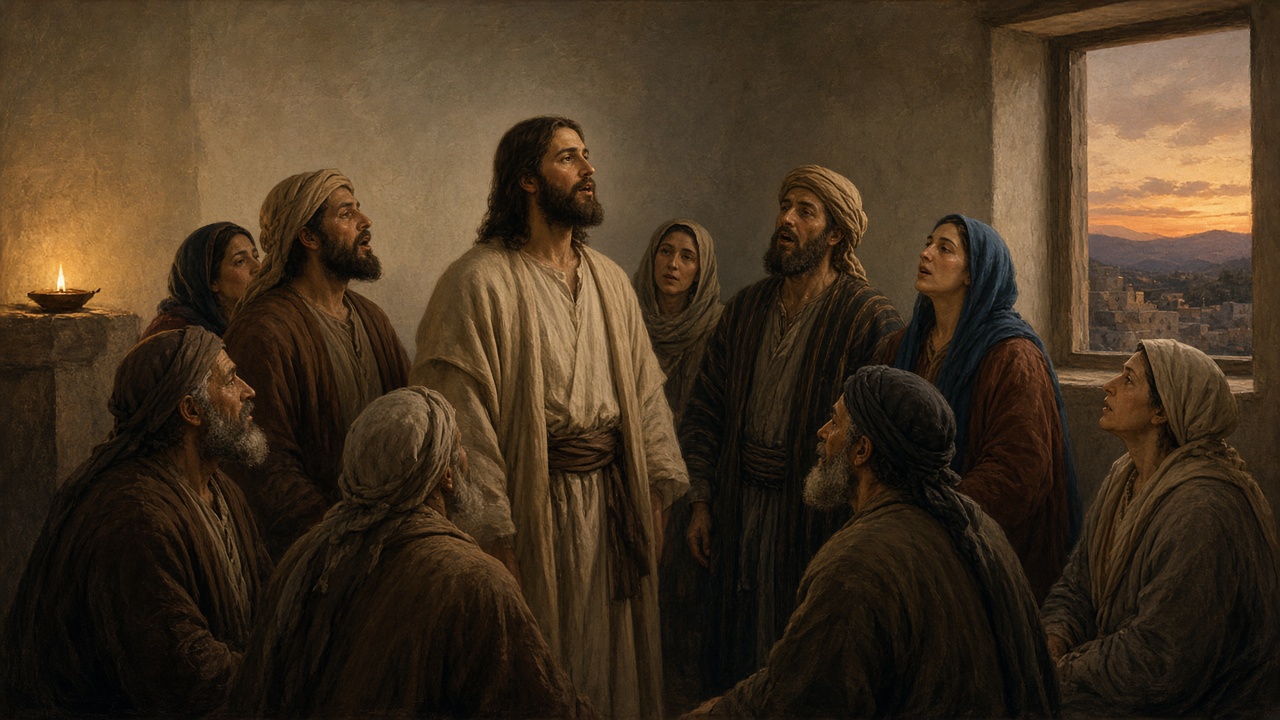
Sharing humanity, crowned through suffering
- Hebrews 2 recalls that the message spoken by angels was binding, and that every transgression and disobedience received its just punishment, then asks how anyone can escape who neglects so great a salvation. That salvation was first announced by the Lord, confirmed to us by those who heard him, and affirmed by God through signs, wonders, various miracles, and gifts of the Holy Spirit distributed according to his will.Sources: the Bible text itself
- The chapter quotes a testimony that man was made a little lower than the angels, crowned with glory and honor, with everything placed under his feet. When God subjected all things to him, he left nothing outside his control, yet at present we do not see everything subject to him. Jesus, made a little lower than the angels, is now crowned with glory and honor because he suffered death, so that by the grace of God he might taste death for everyone.Sources: the Bible text itself
- Hebrews 2 says Jesus helps not angels but the descendants of Abraham, and that he had to be made like his brothers in every way so that he might become a merciful and faithful high priest in service to God, to make atonement for the sins of the people. Abraham, son of Terah, is called father of a multitude and described as the heir of the promises.Sources: the Bible text itself · Abraham
Notes written with AI assistance from open sources (Theographic Bible Metadata, CC BY-SA 4.0; Easton’s Bible Dictionary, public domain) and reviewed before publishing.
Credits and license for this translation
Dios ã jáap naáwát tólih
New Testament in Cacua
copyright © 2008 Wycliffe Bible Translators, Inc.
Language: Cacua
Translation by: Wycliffe Bible Translators, Inc.
Copyright Information
© 2008, Wycliffe Bible Translators, Inc. All rights reserved.
This translation text is made available to you under the
terms of the Creative Commons License: Attribution-Noncommercial-No Derivative Works.
( http://creativecommons.org/licenses/by-nc-nd/3.0/ )
In addition, you have permission to port the text to different file formats, as long as you
do not change any of the text or punctuation of the Bible.
You may share, copy, distribute, transmit, and extract portions
or quotations from this work, provided that you include the above copyright
information:
You must give Attribution to the work.
You do not sell this work for a profit.
You do not make any derivative works that change any of the actual words or punctuation of the Scriptures.
Permissions beyond the scope of this license may be
available if you contact
us with your request.
The New Testament
in Cacua
© 2008, Wycliffe Bible Translators, Inc. All rights reserved.
This translation is made available to you under the terms of the
Creative Commons Attribution-Noncommercial-No Derivatives license 4.0.
You may share and redistribute this Bible translation or extracts from it in any format, provided that:
You include the above copyright and source information.
You do not sell this work for a profit.
You do not change any of the words or punctuation of the Scriptures.
Pictures included with Scriptures and other documents on this site are licensed just for use with those Scriptures and documents.
For other uses, please contact the respective copyright owners.
2014-08-06
Source: http://ebible.org/cbv/ · eBible.org