2 Corinthians 7
Dios ã jáap naáwát tólih · Tap a verse to see its cross-references.
1Pánihna, wã oinitá, nindih ñi tʉ́i jenah joyoó: “Ñi yéej chãjatdih ñi cádahachah, yeebdíh wẽi ennit, wã tʉ́i pej jʉmbipna caá”, Dios ã niijíchah joinít, nihat jwĩ yéejatdih jwĩ cádah jĩíh. Dios ã jĩ́gahat pínahdih chãjíhcan, yeejép jwĩ jenah joyátdih cádahat caá náahap. Pánih tʉ́ʉt nʉʉmnít, tʉ́i jenah joiná, ã weñat pínahboodíh jwĩ chãj jĩíh.
Corinto tʉ́tchidih moón ĩ tʉ́ʉt nʉʉmát
2Weemdíh ñi jwʉ́ʉb oi jenah joyoó, páant mʉntih. Ñijeéh jʉmna, deddih wã yéej chãjcap jĩ. Bohéna, yeebdíh wã yéej chãjat tʉ́ʉtcan, yeebdíh wã yee dʉ́ʉc wáicap jĩ. 3Páant niijnít, “Pablodih jwĩ tʉ́i oicatji jíib jwiítdih peéh chãjat ã jʉmna caá”, yeebdíh niíj jenah joyát tʉ́ʉtcan, “Pablo tʉ́i chãjni jĩí”, wã niíj jenah joyát tʉ́ʉtna caá. Wã jwíih niijátji pahjeh mʉntih, wã jwʉ́ʉb niijná caá: Yeebdíh bʉ́dí wã oina caá. Pánihna, ded pah yapna, wʉnna yʉhna, biíc yoobó yeebdíh jenah joinít, wã oi cádahcan niít. 4“Queét Corintodih moón tʉ́i chãjnit jʉmna, wã naáwátdih ĩ tʉ́i jepahbipna caá”, niíj jenah joinít, bʉ́dí wã wẽina caá. Pánihna, yeejép yapna yʉhna, yeebdíh páantjeh wã wẽi jenah joiná caá.
5Nin Macedonia baácboó wã jʉyʉ́chah, weemdíh chooát ã wihcap be. Páantjeh yeejép wã yapap be. Dawá jʉ̃ihnitboó “Ma tʉ́i chãjcan caá”, weemdíh ĩ niíj jʉ̃ihñʉp be. “¿Queét Corintodih moón wã oinitboó ĩ tʉ́i jʉm niít?” niíj jenah joinít, páantjeh yeebdíh bʉ́dí wã náhni dahwanap be. 6Obohjeéhtih, Dios jĩ́gahat yayániboó weemdíh teo wáacnit, Tito wã pebh ã jʉyʉ́chah, weemdíh bʉ́dí ã weñanap be. 7“Queét ĩ jwʉ́ʉb tʉ́i jʉmatdih enna, bʉ́dí wã weñep be”, weemdíh Tito ã niíj naáwáp be. Páant ã niíj naáwáchah joiná, weembʉ́t bʉ́dí wã weñep be. “Queét Corintodih moón Jesúíhwã meemdíh bʉ́dí ĩ bidna beé. ‘Yéej chãjnit, Pablodih bʉ́dí jwĩt jĩ́gahanap taga’, niíj jenah joinít, queétbʉt bʉ́dí ĩt jĩ́gahap wʉt be. Pánih jĩ́gahnit, ma daác wahnidih ennit, ĩt tʉ́i jepahap tabe”, Tito weemdíh ã niíj naáwáchah joinít, chah bʉ́dí wã weñep be.
8Wã jwíih daácnijidih wah péanit, “Nin wã wẽp naóh daacátjidih ennit, bʉ́dí ĩ jĩ́gahbipna caá. Páant wã wẽp naóh daáccan, ãta tʉ́i taga”, niíj jenah joinít, bʉ́dí wã jĩ́gah jwʉhʉp jĩ. Obohjeéhtih, bʉʉ ñi jĩ́gahat yayát doonádih joinít, weembʉ́t wã jĩ́gahcan caá. 9Bʉʉ bʉ́dí wã wẽina caá. Ñi jĩ́gahat doonádih joinít, wẽina wã chãjcan caá. Obohjeéhtih, jĩ́gahnit, tʉ́iniboodíh ñi tʉ́ʉt nʉʉmát doonádih joinít, bʉ́dí wã wẽina caá. Dios caá yeebdíh ãt jĩ́gahat tʉ́ʉtʉp taga, ñi jenah joyátdih ñi tʉ́ʉt nʉʉmát pínah niijná. Pánihna, wã daác wahniboó yéejacan, yeebdíh ãt tʉ́i teo wáacap taga. 10Dios ã náah yacat pahjeh jwĩ yéejatdih jĩ́gahna, yéej chãjatdih jwĩ cádahbipna caá. Pánih jĩ́gahna, jwĩ jenah joyátdih tʉ́ʉt nʉʉmnít, tʉ́iniboodíh jwĩ chãjbipna caá. Páant jwĩ tʉ́ʉt nʉʉmʉ́chah enna, iiguípna jwĩ bejat déejidih Diosboó ã tʉ́i ʉbbipna caá. Maátcanjeh jwĩ jĩ́gahna yʉhna, tʉ́i tʉ́ʉt nʉʉmnít, bʉ́dí jwĩ wẽibipna caá, bʉca. Obohjeéhtih, bitaboó ĩ yéej chãjat jíib queétdih Dios ã peéh chãjat pínahdih jĩ́gahna yʉhna, tʉ́ʉt nʉʉ́míhcan, iiguípna ĩ bejbipna caá. 11Yeéb Dios ã náah yacat pahjeh jĩ́gahnit, ñit tʉ́i tʉ́ʉt nʉʉmʉ́p taga. ¡Ñi jenah joyoó! Nin pah caá ñi tʉ́ʉt nʉʉmát: Bʉʉ jwʉhna, ded yéej chãjni ã yéejatdih enah bojcanjeh, yoobópdih ñi tʉ́ʉt nʉʉmát tʉ́ʉtna caá. Ñi yeejép jenah joyátjidih cádahnit, tʉ́ʉt nʉʉmnít, bʉʉ ñi tʉ́i jenah joyátdih wã jéihyat pínahdih weemdíh ñi náah yacna caá. Pánihna, weemdíh ñi wẽi jenah joi jwʉ́hcatjidih bʉ́dí ñit jĩ́gahap wʉt be. Ñi yéejat jíib Dios ã peéh chãjat pínahdih bʉ́dí ʉ́ʉmna, tʉ́i tʉ́ʉt nʉʉmnít, weemdíh jwʉ́ʉb eníhna, bʉ́dí ñit bidip wʉt be. Dios ã weñat pínahdihjeh ñit chãjap wʉt be. Det yéej chãjnitdih ñit peéh chãjap wʉt be. “Bʉʉ, queét yoobópdih chãjnit caá. Dedé yéej chãjat peéh queétdih ã wihcan caá, bʉca”, wã niíj jenah joiná caá. 12Yeebdíh daác wahna, yéej chãjnidih ñi peéh chãjat pínahdih, ã yéej chãjatjidihbʉt jenah joicánjeh wã daác wahap jĩ. Obohjeéhtih, Dios yeebdíh enna, “Queét Pablodih yoobópdih oinit caá”, ã niíj jenah joyátdih ñi tʉ́i jéihyat pínah niijná, wã daác wahap jĩ. 13Páant ñi tʉ́ʉt nʉʉmátdih jéihnit, bʉ́dí wã wẽina caá.
Tito ninboó jwʉ́ʉb jʉinít, weemdíh nin pah ã niíj wẽi naáwáp be: “Queét Corintodih moón ĩ tʉ́i tʉ́ʉt nʉʉmátdih ennit, wã jĩ́gahatji ã yayáh bejep jĩ. Pánihna, bʉ́dí wã wẽina caá”, ã niijíp be. Páant ã niijátdih joinít, weembʉ́t chah yeebdíh wã wẽina caá. 14Tito ñi pebhboó ã bejat tʉ́ʉt chãjachah, nin pah caandíh wã niijíp jĩ: “Queét Corintodih moón Jesúíhwã nin wã daác wahnidih ennit, ĩ tʉ́i jepahbipna caá”, wã niijíp jĩ. Pánihna, ñi tʉ́i jepahatjidih jéihnit, Titodih jwʉ́ʉb ennit, wã tíiccap be. Titodih wã niijátji biíc yoobó ãt yapap wʉt be. 15Tito ñi pebhna ã jʉibínachah, caandíh tʉ́i wẽi jwãáhnit, wã daác wahatdih ñi tʉ́i jepahatdih náhninit, yeebdíh chah ã oi jenah joiná caá. 16Bʉʉ tʉ́i jepahnit, Dios ã weñat pínahdihjeh ñi tʉ́i chãjatdih jéihna, tʉ́ttimah biíc yoobó ñi jepahat pínahdihbʉt wã tʉ́i jéihna caá. Pánih jéihnit, bʉ́dí wã wẽina caá.
Did you know?
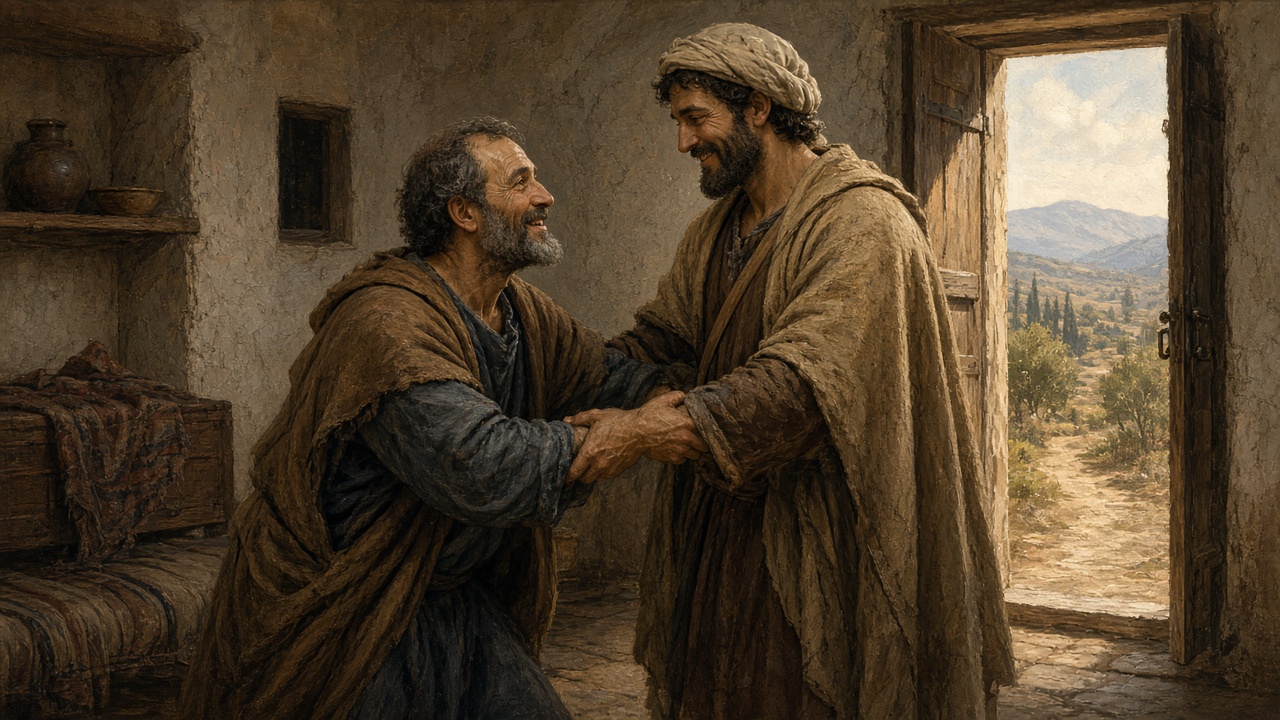
Comfort after a painful letter
- Macedonia, where Paul says he arrived with no rest in his body—conflicts outside and fears within—was a Roman province north of Greece. There, he writes, the God who comforts the downcast comforted him by the arrival of Titus.Sources: Macedonia · the Bible text itself
- Paul speaks of a letter that made them sorrowful, but only for a short time. He now rejoices not because they were sorrowful, but because that sorrow led them to repentance; he says they felt the sorrow God intended, were not harmed by him, and showed earnestness, zeal, and innocence in the matter.Sources: the Bible text itself
- A short account describes Titus as a companion of Paul, apparently a Gentile chiefly engaged in ministering to Gentiles. In this chapter Paul says Titus’s arrival comforted him, that Titus reported their longing, mourning, and zeal, and that they welcomed Titus with fear and trembling.Sources: Titus · the Bible text itself
Notes written with AI assistance from open sources (Theographic Bible Metadata, CC BY-SA 4.0; Easton’s Bible Dictionary, public domain) and reviewed before publishing.
Places in this chapter
- Macedonia · 41.600, 22.540 · verse 5
Only places identified with high confidence are shown (90% or more according to the scholarly sources compiled by OpenBible). Period map: DARE (Digital Atlas of the Roman Empire), CC BY 4.0; modern map: © OpenStreetMap contributors; places: OpenBible.info (CC BY 4.0).
Credits and license for this translation
Dios ã jáap naáwát tólih
New Testament in Cacua
copyright © 2008 Wycliffe Bible Translators, Inc.
Language: Cacua
Translation by: Wycliffe Bible Translators, Inc.
Copyright Information
© 2008, Wycliffe Bible Translators, Inc. All rights reserved.
This translation text is made available to you under the
terms of the Creative Commons License: Attribution-Noncommercial-No Derivative Works.
( http://creativecommons.org/licenses/by-nc-nd/3.0/ )
In addition, you have permission to port the text to different file formats, as long as you
do not change any of the text or punctuation of the Bible.
You may share, copy, distribute, transmit, and extract portions
or quotations from this work, provided that you include the above copyright
information:
You must give Attribution to the work.
You do not sell this work for a profit.
You do not make any derivative works that change any of the actual words or punctuation of the Scriptures.
Permissions beyond the scope of this license may be
available if you contact
us with your request.
The New Testament
in Cacua
© 2008, Wycliffe Bible Translators, Inc. All rights reserved.
This translation is made available to you under the terms of the
Creative Commons Attribution-Noncommercial-No Derivatives license 4.0.
You may share and redistribute this Bible translation or extracts from it in any format, provided that:
You include the above copyright and source information.
You do not sell this work for a profit.
You do not change any of the words or punctuation of the Scriptures.
Pictures included with Scriptures and other documents on this site are licensed just for use with those Scriptures and documents.
For other uses, please contact the respective copyright owners.
2014-08-06
Source: http://ebible.org/cbv/ · eBible.org