2 Corinthians 10
Dios ã jáap naáwát tólih · Tap a verse to see its cross-references.
Pablo Jesús ã naáwát tʉ́ʉtni ã jʉmat
1Bʉʉ nindih ñi náhninaá. Weém, Pablo, yeebdíh jwíih bohénijeh tigaá. Obohjeéhtih, yeéb weemdíh nin pah ñi niíj yeena caá: “Pablo ninboó jwĩjeéh jʉmna, cã́acwãdih ʉ́ʉmna, jéih naóhcanni pah ã jʉmna caá. Obohjeéhtih, biáboó jʉmna, ʉ́ʉmcanjeh jwiítdih jʉ̃ih naóh daác wahni caá”, ñit niíj yeenap wʉt be. Cristo cã́acwãdih oinit, teo wáaquíhna, íijcan tʉ́inijeh naóhni ãt jʉmʉp wʉt jĩ. Páant tʉ́inijeh ã naáwátji pah mʉntih weembʉ́t íijcan tʉ́inijeh yeebdíh wã naóh daác wahna caá. 2Pánih íijcan tʉ́inijeh naáwíhna yʉhna, yee naóhnitdih wã wẽp naóhna caá. Ñi pebhna wã jʉibínachah, ñi tʉ́i chãja chaáh, páant bóojeh, ñi yeeatdih ñi cádahaá, “Pablo jwiítdih jʉ̃ihná”, niijná. Ñi cãtíh jʉmnit, weemdíh nin pah ĩ niíj yeena caá: “Diosdih jepahcannit ĩ jenah joyát biíc yoobó Pablobʉt ã jenah joiná caá. Pánih jenah joí bohéna, Cristodih weñaíhcan, ã weñat pínahdihjeh ã bidna caá. Pánihna, Cristo ã naáwát tʉ́ʉtni nihcan caá”, queét ĩt niíj yeenap wʉt be. Páant niijnítdih bʉ́dí wã jʉ̃ihbipna caá. 3Diosdih jepahcannit míic naóhna, queét ĩ jenah joyátjĩhjeh chah ĩpĩ́ niijná caá. Obohjeéhtih, weembʉ́t cã́acjeh jʉmna yʉhna, queét ĩ chãjat pah weémboó wã chãjcan caá. Weemdíh yeejép naóhnitdih Dios ã wẽpatjĩh caá chah wãpĩ́ niijíp. 4Pánihna, Diosdih yap yohnitdih weém tʉ́i yoobópdih wã wẽp naóhna caá, ĩ yap yohatdih ĩ cádahat pínah niijná. Pánih wẽp naóhna yʉhna, wã jenah joyátjĩhjeh wã jéih cádahat tʉ́ʉtcan caá. Obohjeéhtih, Dios ã wẽpatjĩh ĩ yap yohatdih wãpĩ́ cádahat tʉ́ʉtna caá. Caandíh yap yohnit, ĩ jenah joyát yeejép ã jʉmatdih Dios ã wẽpatjĩh nihat cã́acwãdih wã jéihyana caá, yeejép ĩ jenah joí cádahat pínah niijná. 5“Nin pah caá Dios ã jʉmat”, niíj yee naóhnitdih ã wẽpatjĩh wã cádahat tʉ́ʉtna caá. Cã́acwã Diosdih ĩ jéihyat déedih jãhat panihnidih ã wẽpatjĩhjeh wã jéih yohna caá. “Maá Jesús, weemdíh ma tʉ́i teo wáacá, meemdíh yap yohcanjeh, yeejép wã jwʉ́ʉb jenah joicát pínah niijná”, jwiít nihatdih niiját caá náahap. 6Ñi pebhna wã jʉibínachah, yeejép jenah joicánjeh, caandíh ñi tʉ́i jepahatdih enna, det jwĩ Maáhdih yap yohna, páantjeh yeejép jenah joinítboodíh bʉ́dí wã peéh chãjbipna caá.
7Yeéb wĩ́ih bácahdihjeh ñi jéihna caá. Obohjeéhtih, wã jenah joyátboodíh ñi jéihcan caá. “Weem caá Cristo ã naáwátdih naóh yapaat tʉ́ʉtni”, ded niijnídih nin pahbʉt niíj jenah joyát caá náahap: “Pablobʉt biíc yoobó ã naáwátdih naóh yapaat tʉ́ʉtni caá”, ã niíj jenah joyó naáh. 8Obohjeéhtih, yeéb nin pah ñi niijná caá: “Pablo nin pah ã niijná caá: ‘Corintodih moondíh Dios weemdíh bohénadih ã bejat tʉ́ʉtʉp be’, niijnít, jwiítdih maáh dée ã jʉmna caá”, ñit niijíp wʉt yʉh be. Obohjeéhtih, ã bohéát tʉ́ʉtni jʉmna, wã tíiccan caá. Dios beé ñi pebhna weemdíh ã bejat tʉ́ʉtʉp be, ã́ih tʉ́ini doonádih naóhna, yeebdíh wã teo wáacat pínah niijná. Páant ã naáwát tʉ́ʉtni jʉmna, yeebdíh yéejaíhcan, ñi tʉ́i jʉmat pínah niijná, ã́ih wẽpatjĩh yeebdíh wã bohénap jĩ. 9Pánihna, wẽp naóh daác wahna yʉhna, yeebdíh ʉ́ʉmaíhcan, ñi tʉ́i tʉ́ʉt nʉʉmát pínah niijná, yeebdíh wã daác wahap be. 10Biquína ñijeéh jʉmnit nin pah ĩt niijíp wʉt yʉh be: “Pablo naóh daác wahna, ʉ́ʉm náah jʉmni maáh dée pah tʉb wẽpép ã wʉtna caá. Obohjeéhtih, ninboó jʉ̃óhna, oboh jʉmnijeh ã jʉmna caá. Pánihna, ã bohéni doonábʉt oboh naáwátjeh caá”, ĩt niijíp wʉt be. 11Páant ĩ niijíchah yʉhna, ĩ niiját pah wã nihcan caá. Wã wẽp naóh daác wahat pahjeh mʉntih, ñi pebhna jʉibínit, ñi tʉ́i tʉ́ʉt nʉʉmát pínah niijná, biíc yoobó wẽp naóhni wã jʉmbipna caá.
12Biquína ñijeéh jʉmnit, tʉ́i jéihcan yʉhna, “Bita ĩ jéihyat chah jwiítboó jéihnit caá. Bita Diosdih ĩ teo wʉ̃hat chah teo wʉ̃hnit jwĩ jʉmna caá”, ĩt niíj míic weñep wʉt yʉh be. Obohjeéhtih, páant niíj wẽina yʉhna, tʉ́i jenah joicánnit, Diosdih tʉ́i teo wʉ̃hnit nihcan caá. Queét ĩ jenah joyát pah weémboó wã jenah joicán caá. 13Weém cã́acwã ĩ maáh nihcan caá. Obohjeéhtih, jwĩ Maáh Jesucristo ã wʉtatdih jepahnit, caandíh teo wʉ̃hnijeh caá. Yeebdíh bohénadih ã jib bejat tʉ́ʉtʉchah, wã jepahap jĩ. Wã jenah joyátjeh nihcan, Diosboó weemdíh ã wahachah, yap yohcanjeh, ã wʉtatdih wã jepahap jĩ. Páant ã wʉtatdih jepahnit, Jesúíh tʉ́ini doonádih yeebdíh jwíih bohéni wã jʉmʉp jĩ. Pánih jwíih bohéni jʉmna, weemdíh wẽp naáwát caá náahap. Ded pah wã bohéát pínahdih jwĩ Maáh weemdíh ã naáwáchahjeh joinít, wãpĩ́ bohéna caá. Wã jenah joyátdihjeh wã bohécan caá. 15Yeebdíh yee bohénitji ĩ wẽi niiját pah, weémboó wã wẽi niijcán caá. Bita ĩ bohénitjidih ennit “Queétdih weémboó wã tʉ́i bohénachah, Cristodih ĩt jepahap taga”, wã niíj wẽican caá. Wã tewatdihjeh wã wẽi naóhna caá. Yeebdíh jwíih bohéni jʉmna, Cristodih chah ñi jenah joyát pínahdih wã náah yacna caá. Pánih náah yacna, ñi pebhna jwʉ́ʉb bohénadih wã bejíhna caá. 16Pánih bohénit, jwĩ Maáh ã weñat pínahdih ñi tʉ́i chãjachah ennit, biíh tʉ́tchinadih moondíhbʉt bohénadih wã bejbipna caá. Pánihna, ñíih baác yehboó bejnit, bita bohé jwʉhcannitboodíh wã naóhbipna caá. Jesúíh doonádih joi jwʉ́hcannitdihjeh naóhna, bita ĩ bohénitjidih “Wã tʉ́i bohéátji jíib queét jwĩ Maáhdih ĩ tʉ́i péena caá”, wã niijcán niít. 17Páant niijnít, jon jã́tih Dios naáwátdih naóh yapani nin pah ãt niíj daacáp tajĩ: “ ‘Weemdíh dedé jʉdhdat wihcan caá’, ĩ niijcá bojo naáh. Obohjeéhtih, ‘Jwĩ Maáh Dios, nihat jéihni, weemdíh ã tʉ́i teo wáacap be’, ĩ niijí naáh”, ãt niíj daacáp tajĩ. 18Det queétjeh “Jwiít caá tʉ́i bohénit”, niíj jenah joinítdih Dios ã wẽi encan caá. Obohjeéhtih, “Caán caá tʉ́i bohéni”, jwĩ Maáh Cristo ã niijníboodíh Dios ã tʉ́i wẽi enna caá.
Did you know?
Letters, Presence, and Warfare Not of This World
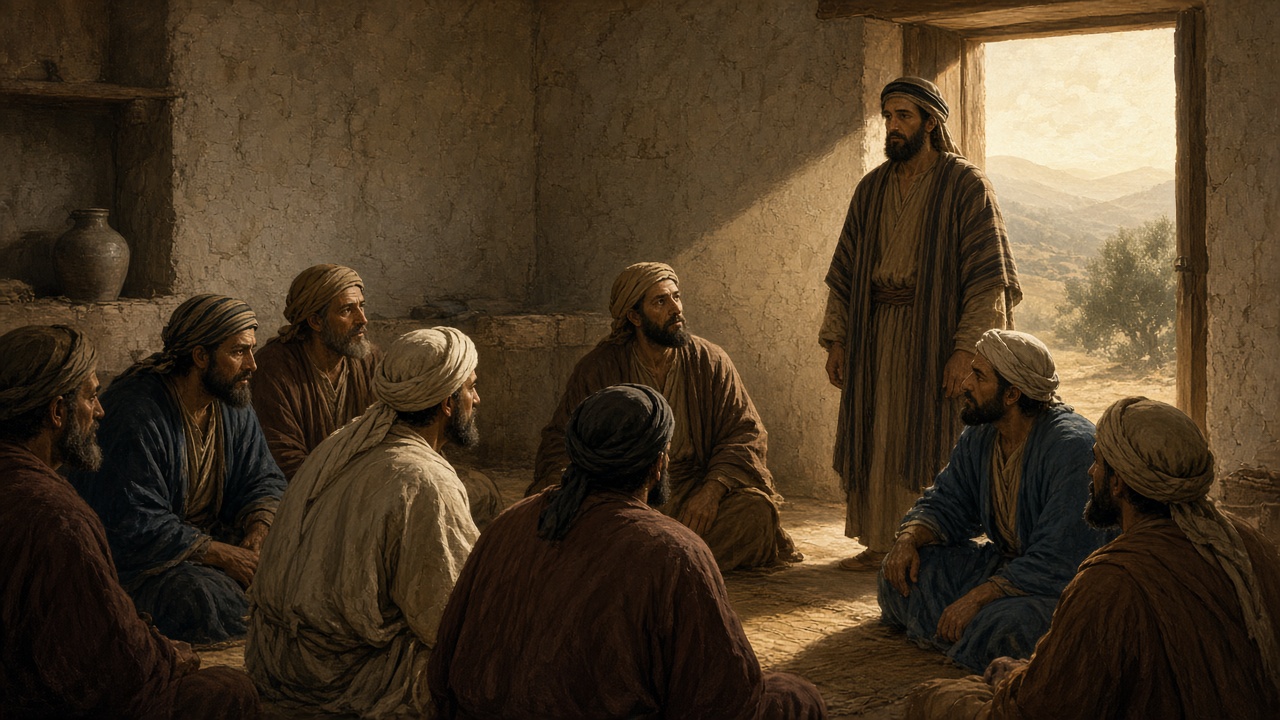
- Some people measured Paul by appearances and by his speech. They granted that his letters were weighty and forceful, yet called his physical presence unimpressive and his speaking of no account. He replies that what he is in his letters when away, he will be in his actions when he is present.Sources: the Bible text itself
- He casts the conflict in military terms, but not as an ordinary fight. Living in the flesh, he says, does not mean waging war according to the flesh. The weapons he claims are not the world's; they have divine power to pull down strongholds, to dismantle arguments and every presumption set against the knowledge of God, and to bring every thought into obedience to Christ.Sources: the Bible text itself
- Paul will not boast beyond the field of influence God has assigned him, a field that already includes his readers, since he was the first to reach them with the gospel of Christ. Anyone who boasts, he says, should boast in the Lord; approval belongs not to the one who commends himself, but to the one whom the Lord commends.Sources: the Bible text itself
Notes written with AI assistance from open sources (Theographic Bible Metadata, CC BY-SA 4.0; Easton’s Bible Dictionary, public domain) and reviewed before publishing.
Places in this chapter
- Corinth · 37.906, 22.879 · verse 14
Only places identified with high confidence are shown (90% or more according to the scholarly sources compiled by OpenBible). Period map: DARE (Digital Atlas of the Roman Empire), CC BY 4.0; modern map: © OpenStreetMap contributors; places: OpenBible.info (CC BY 4.0).
Credits and license for this translation
Dios ã jáap naáwát tólih
New Testament in Cacua
copyright © 2008 Wycliffe Bible Translators, Inc.
Language: Cacua
Translation by: Wycliffe Bible Translators, Inc.
Copyright Information
© 2008, Wycliffe Bible Translators, Inc. All rights reserved.
This translation text is made available to you under the
terms of the Creative Commons License: Attribution-Noncommercial-No Derivative Works.
( http://creativecommons.org/licenses/by-nc-nd/3.0/ )
In addition, you have permission to port the text to different file formats, as long as you
do not change any of the text or punctuation of the Bible.
You may share, copy, distribute, transmit, and extract portions
or quotations from this work, provided that you include the above copyright
information:
You must give Attribution to the work.
You do not sell this work for a profit.
You do not make any derivative works that change any of the actual words or punctuation of the Scriptures.
Permissions beyond the scope of this license may be
available if you contact
us with your request.
The New Testament
in Cacua
© 2008, Wycliffe Bible Translators, Inc. All rights reserved.
This translation is made available to you under the terms of the
Creative Commons Attribution-Noncommercial-No Derivatives license 4.0.
You may share and redistribute this Bible translation or extracts from it in any format, provided that:
You include the above copyright and source information.
You do not sell this work for a profit.
You do not change any of the words or punctuation of the Scriptures.
Pictures included with Scriptures and other documents on this site are licensed just for use with those Scriptures and documents.
For other uses, please contact the respective copyright owners.
2014-08-06
Source: http://ebible.org/cbv/ · eBible.org