1 Corinthians 2
Dios ã jáap naáwát tólih · Tap a verse to see its cross-references.
Cristo ã wʉn wʉ̃hatji
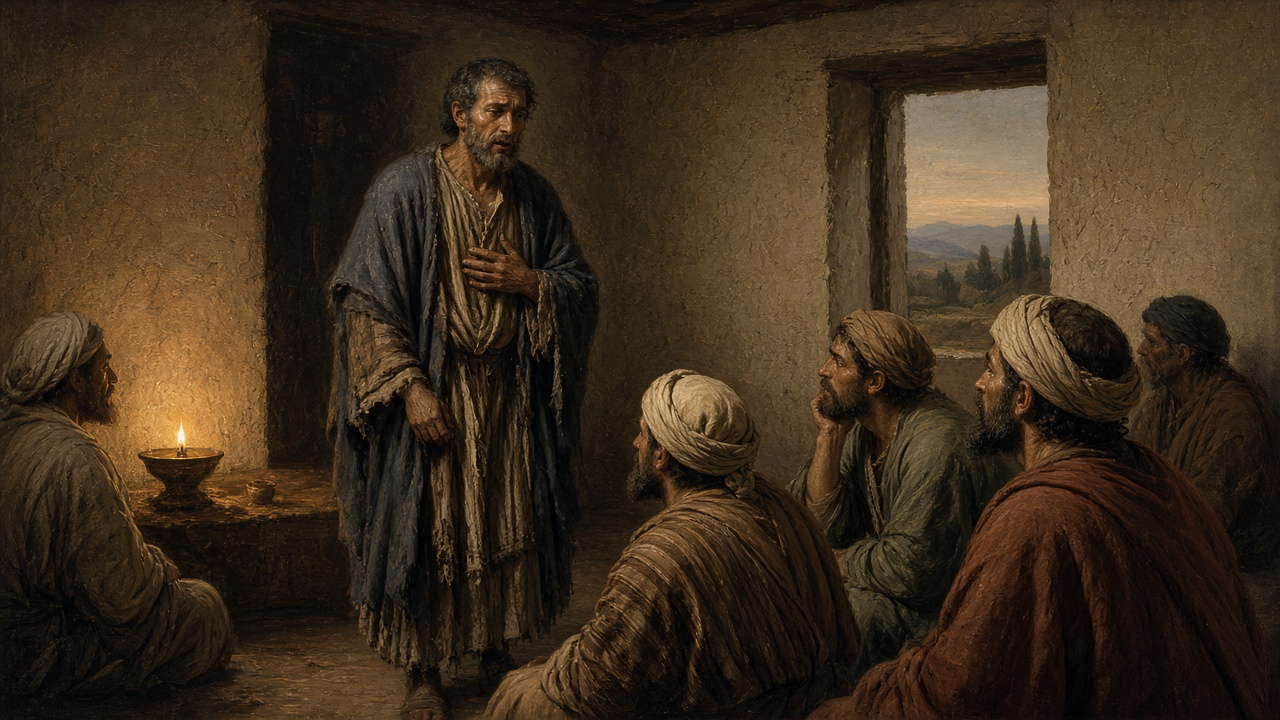
1Wã ʉ́ʉdwã panihnitá, ñi pebhna jwíih jʉibína, ded pah wã jʉmatjidih ñi tʉ́i náhninaá. Ñi pebhboó wã bejat pínah jã́tih nin pah wã niíj jenah joyóp jĩ: “Jesucristo ded pah ã jʉmatjidih bohéna, jwiítdih ã wʉn wʉ̃hatjidih queétdih wã jéihyabipna caá”, wã niíj jenah joyóp jĩ. Páant niíj jenah joinít, Dios weemdíh ã jéihyani doonádih tʉ́inijeh yeebdíh wã naóh bohénap jĩ, “Pablo nihat jéihni caá”, ñi niíj jenah joicát pínah niijná. 3Ñijeéh jʉmna, nin pah wã niíj jenah joyóp jĩ: “¿Yoobópdih niít wã bohénap? ¿Jesúsdih ĩ tʉ́i jepahmi naniít? ¿Jepahcan, íijnit, weemdíh ĩ yoh bacami naniít?” niíj jenah joinít, bʉ́dí wã ʉ́ʉmʉp jĩ. 4Jwiít cã́acwã jwĩ jenah joyátjĩhjeh wã naóh bohécap jĩ. Obohjeéhtih, Tʉ́ini Espíritu ã wẽpatjĩh yeebdíh tʉ́inijeh wã bohénachah joinít, Dios ded pah ã wẽpatdih ã jʉ́ʉtʉchah ennit, Jesúsdih ñi jepahap jĩ. 5Pánihna, “Pablo ã tʉ́i jéihyatjĩhjeh jwiítdih ã jepahat tʉ́ʉtcap jĩ. Obohjeéhtih, Dios ã wẽpatjĩh ã chãj jʉ́ʉtʉchah ennit, Jesúsdih jwĩ tʉ́i jenah joyóp jĩ”, ñi niiját pínah niijná, páant wã bohénap jĩ.
Tʉ́ini Espíritu ded pah Dios ã jʉmatdih ã jéihyaat
6Diosdih jéihcannit ĩ jenah joyát dedé pínah nihcah, Diosboodíh tʉ́i jenah joyát caá náahap. Diosdih tʉ́i jenah joinítdih nin pah wãpĩ́ niíj naóh bohéna caá: “Dios nihat jéihni jʉmna, jwiítdih tʉ́i ʉbat tʉ́ʉt niijná, Jesúsdih ãt wahjip taga. Pánih chãjna, jeáboó jwĩ jʉibínachah, chah tʉ́inidihbʉt jwiítdih ã chãjbipna caá”, wãpĩ́ niíj naóh bohéna caá. Nin baácdih moón maáta ĩ jenah joyát chah Dios ã jenah joyát caá. Queétboó ĩ wʉnʉchah, ĩ jenah joyátjidih bita ĩ náhnican niít. Obohjeéhtih, Diosboó nin baácdih ã chãjat pínah jã́tih, Jesúsdih ã wah deyaat pínahdih ãtát jenah joijíp taga. Jon jã́tih páant niíj jenah joiná yʉhna, jwiít cã́acwãdih ãt jéihya jwʉhcap taga. 8Páant ã jenah joyátjidih nin baácdih moón ĩ maátaboó ĩt beh joicáp jĩ. Ĩ beh joiná nihna, nihat jéihni, chah wẽpni, jwĩ Maáh Jesucristodih ĩta mao yohcan taga. 9Dios páant ã niíj jenah joyátjidih cã́acwã ĩ beh joicáh yʉhna, ã naáwátdih naóh yapani nin pah ãt niíj daacáp tajĩ:
“Caandíh oinitdih ded pah Dios tʉ́ini ã chãjat pínahdih jwiít cã́acwãboó encan, joicán, jwĩ jenah joi jwʉ́hcan caá. Ded pah jwĩ jenah joyát chah ã tʉ́i jʉmbipna caá”, ãt niíj daacáp tajĩ. (Is 64.4)
10Páant ã jéihya jwʉhcah yʉhna, ã jenah joyátjidih bʉʉ jwʉhna Tʉ́ini Espírituboó jwiítdih ã jéihyana caá. Caán Tʉ́ini Espíritu nihat jéihni, Dios ã jenah joyátdih ã tʉ́i jéih beedána caá.
11Jwiít cã́acwã biíh ã jenah joyátdih jwĩ jéihcan caá. Caanjéh caá ã jéihyep. Pánihat pah, jwiít cã́acwã Dios ã jenah joyátdih jwĩ jéihcan caá. Ã́ih Tʉ́ini Espíritujeh caá caandíh ã jéihyep. 12Diosdih jéihcannit ĩ jenah joyát pah jenah joiná, Dios ã jenah joyátdih jwĩ beh joicán caá. Páant jwĩ beh joicáh, ã́ih Tʉ́ini Espíritudih jwiítdih Dios ã wʉ̃hʉp jĩ, ded pah oinit, ã tʉ́i chãjatjidih jwĩ jéihyat pínah niijná. 13Páant ã jéihyanachah, ã wẽpatjĩh jwiítbʉt yeebdíh jwĩ jwʉ́ʉb bohéna caá. Diosdih jéihcannit ĩ jenah joyát pah jenah joinít, jwĩ bohécan caá. Obohjeéhtih, Tʉ́ini Espíritu ã jéihyanachah, bitadih jwĩpĩ́ bohéna caá.
14Jesúsdih jepahcannit, Tʉ́ini Espíritu wihcannit, caán ã bohéátdih náahcan, “Dedé pínah nihcan caá”, ĩ niíj jenah joiná yʉh caá. Pánihna, Tʉ́ini Espíritu ã teo wáaccah, ã bohéátdih queét ĩ jéih beh joicán caá. 15Tʉ́ini Espíritu ã teo wáacachah, Dios ded pah ã bohéátdih jwiít Jesúíhwã jwĩ jéih beh joiná caá. Pánih beh joiná, ã weñat pínahdih jwĩ jéih chãjna caá. Obohjeéhtih, Jesúsdih jéihcannitboó páant jwĩ chãjachah ennit, Dios ã weñat pínahdih beh joicán, “¿Dépanih tigaá queétboó páant ĩ chãj?” ĩ niijná caá. 16Páant ã jʉmat pah jon jã́tih Dios naáwátdih naóh yapani Isaías nin pah ãt niíj daacáp tajĩ:
“Dios nihat jéihni ã jʉmʉchah, jwiít cã́acwãboó ded pah ã jenah joyátdih jwĩ jéih beedácan caá. Pánih jéihcannit jʉmna, caánboodíh jwĩ jéih bohécan caá”, ãt niíj daacáp tajĩ.
Obohjeéhtih Tʉ́ini Espíritu ã teo wáacachah, jwiítboó Jesucristo ded pah ã jenah joyátdih jéihna, ã weñat pínahdih jwĩ jéih chãjna caá.
Did you know?
Christ crucified and the Spirit's wisdom
- The writer says he did not come with eloquence or wisdom when he proclaimed the testimony about God. He had resolved to know nothing while he was with them except Jesus Christ and him crucified, and he came in weakness, fear, and much trembling, so their faith would rest on God's power rather than on human wisdom.Sources: the Bible text itself
- The wisdom spoken among the mature is not the wisdom of this age or of its rulers, who are coming to nothing. It is called God's mysterious, hidden wisdom, destined for glory before time began; those rulers did not understand it, or they would not have crucified the Lord of glory.Sources: the Bible text itself
- The chapter says God has revealed by the Spirit what lies beyond human sight, hearing, and imagination. Only a person's own spirit knows that person's thoughts, and only the Spirit of God knows God's thoughts. The natural person does not accept what comes from the Spirit, treats it as foolishness, and cannot understand it, because it is spiritually discerned.Sources: the Bible text itself
Notes written with AI assistance from open sources (Theographic Bible Metadata, CC BY-SA 4.0; Easton’s Bible Dictionary, public domain) and reviewed before publishing.
Credits and license for this translation
Dios ã jáap naáwát tólih
New Testament in Cacua
copyright © 2008 Wycliffe Bible Translators, Inc.
Language: Cacua
Translation by: Wycliffe Bible Translators, Inc.
Copyright Information
© 2008, Wycliffe Bible Translators, Inc. All rights reserved.
This translation text is made available to you under the
terms of the Creative Commons License: Attribution-Noncommercial-No Derivative Works.
( http://creativecommons.org/licenses/by-nc-nd/3.0/ )
In addition, you have permission to port the text to different file formats, as long as you
do not change any of the text or punctuation of the Bible.
You may share, copy, distribute, transmit, and extract portions
or quotations from this work, provided that you include the above copyright
information:
You must give Attribution to the work.
You do not sell this work for a profit.
You do not make any derivative works that change any of the actual words or punctuation of the Scriptures.
Permissions beyond the scope of this license may be
available if you contact
us with your request.
The New Testament
in Cacua
© 2008, Wycliffe Bible Translators, Inc. All rights reserved.
This translation is made available to you under the terms of the
Creative Commons Attribution-Noncommercial-No Derivatives license 4.0.
You may share and redistribute this Bible translation or extracts from it in any format, provided that:
You include the above copyright and source information.
You do not sell this work for a profit.
You do not change any of the words or punctuation of the Scriptures.
Pictures included with Scriptures and other documents on this site are licensed just for use with those Scriptures and documents.
For other uses, please contact the respective copyright owners.
2014-08-06
Source: http://ebible.org/cbv/ · eBible.org