1 Corinthians 10
Dios ã jáap naáwát tólih · Tap a verse to see its cross-references.
Egipto baácmant jʉ̃óhnit ded pah ĩ yapatji
1Dios pebhboó jʉibínit, jwiítdih wẽinit, tʉ́inidih ã wʉ̃hat pínahdih jwiít nihat jwĩ bidna caá. Pánih bidnit, jwiít judíowã jwĩ nʉowã Egipto baácmant jʉ̃óhna, ded pah ĩ yapatjidih jwiítdih tʉ́i náhniat caá náahap. Queét nihat Moisésjeéh ĩ bejechah, Diosboó queétdih wapna, mah põh panihnijĩh ãt waáwáp wʉt jĩ. Mʉj Mac Dʉʉnidih jõpanit, queét nihat Moisésjeéh Dios ãt chʉ́ʉh bejat tʉ́ʉtʉp wʉt jĩ. Pánih jʉmna, Moisésdih ĩt tʉ́i péenap wʉt jĩ. 3Tʉ́tchi wihcapboó jʉmnit, Dios ã wʉ̃hni jeémátdih nihat ĩpĩ́ jeémép wʉt jĩ. 4Mʉj wihcah, mah ã bac jʉ̃ʉ́wát pínah niijná, Dios Moisésdih bʉ́dí jee dáhdih ãt mawat tʉ́ʉtʉp wʉt jĩ. Páant ã chãjachah, ã wʉ̃hni mahdih queét nihat ĩt babhbap wʉt jĩ. Jee dáhmant ĩ babhni mah ã bac jʉ̃ʉ́wát dée, Jesucristobʉt Tʉ́ini Espíritudih ãt wʉ̃hʉp wʉt jĩ. Ĩ jéih encah yʉhna, Jesús ĩjeéh ã jib bejechah, ã wʉ̃hni Tʉ́ini Espíritu queétdih ãt teo wáacap wʉt jĩ. 5Obohjeéhtih, queétdih Dios bʉ́dí ã teo wáacachah yʉhna, biquínajeh caandíh ĩt jepahap wʉt jĩ. Bita dawá caandíh jepahcannitdih wẽi encan, Dios queétdih ãt peéh chãjap wʉt jĩ. Pánihna, nihat Egipto baácmant jʉ̃óhnit, tʉ́tchi wihcapboó jib bejna, páantjeh ĩt wʉn beedép wʉt jĩ.
6Páant queét nihat ĩ yapatdih náhnina, biíc yoobó yeejép ĩ chãjat pah jwĩ chãjca boj jĩíh. 7Dios ã daacát tʉ́ʉtni tólih, Éxodo ĩ niijnídih, nin pah ãt niíj daacát tʉ́ʉtʉp tajĩ: “Queét cã́acwã ĩ pãpnidih wẽinit, biícdih wẽi jeémp babh máihna ĩt chãjap wʉt jĩ”, ãt niijíp tajĩ. Páant ĩ yéej chãjat pah, jwiítdih chãjcat caá náahap. 8Biíh láa biquína yaádh metnit, ií náah ĩt chãjap wʉt jĩ. Páant ĩ ií náah chãjat peéh biíc yeó jáapdihjeh veintitrés mil queétdih Dios ãt mawap wʉt jĩ. Páant ĩ chãjat pah, jwiítdih chãjcat caá náahap. 9Biíh láa, biquína nin pah Moisésdih ĩt niíj jʉ̃ihñʉp wʉt jĩ: “¿Dépanih tibeé jwiítdih Egipto baácmant ma ʉb jʉ̃óh? Nin tʉ́tchi wihcapboó jwĩ yabh jibna caá. Dios jwiítdih ã tʉ́i en daocán caá”, ĩt niijíp wʉt jĩ. Páant niijnít, Diosdih tac bʉʉgána, caandíh ĩt íijanap wʉt jĩ. Páant ĩ yéejat peéh, Dios maiwãdih ãt wahap wʉt jĩ, queétdih ĩ chãác mawat pínah niijná. Páant ĩ yapatdih jenah joinít, ĩ chãjat pah jwiítdih chãjcat caá náahap. 10Biíh láa, biquína nin pah ĩt míic niijíp wʉt jĩ: “¿Dépanih tigaá Dios Moiséswãdihjeh jwĩ maáta ãt chãj? Jwiít nihat biíc yoobó tʉ́init jwĩ jʉmna caá”, míic niijnít, Diosdih ĩt jʉ̃ihñʉp wʉt jĩ. Páant ĩ jʉ̃ihñat peéh mawat pínah niijná, Dios ã́ih ángeldih ãt wahap wʉt jĩ. Páant ĩ chãjat pah, jwiítdih chãjcat caá náahap.
11Páant queét ĩ yapatji jwiít péeni yeó jáapna jʉmnitdih ã jéihyana caá. Ĩ yapatjidih Moisés ã daacátjidih ennit, tʉ́i jenah joinít, biíc yoobó jwiítdih chãjcat caá náahap. 12“Weémboó Jesúsdih wã chah tʉ́i jenah joiná caá. Dedé yéej chãjat jenah joyát weemdíh ã jʉ̃ʉ́wʉ́chah yʉhna, wã tʉ́i jéih yap yohna caá”, niíj jenah joiná, ñi tʉ́i chãja chaáh. Páant niíj jenah joiná yʉhna, jon jã́tih moón ĩ chãjat pah, ñi jwʉ́ʉb yéej chãjmi nacaá. 13Jwiít nihat biquí láana yeejép chãjat jwĩ jenah joiná caá. Páant jwĩ yéej chãjíhichah yʉhna, jwĩ yéej chãjcat pínah niijná, Dios jwiítdih ãpĩ́ teo wáacna caá. Pánih teo wáacna, namá déedih jwiítdih ãpĩ́ jʉ́ʉtna caá, jwĩ yap yohat pínah niijná. Pánihna, ded pah jwĩ bʉʉjácatdih jéihnit, chah yeejépdih jãhnit, jwiítdih ãpĩ́ teo wáacna caá.
Pãpnidih wẽicat
14Wã chéenwã, nindih ñi tʉ́i joyoó: Bita “Jwĩ́ih dios, jwiítdih teo wáacni caá”, ĩ niíj pãpnidih ĩ weñepboó bejcanjeh, queét ĩ chãjat biíc yoobó yeebbʉ́t ñi chãjca bojoó. 15Yeéb tʉ́i jéihnit jʉmna, ded pah ñi chãjat pínahdih jéihyat tʉ́ʉt niijná, nin wã naáwátdih yeebjéh ñi tʉ́i jenah joyoó: 16Míic wáac jʉinít, Jesúíh meép panihni iguíh macdih babhnit, ã́ih bácah panihni pandihbʉt biícdih jwĩ jeémátdih bainí yeebdíh wã naóhbipna caá. Pánih babh, jeémpna, ã wʉn wʉ̃hatdih jenah joinít, “Tʉ́ina caá”, jwĩpĩ́ niijná caá. “Jwiítdih wʉn wʉ̃hna, jwiít ãjeéh tʉ́i biícdih jwĩ jʉmʉchah, ã wẽpat jwiítdihbʉt ã wʉ̃hna caá”, jwĩ niíj jéihna caá. 17“Jwĩ jeémpni pan biíc dahjeh ã jʉmat pah, jwiít nihat biícdih biíc bácah dée jwĩ jʉmna caá”, niíj jéihnit, caán pan dahdih biícdih jwĩpĩ́ jeémpna caá.
18Jwiít judíowã ded pah jwĩ chãjatdih ñi jenah joyoó: Dioíh mʉʉná bejnit, nʉñʉ́pdih mao cáo wʉ̃hnit, Diosdih jwĩpĩ́ wẽina caá. Caandíh jwĩ wʉ̃hat tʉ́ttimah, caán déepdih jeémpna, Diosjĩh biícwã jwĩ jʉmna caá. Bitabʉt pãpnidih ĩ wʉ̃hnijidih jeémpna, queétbʉt caanjĩ́h biícwã ĩ jʉmna caá. 19Páant niijnít, “Jwĩ́ih dios caá”, niíj pãpni, caandíh ĩ wʉ̃hnibʉt “Dedé wẽpat ã jʉmna caá”, wã niijcán caá. 20Obohjeéhtih, dedé wẽpat ã wihcah yʉhna, bita caandíh jeémátdih wʉ̃hna, Diosdih jenah joicánjeh, nemépwãboodíhjeh jenah joinít, ĩ wʉ̃hna caá. Pánih wʉ̃h péanit, jwʉ́ʉb jeémpna, nemépwã biícdih ĩ jʉmna caá. Yeébboodíh nemépwã biícdih ñi jʉmatdih wã náah yaccan caá. 21Nemépwã biícdih jʉmna, Dios biícdih ñi jéih jʉmcan caá. Dios biícdih tʉ́i jʉmat tʉ́ʉt niijná, nemépwã biícdih jʉmcat caá náahap. Pánihna, nemépwãdih ĩ wʉ̃hni jeémátdih ñi jeémpca bojoó. Caandíh wʉ̃hni babhbatdihbʉt ñi babhca bojoó. Jesucristo ã wʉn wʉ̃hatdih jenah joinít, caán biícdih jʉmat tʉ́ʉt niijná, ã́ih meép panihni iguíh macdih babhna, ã́ih bácah panihni pan dahdih jeémát caá náahap. 22Pãpnidih wʉ̃hniji jeémátdih, Jesús ã wʉnatdih jenah joiní jeémátdihbʉt jeémpna, jwĩ Maáhdih ñi íijana caá. ¿Yeébboó Diosdih chah wẽpnit niít ñi jʉmʉp? ¿Ñi yéejat ã peéh chãjatdih ñi jéih jweimí naniít? Nihcan caá. Pánihna, ã íijatdih ʉ́ʉmnit, nemépwãdih ĩ wʉ̃hnijidih ñi jeémp, babhca bojoó.
Bitadih oinit, teo wáacat
23Biquína yeéb nin pah ñi niíj jenah joiná caá: “Jesucristodih jepahni jʉmna, ‘Ma chãjca bojoó’, niiját weemdíh ã wihcan caá. Weemdíh yéej chãjatjeh ã náahcan caá”, ñi niíj jenah joiná caá. Obohjeéhtih, biíh jwĩ chãjachah, tʉ́ini jʉmna yʉhna, jwiítdihjeh, bitadihbʉt ã teo wáaccan caá. 24Pánihna, jwĩ weñat pínahdihjeh chãjcan, bitadih jwĩ teo wáacat pínahdih chãjat caá náahap.
25Déepdih jíib chãjatboó jíib chãjadih bejna, “¿Pãpnidih ĩ wʉ̃hni niít? ¿Wã jeéméchah, ã tʉ́imi niít?” niíj ʉʉ́bh joicánjeh, jíib chãjnit, ñi jeémé. 26Jwĩ íip Dios nihatdih ã chãjni, nihat ã́ih caá. Dedé jwĩ jeémát pínahdihbʉt chãjnit, jwiítdih ã wʉ̃hna caá. Pánihna, ã wʉ̃hnidih jwĩ jeéméchah, ã tʉ́ina caá.
27Jesúsdih jéihcanni yeebdíh ã nʉmah jeéméchah, bejnit, dedé ã wʉ̃hʉchah, “¿Nin pãpnidih ĩ wʉ̃hni niít?” niíj ʉʉ́bh joicánjeh, ñi jeémé. 28Obohjeéhtih, Jesúsdih jáap jéihnibʉt jʉmna, “Nin déep pãpnidih ĩ wʉ̃hni caá”, yeebdíh ã niijíchah joinít, caandíh ñi jeémpca bojoó. 29“Wã jeéméchah, ã tʉ́ina caá”, niíj jéihna yʉhna, jeémpnit, jwĩ Maáhdih jáap jéihniboodíh yeéb ñita yéeja tagaá. Obohjeéhtih, “Ñi jeémpca bojoó”, wã niijíchah joinít, nin pah weemdíh ñita niíj ʉʉ́bh joi tágaá. “Caandíh wã jeéméchah ã tʉ́yatdih jéihna yʉhna, ¿Dépanihna jáap jéihni ã jenah joyát pah weemdíh chãjat náah? 30Dedédih jeémpnit, ‘Ma wʉ̃hat tʉ́ina caá, Paá’, wãpĩ́ niijná caá. Páant wã niijíchah yʉhna, ¿Dépanihna, ‘Caandíh jeémpnit, ma yéej chãjna caá’, weemdíh ma niíj?” ñita niij tágaá. 31Páant niíj naóhna, nin pah niijná caá wã chãjap: Jwiít Jesúíhwãdih tʉ́i chãjat caá náahap, bita jwiítdih ennit, queétbʉt Diosdih ĩ weñat pínah niijná. Pánihna, jeémp, babh, dedédih chãjna, bita Diosdih ĩ wẽi naáwát pínah niijná, tʉ́i chãjat caá náahap. 32Judíowã, judíowã nihcannit, Jesúíhwãdihbʉt yeejép ñi chãj jʉ́ʉtca bojoó. 33Weémboó dedé wã chãjíhna, nihat cã́acwã ĩ tʉ́i jʉmatdih jenah joinít, wãpĩ́ chãjna caá. Pánihna, Jesúsdih ĩ jepahachah, Dios queétdih ã tʉ́i ʉbat pínahdih bʉ́dí náah yacna, wã tʉ́i jʉmat pínahdih jenah joicánjeh, bita ĩ tʉ́i jʉmat pínahdih wãpĩ́ jenah joiná caá.
Did you know?
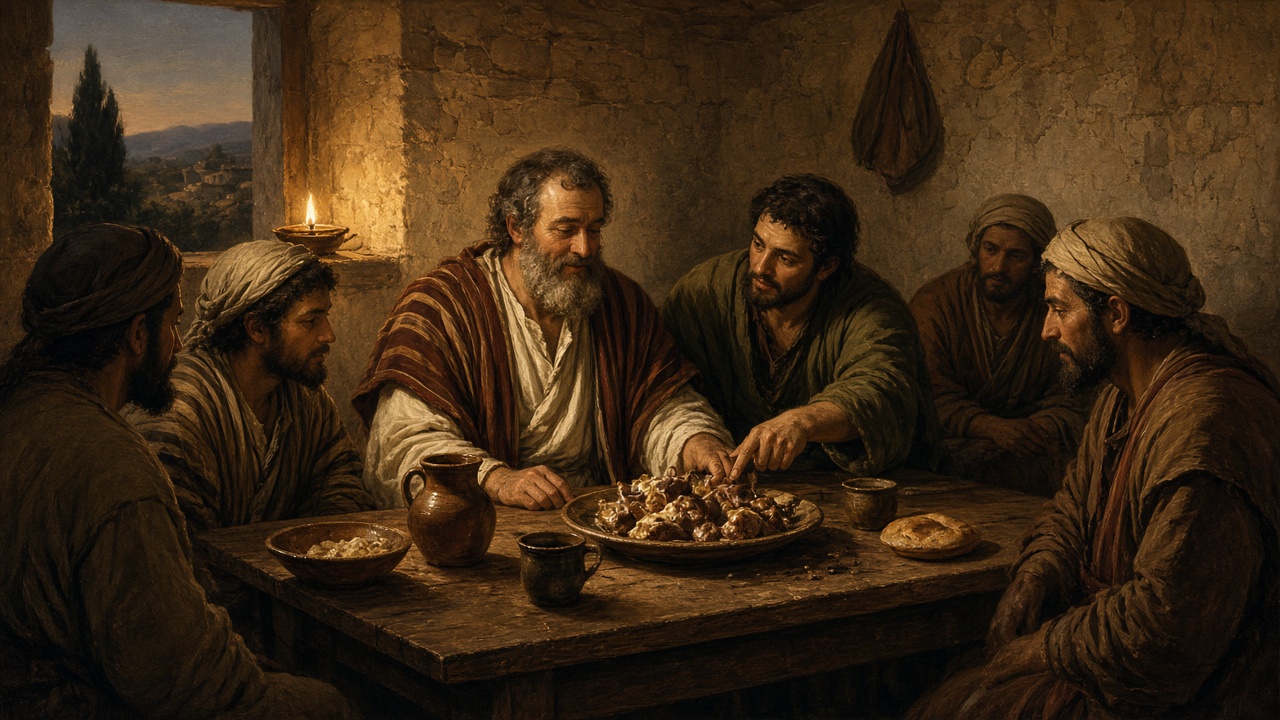
Wilderness Warnings and the Lord's Table
- Paul says he does not want the Corinthians unaware that the forefathers were all under the cloud and all passed through the sea, and that they were baptized into Moses in the cloud and in the sea. They all ate the same spiritual food and drank the same spiritual drink from the spiritual rock that accompanied them, and he says that rock was Christ.Sources: the Bible text itself
- Paul says God was not pleased with most of them, for they were struck down in the wilderness. He lists idolatry, sexual immorality in which twenty-three thousand died in one day, testing Christ, which brought death by snakes, and complaining, punished by the destroying angel, and calls these events examples written down as warnings.Sources: the Bible text itself
- He calls the cup of blessing and the bread that is broken a participation in the blood and body of Christ, and says pagan sacrifices are offered to demons, not to God, so the two tables cannot be shared. Food sold in the meat market may be eaten without raising questions of conscience, for "The earth is the Lord's, and the fullness thereof," but if someone says it was offered to idols, it should be refused for that person's conscience.Sources: the Bible text itself
Notes written with AI assistance from open sources (Theographic Bible Metadata, CC BY-SA 4.0; Easton’s Bible Dictionary, public domain) and reviewed before publishing.
Credits and license for this translation
Dios ã jáap naáwát tólih
New Testament in Cacua
copyright © 2008 Wycliffe Bible Translators, Inc.
Language: Cacua
Translation by: Wycliffe Bible Translators, Inc.
Copyright Information
© 2008, Wycliffe Bible Translators, Inc. All rights reserved.
This translation text is made available to you under the
terms of the Creative Commons License: Attribution-Noncommercial-No Derivative Works.
( http://creativecommons.org/licenses/by-nc-nd/3.0/ )
In addition, you have permission to port the text to different file formats, as long as you
do not change any of the text or punctuation of the Bible.
You may share, copy, distribute, transmit, and extract portions
or quotations from this work, provided that you include the above copyright
information:
You must give Attribution to the work.
You do not sell this work for a profit.
You do not make any derivative works that change any of the actual words or punctuation of the Scriptures.
Permissions beyond the scope of this license may be
available if you contact
us with your request.
The New Testament
in Cacua
© 2008, Wycliffe Bible Translators, Inc. All rights reserved.
This translation is made available to you under the terms of the
Creative Commons Attribution-Noncommercial-No Derivatives license 4.0.
You may share and redistribute this Bible translation or extracts from it in any format, provided that:
You include the above copyright and source information.
You do not sell this work for a profit.
You do not change any of the words or punctuation of the Scriptures.
Pictures included with Scriptures and other documents on this site are licensed just for use with those Scriptures and documents.
For other uses, please contact the respective copyright owners.
2014-08-06
Source: http://ebible.org/cbv/ · eBible.org