Exodus 5
Candoshi-Shapra · Tap a verse to see its cross-references.
Ashiriya, na kamanchintspa yuwaa Móysisi zoonllpa Aaronpa Ijiptoshchipa kurak tsiyatarangana anootsi
1Ashiri Israelchichpa tsiyatamaam iwatspayarandsin, Ijiptoshchipasha kurak tsiyatkatssin, Móysis zoonllpa Aaronpa naataranganaya. Ashiri kurakush kuseersin tsiyataranganaya. Kurakaatsi: Israelchichini Apanllirini, Taarashipani, iyash kuseeru, iyaa tsiyatarangiya. Tsiyatku tárangiya, shiyaatsi kurakaa; Nuwaa tputsiri zanganichpa. Waani arap machip naachinllinpa. Anush kuseersin, waani nuwaa ungirtachinllinpa, átcha Apanlli shiyaatsi, Móysisi kurakaa kamanku tárangiya. 2Itaru, Ijiptoshuchsha kurak parawarini tárangiya. ¿Chak Taarashipani? Nuw Taarashipani yasareezi. ¿Mayaamshta Taarashipanee kuk nuw payuchi? Itaru, nuw pakchiyam mangi Israelchicheetsis zanganimaam zandkeezi siyaatsi, Ijiptoshuch kurak tárangiya. 3Móysissha: Itaru, yaana Apanllirini iyaa istamaam iyash kusarangcha. Itaru, uru ashiritaa, iy arapinlltama machip naachiniya. Tuchip zar maayaruni, anush machish kuseeruni, chinuzee pachayaruni, mucheeruni, Taarashipanee iy Apanllirineetsini ungirtachiniya. Ndunnaa iy amb ashkachuni, iyaa Apanll wanguypat wanichpari. Nduntaatiya ashiru, tapazpataya izuuru iyaa tpachingachiya, Móysisi kurakaa tárangiya. 4Itaru, Ijiptoshsha kurak: Nduni; watsta; siy ngutis tputsee tárawzur tuxaraksa. Ngutis ántangatssa. Ashiritaa naangtsa. Ptatashinints. 5Napancha; wanip tputs Israelchichis nish nuwash tsapuni taaranaya, itaru siysa tputseewa tárawzur tuxaraksa. Na wappa. Naangints; tarawaztashinints. Tamundaksa nuwaatsi, kurak paraw tárangiya.
6Ashiri anuritam zar parawsha tarawzipanee urkar, Israelchicheetstam wamachtash kuruzurangiya. Uwshtisin kuseersin, parawsha kamachtaku tárangiya; 7Na siysa nimun aranginasha kamachtangtsa tarawaztamaam Israelchichee tputsi. Wayapuree pakchiyam panarintspa ladrichoom tinamaama. Waantin arap naayarusin, wayapuree nachungayarusin yachinllinaya. 8Itaru, kamaningints; Izuuru putam putam ashiru ladrichoo tatsamooru kapunguri wayangtsa, tángtsa. Mingassincha tputsi. Uw mingas tarawaztamaam ngatkusin; Iyaa zanganingcha. Arapi naayaruni iyaatsi Apanllirini ungirtapani átanicha, atanaya nuwaatsi. Kapung nuwaa tamundakanaya. 9Itaru, siysa ashiritaa aranginasha kizpurinasha itarawaztangtsa. Ashiri uwshtisin kapung tarawaztaksin, mapeeksin, mapiyashtisin patatchinlliniya. Yuwaa Móysis mangu ngichku átu anoo nda chinachinlliniya. Mishat, Aaronaatstam kuk nda payuchinlliniya, Ijiptoshuch kurak tarawzipanee urkar tárangiya.
10Ashiriya, tarawzipansha urkar misha Israelchichtam wamachtash Israelchichee tputs kamankatssin, naataranganaya. Ashiri, kamankusin táranganaya; Kurak paraw iyaa kamachtaku táyareeja; Israelchicheem wayapuree panarintspa ladrichoo tinamaama. Waantin naayarusin, wayapuree yáyarusin, ladrichoom tinachinllinpa, átcha kurak siyaatsi, tarawzipan urkar kamankusin táranganaya. 11Ashiriya na, siy saantarisha naayarus, wayapuree nachungayarus yángtsa, táranganaya. Anumunsha, kurak atitamcha, Ashiri siysa izuuru putam putam ashiru ladrichoo tatsamooru kapunguri wayachinllinpa, átcha, kurakaa siyaatsi, tarawzipan urkar kamankusin táranganaya Israelchicheetsi.
12Ashiriya, watam wayapuree izuuru pachindarangsin, Israelchichsha arap pseertayarusin, chirichiree waroo nachungakatssin naataranganaya. Anoo yáyaruni tsapupa íseeruni ladrichoom tinapani atusina.
Ashiriya, na kamaneena yuwaa Móysisi Ijiptoshchee kurak tsiyatarangana anootsi.
Ashiriya, na kamanchima yuwaa Israelchich wamachtash parawaa tsiyatarangana anootsi
13Ichinguru zar tarawzipan urkar Israelchichee taxiyranganaya. Izuuru ladrichoo kapungari wayangtsa; ningat pakich wayarintspa, táranganaya. Itaru, Israelchichsha izuuru pinasaranganaya. Ashiritaa, tarawzipan urkar wandari kamachtaranganaya aranginashta; ¿Tamasha sirútama nda ashtarsa? táyarusin, shinambaranganaya Israelchichee wamachtashi.
15Anumandsha, Israelchich wamachtash kurakap parawap naataranganaya. Kurakush kuseersin, tsiyatkusin, ¿Mayaamsha shiy sundarurish iyaa amb ashkanaya? táranganaya. 16Mishat, tárangana; Sundarurish iyaa kapung tamundakanaya ladrichoo tinamaama. Wayapur nduntaa iyaam pakchiyam panaksin, itaru ashtaa iyaa; ¿Mayaamshta ladrichoo nda tatsamooru wayaksa? iyaa atanaya. Iyaa kapung shinambkanaya. Ladrichoo zapantaa panakuni, ashiritaa wandartisin mangu iyaa kapung natsaksin ashkanaya. Ashiri shiycha sundarish waantari ashkashinllinaya, Israelchich wamachtash kurakaa parawa táranganaya. 17Parawsha; Siy ngutischa tarawaztamaam ngatkus, ningeem nuwaa tákatis. ¿Mayaamsa nuwaa tamundaksa? Ngutis tarawaztamaam ngatkus, ántangatis. Arap naayaruni, chinuzee pachayaruni, Apanllee ungirtapani, ngutis átus tamundaksa. 18Natu zamayarus, waptam kanapeerus tarawaztamatssa. Nduntaatiya siyaam wayapur panaksin, ashiritaa ladrichoo tatsamooru wayangtsa, támbeeru kurak kasarangiya Israelchichee wamachtashi.
19Ashiriya, kurakaa kuk mazinayarusin, yuwaa kurak ladrichoo tatsamooru wayangtsa, tárangu anoo kapung punirangusin, waptam kanapuranganaya. 20Parawarinish pang' shitungeerandsin, Móysisipsha pang' naataranganaya. Wishchipari kutaranganaya. Ashiriya, táranganaya Móysisee, 21Waanipari Apanll siyaa wanichiya yuwamand siy kurakaa mantsir kamachtarangish anumandaya. Na watam kurak wasundurur aranginasha iyaa kiyung yachakuwa. Sirútama taarangani anumand kasiru iyaa natsakanaya. Sirútama nduntaa ashiranguni, itaru natsha aranginasha kurak iyaa kiyung yachakiya. Yuwamand siy kurakaa taarangis anumand iyaa aranginasha itarawaztakanaya. Watam shaana ngichzee wayarangshawa. Anumand waani iyaa pachachiya, táranganaya Móysiseetsi mishat Aaronaatstamta.
22Ashiriya, Móysissha Apanllpa tsiyatamaam naatarangiya. Kapung mang' mantsaku tsiyatku tárangiya; Apaa, ¿shiy mayaamsha tputsireetsish mantsir ksutaksha? Shiy nuwaa zanganirangtaatish, Israelchichee istashini táyarush, nuwaa zanganirangsha. Itaru, nuwsha tsiyatarangtaati, Ijiptoshuch kurak uwsha nuwaa kuki nda payukiya, wandari aranginasha Israelchichee natsakanaya. Mishat, shiysha Apaa, nda pakchiyam tapachindarangsha, tárangiya Móysisi, Apanllee tsiyatku.
Ashiriya, na kamaneena yuwaa Israelchich wamachtash parawpat tsiyatarangana anootsi.
Did you know?
Harder Work After Pharaoh's Refusal
- Easton's Bible Dictionary (1897) says the Pharaoh of the Exodus was probably Menephtah I, the fourteenth and eldest surviving son of Rameses II, but it treats the identification as still an open question: some scholars, it notes, favor Seti II, whose reign it describes as beginning peacefully and ending in sudden disaster. The entry says he resided at Zoan, where he received Moses and Aaron in the interviews recorded in Exodus.Sources: Pharaoh (of the Exodus) · the Bible text itself
- Easton's Bible Dictionary (1897) places Jacob's arrival in Egypt probably about 350 years before Moses was born. It says a Hyksos king, from a pastoral Semitic people of Asia and called a shepherd king, received the family favorably and assigned them Goshen, the best of the land; in this chapter Pharaoh treats the people of Israel, now numerous, as laborers he will not let go.Sources: Moses · the Bible text itself
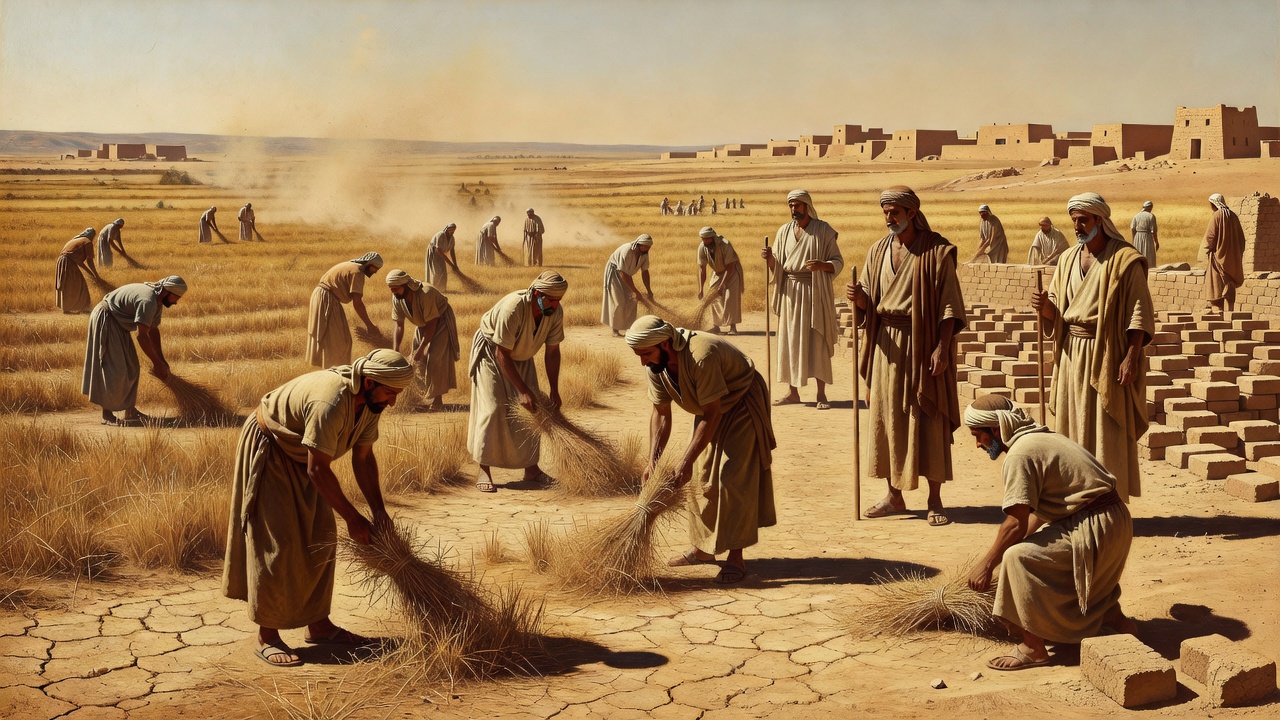
- Pharaoh answers the request to hold a feast in the wilderness by no longer supplying straw for the bricks, while still requiring the same daily quota. The people scatter through the land of Egypt to gather stubble, and the Israelite foremen whom Pharaoh's taskmasters had set over them are beaten when that quota is not met.Sources: the Bible text itself
Notes written with AI assistance from open sources (Theographic Bible Metadata, CC BY-SA 4.0; Easton’s Bible Dictionary, public domain) and reviewed before publishing.
Places in this chapter
Only places identified with high confidence are shown (90% or more according to the scholarly sources compiled by OpenBible). Period map: DARE (Digital Atlas of the Roman Empire), CC BY 4.0; modern map: © OpenStreetMap contributors; places: OpenBible.info (CC BY 4.0).
Credits and license for this translation
Candoshi-Shapra
New Testament in Candoshi-Shapra (PE:cbu:Candoshi-Shapra)
copyright © 2010 Wycliffe Bible Translators, Inc.
Language: Candoshi-Shapra
Translation by: Wycliffe Bible Translators, Inc.
Candoshi-Shapra
cbu
Peru
Copyright Information
© 2010, Wycliffe Bible Translators, Inc. All rights reserved.
This translation text is made available to you under the
terms of the Creative Commons License: Attribution-Noncommercial-No Derivative Works.
( http://creativecommons.org/licenses/by-nc-nd/3.0/ )
In addition, you have permission to port the text to different file formats, as long as you
do not change any of the text or punctuation of the Bible.
You may share, copy, distribute, transmit, and extract portions
or quotations from this work, provided that you include the above copyright
information:
You must give Attribution to the work.
You do not sell this work for a profit.
You do not make any derivative works that change any of the actual words or punctuation of the Scriptures.
Permissions beyond the scope of this license may be
available if you contact
us with your request.
The New Testament
in Candoshi-Shapra
© 2010, Wycliffe Bible Translators, Inc. All rights reserved.
This translation is made available to you under the terms of the
Creative Commons Attribution-Noncommercial-No Derivatives license 4.0.
You may share and redistribute this Bible translation or extracts from it in any format, provided that:
You include the above copyright and source information.
You do not sell this work for a profit.
You do not change any of the words or punctuation of the Scriptures.
Pictures included with Scriptures and other documents on this site are licensed just for use with those Scriptures and documents.
For other uses, please contact the respective copyright owners.
2025-04-30
Source: http://ebible.org/cbuNT/ · eBible.org