2 Corinthians 7
Candoshi-Shapra · Tap a verse to see its cross-references.
1Ashiriya, chinaki anis; Apanll anoo átu, siyaatstam mangoonamaam atiya. Payumaam waritariya. Yutaritshishee ichinguru ksangtsa. Mangeetsis yutariteentspa. Nutseetstamtis yutariteentspa. Yarangtsa. Wanasiriri taangtsa, watam Apanlleetsimari chinamaam waritakuwa.
2Ashiriya, zuwanllee; nuwaa niyriyspa; chinangandama.
Nuw nda minamtiyam tputsee tayutaritarangina; yutaritshishush nda tapshurangina; misha nda shuchirangina siyaa maachiritis. Ashiri ¿mayamandsha nda nuwaa chinaksa? 3Nuw siyaa ngutiriti tina, watam siyaa kizpur chinakinawa. Ayamtaati siyaa mbizacheezi, nda. Siyaa istamamari taakuri taakina. Siyamand kaminis tsipaneetstaati nda pachindkina. 4Nuw siyamun mangi tatkina; siyamun kizpur taakina. Kiyungutaa kachiykuri, ashiritaa mangi siyamun shambataktana. Siyamand kaminis wandaritam kiyung kachiykina. 5Nish araptaati taakuri, siyamand kanusamaam pinasarangitamana; wandaritam kiyung kachiykina. Piyartach tputs nuwaa tuxararangana; Isuschichimand tputs mangi mantsarangina. Isusoo kuk kasatssindi siyaa turi, mangi mantsarangina. 6Itaru, yuwapur ashirangi anpur Titsha kusarangiya. Apanll nuwaa kizpur istarangiya; mangeetsi tuwizpurtarangiya. 7Titoo paranguri, mangeetsi itsitchirangiya. Itaru, Titsha siyashchee tsiyatsis kamanirangu, mangeetsi izuuru yararangiya. Nuwaa kamanku, Koríndshuch shiyangaz kizpur zandkana, nuwaa, tárangu. Mishat, kirakareetsish natstayarusin, yutaritshishimand kapung tanurangana. Mishat, shiyaa chinaksin, tapachindamaam zandkana, watam tputs piyartach shiyaa yutaritam ínamaam zandkanawa; tárangiya nuwaatsi. Anoo nuw mazinaranguri, mangi ksarangina.
8Sirú kirakaa minu siyaam yandaranguri, siyap zanganirangina. Siy anoo natstarangus, nuwaa kuki mazinarangus, kizpur mangis mantsarangsa. Anumand mangi mantsamana mantsakeezi, watam anumand yutaritshishee izuuru kapeetarangsawa. Mangi pakich mantsamana mantsarangina, watam natumasam mangeetsis tamazumburanginawa. 9Itaru, natsha nuw mangi kischa, watam yutaritshishee kasarangsawa. Mangis mantsarangus, Apanll mangeetsis p'tseerangu, yutaritshishee kasarangsa; Apanll siyaa istarangiya. Ashirucha, anoo kirak yandaranguri, nda siyaa tayutaritarangina; siyaam wanasiri taamaam istarangiya. 10Tputs chiyaa waneeku, Apanll mangeetsich p'tseeyaru, yutarit taakich anumand mangich mantsakchuch, kasakchuch, anacha chiyaa kapung istakiya. Taarasheetsini itsinsakchu, ashiri Isusush kamungchiniya. Ashkachuni, pazimaam nduncha. Itaru, Apanllee ndunnaa chinakuch, tputs chiyaa waneeku, yutarit taakich anumand pazikuch, tsiyansimunari tsipachchi. 11Itaru, ¡tamaru Apanll siyaa istaranga! Apanll mangeetsis p'tseerangu, mangis kizpur mantsarangus, siysa mapiyrangeezis, nda. Mikeeru yararangsa. ¿Tamakuni iy ashkiniya? tárangus, Yutarittanicha iya; watsta, yutaritshishirineetsini izuuru kapeeteeni, tárangsa siya. Apanll waneerundama átus mikeeru yararangsa. Nuwangaz kizpur zandarangus, yutaritshishpanee tputs nda nayanirangus, waneerangsa. Yutaritshishee na izuuru kapeetarangus, mangeetsis yararangsa; wanasiririsha taaksa. Yungpaktischa. 12Ashirucha, nuwsha: ¿Kamaparee Koríndshuch nuwaa chinakeesinaya, nuwaa kuki payuchinllinaya? aturi, anoom kirakaa yandarangina. Yutaritshishpanee wanimaam zandamana zandarangina. Mishat, tputsee tayutaritarangu anoo istamaam zandamana zandarangtamti, yandarangina. Itaru, kaapa siyaa izuuru yasamaam zandaranguri, yandayaruri, zanganirangina. Kamapa Apanllee chinakeesinaya waanitari mangush chinachinllinaya aturi, anoom kirakaa yandarangina. Na saanitari yasarangsa. 13Nasha in tsiyatsis kuseeru, mazinayaruri, siyaa izuuru yasayana. Ashiri na mangi kischa. Mapiychtina.
Mishat, siy Titoo kapung istarangus, anumuntam nuw mangi ksarangina. Titooma siyash mang' kis taarangiya. 14Nduma siyap naachu, nuw Titootsi: Koríndshuch tputs Apanllee kuk izuuru payumaam zandkana; kasamaam nda zandkana, tárangina. Ashiriya, Titooma siyash naparangu, siysa Apanllee kuk kis payurangus, nuwaa wayangichirireem nda ínarangsa; na nuwaam pazimaam nduncha. Napa nuw siyaa uru itsinsaruri tsiyatkina; ngichkeezi. Ashiritam nuw Titoo itsinsaru tsiyatarangina; siyaa itsinsaru kamanirangina. Siy anuritam payurangsa. 15Anumun Titooma siyaa kizpur chinakiya; siyaa mbizakeeja. Titooma nuwaa kamanku, tárangiya; Koríndshuchish kuseeramchuri, nuwaa chinarangana. Shiyaa kukish yandamareetsish púnirpata mazinarangusin, itaru mikeertam wits mazinarangana; shiyaa kukish payumaam nda ngatarangana, nuwaa, tárangiya kamanku. 16Ashiri nuw mangi kischa. Yungpaktischa siya. Nuw siyamun mangi tatkina. Siyaa nda pakchiyam pazikina.
Ashiri yuwaa yutaritshishireetsis kapeetarangus, nuw mangi ksarangi anoo kamaneena.
Did you know?
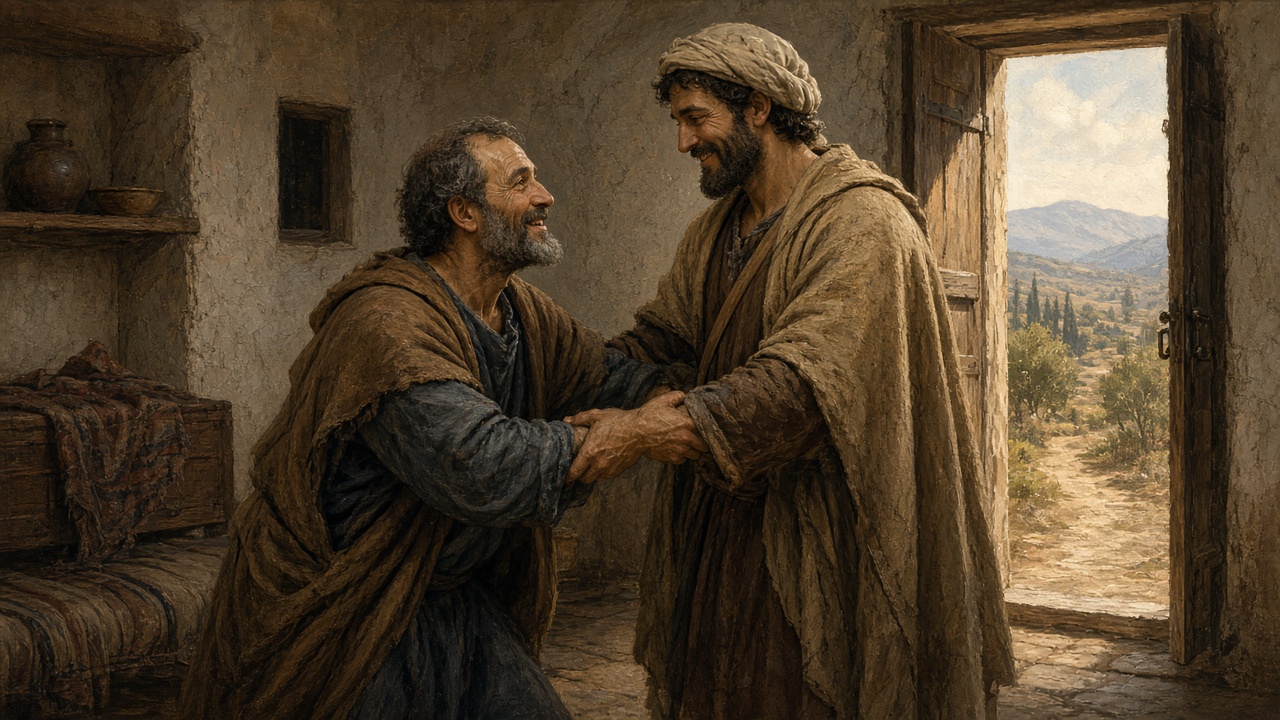
Comfort after a painful letter
- Macedonia, where Paul says he arrived with no rest in his body—conflicts outside and fears within—was a Roman province north of Greece. There, he writes, the God who comforts the downcast comforted him by the arrival of Titus.Sources: Macedonia · the Bible text itself
- Paul speaks of a letter that made them sorrowful, but only for a short time. He now rejoices not because they were sorrowful, but because that sorrow led them to repentance; he says they felt the sorrow God intended, were not harmed by him, and showed earnestness, zeal, and innocence in the matter.Sources: the Bible text itself
- A short account describes Titus as a companion of Paul, apparently a Gentile chiefly engaged in ministering to Gentiles. In this chapter Paul says Titus’s arrival comforted him, that Titus reported their longing, mourning, and zeal, and that they welcomed Titus with fear and trembling.Sources: Titus · the Bible text itself
Notes written with AI assistance from open sources (Theographic Bible Metadata, CC BY-SA 4.0; Easton’s Bible Dictionary, public domain) and reviewed before publishing.
Places in this chapter
- Macedonia · 41.600, 22.540 · verse 5
Only places identified with high confidence are shown (90% or more according to the scholarly sources compiled by OpenBible). Period map: DARE (Digital Atlas of the Roman Empire), CC BY 4.0; modern map: © OpenStreetMap contributors; places: OpenBible.info (CC BY 4.0).
Credits and license for this translation
Candoshi-Shapra
New Testament in Candoshi-Shapra (PE:cbu:Candoshi-Shapra)
copyright © 2010 Wycliffe Bible Translators, Inc.
Language: Candoshi-Shapra
Translation by: Wycliffe Bible Translators, Inc.
Candoshi-Shapra
cbu
Peru
Copyright Information
© 2010, Wycliffe Bible Translators, Inc. All rights reserved.
This translation text is made available to you under the
terms of the Creative Commons License: Attribution-Noncommercial-No Derivative Works.
( http://creativecommons.org/licenses/by-nc-nd/3.0/ )
In addition, you have permission to port the text to different file formats, as long as you
do not change any of the text or punctuation of the Bible.
You may share, copy, distribute, transmit, and extract portions
or quotations from this work, provided that you include the above copyright
information:
You must give Attribution to the work.
You do not sell this work for a profit.
You do not make any derivative works that change any of the actual words or punctuation of the Scriptures.
Permissions beyond the scope of this license may be
available if you contact
us with your request.
The New Testament
in Candoshi-Shapra
© 2010, Wycliffe Bible Translators, Inc. All rights reserved.
This translation is made available to you under the terms of the
Creative Commons Attribution-Noncommercial-No Derivatives license 4.0.
You may share and redistribute this Bible translation or extracts from it in any format, provided that:
You include the above copyright and source information.
You do not sell this work for a profit.
You do not change any of the words or punctuation of the Scriptures.
Pictures included with Scriptures and other documents on this site are licensed just for use with those Scriptures and documents.
For other uses, please contact the respective copyright owners.
2025-04-30
Source: http://ebible.org/cbuNT/ · eBible.org