Genesis 14
Yosë nanamën · Tap a verse to see its cross-references.
Aprani Noto nicha'ërinso'
1Naporo' Misopotamia parti: Sinaro ro'tëquë, Amarahuiro itopiso' copirno nisarin. Irasaro ro'tëquënta', Arioco itopiso copirno nisarin. Iran ro'tëquëso nipirinhuë', Quitaraomiro itopiso copirno nisarin. Coimo ro'tëquënta', Titaro itopiso copirno nisarin. 2Inapitaso', isopita a'natërápo copirnoro'sarë', niinimicotatona niahuërápi: Pira, Pirsa, Sinapo, Simipiri, inapita itopisoarë' niahuërápi. Piraso', Sotoma ninano copirno. Pirsanta Comora ninano copirno. Sinaposo nipirinhuë', Atoma ninano copirno. Simipirinta Sipoin ninano copirno. Pira ninanoa'hua copirnonta', inapita catahuarin. (Pira ninanoa'huaso', Soaro itopi anta'.) Inapitarë', a'natërápo copirnoro'sa', Sitin motopiana itopiquë, sontaronënapita yontonpi ahuëtacaiso marë'. Inaso motopiana, Chimirii' marë parti quëparitërin. 4Ina nápo copirnoro'sa chachin Quitaraomirori iráca canaton, shonca cato pi'ipi camairin. Napoaponahuë', ina pi'i niantarinquë a'natërápo copirnoro'saso napopináchin yonquiatona', Quitaraomiro yaahuëpi huachi. 5Ina pi'i huëantarinquë Quitaraomiroso', cara copirno catahuarinsopitarë chachin, huëantarin. Asotaroto Carnain parti huë'sahuatona', nihuaimoro'sa canaipi. Ina quëran sosiro'sa ya'huërë', An ninanoquë ya'huëpisopita canaantapi. Imiro'santa', Sapi-quiritain ninanoquë canaantapi. 6Orioro'santa Sëir motopiro'saquë canatona', Ir-paran ninanoquë huarë' imapi. Ina ninanoso', inotëro intonquë ya'huërin. 7Quitaraomiroso cara copirno catahuarinsopitarë chachin tahuërëantarahuatona', In-mispa ninanoquë canquipi. Ina ninanoso', Catisë itopi anta'. Huëantapona pochin amaricoro'sa ya'huërinso parti tiquitëriapi. Naporahuaton amororo'santa', Asison-tamarquë ya'huëpisopita inapotopi.
8Naporiatona', Sitin motopianaquë canquipi huachi. Naporo' Sotoma, Comora, Atoma, Sipoin, Pira, inapita ninanoro'sa copirnonënaso', inaquë pa'mapi. Sontaronënapitarë chachin pa'mapi. Inaquë inapita a'natërápo copirnoro'saso', Quitaraomiro, catahuarinsopita, inapitarë' niahuëpi huachi. 10Ya'ipi Sitin motopianaquë, notohuaro' to'ni pochin nininso' posoro'sa ya'huërin. Naporo' quira nipachinara, Sotoma, Comora, inapita copirnoro'sa', piyapinënapitarë chachin ta'api. Ta'apirinahuë', ina posoro'saquë anotopi. A'napita cara copirnoro'saso nipirinhuë', motopiro'sa ta'atopi.
11Canatoro'saso', Sotoma, Comora inapita ninanoro'saquë ya'conpi. Inaquë ya'conatona', cosharo', ma'sharo'sa pa'ton nininsopita, inapita ya'ipi macatona quiquipi. 12Sotomaquë, Apran apin Notonta', ya'huërin ni'ton, inanta quëpapi. Ya'ipi ma'shanënpitarë chachin quëpapi. 13Napoaponahuë', a'nara quira quëran cha'ërahuaton, Apran sha'huitapon pa'nin. (Apranso', iprio piyapi itopi.) Naporo' inaso', Mamiriri hua'anëntërinso insina nararoquë ya'huërarin. Mamiriso', amoro piyapi. Iin mashonënpitaso': Aniri, Iscoro, inapita. Inapitaso' Apran payatona', catahuapi.
14Apranso apin quëpapiso natantahuaton, piyapinënpita natëtono'sa nipiso huayonin. Inapitaso', pëinënquë chachin hua'huatatona so'sopiso'. Ayontonpachina, cara pasa shonca posa quëmapi'sa ya'ipiya quëran icanpi. Inapitarë', Apran pa'nin copirnoro'sa imacaso marë'. Tano ninanoa'huaquë huarë' imarin. 15Pa'sahuatona', inimicoro'sa quënanconpi. Yono tashi nisahuaso', ya'copirahuatona', ahuëpi. Copirnoro'sa canarahuatona', imapi. Opa ninanoquë huarë' imapi. Ina ninanoso', Tamasco ninano quëran norti parti quëparitërin. 16Inapoatona', ya'ipi ma'sha quëpapiso' matopi. Notonta nicha'ërahuatona', ya'ipi ma'shanënpitanta quëpatopiso', mataantarin. Naporahuaton, na'a piyapiro'sa nicha'ërin. Sanapi'santa quëparapirinahuë', nicha'ërin.
Miriquisori Apran nacapirinso'
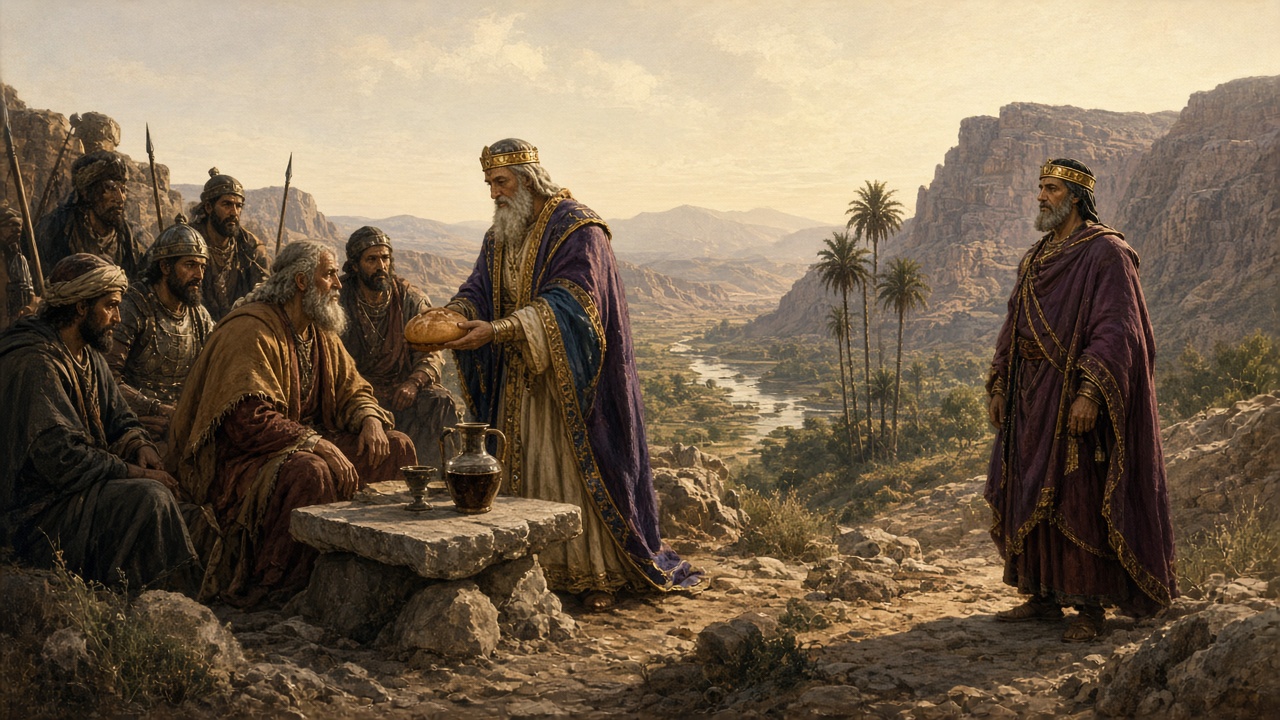
17Apranso' Quitaraomiro canarin. Cara copirno catahuarinsopitarë chachin canarin. Inapita canarahuaton huënantarin. Huëntaso', Sotoma copirnori nacapirin. Sapi motopianaquë nacapirin. Inaso', “copirno motopiana,” itopi anta'. 18A'na copirnorinta', Apran nacapirin. Inaso', Miriquiso itopi. Sarimoquë copirno ya'conahuaton, corto hua'an nimantarin. Yosë chini chiníquën nanantërinso marë' sacatërin. Inaso Apran a'carahuaton, huinonta o'shitërin. Piyapinënpitanta', a'carin, o'shitërin, napotërin. 19Nani a'carahuaton, Miriquisori Apran iso pochin sha'huitërin:
“Yosë chini chiníquën nanantërinso', catahuainquën.
Inaso', pi'iro'të', isoro'pa', inapita acorin.
20¡Ma noyacha Yosëso chini chiníquën nanantërin paya! itahua'.
Ina nohuanton, inimiconënpita minsëran,” itërin.
Naporo Aprani inimicoro'sa ma'sha matërinso', shonca quëran a'nara Miriquiso quëtërin. Inaso', diesmo itopi.
21Ina piquëran Sotoma copirnori, Apran itapon:
—Piyapi'sara' quëtoco, ya'huërë' ma'shaso', quëmari maquë', itërin. 22Napotopirinhuë', Apraniso' itapon:
—Yosë chini chiníquën nanantaton, pi'iro'të', isoro'pa', inapita acorin. Ina ni'sárinco ni'ton, co pi'shi tëranta', co sapatë nonin tëranta caora marë' macapohuë': “Cari, Apran ama'huanahuë.” Ama tëcamaso marëhuë', co macapohuë'. 24Caso caora marë' co manta nohuantërahuë'. Piyapinëhuëpita ca'pisoíchin tëhuënchinso', nani matatë pochin nitëranquën. Naporahuaton, Aniri, Iscoro, Mamiri, inapitanta ahuëta'huaso', catahuarinaco. Inapita tëhuëchinso' ma'sha mapiso', onpopionta macacaiso ya'huërin, itërin.
Did you know?
The Campaign of the Four Kings
- Easton's Bible Dictionary (1897) identifies the four invading kings with names on ancient inscriptions: Chedorlaomer with Khudur-Lagamar of Elam, Amraphel with Khammu-rabi of Shinar (southern Chaldea), Arioch, king of Ellasar, with Eri-Aku of Larsa, and Tidal with Tudkhula. It explains Eri-Aku as an Elamite name meaning “servant of the moon-god,” later changed to Rimsin, and takes Goiim—“nations”—as Gutium, east of the Tigris and north of Elam.Sources: Chedorlaomer · Amraphel · Arioch (king of Ellasar) · Tidal
- The five local kings drew up for battle in the Valley of Siddim, which this chapter equates with the Salt Sea, and the valley was full of tar pits into which some of the fleeing men fell. Easton's Bible Dictionary places that valley at the south end of the Dead Sea, between Engedi and the cities of the plain, and calls the pits bitumen pits.Sources: the Bible text itself · Vale of Siddim
- Abram lived near the oaks of Mamre the Amorite, a brother of Eshcol and Aner, and the three were bound by treaty to him. Easton's Bible Dictionary calls Mamre and Eshcol Amorite chiefs and Aner a Canaanite chief, and notes that they joined Abram in pursuing Chedorlaomer and recovering Lot.Sources: the Bible text itself · Mamre · Eshcol · Aner
Notes written with AI assistance from open sources (Theographic Bible Metadata, CC BY-SA 4.0; Easton’s Bible Dictionary, public domain) and reviewed before publishing.
Places in this chapter
- Elam · 32.189, 48.258 · verses 1, 9
- Shinar · Today: Babylonia · 32.543, 44.422 · verses 1, 9
- Salt Sea · Today: Dead Sea · 31.500, 35.500 · verse 3
- Shaveh-kiriathaim · Today: within 1 km of Al Qurayyat · 31.541, 35.686 · verse 5
- Dan · Today: Tel Dan · 33.249, 35.652 · verse 14
- Damascus · 33.511, 36.306 · verse 15
- Valley of Shaveh · Today: intersection of Kidron Valley and Valley of Hinnom · 31.767, 35.236 · verse 17
- Salem · Today: Jerusalem · 31.777, 35.234 · verse 18
Only places identified with high confidence are shown (90% or more according to the scholarly sources compiled by OpenBible). Period map: DARE (Digital Atlas of the Roman Empire), CC BY 4.0; modern map: © OpenStreetMap contributors; places: OpenBible.info (CC BY 4.0).
Credits and license for this translation
Yosë nanamën
New Testament in Chayahuita (PE:cbt:Chayahuita)
copyright © 2011 Wycliffe Bible Translators, Inc.
Language: Chayahuita
Translation by: Wycliffe Bible Translators, Inc.
Chayahuita
cbt
Peru
Copyright Information
© 2011, Wycliffe Bible Translators, Inc. All rights reserved.
This translation text is made available to you under the
terms of the Creative Commons License: Attribution-Noncommercial-No Derivative Works.
( http://creativecommons.org/licenses/by-nc-nd/3.0/ )
In addition, you have permission to port the text to different file formats, as long as you
do not change any of the text or punctuation of the Bible.
You may share, copy, distribute, transmit, and extract portions
or quotations from this work, provided that you include the above copyright
information:
You must give Attribution to the work.
You do not sell this work for a profit.
You do not make any derivative works that change any of the actual words or punctuation of the Scriptures.
Permissions beyond the scope of this license may be
available if you contact
us with your request.
The New Testament
in Chayahuita
© 2011, Wycliffe Bible Translators, Inc. All rights reserved.
This translation is made available to you under the terms of the
Creative Commons Attribution-Noncommercial-No Derivatives license 4.0.
You may share and redistribute this Bible translation or extracts from it in any format, provided that:
You include the above copyright and source information.
You do not sell this work for a profit.
You do not change any of the words or punctuation of the Scriptures.
Pictures included with Scriptures and other documents on this site are licensed just for use with those Scriptures and documents.
For other uses, please contact the respective copyright owners.
2014-04-22
Source: http://ebible.org/cbtNTpo/ · eBible.org