Matthew 9
Dios Cʉ̃ Cauetibʉjʉ Cũrĩcã Tuti · Tap a verse to see its cross-references.
Jesús sana a un paralítico
1Bairo na caĩrõ tʉ̃go, Jesús cũmuarẽ ájããñupʉ̃ tunu. Bairo ájãã yua, ti ʉtabʉcʉra ape nʉgõãpʉ pẽñacoásúpʉ cʉ̃ cabuerã mena. Pẽñaátí yua, cʉ̃ ya macã majũpʉ etayupʉ. 2Bairo cʉ̃ caetaro ĩña, ti macã macããna jĩcããrã Jesutʉ, ñicãrĩ cabʉʉricʉre cʉ̃ neasúparã, na canerĩ coro mena. Bairo na caató ĩña, Jesús pʉame masĩcõãñupʉ̃ cʉ̃ mena na catʉ̃goñatutuarijere. Torecʉ, atore bairo qũĩñupʉ̃ Jesús ñicãrĩ cabʉʉricʉre:
—Yʉ yaʉ, caroaro ʉseanirõ ãnitʉ̃goñaña. Merẽ mʉ carorije wapare yʉ netõõcõãña —qũĩñupʉ̃ Jesús.
3Bairo cʉ̃ caĩrõ tʉ̃go, cʉ̃tʉ macããna Moisés ãnacʉ̃ cʉ̃ caroticũrĩqũẽrẽ cajʉ̃gobueri majã pʉame bairo ĩ tʉ̃goñañuparã na yeripʉ: “Diore cʉ̃ netõnʉcãʉ̃ átiyami bairo cʉ̃ caĩrĩjẽ mena. ‘Merẽ mʉ carorije wapare yʉ recõãña,’ cʉ̃ ũcʉ̃ ĩ masĩã maa.” 4Masĩcõãñupʉ̃ Jesús cʉ̃ yeripʉ na caãmeobʉsʉrijere. Bairi atore bairo na ĩñupʉ̃:
—¿Nopẽĩrã yʉ mena roro mʉjãã tʉ̃goñañati? 5“Mʉ carorije wapare yʉ netõõña,” ãnirẽ yʉ caĩata, “Bairo ĩcõãʉ̃ ĩñami,” mʉjãã ĩbujiorã. Bairãpʉa, “Wãmʉnʉcãña,” cʉ̃rẽ yʉ caĩata, to bero cʉ̃ cawãmʉnʉcáto ĩñarã roque, “Bairo ĩcõãʉ̃ mee ĩñami Jesús,” mʉjãã ĩbujiorã. Yʉ, Camasã Jʉ̃gocʉ, ati yepapʉ yʉ carotimasĩrĩjẽrẽ mʉjãã camasĩparore bairo, tiere ñigʉ —na ĩñupʉ̃ Jesús Moisés ãnacʉ̃ cʉ̃ caroticũrĩqũẽrẽ cajʉ̃gobueri majãrẽ.
Ĩ yaparo, cʉ̃ caĩrõrẽ bairo qũĩnemoñupʉ̃ Jesús ñicãrĩ cabʉʉricʉre:
—Wãmʉnʉcãña. Mʉ cacũñarĩ corore nepʉsari mʉ ya wiipʉ tunu ácʉ́ja. Merẽ mʉ riayere yʉ netõõña —qũĩñupʉ̃.
7Bairo cʉ̃ caĩrõ tʉ̃go, tocãrõã jicoquei wãmʉnʉcã yua, cʉ̃ ya wiipʉ acoásúpʉ cabʉʉmiatacʉ pʉame. 8Bairo cʉ̃ caátó ĩña, to macããna, capããrã camasã cʉ̃ tʉ̃goñacõã maniásuparã. Bairi Diore cʉ̃ basapeoyuparã. Dios cʉ̃ camasĩrĩjẽrẽ camasãrẽ na cʉ̃ cajorijere tʉ̃goña ʉseaniñuparã yua.
Jesús llama a Mateo
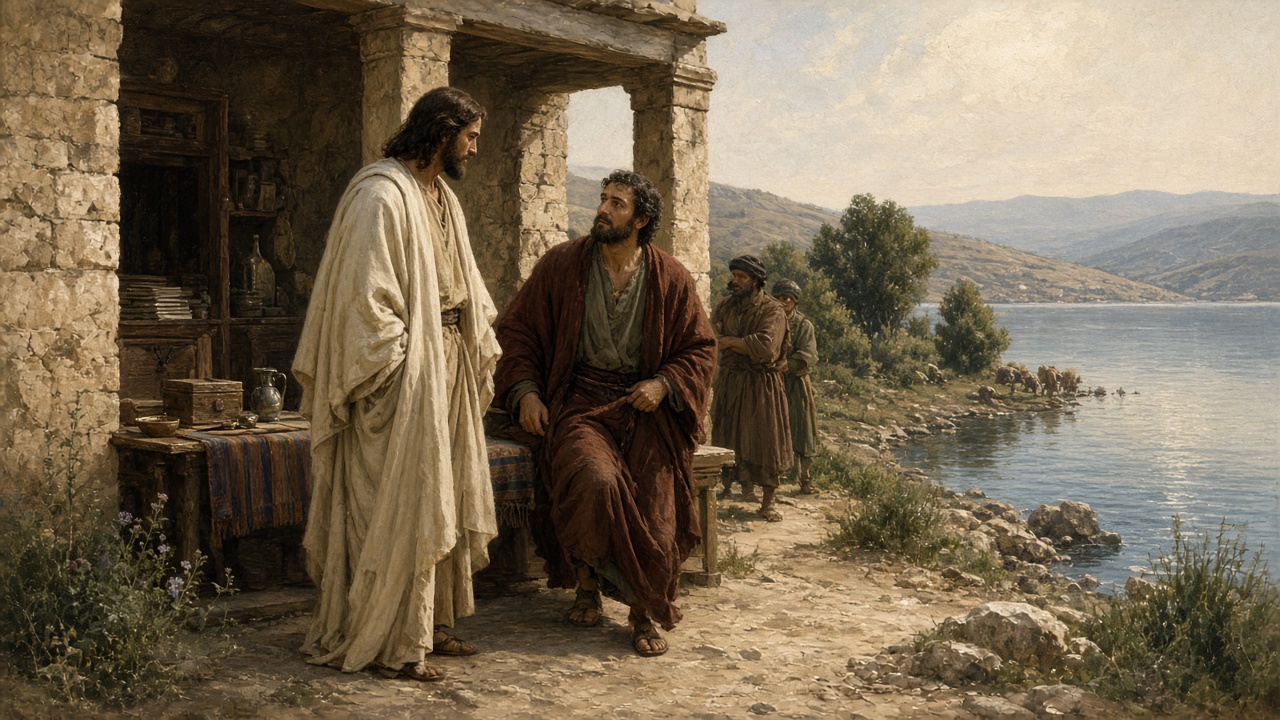
9Cabero topʉ caãniatacʉ acoásúpʉ Jesús. Bairo netõácʉ́, yʉ, ati tutire cawoatuʉ Mateo cawãmecʉcʉre ñiñajowĩ. Mai, yʉ pʉame Roma gobiernorẽ camasã yaye dinero impuestos na caĩrĩjẽrẽ jejobojari majõcʉ yʉ ãmʉ. Bairi yʉ capaari arʉapʉ yʉ caãno, ñiñajowĩ Jesús. Bairo ñiñajori bero, yʉtʉ etari atore bairo ñiwĩ yua:
—Jito. Yʉ bapacʉsa.
Bairo cʉ̃ caĩrõ tʉ̃go, tocãrõã jicoquei yʉ pʉame Jesús mena yʉ bapacʉti acoaápʉ́ yua.
10Cabero Jesús, bairi jãã, cʉ̃ cabuerã mena mesapʉ jãã caruiro, camasã capããrã ruirã etawã, yʉre bairo capaarique cʉ̃gorã, bairi aperã camasã roro na cabʉsʉpairã cʉ̃ã. 11Bairo jãã caʉgabapacʉtore ĩñarã yua, fariseo majã pʉame bairo jãã ĩ tutiwã:
—¿Nopẽĩ dinero jejori majã mena, bairi roro caána mena mʉjããrẽ cabuei cʉ̃ etiʉga bapacʉtiyati? Roro ácʉ átiyami —jãã ĩ tutiwã fariseo majã, jãã, Jesús cʉ̃ cabuerãrẽ.
12Bairo na caĩtutiro tʉ̃go, bairo na ĩwĩ Jesús:
—Ʉcotiri majõcʉre bairo yʉ ãniña ati wiire. Ʉcotiri majõcʉ ápériyami cacatirã na caãni wiiripʉre. Cariarã na caãni wiiri jetore etanucũñami, na ʉcoti etaʉ. Bairi ãnoa mena yʉ ãniña. Na carorije, riayere bairo caãnierẽ netõõʉ̃ ácʉ yʉ átiapʉ. 13Mʉjãã, ati wãmerẽ Dios cʉ̃ caquetibʉjʉcũrĩqũẽrẽ bueri mʉjãã camasĩrõ boya: “Mʉjãã, waibʉtoa riire mʉjãã cajoemʉgõrĩjẽ mee, cabopacarãrẽ na mʉjãã caĩñamairĩjẽ roquere yʉ boya,” ĩ quetibʉjʉyupi Dios cʉ̃ ya tutipʉ. Torecʉna, yʉ apʉ́ ati yepapʉre. “Caroarã marĩ ãniña,” caĩtorãrẽ na yʉ macãẽtĩña. Aperã, “Carorije wapa marĩ buicʉtiya,” caĩtʉ̃goñayapapuarãrẽ na macãʉ̃ acʉ́ yʉ apʉ́, na yeri wasoáto, ĩ —na ĩwĩ Jesús fariseo majãrẽ.
La cuestión del ayuno
14Cabero Juan cʉ̃ cabuerã Jesús tʉpʉ etawã. Eta yua, bairo Jesure qũĩ jẽniñawã:
—Jãã, bairi fariseo majã cʉ̃ã ʉgarique betiri Diore jãã ñubuenucũña. Mʉ cabuerã pʉame bairo áperiyama. ¿Nopẽĩrã na ʉgarique betietinucũñati? —qũĩ jẽniñawã Juan cʉ̃ cabuerã Jesure.
15Bairo na caĩjẽniñarõ tʉ̃go, atore bairo na ĩwĩ Jesús:
—Caroaro yʉ caátiere mʉjãã tʉ̃gomasĩẽtĩña. Caʉ̃mʉ cawãmojiyapaʉre bairo yʉ ãniña. Cʉ̃ yarãrẽ bairo niñama yʉ cabuerã. Caʉ̃mʉ cʉ̃ cawãmojiyari rʉ̃mʉrẽ cʉ̃ yarã nipetirã ʉgayama pairo, cʉ̃ mena ʉseaniãna. Ti rʉ̃mʉrẽ aʉatãmʉoetiyama. Caʉ̃mʉ cʉ̃ cawãmojiyari rʉ̃mʉ bero roquere, cʉ̃ yarã caborã ʉgarique betiri Diore cʉ̃ tʉ̃goña jẽniñubuebujiorãma tunu. Narẽ bairo jãã ãniña. Bairi yʉ mena ãna, yʉ cabuerã aʉatãmʉoetigarãma. Yʉ camano roquere aʉatãmʉobujiorãma —na ĩ quetibʉjʉwĩ Jesús, Juan cʉ̃ cabuerãrẽ.
16Ĩ yaparo, “Yʉ yaye cawãma quetire cabʉcʉ macããjẽ mena tʉ̃goʉsa masĩã maniña,” ĩgʉ, atore bairi wãme na ĩcõña quetibʉjʉnemowĩ Jesús tunu:
—Cabʉcʉro jutirore cawori opere seretuetiyama camasã camasĩrã jutiro cawãma asero carʉgaeti asero mena. Bairo na caápata, ñuetigaro. Cose, ti aserore bopo na caáto, rʉgagaro. Rʉgari tʉ̃gãwonemogaro paijãñurõ cawãma asero pʉame cabʉcʉro jutirore. 17Tunu bairoa ʉse oco cawãma qũẽnoyaparoriquere piojãẽtĩnucũñama camasã cabʉcʉ poa waibʉcʉ asero poapʉre. Bairo na caápata, ti poa wocoagaro, tie oco capãmʉrõĩ. Ti poa macããjẽ yasigaro. Bairi ʉse ocore cawãma qũẽnoyaparoriquere piojãnucũñama camasã cawãma poa mena. Bairo na caápata, ti poa tie oco cʉ̃ã nicõãña. Yasietiya —na ĩ quetibʉjʉwĩ Jesús to macããnarẽ.
La hija de Jairo. La mujer que tocó la capa de Jesús
18Bairo narẽ cʉ̃ caquetibʉjʉãno, cʉ̃tʉ etawĩ judío majã quetiupaʉ jĩcãʉ̃. Bairo cʉ̃tʉ etari yua, rʉpopaturi mena etanumurĩ Jesure qũĩroawĩ. Atore bairo qũĩwĩ:
—Jesús, yʉ macõ mepʉ riacoámó. Bairo cariacoataco cõ caãnimiatacʉ̃ãrẽ, mʉ wãmo mena cõ rupaʉri ãnajẽrẽ mʉ capãñaata, caticoagomo tunu. Bairi yʉ mena mʉ apá tãmurĩ —qũĩwĩ quetiupaʉ.
19Bairo cʉ̃ caĩrõ tʉ̃go, wãmʉnʉcã yua, cʉ̃ mena acoámí. Jesús cariacoataco cõ caãnopʉ ácʉ́. Cʉ̃ cabuerã cʉ̃ã cʉ̃ mena jãã ápʉ́. 20Bairo jãã caátó, Jesús bero pʉame asúpo jĩcãõ carõmio pʉga wãmo peti rʉpore pʉga pẽnirõ cãnacã cʉ̃marĩ majũ cariíjãnaecõ. Bairo cʉ̃tʉ eta yua, aperã na caĩñaeto, cʉ̃ jutiro cayoaro yapaacarẽ pãñañupõ. 21Mai, cõ pʉame cariape tʉ̃goñañupõ Jesús cʉ̃ cariaye netõmasĩrĩjẽrẽ. Bairo cariape tʉ̃goñarĩ yua, “Cʉ̃ jutiro cayoaro yapaacarẽ yʉ capãñaata, yʉ caticoago,” ĩ tʉ̃goñañupõ. Bairo tiere ĩ tʉ̃goñarĩ, Jesús bero pʉame atíri, tore bairo ásupo. 22Jesús pʉame cõ caátiere masĩcõãñupĩ. Bairo camasĩ ãnirĩ yua, ãmejorenʉcãrĩ, atore bairo cõ ĩwĩ:
—Yʉ yao, caroaro ʉseanirõ ãnitʉ̃goñaña. Yʉ mena mʉ catʉ̃goñatutuaroi, mʉ riayere yʉ netõcõãña —cõ ĩwĩ.
Bairo cʉ̃ caĩrõã, jicoquei caticoamo yua.
23Cabero jĩcãʉ̃ judío majã quetiupaʉ ya wiipʉ Jesús cʉ̃ caetaro, ti wii macããna pʉame oti awajarã baiwã, cabaiyasiatacore ĩñarĩ. 24Bairo na cabairo ĩña, atore bairo na ĩwĩ Jesús:
—Witiánája. Atio cawĩmao baiyasio mee baiyamo. Cãnio baiyamo —na ĩwĩ Jesús.
Bairo cʉ̃ caĩrõ tʉ̃go, roro cʉ̃ bócaboyeticõãwã, “Merẽ yasicõãmo,” ĩrã. 25Bairo na cabaimiatacʉ̃ãrẽ, Jesús pʉame ti wiire na wiyocõãjowĩ. Áti yaparo, cariacoataco ãnacõ cõ caãni arʉapʉ jãátí yua, cõ ãnacõ wãmorĩrẽ ñewĩ. Bairo cʉ̃ caáto, cõ pʉame catitunurĩ wãmʉnʉcãcoámo yua. 26To bero camasã nipetiro ti yepa tʉ̃ni macããna cʉ̃ã queti tʉ̃gopeticoasuparã Jesús cʉ̃ caátiatajere.
Jesús sana a dos ciegos
27Cabero topʉ caãniatacʉ acoámí Jesús tunu. Bairo cʉ̃ caátó, pʉgarã caʉ̃mʉa cacaapee ĩñaena cʉ̃ berore ʉsawã. Bairo ʉsa yua, bʉsʉrique tutuaro mena atore bairo qũĩwã:
—¡Jesús, David ãnacʉ̃ pãrãmi, bopacooro jãã ĩñaña! —qũĩwã.
28Bairi Jesús wiire cʉ̃ cajããetaro, cacaapee ĩñaena pʉame cʉ̃tʉ etawã. Bairo na caetaro ĩña yua, atore bairo na ĩwĩ Jesús:
—¿Yʉ canetõrĩjẽrẽ cariape mʉjãã tʉ̃goñañati?
Bairo cʉ̃ caĩjẽniñarõ tʉ̃go, bairo qũĩwã pʉgarãpʉa:
—Jããrẽ mʉ canetõõpeere cariape jãã tʉ̃goñaña.
29Bairo na caĩrõ tʉ̃go, na caapeere pãñawĩ Jesús. Pãña yua, bairo na ĩwĩ:
—Bairi yʉ mena mʉjãã catʉ̃goñatutuarijerea bairo to baiáto mʉjããrẽ —na ĩwĩ.
30Bairo cʉ̃ caĩrõã, jicoquei ĩñamasĩcõãma yua. Bairo na cacatiro ĩña, Jesús pʉame bairo na ĩnemowĩ tunu bʉtioro:
—Aperãrẽ na quetibʉjʉeticõãña mʉjããrẽ yʉ cacatiorijere.
31Bairo cʉ̃ caĩrõ tʉ̃gomirãcʉ̃ã, cabero nipetiropʉ camasãrẽ na quetibʉjʉ batocõãñupã Jesús narẽ cʉ̃ cacatioatajere.
Jesús sana a un mudo
32Bairo na caátó, camasã aperã Jesús tʉpʉ cʉ̃ neamá tunu apei wãtĩ yeri pũna cacʉ̃goʉre. Cʉ̃ pʉame wãtĩ yeri pũna jʉ̃gori bʉsʉmasĩẽmi. 33Bairi Jesús wãtĩ yeri pũnarẽ cʉ̃ cawiyojoro bero, caʉ̃mʉ pʉame catiácʉ bʉsʉmasĩcõámi tunu. Bairo cʉ̃ cabairo ĩña, to macããna qũĩñacõã maniáma. Bairo ãmeo ĩwã na majũ:
—¡Diwatoa ũno ãni cʉ̃ cacatiorore bairo marĩ ĩñaepʉ̃ ato Israel yepapʉre! —ãmeo ĩwã na majũ.
34Bairo na caãmeoĩmiatacʉ̃ãrẽ, fariseo majã pʉame bairo ĩwã:
—Beelzebú, wãtĩã quetiupaʉ majũ cʉ̃ camasĩõrĩjẽ jʉ̃gori wãtĩã yeri pũna, camasãrẽ cajãñarãrẽ na acurewiyojo masĩñami —qũĩ bʉsʉpaiwã fariseo majã Jesure.
Jesús tiene compasión de la gente
35Cabero áñesẽãwĩ Jesús tocãnacã macããpʉ. Bairi capairi macã, o õcã macããcã cʉ̃ãrẽ etaʉ, to macããna na cañubueneñarĩ wiipʉre na quetibʉjʉwĩ caroa queti, Dios cʉ̃ carotimasĩrĩpaʉ caetarijere. Tunu bairoa nipetiri wãme cariayecʉnarẽ na catiowĩ. 36Bairo capããrã camasãrẽ na ĩñarĩ yua, bopacooro na ĩñawĩ. Dope caátimasĩẽna tʉ̃goñarĩqũẽ pairique caãna na caãnoi, bopacooro na ĩñawĩ Jesús. Nurĩcãrã oveja narẽ cacotei camánarẽ bairo baiwã Jesure. 37Bairo na cabairoi, atore bairo jãã ĩwĩ Jesús, jãã, cʉ̃ cabuerãrẽ:
—Oterique camasã na cajepee pairo caãnimiatacʉ̃ãrẽ, tie uparãrẽ cajʉjeparã pʉame capããrã mee niñama. Torea bairo Dios yaye quetire catʉ̃goʉsaparã capããrã na caãnimiatacʉ̃ãrẽ, marĩrẽ cajʉquetibʉjʉparã pʉame capããrã mee niñama. 38Bairo na cabairoi, marĩ Pacʉ Diore mʉjãã cajẽnirõ boya. Cʉ̃ pʉame oterique Upaʉre bairo cʉ̃ yaye bʉsʉrique cajʉquetibʉjʉ batoparãrẽ na jomasĩgʉmi.
Did you know?
Mercy, Healing, and New Wine
- Matthew, son of Alphaeus, was a publican, or tax collector, at Capernaum. Jesus, coming up from the side of the lake, passed the custom-house where Matthew sat and said, “Follow me.” He had formerly been known as Levi; that same day he gave a great feast, described as a farewell, for Jesus, the disciples, and probably many of his old associates.Sources: Matthew · the Bible text itself
- Those who ask why they and the Pharisees fast so often, while Jesus’ disciples do not, are disciples of John the Baptist. John is called the forerunner; he was of priestly descent, his father Zacharias a priest of the course of Abia and his mother Elisabeth one of the daughters of Aaron.Sources: John the Baptist · the Bible text itself
- One chronology places the healing of the paralyzed man, the call of Matthew, the question about fasting, and the parable of the wineskins in AD 28.Sources: Healing the Man with Palsy · Jesus Calls Matthew · Fasting Question · Parable of the Winseskins
Notes written with AI assistance from open sources (Theographic Bible Metadata, CC BY-SA 4.0; Easton’s Bible Dictionary, public domain) and reviewed before publishing.
Places in this chapter
- Sea of Galilee · 32.819, 35.590 · verse 1
Only places identified with high confidence are shown (90% or more according to the scholarly sources compiled by OpenBible). Period map: DARE (Digital Atlas of the Roman Empire), CC BY 4.0; modern map: © OpenStreetMap contributors; places: OpenBible.info (CC BY 4.0).
Credits and license for this translation
Dios Cʉ̃ Cauetibʉjʉ Cũrĩcã Tuti
New Testament in Carapana (CO:cbc:Carapana)
copyright © 2012 Wycliffe Bible Translators, Inc.
Language: Carapana
Translation by: Wycliffe Bible Translators, Inc.
Copyright Information
© 2012, Wycliffe Bible Translators, Inc. All rights reserved.
This translation text is made available to you under the
terms of the Creative Commons License: Attribution-Noncommercial-No Derivative Works.
( http://creativecommons.org/licenses/by-nc-nd/3.0/ )
In addition, you have permission to port the text to different file formats, as long as you
do not change any of the text or punctuation of the Bible.
You may share, copy, distribute, transmit, and extract portions
or quotations from this work, provided that you include the above copyright
information:
You must give Attribution to the work.
You do not sell this work for a profit.
You do not make any derivative works that change any of the actual words or punctuation of the Scriptures.
Permissions beyond the scope of this license may be
available if you contact
us with your request.
The New Testament
in Carapana
© 2012, Wycliffe Bible Translators, Inc. All rights reserved.
This translation is made available to you under the terms of the
Creative Commons Attribution-Noncommercial-No Derivatives license 4.0.
You may share and redistribute this Bible translation or extracts from it in any format, provided that:
You include the above copyright and source information.
You do not sell this work for a profit.
You do not change any of the words or punctuation of the Scriptures.
Pictures included with Scriptures and other documents on this site are licensed just for use with those Scriptures and documents.
For other uses, please contact the respective copyright owners.
2014-04-22
Source: http://ebible.org/cbcNT/ · eBible.org