James 2
Manitanati Tuparrü · Tap a verse to see its cross-references.
Tapü cuasürüti oemo taman pünanaquiti quiatarrü
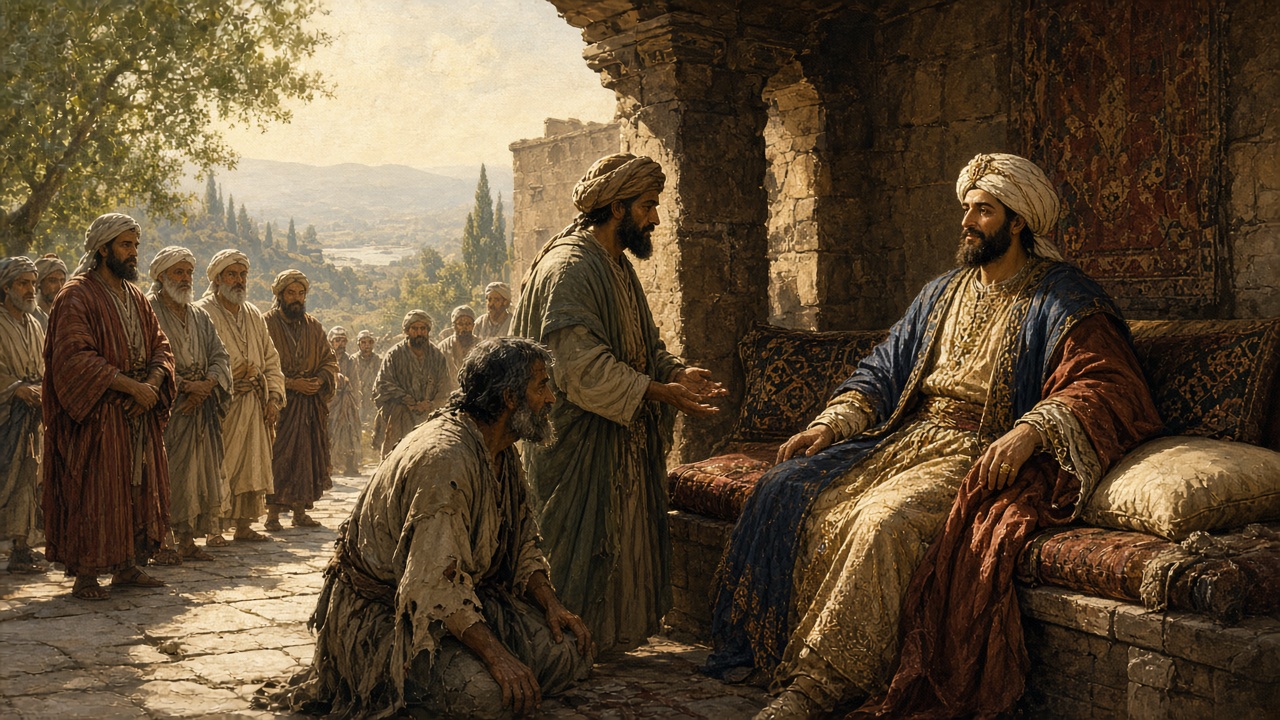
1Bueno bama masaruquitaiqui, arrtü apicococati Señor Jesucristo, tapü cuasürüti aume taman ñoñünrrü pünanaquiti quiatarrü. Itopiqui arrti Jesús naqui yarusürürrü yüriaburrü asaratitü oemo. 2Supiarrtü cuamatü torrü mañoñünca auna cauta apiyoberabacaño. Arrti maniqui taman coñorrtai naibirrti, abe sorotiquiaca oro apü nehesti. Tapü arrti maniqui quiatarrü rrürüpütüsati. 3Auqui arraño amasacatü nurria ümoti maniqui coñorrtai naibirrti. Amucanaño ümoti sane: “Atümo auna coñorrtai siyarrü ümo nisurratoe”. Tapü ümoti maniqui pobrerrü amucanaño sane: “Atüsai taha toripiacüapae, o ariacu atümo acüatai esa niyesa siyarrü”. 4Arrtü arraño apisamute sane, chauqui tapuncati maniqui taman pünanaquiti maniqui quiatarrü, chauqui tapiñata isiu napapensaca churriampü.
5Aensa te masaruquitaiqui, amonsoi nurria nisura: Arrübama pobrerrü auna icu na cürrü tonema bama tacümanauncunuma uiti Tuparrü, nauqui acuasürüma ümoti, itopiqui icocoromati. Tonema ñana bama üriabucama ichepeti. Ta sane nurarrti tücañe: Arrübama isuasürücü ümoma, tonema bama yüriaburrüma ñana tacana nisüriaca. 6Tapü arraño apicünsomococati maniqui pobrerrü. Abu tusio aume que arrübama rricurrü tonema bama itachemacanama año. Itononoma año esa bama mayüriabuca, nauqui apapaca uimia. 7Y churriampü nurarrüma icütüpüti Jesús, naqui cuasürüti aume.
8Urria arrtü apicocota manu yarusürürrü bacüpucurrü sane: “Tari cuasürüti aemo naqui asüborisapa tacana nacuasürücü aemoantoe”. 9Pero ane nomünantü aboi, arrtü manrrü cuasürüti taman pünanaquiti quiatarrü. Chauqui tane napipünate aübu nüriacarrti Tuparrü. 10Arrti naqui icocotati nanaiña nüriacarrti Tuparrü cunauntaña taman bacüpucurrü chücoconopü uiti, chauqui tane nipünatenti aübu nanaiña nüriacarrti Tuparrü. 11Tamanti Tuparrü nanti: “Tapü aecatü isiu quiatarrü paürrü”. Tonentito naqui nantito: “Tapü atabaiquia”. Sane caüma arrtü chaecapütü isiu quiatarrü paürrü, pero atabaiquia, chauqui tane naipünate aübu nanaiña nüriacarrti. 12Pero ane arrüna quiatarrü nüriacarrü uiche utaesübuca eanaqui nomünantü. Arrti Tuparrü bacurrtarati ñana usaübu isiu arrüna nüriacarrü. Apaquionsaño arrüna nisurapoi ausucarü, arrtü apapariquia y arrtü ane napachücoi. 13Itopiqui ñana au manu nanenese nesa bacurrtacarrü arrti Tuparrü chüpucürusutipü itacuti naqui chirranrrtipü apucüruti itacuti nisüborisapatarrti. Pero arrtü upucüruca itacuti osüborisapa, arrtito Tuparrü pucürusuti utacu.
Uisamunena urria, arrtü uicococati Tuparrü
14Bueno bama masaruquitaiqui, champü yaserebiquirri, arrtü usucana oñü: “Icococati Tuparrü”, pero churriampü nosüboriqui. Arrtü sane osoi, chümorrimiacanapü tato uiti Tuparrü nomünantü osoi. 15Supiarrtü apicuñucati taman ñoñünrrü naqui icocorotiti Jesús. Arrti champü naibirrti, champü tuburiboti. 16Arraño caüma amucanaño ümoti: “Taiquiana urria namen tanu, acüburri nurria, aha nurria”, pero chapachecapü ümoti arrüna nirrantümoti. Arrtü sane aboi, champü napaserebiqui. 17Sane ito osoi, arrtü uicococati Tuparrü, pero chuisamutempü arrüna urria uirri, champü niyaserebiquirri manu numacoconauncu ümoti Tuparrü.
18Supiarrtü tamanti ñoñünrrü nanti ümoti naqui icocorotiti Tuparrü: “Bueno, arrti taman icocorotiti Tuparrü, y arrti quiatarrü isamutenti nomirria”. Pero iñumuta sane: “¿Causane ucanü que aicococati Tuparrü, arrtü chasamucapü nomirria? Arrüñü isamute nomirria na atusi que ta icococati Tuparrü”. 19Arrücü ucanü que aicocota arrtü anati tamantiatai Tuparrü. Urria arrtü aicocota sane, pero hasta bama machoboreca tusio ito ümoma ta anati tamantiatai Tuparrü y tarucu nirrucurrüma ñünanati.
20Sonsorrücü. ¿Taqui chütusiopü aemo que ta champü yaserebiquirri arrtü ucanü aicococati Tuparrü, pero chasamucapü nomirria? 21Arrtito Abraham tücañe urria nacarrti au narrtarrti Tuparrü ui manu nauquiche itorrimianatiti aütorrti, nürirrti Isaac, na aconti tacana macumanatarrü ümoti Tuparrü. 22Ui arrüna isamutenti sane isiu yacüpucurrti Tuparrü, tütusio nurria ñacoconauncurrti ümoti. 23Itopiqui nantü sane icu Nicororrü: “Arrti Abraham icocorotiti Tuparrü y oncotitü ümoti. Sane nauquiche urria nacarrti au narrtarrti Tuparrü”. Nantito Tuparrü: “Cuasürüti Abraham iñemo, amigorrti iñemo”. 24Así que barrtai que arrti Tuparrü yasuriuruti oñü, arrtü uisamute nomirria, champürrtü ui arrüna usucana oñü que uicococati.
25Isiu pasabo ui manu paürrü tücañe bavivico aübu sürümanama mañoñünca, nürirri Rahab. Arrti Tuparrü yasutiutito manu paürrü, itopiqui arrümanu ñanecacarrü ümo manuma torrü mañoñünca israelitarrü cuamatü arrüpiama ümo manu peblurrü. Auqui bayurara ümoma na aesübuma auqui quiatarrü cutubiurrü, tapü coiñoma ui manuma pohoso au manu pueblurrü. 26Suraboira arrüna machepecatarrü: Arrtü chumanasacapü y arrtü champü nuyausüpü, toconca. Isiu ito arrtü usurapoiatai que uicocoroti Tuparrü, pero chuisamutempü nomirria, usaca tacana oconca au narrtarrti Tuparrü.
Did you know?
Impartiality and Living Faith
- James recalls that Abraham was justified by offering his son Isaac on the altar, his faith working with his actions and perfected by what he did. Isaac, the only son of Abraham by Sarah, was the one God commanded Abraham to offer as a sacrifice on a mountain in the land of Moriah.Sources: the Bible text itself · Isaac
- James also cites Rahab the prostitute, justified by welcoming the spies and sending them off on another route. The two spies, sent by Joshua while the Hebrews were encamped at Shittim opposite Jericho, had gone to her house, faced danger in the city, and were saved by her fidelity.Sources: the Bible text itself · Rahab
Notes written with AI assistance from open sources (Theographic Bible Metadata, CC BY-SA 4.0; Easton’s Bible Dictionary, public domain) and reviewed before publishing.
Credits and license for this translation
Manitanati Tuparrü
New Testament in Chiquitano (BL:cax:Chiquitano)
copyright © 2012 Wycliffe Bible Translators, Inc.
Language: Chiquitano
Translation by: Wycliffe Bible Translators, Inc.
Chiquitano[cax], Bolivia
Copyright Information
© 2012, Wycliffe Bible Translators, Inc. All rights reserved.
This translation text is made available to you under the
terms of the Creative Commons License: Attribution-Noncommercial-No Derivative Works.
( http://creativecommons.org/licenses/by-nc-nd/3.0/ )
In addition, you have permission to port the text to different file formats, as long as you
do not change any of the text or punctuation of the Bible.
You may share, copy, distribute, transmit, and extract portions
or quotations from this work, provided that you include the above copyright
information:
You must give Attribution to the work.
You do not sell this work for a profit.
You do not make any derivative works that change any of the actual words or punctuation of the Scriptures.
Permissions beyond the scope of this license may be
available if you contact
us with your request.
The New Testament
in Chiquitano
© 2012, Wycliffe Bible Translators, Inc. All rights reserved.
This translation is made available to you under the terms of the
Creative Commons Attribution-Noncommercial-No Derivatives license 4.0.
You may share and redistribute this Bible translation or extracts from it in any format, provided that:
You include the above copyright and source information.
You do not sell this work for a profit.
You do not change any of the words or punctuation of the Scriptures.
Pictures included with Scriptures and other documents on this site are licensed just for use with those Scriptures and documents.
For other uses, please contact the respective copyright owners.
2014-04-22
Source: http://ebible.org/caxNT/ · eBible.org