Colossians 3
Manitanati Tuparrü · Tap a verse to see its cross-references.
Niquiampiaca nosüboriqui au nomirria
1Arraño chauqui tütorrio ausüboriquibo ichepeti Cristo. Sane nauquiche apiña nausüboriqui isiu nirrancarrti Tuparrü y isiu ñanunecacarrti Cristo, naqui anati au napese, tümonsoti au nepanauncurrti Tuparrü. 2Apapensasio iyo nirrancarrti Tuparrü au napese. Tapü tarucu napapensaca iyo arrüba abe icu na cürrü. 3Abaca tacanarrtü auconca ichepeti Cristo. Arrüna ñemanauncurratoe nausüboriqui ane tacanarrtü ahüburu au napese esati Cristo y esati Bae Tuparrü. 4Arrtü cuati tato Cristo, namanaiña asaramati. Auqui caüma tusio ito arrüna champü tacanache nausüboriqui ichepeti, itopiqui uiti te osüboriquia ñana.
5Sane nauquiche apiñocosio nanaiña arrüba naurrianca ñome ba chomirriampü. Tapü apaviviquia tacana numuquianca. Tapü apisamute arrüba chomirriampü. Tapü tarucu naurrianca iyo amenarribo, itopiqui arrtü sane aboi isiatai nomünantü tacanarrtü apanaunca ümo masantuca, arrübama chütüpü tupaca. 6Yotopiqui arrüba sane nomünantü cuatü carrticurrü uiti Tuparrü ümo bama chümacoconaunrrüpüma ümoti. 7Arraño ito apisamute tücañe arrüba sane nomünantü. 8Pero caüma apiñocosio nanaiña nomünantü. Tapü tarucu nautübori. Apiñoco nanaiña nautübori ümoti quiatarrü. Tapü apuncati. Tapü apanitaca churriampü apüti. 9Tapü apapanca ümoti quiatarrü. Itopiqui chauqui tapiñocota arrüna churriampü nausüboriqui tücañe, nanaiña arrüba napacheata apisamune churriampü. 10Apasusiu caüma arrüna nuevurrü nausüboriqui mecuquiti Tuparrü, itopiqui uiti tacana nuevurrü tato nabaca. Uiti te isamunuti año nuevurrü tatito isiu nacarrtiatoe. Sane nauqui manrrü puerurrü apisuputacati. 11Ui arrüna sane caüma champü nümochequi, arrtü israelitarrü oñü o champü, arrtü circuncidabo oñü o champü. Champü nümochequi arrtü masaüca oñü, o mosorrü oñü o chütüpü mosorrü oñü. Itopiqui uiti Cristo caüma namanaiña oñü chépatai nusaca, y arrti üriabucati au nuyausasü.
12Arraño tarucu naucua ümoti Tuparrü. Autacumanauncuca uiti, nauqui pertenecebo año ümoti. Sane nauquiche apiña nurria nauqui urria nausüboriqui. Aupucüru itacuti quiatarrü. Tari buenurrü año abaübuapatoe. Apichimiancasaño, tari apasamunaun aübuti quiatarrü. 13Tari urria napaquionco abaübuapatoe. Tapü abaiturrü nautübori au nautusi ümoti quiatarrü, arrtü ane nünantü uiti aume. Apiñarrimiaca tato aübuti, tacana ito arrti Señor irrimiacatati nomünantü aboi. 14Aucuasürü aumeampateo au nanaiña napachücoi, itopiqui uirri urriampae nabaca aübu tamantai napapensaca tacanarrtü taman naca nabaca. 15Tari urria nabaca uiti Cristo. Arrti ipesünacatati nanaiña napapensaca. Itopiqui ümo te itasuruti año, nauqui urria nabaca y nauqui taman nacarrtai nabaca. Apachampienca ümoti itobo arrüna sane.
16Tapü tacürusu napaquionco iyo ñanunecacarrti Cristo. Apicoco aübu nanaiña nabausasü. Apanuneca aumeampatoe. Apacuansomoco aumeampatoe ui arrüna napapanauncu torrio aume uiti Tuparrü. Apacantasio arrüba salmos ümoti Tuparrü y arrüba macantaca botorrio aume uiti Espíritu Santo. Apacanta aübu napachampiencaca ümoti Tuparrü. 17Nanaiña arrüna napanitaca y arrüna napachücoi, apisamuse au nürirrti Señor Jesucristo. Auqui nacarrti apachampienca nantarrtai ümoti Bae Tuparrü, naqui Uyaü.
Bacüpucurrü ümo cadati taman
18Arraño paüca apacoconaun nurria ümo bama apiquianaño. Tone arrüna urria napachücoi, itopiqui apicococatito Señor.
19Arraño bama mañoñünca, tari yucuasürüra aume arrüba naucüposütaiqui. Apasamunaun yubaübu. Deberes sociales de la vida nueva|src="co01467b.TIF" size="span" copy="© 1978 David C. Cook Publishing Co." ref="COL 3.19"
20Arraño bama masiomanca, tari apacoconaun ümo nanaiña yacüpucurrüma bama aubaütaiqui, y ñome ba naupacütaiqui, itopiqui tone arrüna urria napachücoi au narrtarrti Tuparrü.
21Arraño bama aboma naübosirrimia, tapü apitümoniancacama bama ausunauncusu, itopiqui uirri ubata ümoma ñana.
22Arraño bama mamosoca, apacoconaun ümoti aupatron auna icu na cürrü. Tapü apapancatai apacoconaun ümoma ui naurriancatai nauqui urria nabaca aübuma. No, apacoconaun ümoma aübu nanaiña nabausasü y aübu napaquionco iyoti Tuparrü. 23Apisamuse nanaiña arrüna napatrabacaca aübu narucurrü aume, tacanarrtü apaserebiquia ümoti Señor, champürrtü ümo mañoñüncatai. 24Apaquionsaño que arrti Señor itorrimiatati aume ñana arrüna naucua uiti, arrümanu rranrrti acheti ümo namanaiña bama samamecana ümoti. Ta arrti Cristo tonenti naqui ñemanauncurratoe aupatron. 25Pero arrti naqui masamunu nomünantü, yasutiuti ñana carrticurrü itobo. Champü nümoche arrtü patronti o mosorrti, itopiqui chépatai nacarrüma bama macrirrtianuca au narrtarrti Tuparrü.
Did you know?
New life in one body and at home
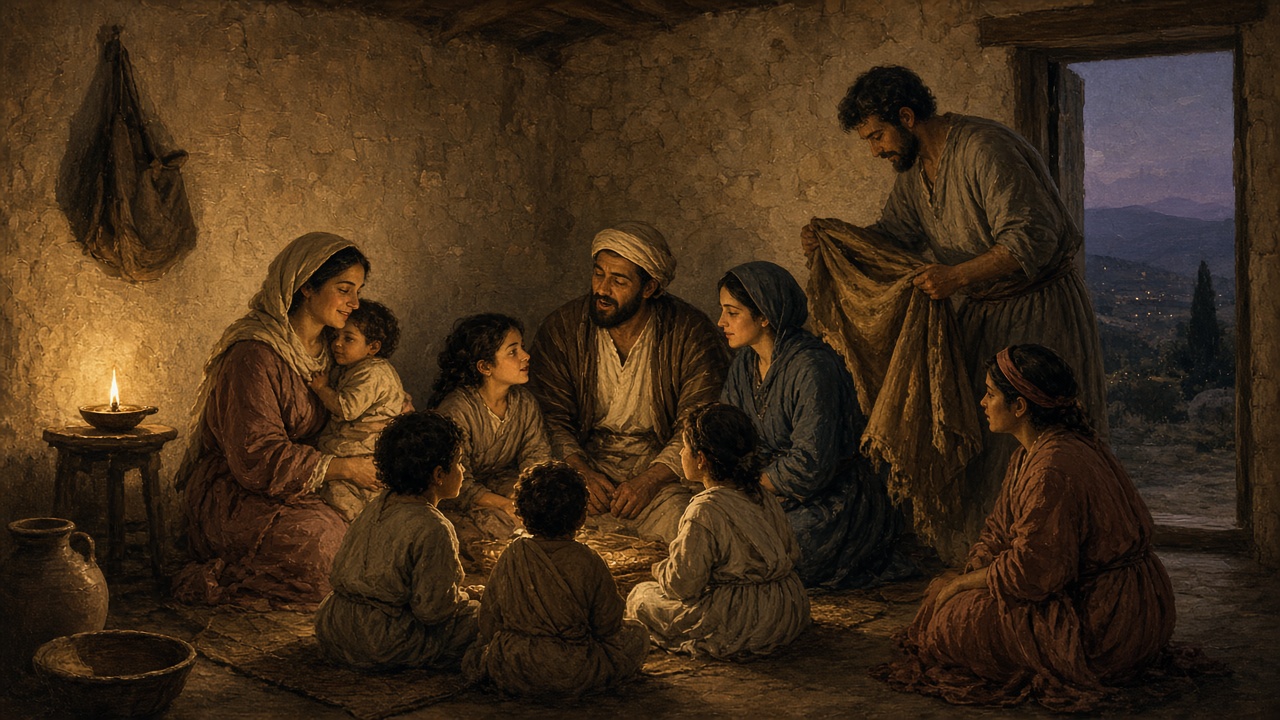
- This chapter pictures a changed life as a change of clothing. Readers are said to have taken off the old self with its practices and put on the new self, which is being renewed in knowledge in the image of its Creator. They are then told to clothe themselves with hearts of compassion, kindness, humility, gentleness, and patience, and to put on love over all these virtues as the bond of perfect unity.Sources: the Bible text itself
- The chapter lists Greek and Jew, circumcised and uncircumcised, barbarian, Scythian, slave and free, and declares that here none of these distinctions remains, because Christ is all and is in all.Sources: the Bible text itself
- The chapter then gives instructions for household relationships: wives and husbands, children and parents, and slaves and their earthly masters. Fathers are warned not to provoke their children, so that the children will not become discouraged. Slaves are told to obey with sincerity of heart, not only while they are being watched, and to work with their whole being for the Lord rather than for men, with the promise of an inheritance from the Lord as a reward; whoever does wrong will be repaid, and there is no favoritism.Sources: the Bible text itself
Notes written with AI assistance from open sources (Theographic Bible Metadata, CC BY-SA 4.0; Easton’s Bible Dictionary, public domain) and reviewed before publishing.
Credits and license for this translation
Manitanati Tuparrü
New Testament in Chiquitano (BL:cax:Chiquitano)
copyright © 2012 Wycliffe Bible Translators, Inc.
Language: Chiquitano
Translation by: Wycliffe Bible Translators, Inc.
Chiquitano[cax], Bolivia
Copyright Information
© 2012, Wycliffe Bible Translators, Inc. All rights reserved.
This translation text is made available to you under the
terms of the Creative Commons License: Attribution-Noncommercial-No Derivative Works.
( http://creativecommons.org/licenses/by-nc-nd/3.0/ )
In addition, you have permission to port the text to different file formats, as long as you
do not change any of the text or punctuation of the Bible.
You may share, copy, distribute, transmit, and extract portions
or quotations from this work, provided that you include the above copyright
information:
You must give Attribution to the work.
You do not sell this work for a profit.
You do not make any derivative works that change any of the actual words or punctuation of the Scriptures.
Permissions beyond the scope of this license may be
available if you contact
us with your request.
The New Testament
in Chiquitano
© 2012, Wycliffe Bible Translators, Inc. All rights reserved.
This translation is made available to you under the terms of the
Creative Commons Attribution-Noncommercial-No Derivatives license 4.0.
You may share and redistribute this Bible translation or extracts from it in any format, provided that:
You include the above copyright and source information.
You do not sell this work for a profit.
You do not change any of the words or punctuation of the Scriptures.
Pictures included with Scriptures and other documents on this site are licensed just for use with those Scriptures and documents.
For other uses, please contact the respective copyright owners.
2014-04-22
Source: http://ebible.org/caxNT/ · eBible.org