Matthew 2
Dios Chani · Tap a verse to see its cross-references.
Joni tiisi bo jonina Jesu jisxëna
1Belén tsi quiha Jesu coniquë, naa jodioba maí no. Toa mai rey Herodés yonani quiha. Toatiyá tsi quiha Jerusalén qui tres ca tiisi ca joni bo cahëniquë. Nëama, naa oriente ax ja bëcani quiha. 2Cahëhax,
—¿Jahuënia ni jodioba chama-chamaria, naa cobëna cato? Jahuë huishti no jisyamëquë noba mai xo na. Ja iqui tsi ja qui arahi no joquë ra —i nohiria qui naa tres ca tiisi ca joni bo niquë.
3Jatsi quiha shina-huëjënatsi chama Herodes niquë nicahax na. Shina-huëjëniquë Jerusalén ca nohiria ri. 4Jatsi jodioba arati iboba chama bo, Dios papi cahëxëni cabo, tihi cabo Herodés quënaniquë. Quënaxo tsi jato ja nicaniquë:
—¿Jahuënia tsi coxëhi ni mato Cristo, naa mato Xabahamati Ibo ra? —iquiina.
5Jatsi quiha ja quëbicaniquë:
—Jodioba maí tsi, naa Belén yacatá tsi ja coti xo. Tocani quiha Dios Chani yoanish cato, naa ja quënëni cató no:
6“Jisa Belén ca nohiria bá.
Jodioba maí tsi huëstima tsi xo toa mato oquë ca yaca huëtsa bo.
Jama, oquëhuahacaxëhi quiha mato yaca ri.
Belén tsi coxëhi quiha chama-chamaria.
Noho Israél ca nohiria bo ó bësoxëhi quiha”
ii quiha ja quënënina —i Herodes qui jaca niquë.
7Jatsi quiha johax ca tiisicanaibo qui chani Herodés raaniquë ja qui ja bëcano iquish na. Jamë jato bëta ja chanicasni quiha. Ja bëcaquë tsi quiha Herodés jato nicaniquë:
—¿Jënino tsi ma jisni ca huishti jisiquini? —iquiina.
8Jatsi quiha Belén qui Herodés jato raaniquë.
—Toa baquë mërahi bocata. Tsayahax jahari ma bëcano ëa yoaxëna. Ja qui cacasquia ëa ri ja qui araxëna —i jato qui ja niquë.
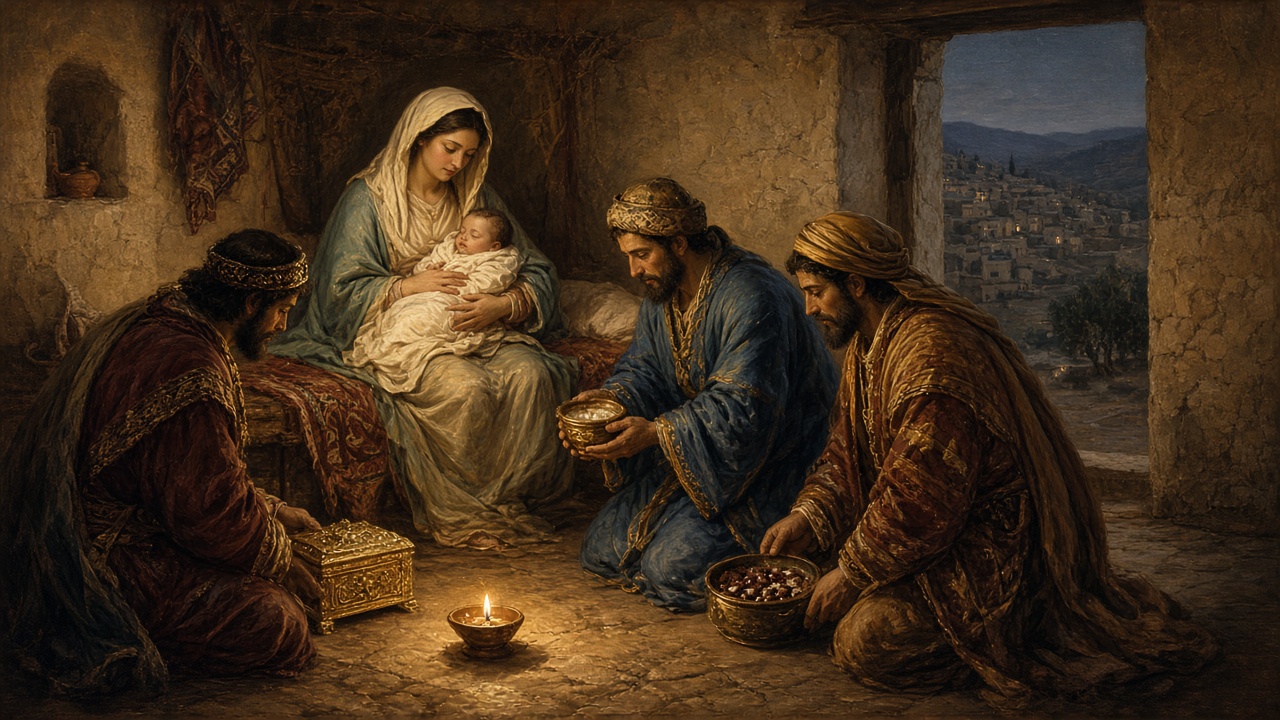
9Jatsi quiha Belén qui bocatsi quiha tiisi jaya ca joni bo niquë, Herodes nicahax na. Ja bocaquë tsi quiha jisiquitëquëniquë huishtima, naa jato maí tsi jisiquinish ca huishti jascaria cato. Jisiquixo tsi quiha Belén qui jato ja mëpiniquë. Jatsi Baquë Jesu ini ca iti qui cahëhax huishti niiniquë. 10Jatsi ja rani-ranicaniquë, huishti jisi na. 11Ranihax José xobo qui ja jicocaniquë. Jicoxo baquë ico ca María ja jiscaniquë. Jatsi ja mënicaniquë. Mënihax ja qui ja aracaniquë. Jaquirëquë quiha jato sota bo ja pëcacaniquë, ja bëcani ca jahuë bo ja qui axëna. Joni tiisi bo baquë Jesu qui aranina|src="CN01632b.tif" size="span" copy="©1978 David C. Cook Publishing Company" ref="MAT 2.11" 12Jaquirëquë ja namacanai cató tsi quiha Diós jato yobaniquë:
—Jahari Herodes qui boyamacahuë —iquiina.
Jaha tsi bahi huëtsa quiha jato país qui ja bocaniquë jahari.
Egipto mai qui José, María jabanina Jesu ya
13Tiisi ca joni bo bocaquë tsi quiha José qui ángel jisiquiniquë ja namahai cató no.
—Joihuë. Baquë pistia, jahuë jahëhua María, tihi cabo bihuë. Egipto mai qui jabatsicana. Toaparicahuë. Mato ë yoano tsi jënimaxëhi quiha ma bacahaina. Mi baquë mërapaima xo Herodes pë, axëna —nëa tsi quiha José qui ángel nëcaniquë.
14Jatsi quiha José joiniquë. Joixo Baquë, jahuë jahëhua, tihi cabo ja boniquë Egipto mai qui. Baquichá ja jisbayacani quiha. 15Toá tsi naama tsi quiha ja chitëcaniquë. Jatsi Herodes rësoquë tsi ja bacacaniquë. Nëca tsi Dios Chani yoanish cató quënëni ca jatihuahacani quiha, “Egipto quima noho Baquë ë quënaquë” i Ibo Dios ni quëshpi na.
Herodés soldado bo raanina xocobo ati
16Jabi tiisi jaya ca joni bá Herodes paraniquë, quinia huëtsa jato mai qui ja bacacani quëshpi na. Jatsi ja paracanai ca cahëhax Herodes caxarianiquë. Caxaxo tsi jahuë soldado bo ja raaniquë jatiroha ca Belén ca baquë bo ati. Jasca, Belén tahë ca yaca bo qui jato ja raani quiha, toá ca baquë bo ati. Jatiroha ca baquë bo quiha, naa dos años nama cabo ja ani quiha. Jabi ja tocaniquë shinaxo na, siri tsi jahari jato mai qui tiisi jaya cabo bocani nori iqui na. 17Jato ja quëyoquë tsi quiha Jeremías, naa Dios Chani yoanish cató yoani ca jatihuahacani quiha. Ja yoani tsi xo naa:
18“Anomaria iqui quiha Ramá ca pacotsa.
Cohuëria xo ja ara-aracanaina ra.
Toá tsi jato xocobo quëshpi tsi arahi quiha yoxa bo.
Ranihuatimaxëni tsi xo toa jahuë nohiria, jato baquë bo acacani iqui na”
tihi tsi ii quiha ja quënënina.
19Jatsi Herodes rësoniquë. Ja rësoquë tsi quiha José qui Iboba ángel jisiquiniquë ja namahai cató no. 20Jisiquihax,
—Joihuë. Baquë pistia, jahuë jahëhua, tihi cabo jahari Israel mai qui bohuë. Rësoyoniquë Baquë pistia acascanish cabo ra —i José qui ángel niquë.
21Jatsi quiha José joiniquë. Jesu pistia, jahuë jahëhua, tihi cabo bihax Israel mai qui ja bacaniquë. 22Bacaxo tsi quiha Herodes yamaba baquë Arquelaó yonahai ca ja nicaniquë. Jahuë jahëpa ja ratini quiha yonaxëna. Nicahax tsi quiha José raquë-raquëniquë. Toa mai qui ja cacasyamani quiha racaxëna. Jatsi quiha angél yobatëquëniquë ja namahai cató no, Galilea mai qui ja cano. 23Cahëhax Nazaret icanai ca yaca qui ja caniquë racahi na. Toa xo tsi jahuë xobo ja aniquë. Tocapijani quiha, Dios Chani yoanish cató chani jatihuaxëna, naa “Nazareno ja quënahacaxëti xo” i ja ni quëshpi na.
Did you know?
Magi, Herod, and Nazareth
- The King Herod of this chapter is Herod the Great. His son Archelaus, by Malthace, a Samaritan woman, inherited a third of the kingdom: Idumea, Judea, and Samaria. Until a few days before Herod's death another son, Antipas, had been named successor, but in his last moments Herod named Archelaus; for fear of him, Joseph turned aside from Judea and withdrew to Galilee.Sources: Archelaus · the Bible text itself
- Matthew links the deaths of the boys in Bethlehem to words spoken through the prophet Jeremiah: a voice in Ramah, Rachel weeping for her children. Rachel, one of Jacob's wives, died giving birth to Benjamin and was buried by the wayside on the road to Ephrath, that is Bethlehem, directly north of the town. Her sepulchre is regarded with great veneration by the Jews.Sources: the Bible text itself · Rachel · Bethlehem
- Bethlehem, in the hill country of Judah, was earlier called Ephrath and was also known as the city of David; under the Romans it lay in Judea, the southernmost of the three divisions of Palestine. Joseph and Mary went instead to Nazareth in Galilee, their home, a town not mentioned in the Old Testament. The name Nazareth is generally supposed to come from the Hebrew netser, a shoot or sprout, though some connect it with a word for guarding or watching.Sources: Bethlehem · Judea · Nazareth · the Bible text itself
Notes written with AI assistance from open sources (Theographic Bible Metadata, CC BY-SA 4.0; Easton’s Bible Dictionary, public domain) and reviewed before publishing.
Places in this chapter
- Bethlehem · 31.704, 35.208 · verses 1, 5, 6, 8, 9, 16
- East · Today: region around Amman · 31.955, 35.934 · verses 1, 2, 9
- Jerusalem · 31.777, 35.234 · verses 1, 3
- Judea · Today: Judea 1 · 31.777, 35.234 · verses 1, 5, 22
- Egypt · 30.129, 31.308 · verses 13, 14, 15, 19
- Galilee · 32.760, 35.527 · verse 22
- Nazareth · 32.702, 35.298 · verse 23
Only places identified with high confidence are shown (90% or more according to the scholarly sources compiled by OpenBible). Period map: DARE (Digital Atlas of the Roman Empire), CC BY 4.0; modern map: © OpenStreetMap contributors; places: OpenBible.info (CC BY 4.0).
Credits and license for this translation
Dios Chani
New Testament in Chácobo (BL:cao:Chácobo)
copyright © 2010 Wycliffe Bible Translators, Inc.
Language: Chácobo
Translation by: Wycliffe Bible Translators, Inc.
Chácobo [cao], Bolivia
Copyright Information
© 2010, Wycliffe Bible Translators, Inc. All rights reserved.
This translation text is made available to you under the
terms of the Creative Commons License: Attribution-Noncommercial-No Derivative Works.
( http://creativecommons.org/licenses/by-nc-nd/3.0/ )
In addition, you have permission to port the text to different file formats, as long as you
do not change any of the text or punctuation of the Bible.
You may share, copy, distribute, transmit, and extract portions
or quotations from this work, provided that you include the above copyright
information:
You must give Attribution to the work.
You do not sell this work for a profit.
You do not make any derivative works that change any of the actual words or punctuation of the Scriptures.
Permissions beyond the scope of this license may be
available if you contact
us with your request.
The New Testament
in Chácobo
© 2010, Wycliffe Bible Translators, Inc. All rights reserved.
This translation is made available to you under the terms of the
Creative Commons Attribution-Noncommercial-No Derivatives license 4.0.
You may share and redistribute this Bible translation or extracts from it in any format, provided that:
You include the above copyright and source information.
You do not sell this work for a profit.
You do not change any of the words or punctuation of the Scriptures.
Pictures included with Scriptures and other documents on this site are licensed just for use with those Scriptures and documents.
For other uses, please contact the respective copyright owners.
2014-04-22
Source: http://ebible.org/caoNT/ · eBible.org