Luke 10
Dios Chani · Tap a verse to see its cross-references.
Setenta ca joni bo Jesú raanina
1Jaquirëquë setenta ca joni bo Ibo Jesú biniquë. Bixo tsi quiha rëquë tsi dos, dos, dos tsi jato ja raaniquë ja shishocatsai ca yaca tëquë qui.
2Raapama tsi ja nëcaniquë:
—Huëstima tsi xo toa tësahacati cato ra, ichariama yonococanaibo nori. Ja quëshpi tsi Ibo Dios nicacana, yonati bo ja raano ja bax yonocoti. 3Jatsi, bocata. Mato raaquia. Cama xërëquë ó ca oveja xocobo jascaria ixëqui mato. 4Jatsi parata, sahuëti, zapato bo, tihi cabo boyamacana. Jasca, bahí tsi bamayamacana, nohiria joihuaxëna. 5Jasca, xobo qui jiconox pari tsi “Dios mato shomahuano” icana ibo qui. 6Jabi toá pi rabënacatsai ca joni racano tsi toá tsi chitëxëhi quiha ma shomahuahaina. Jama, xobo ibo pi rabënacasyamano tsi ma joihuahai ca jahari bicana. 7Jasca, xobo qui jicohax xobo rarinayamacana. Huësti ca ití tsi chitëcana. Toa xo tsi ma taahacahai ca jahuë bo picana. Jabi jahuë yonoco quëshpi tsi orihuahacaxëti xo yonati. 8Jabi yacatá ca nohiria bá mato joihuano tsi mato qui ja taacanai ca jahuë bo picana ra. 9Jasca, toá ca iquicanaibo jënimahuacana. Jënimahuahax, “Mato basima tsi xo Diós otohaina” icana jato qui.
10‘Jama, yacatá ca nohiria bá pi mato joihuayamano tsi jato calle bo qui bocata. 11Toá tsi “Mato yacatá ca cospo jaya xo noba tahë bo pë. Bicasyama xo noa. Bita” i jato qui cana. Jasca, “Mato parayamaqui noa. Jaboqui mato qui basimaria Diós otohai ca joquë ra” i jato qui cana. 12Parayamaquia. Copiti barí tsi anomariaxëhi quiha naa yacatá ca nohiria copi ra; naa jochahuaxëni ca Sodoma yaca oquë ja iti quiha.
Nicamisxëni ca yaca bo
13‘Noitiriaxëhi quiha mato Corazín cabá. Noitiriaxëhi quiha mato ri, Betsaidá cabá. Mato yaca bo xo tsi huëstima ca jisti bo acacani quiha; mahitsa rë. Jabi jochahuaxëni ca Tiro y Sidón yaca bo xo tsi jasca ca jisti bo acacarohapino tsi naama tsi jato jocha quima Dios quiri ja bësoquë acaniquë ra. Bamaxoma tsi moro ja sahuëquë acaniquë cohuëquí na. Jasca, chihi mishpó tsi ja tsahoquë acaniquë, jato cohuë jismaxëna. 14Nicaparicana. Copiti barí tsi anomariaxëhi quiha mato copi ra; Tiro y Sidón yacatá ca jochahuaxëni ca nohiria oquë ja iti quiha. 15¿Japa mato Capernaum yacatá cabá? ¿Nai qui bocascanai pa? Maj. Tënëtiya qui botëxëqui mato iquia —nëa tsi Jesu nëcaniquë jochahuaxëni ca yaca bo yoati na.
16Jatsi Jesú jahuë rabëti bo yobaniquë:
—Ea nicayoihi quiha mato chani nicacanaibo. Jasca, ëa niahi quiha mato chani nicacasyamacanaibo. Jasca, ëa raanish ca niahi quiha ëa bicasyamacanaibo —i ja niquë.
Setenta cabo bacanina
17Jatsi rani tsi setenta ca raahacanish cabo bacaniquë.
—Noqui nicahi quiha yoshi bo pa, Ibobá, naa mi janë́ tsi jato qui no chaniquë no —i jaca niquë.
18Jatsi Jesu jato qui chaniniquë:
—Dios Chani ma yoaquë tsi Satanás jahuë chama bënohai ca ë jisitaquë ra. Ja bëbohacahitaquë ra. 19Jabi chama mato qui aquia noqui pasomaha cato chama bëboxëna. Rono, nibo, tihi cabo xërëquë tsi coti mëtsaxëqui mato. Mato ayamacaxëcani quiha ra. 20Jasca, yoshi ma natsëcahai ca iqui tsi ranixëqui mato. Jama, oquë tsi ma ranixëti xo, naipá ca libro ó tsi mato janë bo quënëhacani iqui na —nëa tsi Jesu nëcaniquë jahuë bëcanish ca rabëti bo qui.
Jesu raninina
21Espíritu Santó tsi Jesu rani-ranitapiniquë. Ranihax ja chaniniquë:
—Oquë-oquëria ca xo mia ra, Jahëpá. Mia tsi xo naipa, mai, tihi cabo yonati Ibo-iboria. Mi qui “Gracias” iquia, tiisi jayamacabo qui mi Chani jia ca mi jisiquimahai quëshpi na. Jia tsi xo ra. Jasca, maí ca tiisi jaya cabo quima mi tiisi-tiisiria jonëmahacaquë ra, ja cahëyamacano iquish na. Jabi toca tsi mi acai ca quëshpi tsi “Gracias” mi qui iquia, Jahëpá. 22Jasca, nicaparicana, joni bá. Chama ë qui noho Jahëpá aniquë, jahuë bo tëquë yonati. Jabi yama tsi xo toa ëa, naa Dios Baquë-baquëria cahëyoihaina. Noho Jahëpa roha tsi xo toa ëa cahëyoihai cato. Jasca, yama tsi xo Jahëpa Dios cahëxëni cato. Jahëpa Dios cahëxëni ca roha ca ëa xo naa, naa jahuë baquë yoi. Jasca, Jahëpa Dios cahëcani quiha chahahuacanaibo ri, naa ë quënani cabo. Jato qui noho jahëpa jisiquimaquia ja cahëcano iquish na —nëa tsi jahuë rabëti bo qui Jesu nëcaniquë.
23Jatsi jahuë rabëti bo quiri Jesu bësoniquë. Bësohax jato qui ja chaniniquë:
—Shoma xo mato ra. Jia tsi xo ma jisina. 24Jabi ë acai ca jahuë bo huëstima cabá jiscasniquë, naa Dios Chani yoanish cabo, rësonish ca chama bo ri. Ja jisyamacani quiha rë. Jasca, ë yoahai ca jahuë bo ja nicacas-caniquë, jaboqui ma nicahai jascaria. Jama, nicati mëtsama ja icani quiha —i Jesu niquë.
Jabi jiaxëni ca jayanish ca samariabo
25Jatsi jodioba yoba bo cahëxëni ca joni Jesu qui joniquë tanamacatsi na. Johax,
—¿Jënahuaxëhi ni ëa, Maestró, bëso-bësopaoxëna? —i ja niquë.
26Jatsi Jesú quëbiniquë:
—¿Jënihi ni Moisés quënënina? ¿Jahuë ja quënëni? —iquiina.
27Jatsi yoba cahëxëni cató quëbiniquë:
—“Mato joiti, mato shinana, mato coshi, tihi cabá tsi Dios ma noixëti xo. Jasca, mato rabëti bo ma noixëti xo, mamë ma noihai jascaria” ii quiha —i joni niquë Jesu qui.
28Jatsi,
—Jabija tsi xo toa mi yoahana. Tocapihi tsi bësoxëqui mia ra —i ja qui Jesu niquë.
29Jama, tocacasyamani quiha yoba cahëxëni cato rë. Jatsi parahax,
—¿Tsohuë ni toa noho rabëti cato sa? —i joni niquë Jesu qui.
30Jatsi naa chani Jesú yoaniquë ja cahëno iquish na.
—Jabi joní Jerusalén jisbayaniquë. Jericó yaca qui cahi ja ini quiha. Bahí tsi ja co-cono tsi yomacanaibo ja qui tsaminiquë rë. Jahuë sahuëti, jahuë parata, tihi cabo ja yoma-cani quiha. Ja sëtiajahuacani quiha. Sëtiaxo tsi quiha bahí tsi ja jisbëriacaniquë rësoti. 31Toatiyá tsi quiha toa bahí tsi co-cohi arati ibo iniquë. Noitiria ca joni ja jisniquë ra. Jisi tsi tëtiaquiria tsi bahi qui ja riiniquë.
32‘Jaquirëquë joni huëtsa joniquë. Levita ja ini quiha, naa Dios xobó tsi yonocohai cato. Joni tsayaxo ja tëtianiquë jaa ri, mëbicasyamaquí na.
33‘Jaquirëquë joniquë samariabo, naa jodiobo qui yoixëni ca nohiria. Co-copama tsi noitiria ca joni ja jisniquë jaa ri. Jisi tsi, “Noitiria tsi xo naa joni ra” i ja ni quiha. 34Ja qui caxo tsi quiha jahuë quëësi bo ja chëxaniquë. Chëxaxo tsi ja yaboniquë. Jatsi jahuë burro qui noitiria ca joni ja jananiquë. Janaxo tsi quiha jahuë oxati xobo qui ja boniquë. Jaha xo tsi joni ja shomahuaniquë ra. 35Jatsi huëaquë tsi quiha dos ca parata copixëni cabo xobo ibo qui samariabá aniquë. “Naa noitiria ca joni ó bësona” i ibo qui ja ni quiha. “Naa parata mi narisno tsi mia copixëquia jahari ë joquë no” i ja ni quiha —nëa tsi Jesu nëcaniquë toa chani yoahi na. 36Chani yoahax,
—¿Jahuë shinahai, naa tres ca joni yoati na? ¿Jëni ca ni toa sëtiahacanish ca joni qui rabëti jascaria cato? —i yoba cahëxëni ca qui Jesu niquë.
37Jatsi joní quëbiniquë:
—Shomahuanish ca samariabo quiha —iquiina.
—Cata. Ja ani jasca ca mi ano mia ri ra —i Jesu ja qui niquë.
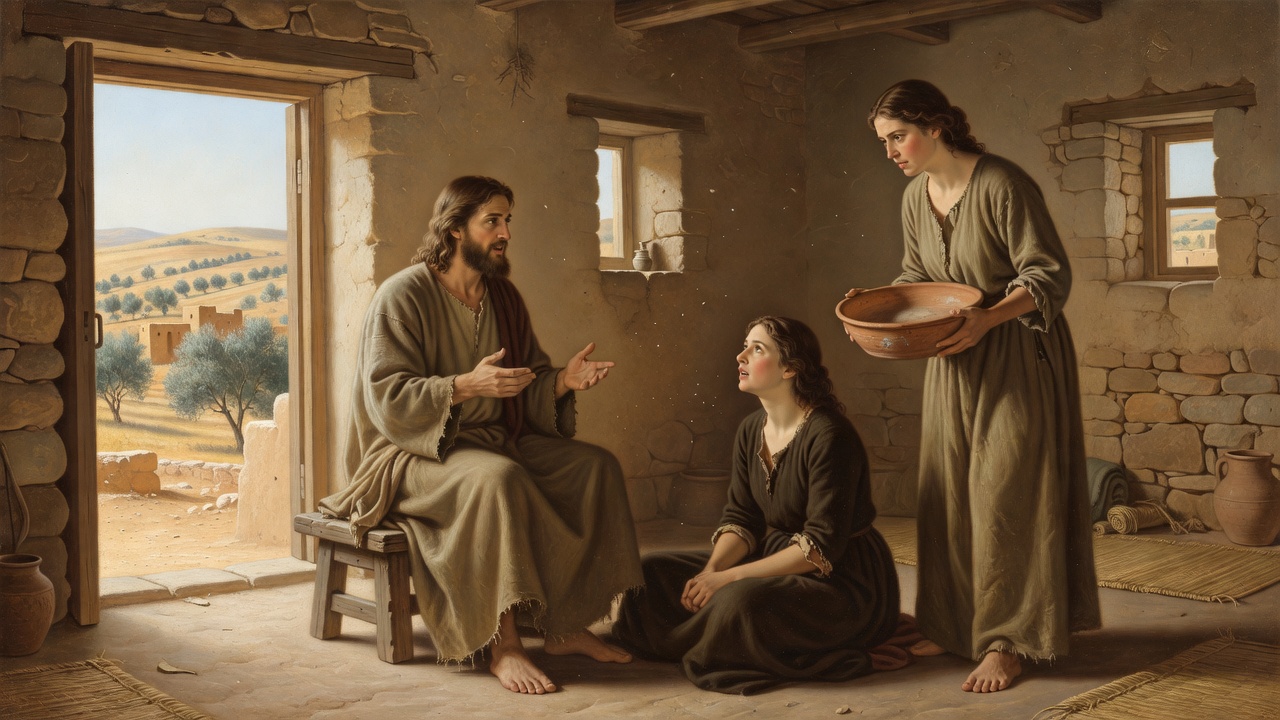
Marta, María, tihi cabo qui Jesu shishonina
38Jahuë rabëti bo ya capama tsi yaca qui Jesu cahëniquë. Jahá tsi quiha racaniquë yoxa, naa Marta icanai cato. Jabi Jesu qui joi ja amani quiha jahuë xobó tsi ja chitëno. 39Jabi noma Martá jayani quiha, naa María icanai cato, naa Jesú tiisimahai ca nicacatsai cato. Jesu tahë tsi quiha ja tsahoniquë nicaxëna. 40Jama, nicatimaxëni Marta ini quiha shishocanaibo ja taahai ca iqui na. Jahuë yonoco shina-shinahi ja ini quiha. Jatsi Jesu qui Marta caniquë. Cahax,
—Ea shinahuë, Ibobá. Noho nomá ëa jisbayaquë pë. Emë pistia xo taahai ca ëa xo naa rë. “Mi rëquëmë mëbihuë” ina ja qui —nëa tsi Marta nëcaniquë jahuë noma yoati na.
41Jatsi Jesú quëbiniquë:
—Huëstima ca jahuë bo yoati tsi shina-huëjënahi quiha mia rë. Jënima tsi xo mi acaina. 42Jama, huësti ca jahuë narisqui mia axëna. Oquë tsi xo Mariá acaina, noho chani nicacastsi na. Mëbihacatimaxëni tsi xo toa ja nicahana —i ja qui Jesu niquë. Jesu chani Mariá nicacasnina|src="cn01750b.tif" size="span" copy="©1978 David C. Cook Publishing Company" ref="LUK 10.42"
Did you know?
The mission, the towns, and Martha and Mary
- Easton's Bible Dictionary (1897) identifies Chorazin, named in this chapter's woes along with Bethsaida and Capernaum, with Kerazeh, about two and a half miles up the Wady Kerazeh from Capernaum. It says that after Jesus was expelled from Nazareth, Capernaum became his own city. The chapter compares those towns with Tyre and Sidon; the dictionary calls Sidon the first home of the Phoenicians on the coast of Palestine and the mother city of Tyre, about twenty-five miles north of Tyre.Sources: the Bible text itself · Chorazin · Capernaum · Sidon
- Easton's Bible Dictionary (1897) gives the name Martha as meaning bitterness, and says that she, her sister Mary, and their brother Lazarus lived at Bethany, with Martha probably the eldest. Because this passage calls the house hers, the dictionary notes that some have supposed she was a widow and that her brother and sister lodged with her. It describes her as anxious and bustling in caring for her guest, unlike Mary, who sat at Jesus' feet and listened.Sources: the Bible text itself · Martha · Mary (sister of Lazarus)
- The Lord appoints seventy-two others and sends them two by two ahead of him, and an event chronology dates that sending to AD 29. When they return, rejoicing that even the demons submit in his name, he says he saw Satan fall like lightning from heaven. Easton's Bible Dictionary (1897) explains the name Satan as adversary or accuser, and notes that the New Testament uses it interchangeably with the devil more than thirty times.Sources: the Bible text itself · 70 Sent Out · Satan
Notes written with AI assistance from open sources (Theographic Bible Metadata, CC BY-SA 4.0; Easton’s Bible Dictionary, public domain) and reviewed before publishing.
Places in this chapter
- Sidon · Today: Sandikli archaeological site in Sidon · 33.561, 35.372 · verses 13, 14
- Tyre · 33.271, 35.196 · verses 13, 14
- Jericho · Today: Tell el Alayiq · 31.852, 35.436 · verse 30
- Jerusalem · 31.777, 35.234 · verses 30, 38
Only places identified with high confidence are shown (90% or more according to the scholarly sources compiled by OpenBible). Period map: DARE (Digital Atlas of the Roman Empire), CC BY 4.0; modern map: © OpenStreetMap contributors; places: OpenBible.info (CC BY 4.0).
Credits and license for this translation
Dios Chani
New Testament in Chácobo (BL:cao:Chácobo)
copyright © 2010 Wycliffe Bible Translators, Inc.
Language: Chácobo
Translation by: Wycliffe Bible Translators, Inc.
Chácobo [cao], Bolivia
Copyright Information
© 2010, Wycliffe Bible Translators, Inc. All rights reserved.
This translation text is made available to you under the
terms of the Creative Commons License: Attribution-Noncommercial-No Derivative Works.
( http://creativecommons.org/licenses/by-nc-nd/3.0/ )
In addition, you have permission to port the text to different file formats, as long as you
do not change any of the text or punctuation of the Bible.
You may share, copy, distribute, transmit, and extract portions
or quotations from this work, provided that you include the above copyright
information:
You must give Attribution to the work.
You do not sell this work for a profit.
You do not make any derivative works that change any of the actual words or punctuation of the Scriptures.
Permissions beyond the scope of this license may be
available if you contact
us with your request.
The New Testament
in Chácobo
© 2010, Wycliffe Bible Translators, Inc. All rights reserved.
This translation is made available to you under the terms of the
Creative Commons Attribution-Noncommercial-No Derivatives license 4.0.
You may share and redistribute this Bible translation or extracts from it in any format, provided that:
You include the above copyright and source information.
You do not sell this work for a profit.
You do not change any of the words or punctuation of the Scriptures.
Pictures included with Scriptures and other documents on this site are licensed just for use with those Scriptures and documents.
For other uses, please contact the respective copyright owners.
2014-04-22
Source: http://ebible.org/caoNT/ · eBible.org