Acts 3
Dios Chani · Tap a verse to see its cross-references.
Catëjo tahë jaya ca jënimahuanina
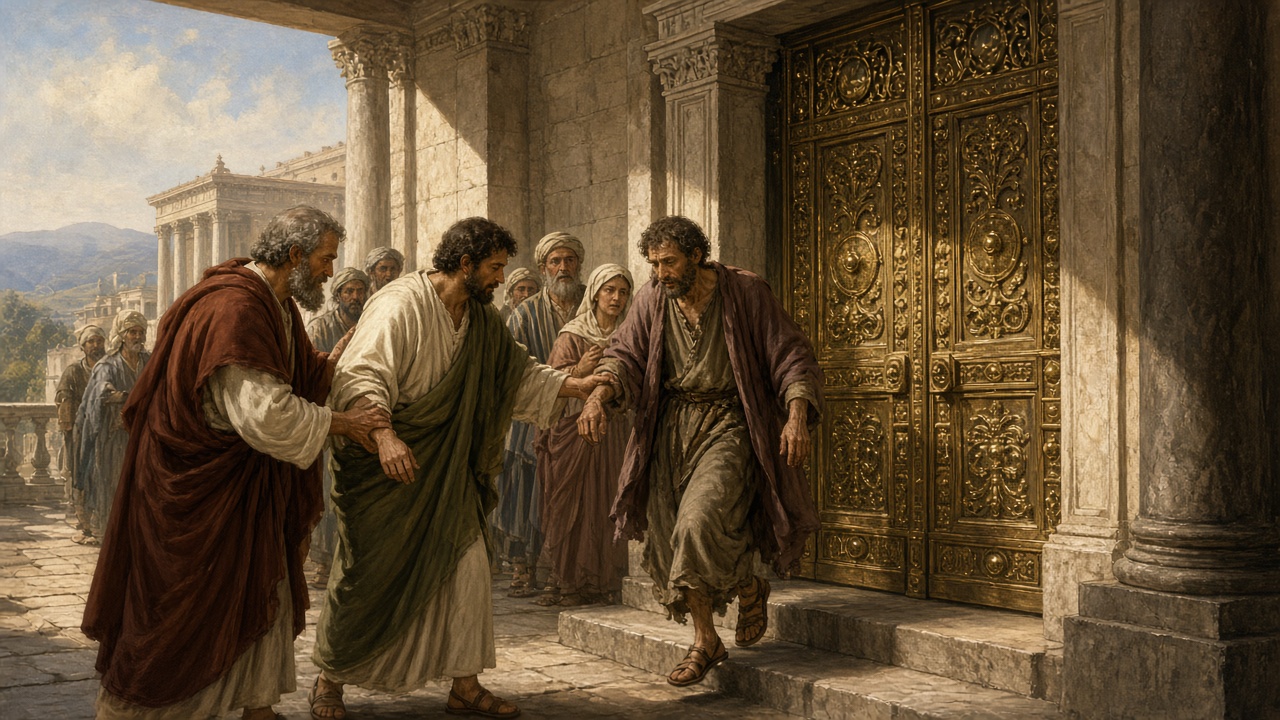
1Huësti barí tsi quiha Pedro, Juan, tihi cabo jodioba arati xobo-xoboria qui bocaniquë bëhoxhi na. A las tres ja ini quiha, naa jato bëhoxti hora. 2Jabi toá tsi arati xobo caití tsi quiha, naa “Caiti Jiaria” icanai cató tsi quiha joni noitiria ca tsaho iniquë. Catëjo ca tahë yoi jayanish ca ja ini quiha. Jatiroha barí tsi toá tsi ja janahacani quiha, parata bënariati. 3Jatsi arati xobo-xoboria qui Pedro, Juan, tihi cabo jicohai ca ja jisniquë. Jisi tsi,
—E qui parata ahuë —i jato qui ja niquë.
4Jatsi joni Pedro Juan bëisniquë. Bëis-hax ja qui Pedro chaniniquë:
—Noqui bëishuë iquia —iquiina.
5Jatsi quiha joni tsaya-tsayaniquë. Parata ó ja pasoni quiha. 6Jatsi Pedro ja qui nëcaniquë:
—Parata yama ca ëa xo naa. Jama, mia mëbicasquia. Nazarét ca Jesucristo tsi xo toa chama jaya cato. Jahuë janë́ tsi tapitsina iquia —i ja qui Pedro niquë.
7Jatsi jahuë mëquë mënëcayá tsi Pedró biniquë. Bixo tsi quiha toa joni ja joimaniquë. Chamatapini quiha jahuë tahë. Jënima jahuë jopoto ini quiha. 8Jatsi joni biisiniquë. Jahuë tahë́ tsi ja niiniquë. Jatsi co-cotsijaniquë. Jatsi quiha Pedro, Juan, tihi cabo ya arati xobo qui ja jiconiquë jaa ri. Co-copama tsi quiha Dios ja ocahua-ocahuaniquë, biisi-biisixo na. 9Ja cohaina, Dios ja ocahuahaina, tihi ca tsi quiha toá ca maní ca nohiria bá jisniquë. 10Parata bënaxëniria cato, naa “Caiti Jiaria” icanai cató ca tsahopaohax ca joni ja iqui ca cahëhax tsi ja ratëyocaniquë.
—¿Jënahuariahax ja jënimahuahacaha sa? —i jaca niquë tsayahax na.
Arati xobó tsi Pedro chaninina
11Pedro, Juan, tihi cabo parata bënaxëniria cató achaniquë. Achajahuano tsi quiha jato qui nohiria bo jabayoniquë tsayacatsi na. Portal de Salomón icanai cató tsi ja quëtsocani quiha. 12Jatsi nohiria bo jisi tsi quiha jato qui Pedro chaniniquë. Ja nëcaniquë:
—¿Jëniriahax ratëcanai pa? ¿Jëniriaxo tsi noqui tsaya-tsayacanai sa? Noba chamá tsi naa joni no tapimayamaquë ra. ¿Jënahuariaxo noba mëstë ca jabí tsi naa joni no jënimahuana ra? 13Dios, naa noba Abraham yamabo, noba Isaac yamabo, noba Jacob yamabo, tihi caba Diós jahuë yonati Jesu oquëhuaniquë ra. Jabi naa jasca ca Jesu Pilato qui ma mëaniquë pë, ja namëhacano. Jatsi Pilató paquëmacasquë tsi quiha “Anoma. Paquëmayamahuë” i ja qui ma niquë ra. 14Mato ti tsi xo toa jocha yama ca Mëstëxëniria ca niati ibo-iboria bo iquia. Niaxo ati ibo-iboria ca joni ma baaniquë rë, paquëmahacati. 15Mato ti tsi xo toa nohiria Bësomati Ibo-iboria acanaibo iquia. Jama, naa acacanish ca Jesu Diós bësotëquëmaniquë ra. Jabija tsi xo naa no yoahaina iquia. Parayamaqui noa. 16Naa joni, naa ma tsayahai ca joni jënimahuahacaquë ra, naa jasca ca Jesu janë́ no. Naa ma cahëhai ca joni tapimahacaquë ra, toa janë qui ja chitimiha cató no. Tsayacahuë.
17‘Jisa, noho xatë bá. Tonia cahëxoma tsi ma tocaniquë iquia, naa mato rëquëniniti ibobá ani jascaria. 18Jama, toca ca quiniá tsi quiha ja yoacani ca Diós jatihuaniquë, ma tocani cató no. Naama tsi quiha Cristo yoati tsi jahuë Chani yoanish cabo chanini quiha, “Tënëxëti xo Cristo” iquiina. 19Jatsi jaboqui mato jocha quima Dios quiri bësocana ra, mato jocha masahacano iquish na. 20Jatsi mato ranihuaxëhi quiha Ibo Dios. Jasca, mato bax ja bini ca Xabahamati Ibo, naa jahuë Jesu mato qui raaxëhi quiha. 21Jama, jaboqui naipá tsi ja chitëpariti xo ra. Jariapari tsi tsëquëxëti xo jatiroha ca paxahuahacatiya, naa Dios Chani yoanish cabá tsi Diós yoani jascaria. 22Moisés yoani ca nicacana. Ja nëcani quiha: “Mato qui Dios Chani Yoati Ibo-iboria raaxëhi quiha Dios ra, naa mato qui ëa ja raani jascaria. Mato jimibo huësti ca yoi ixëhi quiha naa joni ra. Ja yoahai ca tëquë ma nicaxëti xo. 23Jasca, Dios nohiria bo quima aquëquëmahacaxëti xo toa joni chani nicayamacanaibo. Nicayamahax quëyohacacaxëcani quiha” tihi ca tsi i Moisés ni quiha ra.
24‘Jabi naa xaba yoati tsi Dios Chani yoanish cabo tëquë chanipaoni quiha, naa Samuel yamabo tiya rohari cabo. 25Jasca, naa Dios Chani yoacanish caba chahitaxocobo xo mato ra. Mato qui Dios Chani acacani quiha jaari, naa mato naborëquëbo qui ja acacani jascaria. Jariapari tsi quiha Abraham yamabo qui Dios Chani acacaniquë, naa “Chahitaxocobo jayaxëqui mia. Toa baquë́ tsi shomahuahacaxëhi quiha maí ca nohiria bo tëquë” i ja qui Dios nina. 26Jatsi mato jodiobo qui pari tsi quiha jahuë yonati yoi Diós raaniquë mato shomahuaxëna. Mato jocha quima mato casomacatsi quiha ra —nëa tsi quiha Pedro nëcaniquë nohiria bo qui.
Did you know?
Healing and Preaching at the Temple
- The temple gate called Beautiful, where a man lame from birth was placed each day to beg, is named in this chapter. It is supposed to have been the door from the court of the Gentiles into the court of the women, and it was massive, covered with plates of Corinthian brass.Sources: Beautiful Gate · the Bible text itself
- After the healing, the astonished crowd ran to Peter and John in the walkway called Solomon’s Colonnade. This was a colonnade, or cloister, probably on the eastern side of the temple; it is not mentioned with the first temple, but Josephus mentions a porch of that name in Herod’s temple.Sources: Solomon's Portico · the Bible text itself
- In his address there, Peter said the people had handed Jesus over and rejected him before Pilate, although Pilate had decided to release him. A dictionary entry identifies Pontius Pilate as the sixth Roman procurator of Judea, from A.D. 26 to 36, with headquarters at Caesarea, though he frequently went up to Jerusalem; his name comes into prominent notice in connection with the trial of Jesus.Sources: Pontius Pilate · the Bible text itself
Notes written with AI assistance from open sources (Theographic Bible Metadata, CC BY-SA 4.0; Easton’s Bible Dictionary, public domain) and reviewed before publishing.
Places in this chapter
- Beautiful Gate · Today: in Jerusalem · 31.777, 35.234 · verses 2, 10
- Nazareth · 32.702, 35.298 · verse 6
- Solomon’s Portico · Today: in Jerusalem · 31.777, 35.234 · verse 11
Only places identified with high confidence are shown (90% or more according to the scholarly sources compiled by OpenBible). Period map: DARE (Digital Atlas of the Roman Empire), CC BY 4.0; modern map: © OpenStreetMap contributors; places: OpenBible.info (CC BY 4.0).
Credits and license for this translation
Dios Chani
New Testament in Chácobo (BL:cao:Chácobo)
copyright © 2010 Wycliffe Bible Translators, Inc.
Language: Chácobo
Translation by: Wycliffe Bible Translators, Inc.
Chácobo [cao], Bolivia
Copyright Information
© 2010, Wycliffe Bible Translators, Inc. All rights reserved.
This translation text is made available to you under the
terms of the Creative Commons License: Attribution-Noncommercial-No Derivative Works.
( http://creativecommons.org/licenses/by-nc-nd/3.0/ )
In addition, you have permission to port the text to different file formats, as long as you
do not change any of the text or punctuation of the Bible.
You may share, copy, distribute, transmit, and extract portions
or quotations from this work, provided that you include the above copyright
information:
You must give Attribution to the work.
You do not sell this work for a profit.
You do not make any derivative works that change any of the actual words or punctuation of the Scriptures.
Permissions beyond the scope of this license may be
available if you contact
us with your request.
The New Testament
in Chácobo
© 2010, Wycliffe Bible Translators, Inc. All rights reserved.
This translation is made available to you under the terms of the
Creative Commons Attribution-Noncommercial-No Derivatives license 4.0.
You may share and redistribute this Bible translation or extracts from it in any format, provided that:
You include the above copyright and source information.
You do not sell this work for a profit.
You do not change any of the words or punctuation of the Scriptures.
Pictures included with Scriptures and other documents on this site are licensed just for use with those Scriptures and documents.
For other uses, please contact the respective copyright owners.
2014-04-22
Source: http://ebible.org/caoNT/ · eBible.org