1 Timothy 4
Dios Chani · Tap a verse to see its cross-references.
Cristo quima casocanaibo
1Xaba rësó tsi Cristo quima casocaxëcani quiha huësti huësti cabo, parahai ca tiisimacanaibo nicacatsi na. Jato qui jiaxëhi quiha toa yoshiní tiisimahaina. Tihi ca tsi noqui yoahi quiha Espíritu Santo. 2Jatsi quiniacaxëcahuë. Quiacaxëcani quiha toa tiisimacanaibo. Parati cahëxëni ca xo. Parajahuacano tsi jato qui quësoyamahi quiha jato shinana rë, bësoyama jaca nori iqui na. 3Tiisimahi tsi “Anoma tsi xo ahui bënë́ bichiina” icani quiha pë, jënima ja nori. “Pinoma xo toa; pinoma xo naa” icani quiha pë, piti yoati na. Jishopë. Tihi cabo Diós nëhohuani quiha piti. Jasca, toa piti quëshpi tsi “Gracias” iqui noa Dios qui, naa noqui chahahuacanaibo. Noqui tsi xo toa jabija ca cahëcanaibo. 4Nicacana. Jia tsi xo toa jatiroha ca Diós nëhohuanina. “Gracias” iipihi tsi “Pinoma xo toa” i no yamaxëti xo, bëhoxhi na. 5Dios Chani, no bëhoxhaina, tihi cabo tsi xo toa piti shomahuahaina piti.
Jesucristo pastor jiaxëni cato
6Tihi ca yoba bo pi mi xatë bo qui ahi tsi Jesucristo yonati jiaxëni ca ixëqui mia. Tocapimino tsi chahahuahacati ca Chani, Dios yoba jia cabo, tihi cabo cahëhai ca mi nori ca jismahacaxëhi quiha ra. 7Jasca, mahitsa ca chani, yoyoxëni ca chani, tihi cabo quima basihuë. Jatsi quiniahuë. Oquë tsi xo toa mi shina coshihuahaina Dios quinia ó tsi bësohai cató no. 8Tsayahuë. Jënima tsi toa no mohi-mohihaina noba yora coshihuati. Jama, oquë tsi xo toa noba shina coshihuahaina Dios quinia ó no. Tocapimino tsi oquëxëhi quiha mi bësohaina jaboqui, rëquë ca xaba ri. 9Nicahuë. Jabija tsi xo naa ë yoahana. Ja chahahuahacaxëti xo. 10Bësohai ca Dios qui chitimiqui noa. Maí ca nohiria bo, noqui chahahuacanaibo, tihi cabo Xabahamati Ibo-iboria ca tsi xo naa ra. Ja tsi xo toa yonocoria-yonocoriaquia Dios bax na.
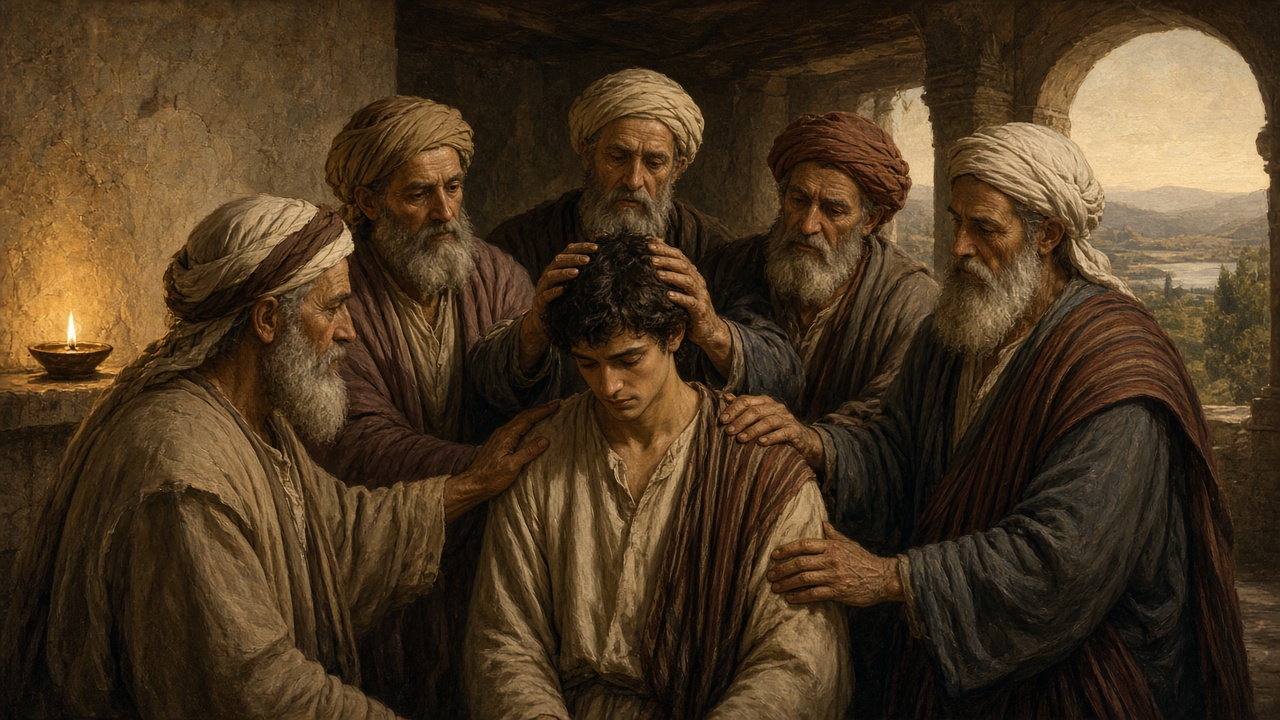
11Tiisimaquí tsi tihi ca jahuë bo chahahuacanaibo mi amano. 12Jasca, mia nohiria bá ocahuayamano, shinapayo mi nori iqui na. Quinia jia cato ó tsi mi bësono chahahuacanaibo bax na. Mi chani, mi jabi, mi noihaina, mi chitimihaina, mi yoyoyamahaina, tihi cabo tsayacaxëcani quiha. 13Ea manapama tsi mi bamayamano. Quënëhacanish cabo nohiria bo mi nicamano. Dios Chani mi yoano. Mi tiisimano. 14Jabi Dios Chani yoatí tiisi jaya xo mia iquia. Toa tiisi mi shina-bënoyamano. Toa tiisi Diós mi qui ani quiha, Chani chitahëhuati ibobá mi nohó jato mëquë jananiquë no. Mi bamayamano ra.
15Jatsi ë quënëha ca yoba mi shinano. Mi tiisí tsi mi ariano, mi shinahacai ca nohiria bá jisno iquish na. 16Jahuëcara ca ahi tsi quiniaxëhuë. Tiisimahi tsi jaha bësohuë. Tocapiquí tsi mimë xabahamaxëqui mia. Jasca, xabahamahacaxëhi quiha mia nicacanaibo ri.
Did you know?
False Teaching and Godly Training
- The chapter says the Spirit expressly states that in later times some will abandon the faith to follow deceitful spirits and the teachings of demons. They are influenced by the hypocrisy of liars whose consciences are seared with a hot iron, and they will prohibit marriage and require abstinence from certain foods.Sources: the Bible text itself
- The letter answers those demands by saying God created such foods to be received with thanksgiving by those who believe and know the truth. Every creation of God is good, and nothing received with thanksgiving should be rejected, because it is sanctified by the word of God and prayer.Sources: the Bible text itself
- The writer urges the young person he addresses not to let anyone despise his youth, but to set an example in speech, conduct, love, faith, and purity. Until the writer comes, he is to devote himself to the public reading of Scripture, to exhortation, and to teaching, and not neglect the gift given through prophecy when the elders laid hands on him. Physical exercise, the letter adds, is of limited value, while godliness is valuable in every way, holding promise for the present life and the life to come, a saying the letter calls trustworthy and worthy of full acceptance.Sources: the Bible text itself
Notes written with AI assistance from open sources (Theographic Bible Metadata, CC BY-SA 4.0; Easton’s Bible Dictionary, public domain) and reviewed before publishing.
Credits and license for this translation
Dios Chani
New Testament in Chácobo (BL:cao:Chácobo)
copyright © 2010 Wycliffe Bible Translators, Inc.
Language: Chácobo
Translation by: Wycliffe Bible Translators, Inc.
Chácobo [cao], Bolivia
Copyright Information
© 2010, Wycliffe Bible Translators, Inc. All rights reserved.
This translation text is made available to you under the
terms of the Creative Commons License: Attribution-Noncommercial-No Derivative Works.
( http://creativecommons.org/licenses/by-nc-nd/3.0/ )
In addition, you have permission to port the text to different file formats, as long as you
do not change any of the text or punctuation of the Bible.
You may share, copy, distribute, transmit, and extract portions
or quotations from this work, provided that you include the above copyright
information:
You must give Attribution to the work.
You do not sell this work for a profit.
You do not make any derivative works that change any of the actual words or punctuation of the Scriptures.
Permissions beyond the scope of this license may be
available if you contact
us with your request.
The New Testament
in Chácobo
© 2010, Wycliffe Bible Translators, Inc. All rights reserved.
This translation is made available to you under the terms of the
Creative Commons Attribution-Noncommercial-No Derivatives license 4.0.
You may share and redistribute this Bible translation or extracts from it in any format, provided that:
You include the above copyright and source information.
You do not sell this work for a profit.
You do not change any of the words or punctuation of the Scriptures.
Pictures included with Scriptures and other documents on this site are licensed just for use with those Scriptures and documents.
For other uses, please contact the respective copyright owners.
2014-04-22
Source: http://ebible.org/caoNT/ · eBible.org