1 Thessalonians 4
Dios Chani · Tap a verse to see its cross-references.
Jocha pasomaha ca chani
1Jarohari tsi noba jabi tsayahax tsi bësoyoiti ma jabiniquë iquia, Dios ranihuaxëna, ëbë xatë bá. Jabi toca tsi bësoqui mato tonia. Jënima quiha. Jama, jaboqui mato yobatëquëqui noa. Oquë-oquëria ca jabi ma jayaxëti xo iquia Ibo Jesu janë́ no. 2Ibo Jesu chamá tsi mato qui ë chanini quiha. Mato qui ë ani ca yoba cahëqui mato iquia.
3Jabi mato bax jaha Dios quëëhai ca tsi xo naa: Ma aquëquëxëti xo. Anoma ca chotahai quimamaxëti xo. 4Ahui biti ma cahëxëti xo. Bixo tsi jiaxëni ca quiniá tsi ma otoxëti xo. 5Jochahuaxëniria ca Dios cahëyamacanai ca carayanabo jascariayamacana. Yoyocani quiha pë ahui bihax na. 6Jasca, parahax mato xatë bo pasomaha ma jochayamano, ahui bichi na. “Nëca ca jocha copixëhi quiha Dios” iquia, naa mato ë yobani jascaria. 7Jabi Diós noqui quënayamani quiha jocha ó tsi bësoti. Jama, noqui ja quënani quiha mëstëxëni iti. 8Dios yoba tsi xo naa ë yoahaina iquia. Nicacasyama-piquí tsi Dios yoba niahi quiha pë toa nicacasyamahai cato, joni yoba ja nori ca quëscahuaquí na.
Noiti chani
9Jasca, ¿jënahuariaxo raca mabë xatë bo ma noihai ca yoati tsi mato qui ë quënëna, noinati Diós mato tiisimani iqui na? 10Jatiroha ca Macedonia maí ca xatë bo noiqui mato. Jama, “Oquë tsi jato noitsacana” iquia, ëbë xatë bá. 11Jasca, pasiroha racati ó quëëtsicana. Huëtsa bo yosiyamacana. Mato mëquënë́ tsi yonocotsicana, naa mato ë yoani jascaria. Tihi tsi iquia yobahi na. 12Tocapimano tsi mato jabi jia ca tahëxo tsi jia tsi ocahuaxëhi quiha chahahuayamacanaibo. Jasca pi yonocohi tsi biniayamaxëqui mato ra.
Ibo Jesu jotëquëhaina
13Jabi jaboqui tsi rësonish cabo yoati tsi mato cahëmacasquia, chahahuayamacanaibo jascaria ma iyamano iquish na. Jato yoi bo pi rësono tsi cohuëriacani quiha, bësotëquëhai ca ó ja pasoyamacanai quëshpi na. 14Rësoniquë Jesu iqui noa. Rësohax ja bësotëquëniquë iqui noa. Jasca, tocacaxëcani quiha Jesu ó ca rësonish cabo ri. Jato bëxëhi quiha Dios jahuë Jesu ya.
15Nicacana. Ibobá noqui yoani ca tsi xo naa mato qui ë yoahaina. Noba Ibo bacano tsi maihuahacanish cabo rëquë tëronoyamaxëqui noa, naa noqui jari bëso cabo. 16Jariapari tsi yonahai ca joí tsi quënaxëhi quiha Dios. Jatsi quënaxëhi quiha ángel-ángelria. Xoohacacaxëhi quiha Dios trompeta. Jatsi nai ax botëxëhi quiha Ibo yoi. Jatsi ja qui tëronoxëhi quiha Cristo ó rësonish ca chahahuacanaibo pari. 17Jaquirëquë tëronoxëhi quiha noqui bësó cabo jato qui riixëna. Jatsi nai xo tsi noba Ibo bëchaxëqui noa ra. Jaquirëquë noba Ibo ya i-ipaoxëqui noa ra. 18Mabë xatë bo ranihuatsacana naa chaní no.
Did you know?
Holiness, Love, and Hope for the Dead
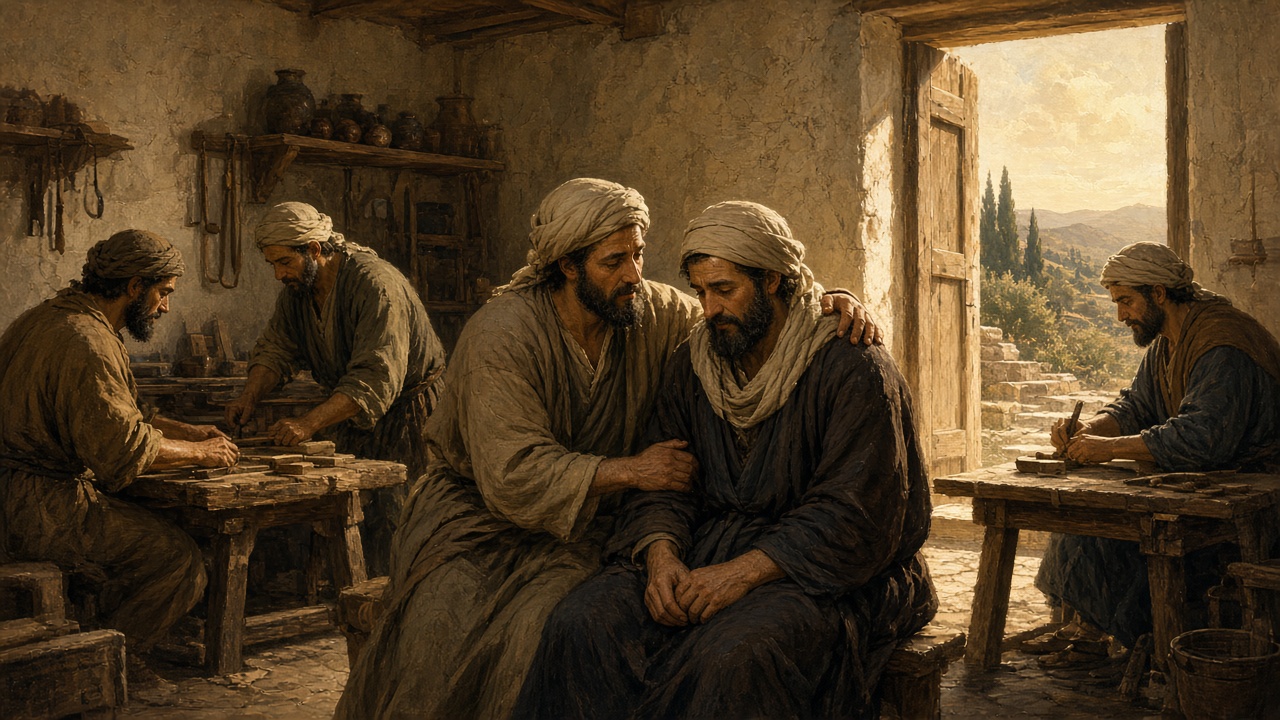
- This chapter notes that its readers were already showing love to all the brothers throughout Macedonia. In New Testament times Macedonia was a Roman province lying north of Greece, governed by a propraetor with the title of proconsul. Paul was summoned by a vision of the "man of Macedonia" to preach the gospel there.Sources: the Bible text itself · Macedonia
- The chapter speaks of the dead as people who sleep or have fallen asleep, and it asks the readers not to grieve like the rest, who have no hope. Because Jesus died and rose again, it says, God will bring with Jesus those who have fallen asleep in him; the dead in Christ will rise first, and then those still alive will be caught up with them in the clouds to meet the Lord in the air.Sources: the Bible text itself
- The readers are urged to aspire to a quiet life, to attend to their own matters, and to work with their own hands, as they had already been instructed. The chapter presents this as the way to behave properly toward outsiders and to avoid being dependent on anyone.Sources: the Bible text itself
Notes written with AI assistance from open sources (Theographic Bible Metadata, CC BY-SA 4.0; Easton’s Bible Dictionary, public domain) and reviewed before publishing.
Places in this chapter
- Macedonia · 41.600, 22.540 · verse 10
Only places identified with high confidence are shown (90% or more according to the scholarly sources compiled by OpenBible). Period map: DARE (Digital Atlas of the Roman Empire), CC BY 4.0; modern map: © OpenStreetMap contributors; places: OpenBible.info (CC BY 4.0).
Credits and license for this translation
Dios Chani
New Testament in Chácobo (BL:cao:Chácobo)
copyright © 2010 Wycliffe Bible Translators, Inc.
Language: Chácobo
Translation by: Wycliffe Bible Translators, Inc.
Chácobo [cao], Bolivia
Copyright Information
© 2010, Wycliffe Bible Translators, Inc. All rights reserved.
This translation text is made available to you under the
terms of the Creative Commons License: Attribution-Noncommercial-No Derivative Works.
( http://creativecommons.org/licenses/by-nc-nd/3.0/ )
In addition, you have permission to port the text to different file formats, as long as you
do not change any of the text or punctuation of the Bible.
You may share, copy, distribute, transmit, and extract portions
or quotations from this work, provided that you include the above copyright
information:
You must give Attribution to the work.
You do not sell this work for a profit.
You do not make any derivative works that change any of the actual words or punctuation of the Scriptures.
Permissions beyond the scope of this license may be
available if you contact
us with your request.
The New Testament
in Chácobo
© 2010, Wycliffe Bible Translators, Inc. All rights reserved.
This translation is made available to you under the terms of the
Creative Commons Attribution-Noncommercial-No Derivatives license 4.0.
You may share and redistribute this Bible translation or extracts from it in any format, provided that:
You include the above copyright and source information.
You do not sell this work for a profit.
You do not change any of the words or punctuation of the Scriptures.
Pictures included with Scriptures and other documents on this site are licensed just for use with those Scriptures and documents.
For other uses, please contact the respective copyright owners.
2014-04-22
Source: http://ebible.org/caoNT/ · eBible.org