2 Corinthians 8
Lerérun Búngiu To Lánina Iséri Darádu · Tap a verse to see its cross-references.
Wíchugun joun gudémetiña
1Guetó, nidújeñu, buséntina nabájüdagun jun luágu lareíni Búngiu joun tílana sun ligílisi buri to loúbawaguboun Macedónia. 2Láu sun ában lan oúnwenbun oúchawaguni lun jafíñen lénreengúnga le jadárirubei, gúndaatiña buídu, áni láu sun gudéme jamá, rújaña lídan jíderawagún ja gudémebaña Jerusalén camá jamuga rísitiña. 3Geféentina luágu rújamaali lan sun le jayáraabei láu sun tarúman janígi, ru jagía sügǘ láu lé yebe jayáraabei. 4Ayúmuraguatiña sarágu woun lun wígiruniña lun jíchuguni jafáran lídan jíderawagúniwa idújeñu lueígiñe Jesucrístu. 5Adǘgatiña sügǘ láu lé yebe wagúrabubei jadǘgün, furúmiñe, ába jedéregeragun joúngua le gumúti lun Wabúreme Jesucrístu, lárigiñe ába jedéregeragun joúngua woun, queísi lugúndan Búngiu. 6Weíriti jabúseerun jíchugun, darí lun wayúmuragun lun Títo lun lagíribudun júmoun lun gayáraabei lan lagúmuchaguagüdüni labúdajoún seínsu lé meja lagúmeserubei jídan. 7Jugúya ubáraübei lídan sun cátei—lídan jafíñen, lídan jisúbudin luágu Lerérun Búngiu lúma jubáfu lun jarúfudajani furáangu joun ámu, lídan jabúseerun jesériwidun lun Crístu, lúma lídan ínsiñejabuni woun—lúnti lubeíti gíñe ubáraü jumá lídan ídejani le.
8Máma naríñaguñein le jun quei ában gumádi, busénrügütina jasúbudiruni jabúseeruni ja jíbiri jídejan, lun gayáraabei lan gíñe jarúfuduni jínsiñejabu láu jíchugun táu sun janígi quei jagía. 9Jarítagua jumá luágu lareíni Wabúreme Jesucrístu woun. rísiti bugája dan le siélu lan, ába lagúdemedun láu liábin uboúagun ladǘga línsiñejabu woun, lun gayáraabei lan wayábin lun warísidun lídaangiñe lugúdeme.
10Luágu jáni fuleísei naríñagei narítagun jun luágu cátei le. Gumésetün buídu lídan irúmu le ásügürübei, mámarügü láu jatátirun abúdaja seínsu joun, adǘga jumúti gíñe táu sun janígi. 11Guetó lubeíti, ítara méme jumá darí jagúmuchuni abúdajani luágu, láu méme ugúndani lé meja juágubei lúmagiñe furúmiñeti, íchigeina según le júmati. 12Lugúndun ánjein íchiga ában gürígia sun le liyáraati según le lúmabei, láu sun lugúndan, gúndaati Búngiu láu, áni resíbi lumúti le líchugubei gürígia ligía, mamúriajan lumúti Búngiu le úati jáma gürígia.
13Máma lun jáfagun mégei ladǘga jíderagun ámu, 14le busénwabei, lun ñi lan úarani jídan. Guetó, níjein júma lun jabuínchagüdüni le jemégeirubei ámu, lídaanme ámu dan, níjeinbei jáma lun jabuínchagüdüni le jemégeirubei. Ítara lúba ñi lan úarani, 15quei taríñagun Lerérun Búngiu. “Le gíbebei úma, mígiragunti lúma, le míbebei úma, memégeirunti lun.”
Títo jáma líbirigu
16Teínqui numúti Búngiu luágu líchuguni ayúmajani méme le líchugubei nídoun tídoun lanígi Títo lun líderagunün. 17Gúndaati Títo lúnya lídin aríjaün quei namúriajani lúma, áni afíñetina luágu weíri lan labúseerun lúnya laríjinün darí jamúga lun lídin láu láni lúngua maríñagunga áu ni cáta lun.
18Úara lúma Títo, woúnajaña ában idújei le uágubei buídu lan jadímurejan tílana sun ligílisi, luágu lubuídun luwádigimari lun labúruchagun ugánu luágu Wasálbaragüle. 19Áni mámarügü líra, anúadaja jamúti gíñe tílana buri ligílisi idújei ligía lun ladǘgün weíyaasu wáma lun líderagun lídan loúndarún seínsu le. Wadǘgüñein wadágimanu le, le lánina ídejani, lun wíchugun ugúndani lun Búngiu, lun gíñe warúfuduni luágu busén jamá afíñetiña lun jíderaguniña jadújeñu ja gudémebaña. 20Waráanseruñein sun cátei lébei lun míchugun wamá lúgaaru lun ladímurejoún wuríba wawágu lueígiñe loúndarun seínsu le wadǘgübei. 21Wáfaaguña lun wadǘgüni sun cátei láu arúmani, mámarügü ligíbugiñe Wabúreme, jagíbugiñe gíñe gürígia.
22Woúnajaña gíñe ábanya jádaangiñe wadújeñu lúma Títo lúma le ában. Wügǘri le, arúfuda láalibei luweírin labúseerun lesériwidun lun Crístu woun lídan sarágu luwúyeri, guetótima láu oúnwenbun afíñeni le luágubei luágu jíchuguba lan sarágu seínsu láu sun jugúndan. 23Le álügüdajati libǘgürü Títo, aríñaga jumá lun luágu noúba lan, luágu luwádigimariña lan núma lun wesériwidun jun. Ánjaña álügüdaja jabǘgürü biáma idújeñu lueígiñe Jesucrístu ja lúmabaña, jaríñagame joun luágu joúnajan lan tílana ligílisi buri, luágu jiñúragüdüñein lan líri Crístu láu lubuídun jagáburi. 24Ítara líña lubeíti, resíbi jumáña láu ában ínsiñeni le tímatimaati lun gayáraabei lan jaríjini wügǘriña jagía luágu inárüni lan lubuídun werérun juágu, áni lun gíñe jasúbudirun sun jíbiri tílana buri ligílisi luágu ínsiñejabuni le juágubei jádaangiñe wügǘriña jagía.
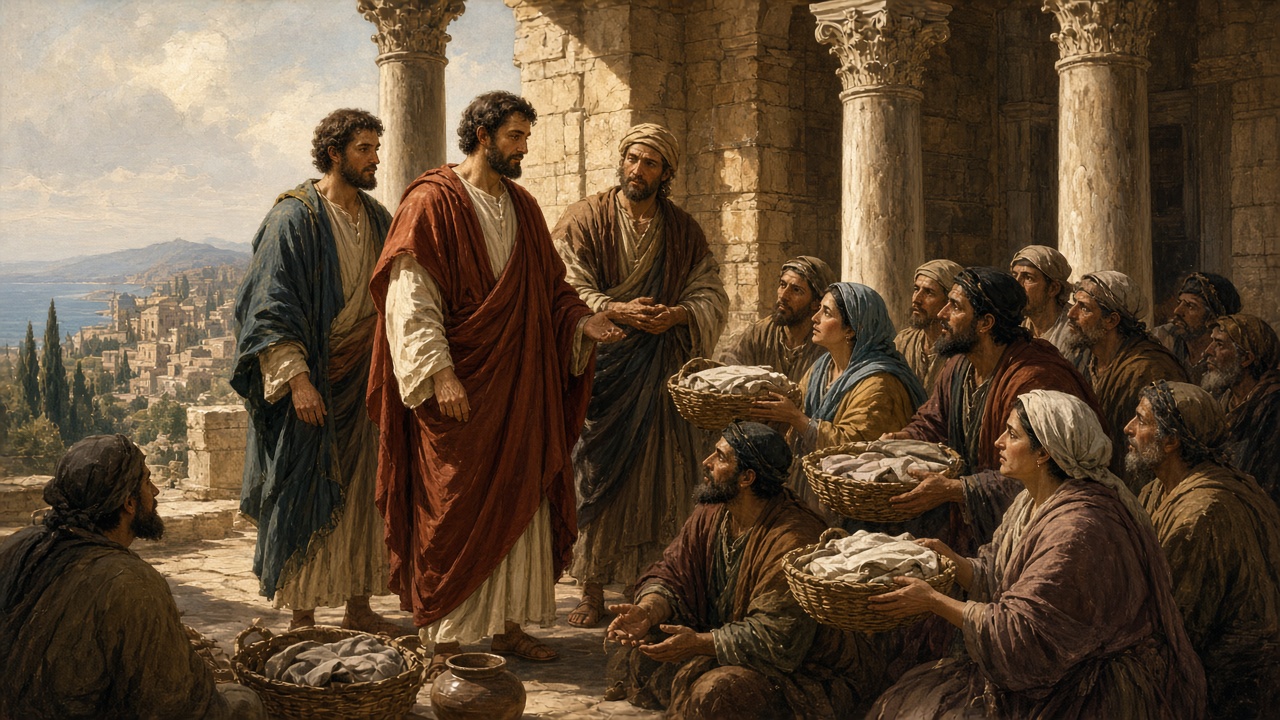
Did you know?
Generosity and the Jerusalem Collection
- In New Testament times Macedonia was a Roman province north of Greece. Paul was summoned by the vision of a man of Macedonia to preach the gospel there, and this chapter tells the Corinthians how those churches, in a terrible ordeal and deep poverty, gave joyfully and even beyond their ability.Sources: Macedonia · the Bible text itself
- Titus, whose name nowhere occurs in Acts, appears to have been a Gentile chiefly engaged in ministering to Gentiles. From Ephesus, Paul sent him to Corinth to forward the church's contributions for the poor saints at Jerusalem; in this chapter Paul urges him to complete that work, and Titus is coming eagerly of his own accord.Sources: Titus · the Bible text itself
- Along with Titus, Paul is sending a brother praised by all the churches for his work in the gospel and chosen by them to accompany the offering, and another brother whose earnestness has been proven many times and in many ways. He explains that this care is meant to avoid criticism of how the generous gift is administered, so that they do what is right not only in the eyes of the Lord but also in the eyes of other people.Sources: the Bible text itself
Notes written with AI assistance from open sources (Theographic Bible Metadata, CC BY-SA 4.0; Easton’s Bible Dictionary, public domain) and reviewed before publishing.
Places in this chapter
Only places identified with high confidence are shown (90% or more according to the scholarly sources compiled by OpenBible). Period map: DARE (Digital Atlas of the Roman Empire), CC BY 4.0; modern map: © OpenStreetMap contributors; places: OpenBible.info (CC BY 4.0).
Credits and license for this translation
Lerérun Búngiu To Lánina Iséri Darádu
New Testament in Garifuna (HO:cab:Garifuna)
copyright © 2012 Wycliffe Bible Translators, Inc.
Language: Garifuna
Translation by: Wycliffe Bible Translators, Inc.
Garifuna [cab], Honduras
Copyright Information
© 2012, Wycliffe Bible Translators, Inc. All rights reserved.
This translation text is made available to you under the
terms of the Creative Commons License: Attribution-Noncommercial-No Derivative Works.
( http://creativecommons.org/licenses/by-nc-nd/3.0/ )
In addition, you have permission to port the text to different file formats, as long as you
do not change any of the text or punctuation of the Bible.
You may share, copy, distribute, transmit, and extract portions
or quotations from this work, provided that you include the above copyright
information:
You must give Attribution to the work.
You do not sell this work for a profit.
You do not make any derivative works that change any of the actual words or punctuation of the Scriptures.
Permissions beyond the scope of this license may be
available if you contact
us with your request.
The New Testament
in Garifuna
© 2012, Wycliffe Bible Translators, Inc. All rights reserved.
This translation is made available to you under the terms of the
Creative Commons Attribution-Noncommercial-No Derivatives license 4.0.
You may share and redistribute this Bible translation or extracts from it in any format, provided that:
You include the above copyright and source information.
You do not sell this work for a profit.
You do not change any of the words or punctuation of the Scriptures.
Pictures included with Scriptures and other documents on this site are licensed just for use with those Scriptures and documents.
For other uses, please contact the respective copyright owners.
2014-04-25
Source: http://png.bible/cabNT/ · eBible.org