Ruth 4
Uyojroner e Dios xeꞌ Tzꞌijbꞌabꞌir Tama e Onian Tiempo · Tap a verse to see its cross-references.
Conda e Booz nujbꞌi taca e Rut
1Entonces ixin turuan e Booz tuyejtzꞌer e ocher tama e chinam cocha jax e lugar tiaꞌ acay umorojse ubꞌobꞌ e winicobꞌ. Y tamar era numuy e winic xeꞌ familia taca e Booz xeꞌ cay uchecsu taca e Rut. Entonces ojron e Booz y che:
—Eee, net lar tara, y turen taniwejtzꞌer, che e Booz.
Entonces ixin e winic esto tiaꞌ turu e Booz y turuan. 2Entonces e Booz upejca diez nuquir winicobꞌ tama e chinam tuaꞌ aquetpobꞌ ajchecsuyajobꞌ tamar lo que cꞌani uchiobꞌ, y uyare tuaꞌ aturuanobꞌ tacar. 3Entonces e Booz uyare e winic xeꞌ familia tacar y che:
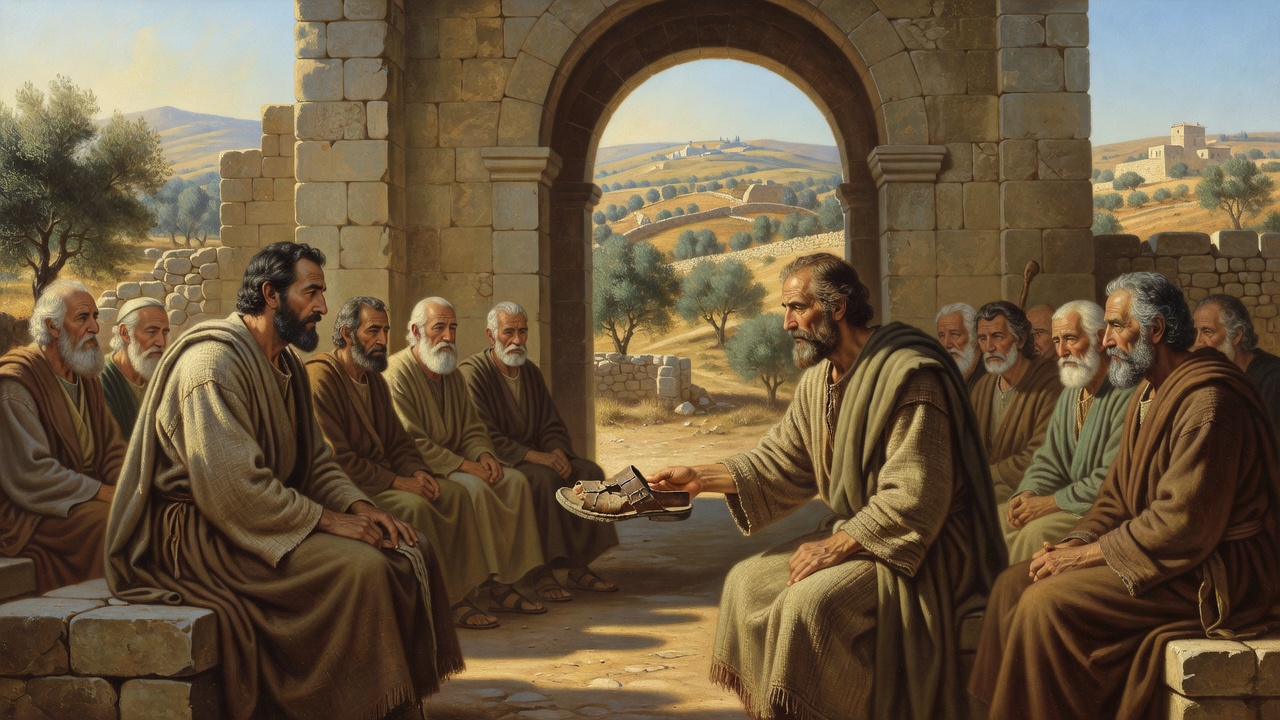
—E Noemí xeꞌ sutpa tari tama e lugar Moab cꞌani uchoni e rum xeꞌ tuaꞌ ani e Elimelec. 4Pues bꞌan ucꞌani tuaꞌ anata net tuaꞌ uyubꞌiet abꞌijnu jay cꞌani amani. Y jay bꞌan war acꞌani, erer aware coner tut tunor e ajchecsuyajobꞌ era y tut e nuquir winicobꞌ era xeꞌ tuobꞌ cachinam. Pues jax net xeꞌ más familiaret taca e Elimelec y tamar era jax net xeꞌ erer ani amani e rum. Pero jay net machi acꞌani, arenen era tuaꞌ innata. Pues mamajchi uyubꞌi umani e rum era sino que jax taca net. Pero nacpat net, jax nen xeꞌ uyubꞌien inmani e rum era otronyajr jay net machi acꞌani, che e Booz. “Entonces e Booz upejca diez nuquir winicobꞌ tama e chinam tuaꞌ aquetpobꞌ ajchecsuyajobꞌ tamar lo que cꞌani uchiobꞌ.” (Rut 4:2)|alt="Boaz at the gate with men" src="co00971b.TIF" size="span" loc="Ruth 4:1-12" copy="David C. Cook" ref="RUT 4:4"
Entonces ojron e winic y che:
—Cꞌani inmani, che e winic era.
5Entonces sutpa ojron e Booz otronyajr tuaꞌ uchecsu ubꞌa tut e winic y che:
—Pues jay amani e rum tuaꞌ e Noemí aquetpa ubꞌan tuaꞌ inujbꞌi taca e Rut xeꞌ tuaꞌ e lugar Moab xeꞌ jax ani uwixcar e Mahlón tuaꞌ uyubꞌi aquetpa e rum tama ucꞌabꞌa e chamen, che e Booz.
6Pero conda e winic uyubꞌi e ojroner era cay ojron otronyajr y che:
—Pues jay bꞌan aquetpa entonces nen machi tuaꞌ uyubꞌien inmani e rum cocha machi incꞌani tuaꞌ innujbꞌi taca e Rut, porque jay inmani ani e rum era bꞌajcꞌat axin asatpa imbꞌijc e rum lo que aquetpa ani tuaꞌ uchꞌamiobꞌ nimaxtac conda inxin inchamay. Pero jay net cꞌani amani e rum, mana. Nen machi ixto tuaꞌ uyubꞌien inmani, che e winic.
7Pues tama e tiempo yajaꞌ ayan inteꞌ costumbre tama e Israel que conda inteꞌ war achempa inteꞌ contrato tuaꞌ e manuar o tuaꞌ e chonmar, tin e war uyajcꞌu o xeꞌ war achonma, ixin ulocse inteꞌ uxanabꞌ y uyajcꞌu otronteꞌ tuaꞌ aquetpa chequer que ayan inteꞌ acuerdo. Pues bꞌan ani e costumbre. 8Pues entonces e winic xeꞌ familia taca e Booz ulocse uxanabꞌ y uyajcꞌu e Booz y che:
—Mana net, che e winic.
9Entonces e Booz uyare e nuquir winicobꞌ xeꞌ war aturuanobꞌ tuyejtzꞌer era y tin tin xeꞌ turobꞌ yajaꞌ y che:
—Coner era tunorox war ixquetpa ajchecsuyajox que nen cꞌapa inmani e rum taca e Noemí xeꞌ tuaꞌ ani e Elimelec y e Quilión y e Mahlón. 10Y nox ajchecsuyajox ubꞌan que nen war innujbꞌi taca e Rut xeꞌ tuaꞌ e Moab y xeꞌ chamen uviejo tuaꞌ aquetpa e rum tama ucꞌabꞌa e Mahlón xeꞌ jax ani uviejo e Rut. Y tamar era machi tuaꞌ asatpa ucꞌabꞌa e Mahlón ticajam, y nien machi tuaꞌ anajpesna tama cachinam. Coner nox war ixquetpa ajchecsuyajox tama tunor era, che e Booz.
11Entonces tunor e nuquir winicobꞌ era y tunor tin e turobꞌ yajaꞌ quetpobꞌ intera ubꞌijnusiajobꞌ y chenobꞌ:
—Non jax awajchecsuyajon. Que Cawinquirar Dios uche que e ixic xeꞌ axin oꞌchoy tama oꞌtot axin aquetpa bꞌan cocha e Raquel y axin aquetpa bꞌan cocha e Lea xeꞌ ixin uchꞌijrsiobꞌ meyra nuquir winicobꞌ tama cachinam xeꞌ jax e Israel, y que net iꞌxin iquetpa inteꞌ nuxi winic tama cachinam xeꞌ ucꞌabꞌa ani Efrata, y que acꞌabꞌa axin aquetpa nojta tama cachinam xeꞌ ucꞌabꞌa Belén coner. 12Y que Cawinquirar Dios uyajqꞌuiquet meyra amaxtac taca e ixic era, bꞌan cocha numuy taca e Fares xeꞌ jax uyar e Tamar taca e Judá, che e nuquir winicobꞌ era.
Uchꞌajnarir e David
13Pues entonces e Booz nujbꞌi taca e Rut. Y conda ixin uchꞌami uwixcar, Cawinquirar Dios utacre e Rut tuaꞌ uyubꞌi achꞌijrtesian y aquetpa awawan taca uyar. 14Entonces conda cꞌapa cuxpa uyar e Rut e ixictac tama e chinam uyareobꞌ e Noemí y chenobꞌ:
—Catattzꞌic ucꞌabꞌa Cawinquirar Dios xeꞌ ixin uyajqꞌuet inteꞌ asitz tuaꞌ ucojcuet. Que jaxir axin aquetpa nojta tama e Israel conda acꞌapa aꞌchꞌi. 15Pues e sitz era tuaꞌ axin utzayreset y tuaꞌ axin utacret conda más onian ixiquet, porque e Rut xeꞌ awaribꞌ meyra uyajta oit y más ayan ucꞌampibꞌir toit que siete maxtac, chenobꞌ e ixictac era.
16Entonces e Noemí uchꞌami yer e sitz y cay uchꞌijrse bꞌan ani cocha jay tuach. 17Y conda e ixictac xeꞌ turobꞌ yajaꞌ uwirobꞌ tunor era ojronobꞌ y chenobꞌ:
—Coner e Noemí ayix otronteꞌ uyar, chenobꞌ e ixictac era. Y uturbꞌa ucꞌabꞌa Obed. Pues e Obed cꞌotoy quetpa utata e Isaí, y e Isaí cꞌotoy quetpa utata e David.
Utata viejobꞌirobꞌ e David
18Pues jax era uchꞌajnarir e Fares. E Fares ayan uyunen xeꞌ ucꞌabꞌa Jezrón. 19Y e Jezrón ayan uyunen xeꞌ ucꞌabꞌa Ram, y e Ram ayan uyunen xeꞌ ucꞌabꞌa Aminadad. 20Y e Aminadad ayan uyunen xeꞌ ucꞌabꞌa Naasón, y e Naasón ayan uyunen xeꞌ ucꞌabꞌa Salmón. 21Y e Salmón ayan uyunen xeꞌ ucꞌabꞌa Booz, y e Booz ayan uyunen xeꞌ ucꞌabꞌa Obed. 22Y e Obed ayan uyunen xeꞌ ucꞌabꞌa Isaí, y e Isaí ayan uyunen xeꞌ ucꞌabꞌa David xeꞌ cꞌotoy quetpa rey tama e Israel.
Tara acꞌapa tunor niwojroner tama e Rut, che e Samuel.
Did you know?
Redemption at the Gate and the Lineage of David
- In ancient Israel, legal transactions such as property redemption were conducted publicly at the city gate before elders and witnesses. Removing and handing over a sandal served as a customary legal act to confirm the transfer of redemption rights.Sources: the Bible text itself · Ruth
- By acquiring the land of Elimelech and his sons, Boaz also undertook the obligation to marry Mahlon's widow, Ruth the Moabitess, in order to preserve the name of the deceased on his ancestral inheritance.Sources: the Bible text itself · Boaz · Mahlon · Elimelech
- The child born to Ruth and Boaz, named Obed, became the grandfather of King David, placing Ruth, a foreigner from Moab, into the royal genealogy descending from Perez.Sources: the Bible text itself · Obed · David · Pharez
Notes written with AI assistance from open sources (Theographic Bible Metadata, CC BY-SA 4.0; Easton’s Bible Dictionary, public domain) and reviewed before publishing.
Places in this chapter
- Moab · Today: Moab 1 · 31.181, 35.701 · verse 3
- Bethlehem · 31.704, 35.208 · verse 11
- Ephrathah · Today: Bethlehem · 31.704, 35.208 · verse 11
Only places identified with high confidence are shown (90% or more according to the scholarly sources compiled by OpenBible). Period map: DARE (Digital Atlas of the Roman Empire), CC BY 4.0; modern map: © OpenStreetMap contributors; places: OpenBible.info (CC BY 4.0).
Credits and license for this translation
Uyojroner e Dios xeꞌ Tzꞌijbꞌabꞌir Tama e Onian Tiempo
The New Testament and Genesis, Ruth, Esther, and Jonah in the Chorti language of Guatemala
El Nuevo Testamento, Génesis, Rut, Ester y Jonás en Chortí, Guatemala
copyright © 1996, 2012, 2013, 2023 Wycliffe Bible Translators, Inc. and Evangel Bible Translators, International
Language: Chortí (Chorti)
Translation by: Evangel Bible Translators, International and Wycliffe Bible Translators
New Testament © 1996, 2012 Wycliffe Bible Translators, Inc.;
Old Testament © 2012, 2013, 2023 Evangel Bible Translators, International
This translation is made available to you under the terms of the
Creative Commons Attribution-Noncommercial-No Derivatives license 4.0.
You may share and redistribute this Bible translation or extracts from it in any format, provided that:
You include the above copyright and source information.
You do not sell this work for a profit.
You do not change any of the words or punctuation of the Scriptures.
Pictures included with Scriptures and other documents on this site are licensed just for use with those Scriptures and documents.
For other uses, please contact the respective copyright owners.
2023-08-23
Source: http://ebible.org/caa/ · eBible.org