Mark 10
Uyojroner e Dios xeꞌ Tzꞌijbꞌabꞌir Tama e Onian Tiempo · Tap a verse to see its cross-references.
Conda e Jesús canseyan tama tin e cꞌani utijres unujbꞌiar
1Entonces locꞌoy e Jesús tama e chinam Capernaum era y ixin esto tama e departamento Judea y esto tama e lugar xeꞌ turu teinxejr e xucur Jordán. Y conda cꞌotoy ayan e sian gente xeꞌ sutpa umorojse ubꞌobꞌ tut e Jesús y jaxir cay canseyan tama uyojroner e Dios otronyajr bꞌan cocha cay uche. 2Entonces cꞌotoyobꞌ cora fariseobꞌ xeꞌ war usicbꞌobꞌ cocha tuaꞌ umajresobꞌ e Jesús tuaꞌ uyubꞌi utuchꞌiobꞌ tut uley e Moisés, y tamar era cay uyubꞌiobꞌ tuaꞌ y chenobꞌ:
—¿Uyajcꞌon ca lugar uley e Moisés tuaꞌ catijres canujbꞌiar? che e fariseobꞌ era.
3Y che e Jesús:
—¿Y tucꞌa uyareox tuaꞌ iche e Moisés? che e Jesús.
4Entonces ojronobꞌ e fariseobꞌ y chenobꞌ:
—Pues chꞌar tzꞌijbꞌabꞌir umen e Moisés que erer atzꞌijbꞌana inteꞌ jun tuaꞌ aꞌjcꞌuna uwixcar inteꞌ tiaꞌ che que machi ixto acꞌajna y tamar era erer uyacta ubꞌobꞌ, che e fariseobꞌ era.
5Entonces ojron e Jesús otronyajr y che:
—Pues bꞌan tzꞌijbꞌabꞌir umen e Moisés pero umen taca que nox war iqꞌuecꞌojse iwalma y machi war icꞌani lo que ucꞌani e Dios. 6Pero tama ucajyesnibꞌir or e rum era conda wartocto achena tunor era umen e Dios, che que jaxir: “Uche inteꞌ winic y inteꞌ ixic.” 7Y de allí e Dios che: “Y tamar era inteꞌ winic ucꞌani tuaꞌ uyacta utuꞌ y utata tuaꞌ axin uchꞌami uwixcar, 8y conda uchꞌami ubꞌobꞌ, axin aquetpobꞌ intera”, che e Dios. Y tamar era mixto jax chateꞌ yaꞌ sino que intera taca tuaꞌ aquetpobꞌ. 9Y tamar era lo que e Dios unutꞌi ma erer atijresna umen inteꞌ winic, che e Jesús.
10Entonces conda cꞌotoyobꞌ tama uyototobꞌ otronyajr uyajcanuarobꞌ e Jesús cay uyubꞌiobꞌ tuaꞌ tamar lo que cay ojron era. 11Entonces ojron e Jesús y che:
—E winic xeꞌ axin uyacta uwixcar tuaꞌ utijres unujbꞌiar y xeꞌ axin anujbꞌi taca otronteꞌ ixic war acꞌaxi tama e mabꞌambꞌanir upater xeꞌ uwixcar ani. 12Y jay inteꞌ ixic axin uyacta uviejo tuaꞌ asutpa anujbꞌi taca otronteꞌ winic, jaxir war acꞌaxi tama e mabꞌambꞌanir ubꞌan, che e Jesús.
Conda e Jesús uchojbꞌes ut e maxtac
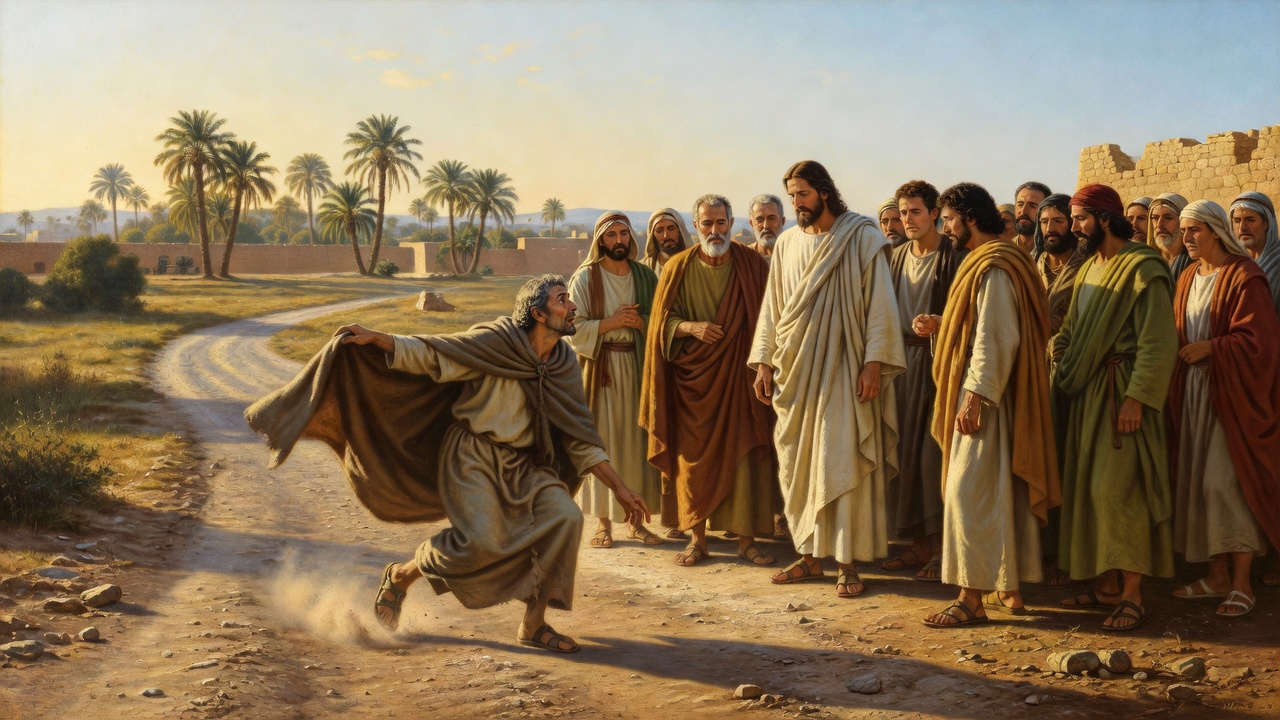
13Entonces cay taresna cora maxtac tut e Jesús tuaꞌ upacbꞌu ucꞌabꞌ tamarobꞌ tuaꞌ uchojbꞌes utobꞌ. Pero uyajcanuarobꞌ cay ucꞌayobꞌ tin e war utares e maxtacobꞌ era. 14Pero conda e Jesús cay uwira tucꞌa war uchiobꞌ uyajcanuarobꞌ cay qꞌuijna cora y tamar era uyare uyajcanuarobꞌ y che:
—Actanic yopac taniut tunor e maxtac y ira iquete iwabꞌu, porque tunor tin e axin acꞌupseyanobꞌ tamaren bꞌan cocha war uchiobꞌ e maxtacobꞌ era axin oꞌchoyobꞌ tama uchinam e Dios. 15Y cꞌani inwareox que tin e machi cꞌani uchꞌamiobꞌ uchinam e Dios bꞌan cocha war uchiobꞌ e maxtacobꞌ era, machi ixto tuaꞌ oꞌchoyobꞌ tamar, che e Jesús.
16Entonces e Jesús cay umeqꞌue e bꞌiqꞌuit maxtac era y upacbꞌu ucꞌabꞌ tama ujorobꞌ y uchojbꞌes utobꞌ inteꞌ intiobꞌ.
Conda inteꞌ chꞌom sitz xeꞌ meyra ayan utumin
cay ojron taca e Jesús
17Pues warto axana e Jesús tama uxambꞌar era conda tari inteꞌ winic ajner xeꞌ uyacta ubꞌa cotuan tut y che:
—Niwajcanseyajet xeꞌ erachet, ¿tucꞌa ucꞌani tuaꞌ inche nen tuaꞌ inchꞌami e cuxtar xeꞌ machi tuaꞌ acꞌapa? che e winic era.
18Y che e Jesús:
—Net war awaren que erachen. Pero jax taca e Dios xeꞌ erach. Y tamar era war awaren que Diosen nen ubꞌan. 19Pero net war anata lo que chꞌar tzꞌijbꞌabꞌir tama uley e Moisés tiaꞌ che: “Ira ichamsan, ira iꞌxin taca inteꞌ ajnajtir ixic o taca inteꞌ ajnajtir winic, ira ixujchꞌian, ira imajresian, ira aware bꞌan conda majax bꞌan, y cꞌupsen atata y atuꞌ”, che e Jesús.
20Y e winic che:
—Niwajcanseyajet, tunor era inchix desde que chuchuento, che e winic.
21Entonces e Jesús uyajta ut e winic era y cay uwira ut y che:
—Ayanto lo que aquetpa tuaꞌ ache: Quiqui chono tunor lo que ayan tabꞌa y ajcꞌun tin e tzajtaca ut. Y tamar era cꞌani aquetpa meyra atuanibꞌir tichan tut e qꞌuin, y de allí lar incoꞌ tacaren, che e Jesús.
22Pero conda e winic uyubꞌi tunor era satpa tunor uwirnar y locꞌoy tzajtaca ut porque meyra ayan lo que ayan tacar.
23Entonces e Jesús sutpa uwira tuyejtzꞌer y uyare uyajcanuarobꞌ y che:
—Intran tuaꞌ oꞌchoy tama uchinam e Dios tin e ayan meyra utumin, che e Jesús.
24Pero uyajcanuarobꞌ bꞌactobꞌ conda uyubꞌiobꞌ e ojroner era, y tamar era e Jesús sutpa ojron otronyajr y che:
—Nimaxtacox, intran tuaꞌ oꞌchoy tama uchinam e Dios tin e war ucojco tamar taca lo que ayan tuaꞌ. 25Pues más erer anumuy inteꞌ nuxi arac xeꞌ ucꞌabꞌa camello tama uchꞌenar inteꞌ aguja que erer oꞌchoy tama uchinam e Dios tin e war ucojco meyra tama e tumin xeꞌ meyra ayan tuaꞌ, che e Jesús.
26Conda uyajcanuarobꞌ uyubꞌiobꞌ tunor era bꞌactobꞌ y cay ojronobꞌ jaxobꞌ taca y chenobꞌ:
—Y jay inteꞌ winic cocha era xeꞌ ayan meyra utumin machi uyubꞌi acorpesna, ¿chi erer acorpesna? che uyajcanuarobꞌ jaxobꞌ taca.
27Pero e Jesús sutpa uwira utobꞌ y che:
—Pues mamajchi tuaꞌ acorpesna tamar taca utumin, pero tunor era intran tut e winicobꞌ. Pero tut Cadiosir matucꞌa intran tuaꞌ uche, che e Jesús.
28Entonces ojron e Pedro y che:
—Cawinquiraret, non era cꞌapa cawacta tunor lo que ayan ticabꞌa tuaꞌ caxin tacaret, che e Pedro.
29Y che e Jesús:
—Cꞌani inwareox era que tunor tin e axin uyacta lo que ayan tuaꞌ bꞌan cocha inteꞌ uyotot o usacunobꞌ o uwijtzꞌinobꞌ o uwijtanobꞌ o utuꞌ o utata o uwixcar o umaxtac o ucꞌopot tuaꞌ taca uche lo que ucꞌani e Dios o tuaꞌ uqꞌueche axin uyojroner e Dios tama e corpesiaj, 30inteꞌ cocha era cꞌani uchꞌami cien veces más que lo que uyacta tama ucuxtar tara tor e rum cocha utuanibꞌir. Y tamar era axin uchꞌami más uyototobꞌ y más usacunobꞌ y más uwijtzꞌinobꞌ y más uwijtanobꞌ y más utuobꞌ y más umaxtacobꞌ y más e cꞌopot motor que ayan ubꞌan lo que aquetpa tuaꞌ unumse ubꞌa tara tor e rum, pero conda axin tut e qꞌuin aquetpa tuaꞌ uchꞌami e cuxtar xeꞌ machi tuaꞌ acꞌapa. 31Y conda cacꞌotoy tut e qꞌuin tin e nuxi winic tara tor e rum cꞌani aquetpa inteꞌ xeꞌ majax nuxi winic yajaꞌ, y tin e majax nuxi winic tara tor e rum cꞌani aquetpa nuxi winic yajaꞌ, che e Jesús.
Conda e Jesús uchecsu otronyajr que jaxir cꞌani achamesna
32Pues war atꞌabꞌay axiobꞌ tama e bꞌir tuaꞌ acꞌotoyobꞌ tama e chinam Jerusalem, y uyajcanuarobꞌ war axin tupat e Jesús. Pero jaxirobꞌ war ubꞌijnuobꞌ y war abꞌactobꞌ tama tunor lo que war anumuy era. Entonces e Jesús sutpa upejca e doce uyajcanuarobꞌ tuaꞌ alocꞌoyobꞌ najtir cora tut e inmojr porque jaxir cꞌani oꞌjron tacarobꞌ ubꞌajnerobꞌ. Y tamar era cay uyare lo que tuaꞌ anumuy tacar. 33Entonces ojron e Jesús y che:
—Pues erer iwira que war catꞌabꞌay caxin esto tama e chinam Jerusalem, y conda cacꞌotoy nen xeꞌ Uyunenen e winic cꞌani anjcꞌuna tama ucꞌabꞌobꞌ tin e uwinquir e inmojr sacerdotiobꞌ y tama ucꞌabꞌobꞌ tin e ajcanseyajobꞌ tama uley e Moisés. Jaxirobꞌ tuaꞌ uyareobꞌ tuaꞌ inchamesna, y de allí cꞌani uyajqꞌuenobꞌ tama ucꞌabꞌobꞌ e gente romano 34xeꞌ tuaꞌ utzenienobꞌ y xeꞌ tuaꞌ utujbꞌienobꞌ y xeꞌ tuaꞌ uwatzꞌienobꞌ y de allí cꞌani uchamsenobꞌ. Pero tama e uxteꞌ día cꞌani insujta imbꞌixqꞌuesna tujam e chamenobꞌ, che e Jesús.
Lo que cay ucꞌajtiobꞌ e Santiago y e Juan
taca e Jesús
35Entonces cꞌotoy e Santiago y e Juan xeꞌ jax uyunenobꞌ e Zebedeo tut e Jesús. Y cay upejcobꞌ e Jesús y chenobꞌ:
—Cawajcanseyajet, ¿erer ca ani ache lo que cꞌani cacꞌajti tacaret era? che e Santiago y e Juan era.
36Y che e Jesús:
—¿Y tucꞌa icꞌani tuaꞌ inche tacarox? che e Jesús.
37Y jaxirobꞌ chenobꞌ:
—Ajcꞌunon tiaꞌ tuaꞌ caturuan tama awejtzꞌer conda iꞌxin icꞌotori tama uchinam e Dios xeꞌ meyra ayan utawarer, y que non erer caturuan inteꞌ tama anojcꞌabꞌ y inteꞌ tama atzꞌejcꞌabꞌ, che e Santiago y e Juan.
38Entonces che e Jesús:
—Pues nox era machi war inata tucꞌa war icꞌajti. ¿Erer ca ani ichꞌami e nuxi cꞌuxner lo que ucꞌani tuaꞌ inxin innumse nibꞌa tama niwalma bꞌan cocha jay iyuchꞌi ani lo que ayan tama nitaza xeꞌ aquetpa tuaꞌ unchꞌi nen, o bꞌan cocha jay ichꞌami ani inteꞌ chꞌuymar xeꞌ meyra ayan e cꞌuxner tamar xeꞌ aquetpa tuaꞌ inchꞌami nen? che e Jesús.
39Y jaxirobꞌ chenobꞌ:
—Erer ani, che e Santiago y e Juan.
Y che e Jesús:
—Erer ixto yaꞌ. Nox ucꞌani tuaꞌ iyuchꞌi lo que ayan tama nitaza era y ucꞌani tuaꞌ ichꞌami e chꞌuymar lo que aquetpa tuaꞌ inchꞌami nen. 40Pero lo que war icꞌajti nox era tuaꞌ ixturuan taniwejtzꞌer tama nichinam majax nen tuaꞌ inwareox. Porque tin e tuaꞌ aturuanobꞌ taniwejtzꞌer tama nichinam cꞌani aꞌjcꞌunobꞌ tin e sicbꞌabꞌirobꞌix umen Nitata, che e Jesús.
41Pero conda e inmojr diez uyajcanuarobꞌ e Jesús cay uyubꞌiobꞌ e ojroner era qꞌuijnobꞌ upater e Santiago y e Juan. 42Pero e Jesús upejca tunor uyajcanuarobꞌ era y che:
—Pues nox inata que tunor e nuquir winicobꞌ tujam e gente xeꞌ machi ubꞌacriobꞌ e Dios war uwirsiobꞌ ucꞌotorer tujor e gente tamar lo que uchiobꞌ. Y tin e war uchꞌami ucꞌotorer tuaꞌ inteꞌ uwinquir war utattzꞌi ubꞌa tamar. 43Pero majax bꞌan tuaꞌ aquetpa tijam nox, sino que tin e cꞌani aquetpa nuquir winic tijam ucꞌani tuaꞌ aquetpa ajtacarsiaj tuaꞌ e inmojr. 44Y tin e cꞌani aquetpa más nuxi winic tijam ucꞌani tuaꞌ uche ubꞌa bꞌan cocha inteꞌ chuchu winic y ucꞌani tuaꞌ uche ubꞌa bꞌan cocha umanir tunor e inmojr. 45Porque nen xeꞌ Uyunenen e winic tarien majax tuaꞌ intacarna umen e inmojr, sino que tarien tuaꞌ intacriox y tuaꞌ inwajcꞌu nibꞌa tuaꞌ inchamesna tuaꞌ incorpes meyra gente, che e Jesús.
Conda e Jesús ubꞌani unacꞌut inteꞌ winic
xeꞌ ucꞌabꞌa Bartimeo
46Entonces ixin e Jesús taca uyajcanuarobꞌ y cꞌotoyobꞌ esto tama e chinam Jericó. Pero conda war alocꞌoyobꞌ otronyajr tama e chinam era ayan e sian gente xeꞌ war axanobꞌ tacarobꞌ. Y tuyejtzꞌer e bꞌir tiaꞌ war axanobꞌ ayan inteꞌ winic xeꞌ tajpem unacꞌut xeꞌ ucꞌabꞌa Bartimeo xeꞌ jax uyunen e Timeo. Y jaxir turu tut e bꞌir war ucꞌajti e tumin. 47Y conda uyubꞌi que war anumuy e Jesús xeꞌ tuaꞌ e chinam Nazaret, cay aru taca inteꞌ nuxi nuc y che:
—¡Jesús, Uyunenet e David, yajtan niut! che e winic era taca inteꞌ nuxi nuc.
48Pero tin e turobꞌ tuyejtzꞌer e winic era cay ucꞌayobꞌ y uyareobꞌ tuaꞌ aquetpa tzꞌustaca. Pero jaxir más nojta cay aru otronyajr y che:
—¡Uyunenet e David, yajtan niut! che e winic.
49Entonces quetpa wawan e Jesús y uyare uyajcanuarobꞌ y che:
—Pejcanic e winic yax, che e Jesús.
Entonces ixin upejcobꞌ e winic xeꞌ tajpem unacꞌut y chenobꞌ:
—Tzayjres abꞌa y achpen porque war upejquet, che uyajcanuarobꞌ era.
50Entonces jaxir jobꞌor ubꞌa tama cora bꞌujc y uchoqui tunor e bꞌujc era tor e rum, y tobꞌoy achpa y ixin tut e Jesús. 51Entonces e Jesús uyubꞌi tuaꞌ e winic y che:
—¿Y tucꞌa acꞌani tuaꞌ inche tacaret? che e Jesús.
Y e winic xeꞌ tajpem unacꞌut che:
—Niwajcanseyajet, incꞌani tuaꞌ awerojse unacniut, che e winic.
52Y che e Jesús:
—Erer iꞌxin era porque tzꞌacpesnet ixto umen que war icꞌupseyan tamaren, che e Jesús.
Y wacchetaca cay eron e winic y cay xana tupat e Jesús.
Did you know?
Discipleship and Faith on the Road to Jerusalem
- As Jesus and His followers traveled toward Jerusalem through Jericho in the Jordan valley, they encountered Bartimaeus, whose name means the son of Timaeus. Sitting by the roadside as a blind beggar, he repeatedly called Jesus the 'Son of David' before receiving his sight and following Him along the road.Sources: Jericho · Bartimaeus · Timaeus · the Bible text itself
- James and John, the sons of the Galilean fisherman Zebedee, asked Jesus for the two highest seats of honor at His right and left hand. Jesus used their request to contrast Gentile rulers who lord authority over others with the kingdom of God, where whoever wants to be first must become the servant and slave of all.Sources: James (Son of Zebedee) · John the Apostle · Zebedee · the Bible text itself
Notes written with AI assistance from open sources (Theographic Bible Metadata, CC BY-SA 4.0; Easton’s Bible Dictionary, public domain) and reviewed before publishing.
Places in this chapter
- Jordan · Today: Jordan River · 31.761, 35.558 · verse 1
- Judea · Today: Judea 1 · 31.777, 35.234 · verse 1
- Jerusalem · 31.777, 35.234 · verses 17, 32, 33
- Jericho · Today: Tell el Alayiq · 31.852, 35.436 · verse 46
- Nazareth · 32.702, 35.298 · verse 47
Only places identified with high confidence are shown (90% or more according to the scholarly sources compiled by OpenBible). Period map: DARE (Digital Atlas of the Roman Empire), CC BY 4.0; modern map: © OpenStreetMap contributors; places: OpenBible.info (CC BY 4.0).
Credits and license for this translation
Uyojroner e Dios xeꞌ Tzꞌijbꞌabꞌir Tama e Onian Tiempo
The New Testament and Genesis, Ruth, Esther, and Jonah in the Chorti language of Guatemala
El Nuevo Testamento, Génesis, Rut, Ester y Jonás en Chortí, Guatemala
copyright © 1996, 2012, 2013, 2023 Wycliffe Bible Translators, Inc. and Evangel Bible Translators, International
Language: Chortí (Chorti)
Translation by: Evangel Bible Translators, International and Wycliffe Bible Translators
New Testament © 1996, 2012 Wycliffe Bible Translators, Inc.;
Old Testament © 2012, 2013, 2023 Evangel Bible Translators, International
This translation is made available to you under the terms of the
Creative Commons Attribution-Noncommercial-No Derivatives license 4.0.
You may share and redistribute this Bible translation or extracts from it in any format, provided that:
You include the above copyright and source information.
You do not sell this work for a profit.
You do not change any of the words or punctuation of the Scriptures.
Pictures included with Scriptures and other documents on this site are licensed just for use with those Scriptures and documents.
For other uses, please contact the respective copyright owners.
2023-08-23
Source: http://ebible.org/caa/ · eBible.org