Matthew 5
Uyojroner e Dios xeꞌ Tzꞌijbꞌabꞌir Tama e Onian Tiempo · Tap a verse to see its cross-references.
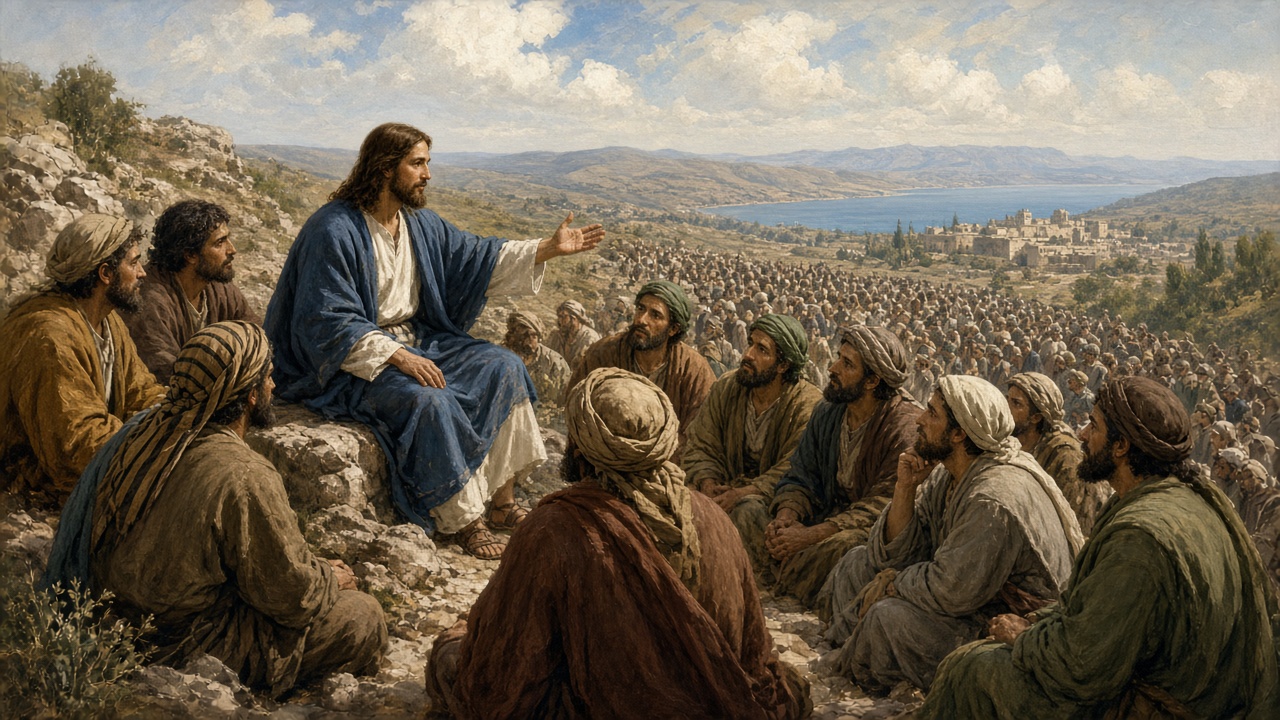
Ucanseyaj e Jesús tut e witzir
1Entonces conda e Jesús uwira e sian gente era tꞌabꞌay ixin cora tama inteꞌ witzir y turuan. Y uyajcanuarobꞌ cay umorojse ubꞌobꞌ tuyejtzꞌer. 2Entonces cay ucanse uyajcanuarobꞌ y che:
3—Chojbꞌesbꞌirobꞌ tunor tin e tzajtaca utobꞌ tama uyalmobꞌ coner porque jaxirobꞌ tuaꞌ acꞌotoy aturuanobꞌ tama uchinam e Dios.
4’Chojbꞌesbꞌirobꞌ tunor tin e war atzꞌintzꞌa tama uyalmobꞌ tamar lo que cay uchiobꞌ xeꞌ mabꞌambꞌan porque e Dios tuaꞌ ucꞌunles uyalmobꞌ conda axin acꞌumpa tacarobꞌ.
5’Chojbꞌesbꞌirobꞌ tunor tin e war umanxujres ubꞌobꞌ tama uyalmobꞌ coner porque axin uchꞌamiobꞌ tunor or e rum era bꞌan cocha inteꞌ herencia.
6’Chojbꞌesbꞌirobꞌ tunor tin e war uyusre uchiobꞌ lo que ucꞌani Cadiosir porque e Dios axin utacre tuaꞌ uchiobꞌ lo que ucꞌani jaxir.
7’Chojbꞌesbꞌirobꞌ tunor tin e incꞌun uyalmobꞌ tut e inmojr porque Cadiosir axin uchectes ubꞌa que incꞌun uwirnar tutobꞌ ubꞌan.
8’Chojbꞌesbꞌirobꞌ tunor tin e imbꞌutz uyalmobꞌ tut e Dios porque jaxirobꞌ tuaꞌ uwirobꞌ ut e Dios.
9’Chojbꞌesbꞌirobꞌ tunor tin e war usisijres tin e war aqꞌuijnobꞌ porque jaxirobꞌ tuaꞌ aꞌrobꞌnobꞌ que jax umaxtacobꞌ e Dios.
10’Chojbꞌesbꞌirobꞌ tunor tin e war axejbꞌna utobꞌ tamar taca que war uchiobꞌ lo que ucꞌani Cadiosir porque cꞌani acꞌotoy aturuanobꞌ tama uchinam e Dios.
11’Chojbꞌesbꞌirox tunorox xeꞌ war ixcꞌayna y xeꞌ war ixarobꞌna calapir y xeꞌ war ixtujchꞌa tamar lo que machi iche umen taca que ichꞌami nicꞌabꞌa. 12Tzayjresic ibꞌa meyra porque watar e día conda ixixin ichꞌami inteꞌ nuxi tuanibꞌir tuaꞌ e Dios conda ixixin tichan tut e qꞌuin. Porque bꞌan cꞌaynobꞌ e profetobꞌ xeꞌ turuanobꞌ tama e onian tiempo ubꞌan, che e Jesús.
Nox bꞌanox cocha e atzꞌam
y bꞌanox cocha inteꞌ cꞌajc
13Entonces che e Jesús:
—Nox xeꞌ turox tara tor e rum bꞌanox cocha e atzꞌam. Pero jay e atzꞌam apaxran ut mix tucꞌa ucꞌampibꞌir inyajrer, sino que intaca aquetpa tuaꞌ apujsa tut e bꞌir tuaꞌ ateqꞌuerna axin umen e gente.
14’Nox xeꞌ turox tara tor e rum bꞌanox cocha inteꞌ cꞌajc xeꞌ aquetpa chequer tut tunor e gente. Pues inteꞌ chinam xeꞌ turu tujor inteꞌ witzir chequer innajt y ma cocha erer umuqui ubꞌa. 15Mamajchi utzꞌajpes inteꞌ cꞌajc tuaꞌ uwabꞌu yebꞌar inteꞌ cajón, sino que utzꞌajpes tuaꞌ uwabꞌu tichan tiaꞌ tuaꞌ ujanchꞌacnes tunor tin e oꞌchoyobꞌ macuir e otot era. 16Y tamar era turbꞌanic ibꞌa tuaꞌ ijanchꞌacnes e gente axin tuaꞌ uwirobꞌ lo que war iche xeꞌ imbꞌutz tut e Dios, y tamar era jaxirobꞌ axin utattzꞌiobꞌ ucꞌabꞌa Catata Dios xeꞌ turu tichan tut e qꞌuin, che e Jesús.
Conda e Jesús uchecsu ucꞌampibꞌir uley e Moisés
17Entonces che e Jesús:
—Ira ibꞌijnu que tarien tuaꞌ intijres uley e Moisés y ira ibꞌijnu que tarien tuaꞌ intijres lo que chꞌar tzꞌijbꞌabꞌir umen e profetobꞌ porque majax bꞌan. Nen tarien tuaꞌ acꞌapa inche tunor lo que chꞌar tzꞌijbꞌabꞌir tama uyojroner e Dios. 18Pues cꞌani inwareox era que nien inteꞌ chuchu letra machi tuaꞌ asatpa tama uley e Moisés este que acꞌapa achempa tunor lo que chꞌar tzꞌijbꞌabꞌir tamar. Y bꞌan taca tuaꞌ aquetpa este que acꞌapa ut e qꞌuin y este que acꞌapa or e rum. 19Y tamar era cꞌani inwareox que tin e machi acꞌupseyan tut uley e Moisés, motor que tamar taca inteꞌ chuchu ley y bꞌan ucanse e gente tuaꞌ uche ubꞌan, jaxir tuaꞌ aꞌrobꞌna que imbꞌijc taca ucꞌampibꞌir tama uchinam e Dios. Pero tin e axin acꞌupseyan tut tunor lo que ayan tama uley e Moisés y bꞌan ucanse e gente tuaꞌ uche ubꞌan, jaxir tuaꞌ aꞌrobꞌna que meyra ayan ucꞌampibꞌir tama uchinam e Dios. 20Pues tin e aquetpa ajcanseyajobꞌ tama uley e Moisés y tin e fariseobꞌ meyra uchiobꞌ leer uyojroner e Dios. Pero cꞌani inwareox era que jay machi aquetpa más erach iwirnar nox que jaxirobꞌ, ma cocha erer ixochoy tama uchinam e Dios, che e Jesús.
Conda e Jesús canseyan tama e qꞌuijnar
21Entonces che e Jesús:
—Nox iyubꞌix lo que arobꞌnobꞌ itata viejobꞌirobꞌ que: “Ira ichamsan, porque tin e axin achamsan ucꞌani tuaꞌ ajajtzꞌa.” 22Pero nen inwareox que tunor tin e axin aqꞌuijna taca inteꞌ upiar cꞌani ajajtzꞌa. Y tin e axin uqꞌuijnes inteꞌ upiar cꞌani aqꞌuejcha axin tut cora juez. Y tin e axin uyare calapir inteꞌ upiar ucꞌani tuaꞌ ayajra axin tama e cꞌajc.
23’Y conda iqꞌueche axin inteꞌ iwofrenda tut e altar, jay ayopa tama ijor que war iqꞌuijna upater inteꞌ ipiar, 24actanic iwofrenda tut e altar y quiquic bꞌajxan tut ipiar era tuaꞌ ixcꞌumpa. Y de allí erer ixsutpa iwajcꞌu iwofrenda e Dios.
25’Y jay ayan inteꞌ xeꞌ war aqꞌuijna uwiret y axin uqꞌuechiet iꞌxin tut e juez, ustes abꞌa tacar conda warto ixixin tama e bꞌir tuaꞌ machi ucꞌoteset tut e juez. Porque jay ucꞌoteset tut e juez, jaxir tuaꞌ uyajqꞌuet tama ucꞌabꞌ e ajcꞌampar xeꞌ tuaꞌ asutpa uyaret tama e cárcel. 26Y cꞌani inwaret era que machi tuaꞌ ilocꞌoy tama e cárcel este que acꞌapa asuti tunor uyeror tamar lo que ibꞌeto, che e Jesús.
Conda e Jesús canseyan tama tin e uyose ubꞌa taca tin e majax nujbꞌir tacar
27Entonces che e Jesús:
—Nox iyubꞌix lo que arobꞌnobꞌ itata viejobꞌirobꞌ que: “Ira iyose ibꞌa taca tin e majax nujbꞌirox tacar.” 28Pero cꞌani inwareox era que tunor tin e axin uchꞌujcu uwira inteꞌ ixic tuaꞌ uyusre ut, war uyose ubꞌa taca e ixic era tama uyalma.
29’Bꞌajcꞌat war itzay ache e mabꞌambꞌanir tamar taca lo que awira taca ingojr unacꞌoit xeꞌ tama anojcꞌabꞌ. Y jay bꞌan entonces más ani bueno tuaꞌ alocse achoqui najtir. Porque más ani bueno tuaꞌ asatpa ingojr unacꞌoit xeꞌ turu tama acuerpo que jay aquetpa tunor acuerpo tuaꞌ iꞌxin tama e cꞌajc. 30Bꞌajcꞌat war itzay ache e mabꞌambꞌanir tamar taca lo que ache taca anojcꞌabꞌ. Y jay bꞌan entonces más ani bueno tuaꞌ axuri achoqui najtir. Porque más ani bueno jay asatpa inteꞌ acꞌabꞌ xeꞌ turu tama acuerpo que jay aquetpa tunor acuerpo tuaꞌ iꞌxin tama e cꞌajc, che e Jesús.
Conda e Jesús canseyan tama tin e utijres e nujbꞌiar
31Entonces che e Jesús:
—Nox iyubꞌix ubꞌan lo que arobꞌnobꞌ itata viejobꞌirobꞌ que: “Tin e cꞌani uyacta uwixcar tuaꞌ utijres unujbꞌiar ucꞌani tuaꞌ uyajcꞌu inteꞌ jun xeꞌ che que tijresbꞌirix unujbꞌiar.” 32Pero nen cꞌani inwareox que tin e axin uyacta uwixcar tuaꞌ utijres unujbꞌiar war uyari uwixcar tama e mabꞌambꞌanir taca otronteꞌ winic. Pero jay uwixcar war uyose ubꞌa taca otronteꞌ winic entonces erer uyacta. Y tin e axin anujbꞌi taca inteꞌ ixic xeꞌ actana umen uviejo war acꞌaxi tama e mabꞌambꞌanir tacar ubꞌan, che e Jesús.
Conda e Jesús canseyan que machi tuaꞌ cacachi cabꞌa taca inteꞌ ojroner
33Entonces che e Jesús:
—Nox iyubꞌix ubꞌan lo que arobꞌnobꞌ itata viejobꞌirobꞌ que: “Ira ixmajresian, y ira iwacta tuaꞌ acꞌapa iche tunor lo que icachi ibꞌa tama iwojroner tut e Dios.” 34Pero nen cꞌani inwareox que ira ixojron cocha era: “Unaten ut e qꞌuin”, porque jax e lugar tiaꞌ aquetpa uturtar e Dios. 35Y ira ixojron cocha era: “Unaten or e rum era”, porque e rum jax uwabꞌnibꞌ uyoc Cadiosir. Y ira ixojron cocha era: “Unaten e chinam Jerusalem”, porque jax uchinam Carey tichan. 36Y ira ixojron cocha era: “Unaten nijor”, porque machi uyubꞌiox isuti utzutzer ijor tuaꞌ aquetpa sacsac o tuaꞌ aquetpa incsibꞌan ut. 37Pero nox jax taca tuaꞌ iware “Bꞌan”, jay bꞌan y “Machi”, jay machi. Porque jay iware más ojroner war iche jax taca lo que ucꞌani e diablo, che e Jesús.
Conda e Jesús canseyan que machi tuaꞌ casuti uyeror ut
38Entonces che e Jesús:
—Nox cay iyubꞌi lo que arobꞌnobꞌ itata viejobꞌirobꞌ que: “Tin e axin ulocse unacꞌut otronteꞌ ucꞌani tuaꞌ aloqꞌuesna unacꞌut jaxir ubꞌan. Y tin e axin ucꞌocchi ut uyej otronteꞌ ucꞌani tuaꞌ acꞌocchina ut uyej jaxir ubꞌan”, bꞌan cocha che tama uley e Moisés. 39Pero nen inwareox era que ira iqꞌuecꞌojse ibꞌa tut tin e cꞌani uche lo que mabꞌambꞌan ipater, y jay ayan tin e uyajqꞌuet tama acajram, actan tuaꞌ uyajqꞌuiquet tama inxejr ubꞌan. 40Y jay ayan tin e ulocse inteꞌ abꞌujc tuaꞌ uqꞌueche axin, ajcꞌun ubꞌan lo que lapar amen. 41Y jay arobꞌnox tuaꞌ icuchi axin inteꞌ tercio tama inteꞌ kilómetro y medio cuchic chic otronteꞌ kilómetro y medio ubꞌan. 42Y jay acꞌotoy tiut tin e ucꞌajti lo que ayan tibꞌa, ajcꞌunic. Y jay acꞌotoy tiut tin e cꞌani uchꞌami lo que ayan tibꞌa tuaꞌ asutpa uyajcꞌox otronyajr ira isuti ipat tut, che e Jesús.
Yajtanic ut tin e aqꞌuijna uwirox
43Entonces che e Jesús:
—Y nox cay iyubꞌi ubꞌan lo que arobꞌnobꞌ itata viejobꞌirobꞌ que: “Yajtan ut tin e atzay uwiret, y xejbꞌen ut tin e aqꞌuijna uwiret”, bꞌan che tama uley e Moisés. 44Pero nen inwareox era que yajtanic ut tin aqꞌuijna uwirox ubꞌan, y cꞌajtinic taca e Dios tuaꞌ atacarna tunor tin e war uchiox inumse ibꞌa. 45Y tamar era nox tuaꞌ ixquetpa umaxtac Catata Dios xeꞌ turu tichan. Porque Cadiosir uche atobꞌoy watar e qꞌuin tujor tin e imbꞌutz y tujor tin e ajmabꞌambꞌanirobꞌ ubꞌan, y jaxir uyebꞌta watar e jajar tuaꞌ acꞌaxi tut urumobꞌ tin e imbꞌutz y tut urumobꞌ tin e ajmabꞌambꞌanirobꞌ ubꞌan. 46Y jay nox ajtaca war iyajta ut tin e war uyajta iut entonces matucꞌa ituanibꞌir tuaꞌ ichꞌami tuaꞌ e Dios tamar era. Porque motor tin e ajmorojseyaj tumin tuaꞌ e gobierno war uchiobꞌ cocha era ubꞌan. 47Y jay ajtaca war ipejca tin e atzay uwirox ¿tucꞌa war iche que más imbꞌutz que e inmojr? Porque bꞌan war uchiobꞌ tunor tin e machi unatobꞌ chi Cadiosir. 48Quetpenic erach bꞌan cocha erach Catata Dios xeꞌ turu tichan, che e Jesús.
Did you know?
The Sermon on the Mount
- When Jesus saw the crowds, he went up on the mountain, sat down, and began to teach his disciples. That discourse is known as the Sermon on the Mount. A chronological note places its start in AD 28 and gives it a duration of one day.Sources: the Bible text itself · Sermon on the Mount
- Teaching about oaths, Jesus says not to swear by Jerusalem, for it is the city of the great King. In the original the name is a dual form meaning possession of peace, or foundation of peace. That form probably refers to the two mountains on which the city was built, Zion and Moriah, or, as some suppose, to the upper and the lower city; it was also called the city of God and the holy city.Sources: the Bible text itself · Jerusalem
Notes written with AI assistance from open sources (Theographic Bible Metadata, CC BY-SA 4.0; Easton’s Bible Dictionary, public domain) and reviewed before publishing.
Places in this chapter
- Jerusalem · 31.777, 35.234 · verse 35
Only places identified with high confidence are shown (90% or more according to the scholarly sources compiled by OpenBible). Period map: DARE (Digital Atlas of the Roman Empire), CC BY 4.0; modern map: © OpenStreetMap contributors; places: OpenBible.info (CC BY 4.0).
Credits and license for this translation
Uyojroner e Dios xeꞌ Tzꞌijbꞌabꞌir Tama e Onian Tiempo
The New Testament and Genesis, Ruth, Esther, and Jonah in the Chorti language of Guatemala
El Nuevo Testamento, Génesis, Rut, Ester y Jonás en Chortí, Guatemala
copyright © 1996, 2012, 2013, 2023 Wycliffe Bible Translators, Inc. and Evangel Bible Translators, International
Language: Chortí (Chorti)
Translation by: Evangel Bible Translators, International and Wycliffe Bible Translators
New Testament © 1996, 2012 Wycliffe Bible Translators, Inc.;
Old Testament © 2012, 2013, 2023 Evangel Bible Translators, International
This translation is made available to you under the terms of the
Creative Commons Attribution-Noncommercial-No Derivatives license 4.0.
You may share and redistribute this Bible translation or extracts from it in any format, provided that:
You include the above copyright and source information.
You do not sell this work for a profit.
You do not change any of the words or punctuation of the Scriptures.
Pictures included with Scriptures and other documents on this site are licensed just for use with those Scriptures and documents.
For other uses, please contact the respective copyright owners.
2023-08-23
Source: http://ebible.org/caa/ · eBible.org