Matthew 13
Uyojroner e Dios xeꞌ Tzꞌijbꞌabꞌir Tama e Onian Tiempo · Tap a verse to see its cross-references.
Inteꞌ ojroner tama inteꞌ ajpacmar
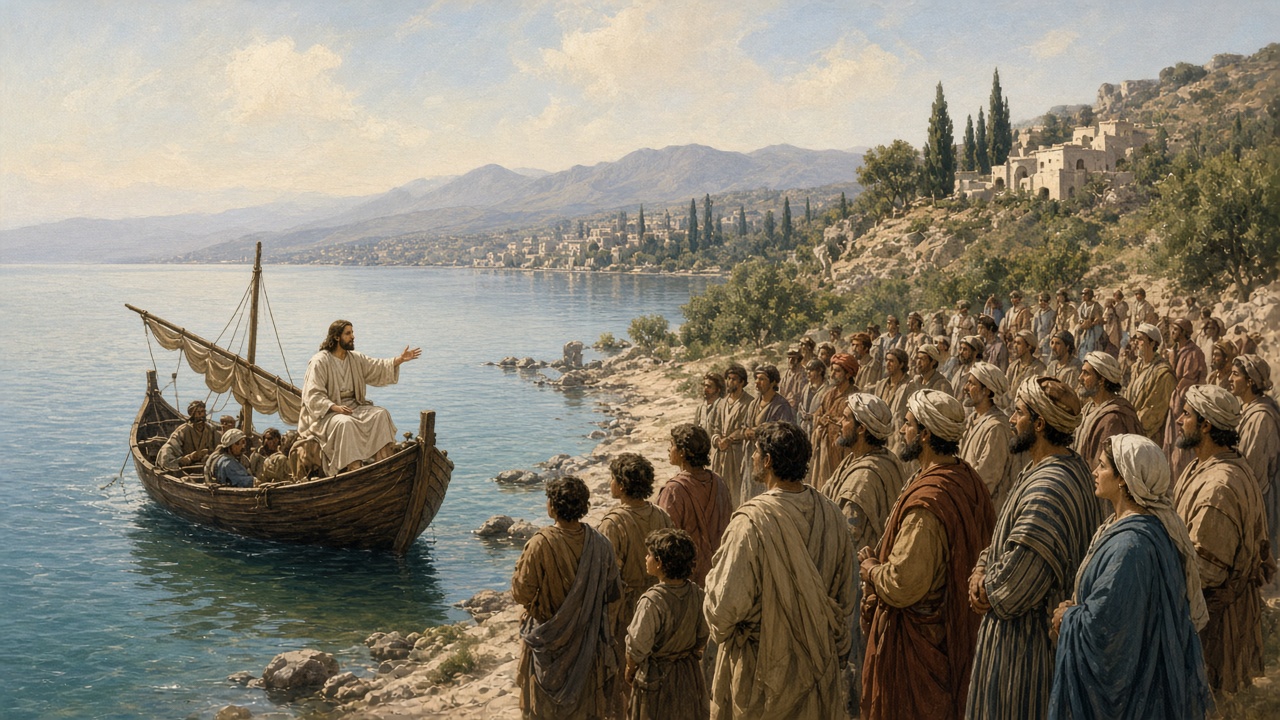
1Pues entonces tama e día era locꞌoy e Jesús tama e otot y ixin turuan tutiꞌ e nuxi jaꞌ. 2Y cay umorojse ubꞌobꞌ meyra sian gente tut y tamar era e Jesús ochoy turuan tama inteꞌ barco. Pero e gente quetpobꞌ tor e rum tiaꞌ taquin. 3Entonces e Jesús cay canseyan tacar inteꞌ ojroner xeꞌ mucur cora y che:
—Ayan inteꞌ ojroner tama inteꞌ ajpatnar xeꞌ ixin tuaꞌ apacma tama uchor. 4Y tamar e pacmar era intaca uwechꞌe ixin ut e semilla y ayan ut e semilla xeꞌ cꞌaxi tut e bꞌir xeꞌ conda irna ut umen e mut ixin ucꞌopiobꞌ ucꞌuxiobꞌ. 5Y ayan ut e semilla xeꞌ cꞌaxi macuir e cherem tun tiaꞌ imbꞌijc taca e rum, y wacchetaca cuxpa ut e semilla era cocha ma intam e rum y chꞌiꞌ cora. 6Pero conda fuerteran e qꞌuin acay aluccha uyopor y cocha ma tiaꞌ tuaꞌ awiri más, taqui. 7Y ayan ut e semilla xeꞌ cꞌaxi macuir e sian tꞌix, y conda cuxpa ut e semilla era cuxpa macuir e sian tꞌix, y umen e tꞌix era machi actana chꞌiꞌ, y lo que uche, ocꞌoy. 8Pero ayan ut e semilla xeꞌ cꞌaxi tama or e rum xeꞌ incꞌun. Cuxpa y chꞌiꞌ y meyra uyutir uyari tama ingojr ut e semilla era. Y conda cay cꞌawan ayan tin e uyari cien ut tama ingojr ut, y ayan tin e uyari sesenta ut tama ingojr ut, y ayan tin e uyari treinta ut tama ingojr ut. 9Tunor tin e ayan uchiquin, uyubꞌic niwojroner era, che e Jesús.
Tiaꞌ acꞌampesna e ojroner xeꞌ mucur cora
10Entonces cꞌotoy uyajcanuarobꞌ e Jesús tuyejtzꞌer y uyubꞌiobꞌ tuaꞌ y chenobꞌ:
—¿Tucꞌa tuaꞌ war acanse e gente tamar taca inteꞌ ojroner xeꞌ mucur cora? che uyajcanuarobꞌ.
11Y che e Jesús:
—Pues tama e onian tiempo quetpa mucur cocha tuaꞌ aquetpa uchinam e Dios, pero coner aquetpa tuaꞌ achectesna tunor era tiut. Pero tut e inmojr gente era machi tuaꞌ achectesna tunor era. 12Porque tunor tin e uyubꞌi niwojroner y uturbꞌa ubꞌa tamar axin aꞌjcꞌuna más este que anojran ujor axin. Pero tin e uyubꞌi cora niwojroner y machi uturbꞌa ubꞌa tamar cꞌani aloqꞌuesna lo que ayan ani cora tamar. 13Pero tut e inmojr gente era war onjron tama inteꞌ ojroner xeꞌ mucur cora tuaꞌ alocꞌoy bꞌan cocha chꞌar tzꞌijbꞌabꞌir tama uyojroner e Dios que: “Motor que eꞌrna umenerobꞌ pero ma chequer tutobꞌ tucꞌa war uwirobꞌ, y motor que war oꞌbꞌianobꞌ pero machi unatobꞌ tucꞌa war che lo que war uyubꞌiobꞌ”, che tama uyojroner e Dios. 14Pues tamar e gente era war acꞌapa achempa lo que chꞌar tzꞌijbꞌabꞌir umen e profeta Isaías tama e onian tiempo xeꞌ che:
Motor que war ichiquini niwojroner pero machi tuaꞌ inata tucꞌa war che niwojroner era,
y motor que war iwira pero machi tuaꞌ inata tucꞌa era que war iwira.
15Porque macar ujorobꞌ e gente era tut lo que ayan tuaꞌ e Dios, y tutur uchiquin, y macar unacꞌutobꞌ.
Y umaquiobꞌ unacꞌutobꞌ tuaꞌ machi eꞌron, y ututiobꞌ uchiquinobꞌ tuaꞌ machi uyubꞌiobꞌ, y umaquiobꞌ ujorobꞌ tuaꞌ machi unatobꞌ tucꞌa ayan taniut.
Y nien machi cꞌani usuti utobꞌ taniut tuaꞌ atzꞌacpesnobꞌ nimener, che e Dios.
Bꞌan chꞌar tzꞌijbꞌabꞌir umen e profeta Isaías.
16’Pero chojbꞌesbꞌirox nox era umen que war iwira niut y umen que war iyubꞌi niwojroner. 17Porque cꞌani inwareox era que meyra profeta xeꞌ turuanobꞌ tama e onian tiempo y meyra winicobꞌ xeꞌ erach uwirnarobꞌ uyusreobꞌ tuaꞌ ani uwirobꞌ lo que war iwira nox era, pero machi uwirobꞌ; y uyusreobꞌ tuaꞌ ani uyubꞌiobꞌ lo que war iyubꞌi nox era, pero machi uyubꞌiobꞌ, che e Jesús.
Uchecsuyaj tama e ojroner tamar e ajpacmar
18Entonces che e Jesús:
—Ubꞌinic era porque cꞌani inchecsu tiut lo que war che e ojroner xeꞌ mucur cora tamar e ajpacmar. 19Pues ut e semilla xeꞌ cꞌaxi tut e bꞌir xeꞌ cꞌojpa umen e mut lar tacar tin e axin uyubꞌi uyojroner e Dios tama e corpesiaj pero xeꞌ machi acꞌotoy unata tucꞌa tunor era, pues tut inteꞌ cocha era watar e diablo wacchetaca tuaꞌ ulocse uyojroner e Dios lo que ochoy ani tama uyalma tuaꞌ machi acꞌupseyan tamar. 20Y ut e semilla xeꞌ cꞌaxi macuir e cherem tun tiaꞌ imbꞌijc taca e rum lar tacar tin e uyubꞌi uyojroner e Dios y atzay uchꞌamiobꞌ. 21Pero cocha machi wiri e ojroner era tama uyalmobꞌ, acꞌupseyanobꞌ tama e Dios cora, pero conda watar lo que uche unumse ubꞌobꞌ, wacchetaca uyactobꞌ e Dios y axiobꞌ. 22Y ut e semilla xeꞌ cꞌaxi macuir e sian tꞌix lar tacar tin e uyubꞌi uyojroner e Dios y uchꞌami, pero de allí acay ubꞌijnu meyra tama tunor lo que ayan tara tor e rum y war ubꞌijnu cocha era: “Pero nen cꞌani inchonma más tuaꞌ abꞌoro nitumin, y nen cꞌani inwejta inche tunor lo que ayan tara tor e rum”, xeꞌ ubꞌijnu inteꞌ. Y umen tunor e majresiaj era acꞌapa oꞌcꞌoy lo que uchꞌami ani tama e Dios, y aquetpa lar tacar e teꞌ xeꞌ intaca asacnichi, pero matucꞌa uyutir uyajcꞌu. 23Y ut e semilla xeꞌ cꞌaxi tama e rum xeꞌ incꞌun lar tacar e gente xeꞌ incꞌun uyalma y conda uyubꞌi uyojroner e Dios uturbꞌa ubꞌa tamar, y axana bueno tamar. Y ayan tin e aquetpa lar tacar inteꞌ nar xeꞌ meyra uwiximir uyari tama ingojr ut. Y ayan tin e lar tacar inteꞌ nar xeꞌ uyari cien ut tama ingojr ut. Y ayan tin e lar tacar inteꞌ nar xeꞌ uyari sesenta ut. Y ayan tin e lar tacar inteꞌ nar xeꞌ uyari treinta ut, che e Jesús.
Inteꞌ ojroner tama e trigo taca e cuscus
24Entonces e Jesús cay uchecsu otronteꞌ ojroner xeꞌ mucur cora y che:
—Ayan inteꞌ ojroner xeꞌ erer uchecsu tucꞌa lar tacar uchinam e Dios. Pues ayan inteꞌ winic xeꞌ ixin upaqꞌui uchor taca ut e semilla xeꞌ más ustabꞌir. 25Pero conda war awayan e ajyum chor, ochoy inteꞌ winic xeꞌ aqꞌuijna uwira ut e ajyum chor era y cay upaqꞌui e cuscus macuir e trigo, y de allí locꞌoy ixin. 26Entonces cuxpa y cay chꞌiꞌ e trigo taca e cuscus y conda cay checta unuc tuaꞌ awitcꞌa, checta que ayan e cuscus ubꞌan. 27Y ayan cora man xeꞌ war apatnobꞌ tama e ajyum chor era xeꞌ ixiobꞌ tut y chenobꞌ: “¿Ustabꞌir ca ut e semilla xeꞌ cay apaqꞌui tama achor? Y jay bꞌan ¿tucꞌa numuy que checta e sian cuscus era macuir e trigo?” che e manobꞌ era. 28Entonces ojron e ajyum chor y che: “Ayan inteꞌ xeꞌ war aqꞌuijna uwiren xeꞌ ochoy upaqꞌui e sian cuscus era”, che e ajyum chor. Y che e manobꞌ: “¿O acꞌani ca tuaꞌ caxin cabꞌaxi e sian cuscus era?” che e manobꞌ era. 29Y che e ajyum chor: “Machi. Jay ixixin ibꞌaxi e sian cuscus era axin abꞌaxcꞌa e trigo ubꞌan. 30Más ani bueno tuaꞌ iwacta achꞌiꞌ taca e trigo este que acꞌotoy e hora tuaꞌ caxuri camorojse. Y tama e hora yajaꞌ cꞌani inware cora man tuaꞌ axin umorojsiobꞌ e cuscus bꞌajxan tuaꞌ ucachiobꞌ intzajc intzajc ut tuaꞌ uyariobꞌ tama e cꞌajc. Y conda acꞌapa uchiobꞌ tunor era cꞌani inware tuaꞌ umorojsiobꞌ e trigo tuaꞌ ubꞌutꞌiobꞌ tama e granero”, che e ajyum chor, che e Jesús.
E ojroner tama ut e semilla mostaza
31Entonces e Jesús cay uchecsu otronteꞌ ojroner xeꞌ mucur cora y che:
—Uchinam e Dios lar tacar ut usemilla e mostaza que inteꞌ winic ixin upaqꞌui tama uchor. 32Pues ut e semilla era jax xeꞌ más chuchu tama tunor ut e semilla pero conda axin achꞌiꞌ aquetpa más nojta que tunor e cꞌopot este que aquetpa bꞌan cocha inteꞌ nuquir teꞌ xeꞌ tzꞌacar tuaꞌ acꞌotoy aturuan e mut tamar y tuaꞌ uchiobꞌ usijcobꞌ tamar ucꞌabꞌ ubꞌan. Y bꞌan uchinam e Dios ubꞌan, che e Jesús.
E ojroner tama e levadura
33Entonces e Jesús cay uchecsu otronteꞌ ojroner xeꞌ mucur cora y che:
—Uchinam e Dios lar tacar imbꞌijc levadura lo que ayabꞌarna taca uxgojr ruch harina conda war achena e pan umen inteꞌ ixic, y asibꞌi watar tunor e cꞌum umener, che e Jesús.
Lo que uche e Jesús tama e ojroner xeꞌ mucur cora
34Pues arobꞌnobꞌ e gente tunor era umen e Jesús tamar taca e ojroner xeꞌ mucur cora. Y matucꞌa war uyare xeꞌ aquetpa chequer tutobꞌ sino que war ucꞌampes e ojroner xeꞌ aquetpa mucur cora tutobꞌ. 35Y uche cocha era tuaꞌ acꞌapa achempa bꞌan cocha chꞌar tzꞌijbꞌabꞌir umen inteꞌ profeta tama e onian tiempo tiaꞌ che:
—Cꞌani inwareobꞌ meyra ojroner xeꞌ mucur cora,
y cꞌani inchecsu meyra lo que quetpa mucur conda merato ani achena or e rum.
Bꞌan chꞌar tzꞌijbꞌabꞌir tama uyojroner e Dios.
Conda e Jesús uchecsu lo que war che e ojroner tama e trigo taca e cuscus
36Entonces e Jesús ecmay tama e barco y ixin tama uyotot otronyajr. Y cꞌotoy uyajcanuarobꞌ tuyejtzꞌer y uyubꞌiobꞌ tuaꞌ y chenobꞌ:
—¿Tucꞌa war che e ojroner tama e cuscus taca e trigo? che uyajcanuarobꞌ.
37Entonces cay ojron e Jesús y uchecsu lo que war che e ojroner era y che:
—Pues tin e upaqꞌui ut e semilla xeꞌ más ustabꞌir jax nen xeꞌ Uyunenen e winic. 38Y e chor jax tunor or e rum era. Y ut e semilla xeꞌ ustabꞌir jax tin e tuobꞌ uchinam e Dios. Y ut e semilla xeꞌ bꞌan cocha e cuscus jax tin e tuobꞌ e diablo. 39Y tin e war aqꞌuijna uwira ut e ajyum chor xeꞌ cay upaqꞌui e cuscus macuir e trigo jax e diablo. Y e hora conda cꞌani amorojsena e cosecha jax conda cꞌani acꞌapa or e rum era. Y e manobꞌ xeꞌ cꞌani umorojse e cosecha jax uyangelobꞌ e Dios. 40Y bꞌan cocha e cuscus quetpa tuaꞌ abꞌojca tuaꞌ ayajra tama e cꞌajc, y bꞌan tuaꞌ achempa taca e gente xeꞌ tuobꞌ e diablo conda acꞌapa or e rum era. 41Y nen xeꞌ Uyunenen e winic cꞌani intzacre e angelobꞌ tuaꞌ axin umorojsiobꞌ tunor tin e uche acucrema otronteꞌ tama e mabꞌambꞌanir y tunor tin e uchiobꞌ e mabꞌambꞌanir. 42Y cꞌani ayajrobꞌ tama inteꞌ chꞌen xeꞌ bꞌutꞌur taca e cꞌajc tiaꞌ tuaꞌ aruobꞌ y ucꞌuxiobꞌ ut uyejobꞌ umen e nuxi cꞌuxner. 43Y tama e tiempo yajaꞌ tin e erach tut Catata Dios cꞌani ejpray utobꞌ tama uchinam e Dios bꞌan cocha ejpray e qꞌuin. Tin e ayan uchiquin, uyubꞌic niwojroner, che e Jesús.
Inteꞌ ojroner tamar lo que meyra atujri xeꞌ mucbꞌir
44Entonces ojron e Jesús otronyajr y che:
—Uchinam e Dios lar tacar lo que meyra atujri xeꞌ mucbꞌir macuir e rum. Y lo que quetpa macuir e rum era tajwina umen inteꞌ winic tama ucꞌopot otronteꞌ. Y wacchetaca sutpa umaqui otronyajr, y atzay sutpa ixin tama uyotot tuaꞌ uchoni tunor lo que ayan tuaꞌ. Y conda cꞌapa uchoni uyotot, ixin tuaꞌ umani e cꞌopot tiaꞌ mucbꞌir lo que meyra atujri. Y bꞌan uchinam e Dios ubꞌan, meyra atujri, che e Jesús.
Inteꞌ ojroner xeꞌ mucur cora tama inteꞌ tunyujy
45Entonces e Jesús che:
—Uchinam e Dios lar tacar inteꞌ ajchonmar xeꞌ war axana war usicbꞌa e tunyujy xeꞌ más atujri y xeꞌ más galan uwirnar. 46Y tama inteꞌ día cꞌotoy utajwi inteꞌ tunyujy xeꞌ meyra atujri. Entonces ixin uchoni tunor lo que ayan tuaꞌ y utzꞌacse utumin. Entonces ixin y umani e tunyujy era. Y bꞌan uchinam e Dios ubꞌan, meyra atujri, che e Jesús.
Inteꞌ ojroner xeꞌ mucur cora tama e chijr xeꞌ achujca e chay tamar
47Entonces che e Jesús:
—Uchinam e Dios lar tacar inteꞌ chijr xeꞌ achujca e chay tamar. Y conda e chijr apocchina axin macuir e jaꞌ majax intera chay amorojsena tamar. 48Y conda abꞌutcꞌa e chijr, e ajchucchayobꞌ uquerejbꞌobꞌ alocꞌoy tutiꞌ e jaꞌ. Y de allí aturuanobꞌ tuaꞌ ulocsiobꞌ tin e bueno y uyariobꞌ tama uchijrobꞌ, y tin e mabꞌambꞌan war ulocsiobꞌ ujuriobꞌ tor e jiꞌ. 49Y bꞌan tuaꞌ anumuy conda acꞌotoy e hora tuaꞌ acꞌapa or e rum era ubꞌan. Uyangelobꞌ e Dios tuaꞌ watar tuaꞌ usicbꞌobꞌ tin e mabꞌambꞌan uwirnar y tin e erach uwirnar. 50Y tin e mabꞌambꞌan uwirnar cꞌani ayajrobꞌ tama inteꞌ chꞌen xeꞌ bꞌutꞌur taca e cꞌajc tiaꞌ tuaꞌ aruobꞌ y ucꞌuxi ut uyejobꞌ umen e cꞌuxner, che e Jesús.
Lo que ayan tuaꞌ inteꞌ xeꞌ imbꞌutz y xeꞌ majax imbꞌutz
51Entonces e Jesús uyubꞌi tuaꞌ uyajcanuarobꞌ y che:
—¿War ca inata tucꞌa war che tunor lo que war inwareox era? che e Jesús.
Y jaxirobꞌ chenobꞌ:
—Canata, chenobꞌ.
52Entonces che e Jesús:
—Tunor tin e ajcanseyajobꞌ tama uley e Moisés xeꞌ acꞌotoy acanuobꞌ tamar uchinam e Dios aquetpobꞌ bꞌan cocha inteꞌ ajyum otot xeꞌ unata tunor lo que tꞌabꞌesbꞌir umener. Y bꞌan e ajcanseyajobꞌ era ubꞌan xeꞌ war unatobꞌ meyra tamar uyojroner e Dios y tamar era ayan lo que unatobꞌ ixnix y ayan lo que wartocto ucaniobꞌ xeꞌ war ulocse tuaꞌ ucꞌampesobꞌ conda war acanseyanobꞌ, che e Jesús.
Conda ixin e Jesús esto tama e chinam Nazaret
53Pues conda e Jesús cꞌapa ojron tama cora ojroner xeꞌ mucur cora, locꞌoy tama e chinam Capernaum 54y ixin tama uchinam xeꞌ jax e Nazaret. Y ixin tama e sinagoga y cay canseyan. Pero e gente cay bꞌacta ubꞌijnuobꞌ y chenobꞌ:
—¿Y tiaꞌ cay ucani tunor e nuxi canseyaj cocha era? ¿Y tucꞌa nic e natanyaj era lo que ajcꞌuna? ¿Y tiaꞌ utajwi e cꞌotorer era tuaꞌ uche e sian milagro lo que war coybꞌi tamar? 55Pues jaxir jax taca uyunen inteꞌ ajpajrteꞌ xeꞌ jax e José, y utuꞌ jax e María, y canata chi uwijtzꞌinobꞌ xeꞌ jax e Santiago, y e José, y e Simón, y e Judas. 56Y war canata chi uwijtanobꞌ ubꞌan xeꞌ aturuanobꞌ tama cachinam tara. ¿Y tiaꞌ tari tunor era lo que uyubꞌi uche jaxir? che e gente xeꞌ turobꞌ tama e chinam Nazaret era.
57Y machi war atzayobꞌ que e Jesús ayan ucꞌotorer tuaꞌ uche tunor era. Pero ojron e Jesús y che:
—Tunor tin e aꞌjcꞌuna ucꞌotorer tuaꞌ aquetpa inteꞌ profeta atzay eꞌrna umen tunor e gente. Pero tin e turobꞌ tama uchinam y tin e turobꞌ tama uyotot machi tuaꞌ atzay uwirobꞌ que inteꞌ upiar ayan ucꞌotorer cocha era, che e Jesús.
58Y e Jesús machi actana tuaꞌ uche meyra milagro tama e lugar era umen que e gente matucꞌa ucꞌupesiajobꞌ tamar jaxir.
Did you know?
Parables of the Kingdom of Heaven
- On the day this chapter describes, Jesus left the house and sat by the sea. The crowd grew so large that he got into a boat and taught from there, while the people stood on the shore, and he told them nothing except in parables. One timeline dates these seaside parables to AD 28.Sources: the Bible text itself · Seaside Parables and Miracle
- When the disciples asked why he spoke to the people in parables, Jesus answered that the knowledge of the mysteries of the kingdom of heaven had been given to them, but not to the crowds. He said Isaiah’s prophecy was fulfilled in the crowds: they would keep hearing and seeing, yet never understand or perceive, because their heart had grown callous. Easton’s Bible Dictionary (1897) describes Isaiah as the son of Amoz, who prophesied during the reigns of Uzziah, Jotham, Ahaz, and Hezekiah.Sources: the Bible text itself · Isaiah
- Jesus later came to his hometown, taught in the synagogue, and the people took offense at him. They asked whether he was the carpenter’s son, named his mother Mary and his brothers James, Joseph, Simon, and Judas, and noted that his sisters were living among them; because of their unbelief he did not do many miracles there. Mary is identified as the wife of Joseph and the mother of Jesus, Simon as one of the Lord’s brothers, and one timeline dates this second rejection at Nazareth to AD 29.Sources: the Bible text itself · Mary (Mother of Jesus) · Simon · 2nd Rejection at Nazareth
Notes written with AI assistance from open sources (Theographic Bible Metadata, CC BY-SA 4.0; Easton’s Bible Dictionary, public domain) and reviewed before publishing.
Places in this chapter
- Nazareth · 32.702, 35.298 · verse 54
Only places identified with high confidence are shown (90% or more according to the scholarly sources compiled by OpenBible). Period map: DARE (Digital Atlas of the Roman Empire), CC BY 4.0; modern map: © OpenStreetMap contributors; places: OpenBible.info (CC BY 4.0).
Credits and license for this translation
Uyojroner e Dios xeꞌ Tzꞌijbꞌabꞌir Tama e Onian Tiempo
The New Testament and Genesis, Ruth, Esther, and Jonah in the Chorti language of Guatemala
El Nuevo Testamento, Génesis, Rut, Ester y Jonás en Chortí, Guatemala
copyright © 1996, 2012, 2013, 2023 Wycliffe Bible Translators, Inc. and Evangel Bible Translators, International
Language: Chortí (Chorti)
Translation by: Evangel Bible Translators, International and Wycliffe Bible Translators
New Testament © 1996, 2012 Wycliffe Bible Translators, Inc.;
Old Testament © 2012, 2013, 2023 Evangel Bible Translators, International
This translation is made available to you under the terms of the
Creative Commons Attribution-Noncommercial-No Derivatives license 4.0.
You may share and redistribute this Bible translation or extracts from it in any format, provided that:
You include the above copyright and source information.
You do not sell this work for a profit.
You do not change any of the words or punctuation of the Scriptures.
Pictures included with Scriptures and other documents on this site are licensed just for use with those Scriptures and documents.
For other uses, please contact the respective copyright owners.
2023-08-23
Source: http://ebible.org/caa/ · eBible.org