Luke 3
Uyojroner e Dios xeꞌ Tzꞌijbꞌabꞌir Tama e Onian Tiempo · Tap a verse to see its cross-references.
Conda e Juan xeꞌ ajchꞌuymar cay uchecsu uyojroner e Dios
1Pues entonces conda e Juan xeꞌ ajchꞌuymar cay uchecsu uyojroner e Dios, e Tiberio César war aquetpa rey tama inteꞌ tiempo de quince año tama e lugar xeꞌ ucꞌabꞌa Roma. Y ayan ubꞌan cora sian ajcꞌotorerobꞌ xeꞌ quetpobꞌ yebꞌar ucꞌotorer e Tiberio. Y ayan inteꞌ winic xeꞌ ucꞌabꞌa Poncio Pilato xeꞌ quetpa gobernador tama e departamento Judea. Y ayan inteꞌ winic xeꞌ ucꞌabꞌa Herodes xeꞌ quetpa gobernador tama e departamento Galilea. Y de allí ayan inteꞌ winic xeꞌ ucꞌabꞌa Felipe xeꞌ jax uwijtzꞌin e Herodes xeꞌ quetpa gobernador tama e departamento Iturea y tama e departamento Traconite. Y ayan inteꞌ winic xeꞌ ucꞌabꞌa Lisanias xeꞌ quetpa gobernador tama e departamento Abilinia. 2Y tama e tiempo era e Anás y e Caifás quetpobꞌ uwinquirobꞌ e inmojr sacerdotiobꞌ tama e templo tama e chinam Jerusalem. Y jax tama e tiempo era conda cay ojron e Dios taca e Juan xeꞌ jax uyunen e Zacarías tama e choquem lugar. 3Entonces e Juan xeꞌ ajchꞌuymar cay xana tama tunor or e lugar tama utiꞌ e xucur Jordán, y war uyare e gente axin xeꞌ war acꞌotoyobꞌ tut que ucꞌani tuaꞌ uyactobꞌ umabꞌambꞌanirobꞌ y que ucꞌani tuaꞌ achꞌujyobꞌ. Y umen era e Dios tuaꞌ acꞌumpa tama tunor umabꞌambꞌanirobꞌ. 4Y tunor era tama e Juan numuy bꞌan taca cocha cay utzꞌijbꞌa e profeta Isaías tama e onian tiempo que:
Ayan inteꞌ winic xeꞌ war oꞌjron taca inteꞌ nuxi nuc tama e choquem lugar y che:
“Ustanic e bꞌir tuaꞌ Cawinquirar”,
que war che que ucꞌani ustanar uyalmobꞌ e gente tuaꞌ uchꞌamiobꞌ ucꞌabꞌa Cawinquirar.
5“Y ucꞌani tuaꞌ aquetpa ustabꞌir tunor ubꞌir Cawinquirar.
Tunor e bꞌir tiaꞌ chꞌen chꞌen ut ucꞌani bꞌujtꞌar ut,
y tiaꞌ ayan e witzir xeꞌ atꞌabꞌay ucꞌani emsenar,
y e bꞌir xeꞌ cꞌocho cꞌocho ucꞌani tujtzar,
y tiaꞌ calapir ut e bꞌir ucꞌani ustanar.
6Y tunor e sian gente xeꞌ aturuanobꞌ tama tunor or e rum cꞌani uwirobꞌ e corpesiaj que e Dios axin uyajcꞌuobꞌ.”
Bꞌan chꞌar tzꞌijbꞌabꞌir umen e profeta Isaías xeꞌ turuan tama e onian tiempo.
7Entonces conda cꞌotoyobꞌ e gente tut e Juan tuaꞌ achꞌujyobꞌ umener, jaxir ojron y che:
—Nox larox cocha incojt chan xeꞌ war alocꞌoy aꞌjni tut inteꞌ cꞌajc tuaꞌ machi apurutna, y bꞌanox nox. ¿Chi uyareox tuaꞌ ixyopa tara taniut tuaꞌ ixcorpa tut uqꞌuijnar e Dios xeꞌ cꞌanix acꞌaxi tama ijor wacchetaca era? 8Ustesic iweroj tut e Dios tuaꞌ ichecsu ibꞌa tut e gente que nox tuox e Dios coner. Y ira ibꞌijnu que cocha nox sitzbꞌirox tuaꞌ e onian Abraham ani que tamar taca era cꞌani ixcorpa, porque majax bꞌan. Porque jay e Dios ucꞌani ani más umaxtac e Abraham erer ani usuti e tun era tuaꞌ aquetpa más umaxtac e Abraham. 9Nox larox cocha inteꞌ teꞌ, y cꞌani inwareox era que chꞌarix e hacha tuaꞌ ucucruox, porque tunor e teꞌ xeꞌ machi acꞌawan ucꞌani tuaꞌ acucurna y tuaꞌ ayajra tama e cꞌajc, che e Juan.
10Entonces e gente cay uyubꞌiobꞌ tuaꞌ e Juan y che:
—Entonces ¿tucꞌa tuaꞌ cache non? che e gente era.
11Entonces ojron e Juan y che:
—Tin e ayan chateꞌ ubꞌujc erer uyajcꞌu inteꞌ ubꞌujc otronteꞌ xeꞌ matucꞌa ayan tuaꞌ. Y tin e ayan meyra tuaꞌ ucꞌuxi erer uyajcꞌu otronteꞌ tin e matucꞌa ayan tuaꞌ ucꞌuxi, che e Juan.
12Y de allí cꞌotoyobꞌ cora ajmorojseyajobꞌ tumin tuaꞌ e gobierno tuaꞌ achꞌujyobꞌ xeꞌ cay uyubꞌiobꞌ tuaꞌ e Juan y chenobꞌ:
—Ajcanseyajet, ¿tucꞌa tuaꞌ cache non? che e ajmorojseyajobꞌ tumin era.
13Y e Juan uyare e ajmorojseyajobꞌ tumin era y che:
—Cꞌajtinic ajtaca lo que uyareox e ley, y ira icꞌajti más, che e Juan.
14Y cꞌotoyobꞌ cora soldadobꞌ tut e Juan xeꞌ cay uyubꞌiobꞌ tuaꞌ y che:
—Y non, ¿tucꞌa tuaꞌ cache non? che e soldadobꞌ era.
Y e Juan che:
—Ira ilocse lo que ayan tuaꞌ e gente bꞌan taca, y ira ituchꞌi e gente jay matucꞌa war uchiobꞌ, y tzayenic tamar lo que war ixtuana, che e Juan.
15Pues tama e tiempo era ayan meyra gente xeꞌ war ubꞌijnuobꞌ que jax era e hora conda cꞌani watar e Cristo, y tamar era tin e war umorojse ubꞌobꞌ tut e Juan war ubꞌijnuobꞌ que bꞌajcꞌat e Juan jax e Cristo xeꞌ tuaꞌ acorpesian. Pero majax. 16Y tamar era ojron e Juan taca e gente tin e turobꞌ era y che:
—Pues nen era war inchꞌuyma taca e jaꞌ, pero watar otronteꞌ tanipat xeꞌ axin uchꞌuyox taca Unawalir e Dios y taca e cꞌajc. Pues jaxir más nojta ucꞌotorer que nen. Porque nen ma tawaren nien tuaꞌ imbꞌani ut uxanabꞌ porque jaxir meyra ayan ucꞌotorer. 17Porque jaxir bꞌan cocha inteꞌ winic conda war uwajri utrigo tuaꞌ alocꞌoy usojqꞌuir tuaꞌ aquetpa jax taca ut. Jaxir taca e pala war uꞌri tichan tuaꞌ aloqꞌuesna usojqꞌuir umen e icꞌar, pero ut e trigo war acꞌaxi tama ut e rum. Y war umorojse ut e trigo tuaꞌ uyari tama ugranero, pero usojqꞌuir war umorojse tuaꞌ uputa tama inteꞌ cꞌajc xeꞌ ma tiaꞌ tuaꞌ atajpa. Y bꞌan tuaꞌ axin uxere e gente tama e juicio tin e watar tanipat porque meyra ayan ucꞌotorer, che e Juan.
18Pues entonces e Juan cay ucꞌampes meyra canseyaj cocha era tuaꞌ uchecsu uyojroner e Dios tama e corpesiaj tut e gente. 19Y tama inyajr e Juan ixin tuaꞌ oꞌjron taca e Herodes xeꞌ jax e gobernador tama e departamento Galilea. Pues e Herodes era cꞌapa uchꞌami umuꞌ tuaꞌ aquetpa cocha uwilama. Pues e ixic era ucꞌabꞌa Herodías xeꞌ jax ani uwixcar e Felipe xeꞌ jax uwijtzꞌin e Herodes. Y tamar era e Juan cay ucꞌaye e Herodes, y cay ucꞌaye tama otronteꞌ mabꞌambꞌanir lo que war uche ubꞌan. 20Pero e Herodes uche ubꞌa que machi uyubꞌi, y cay uche otronteꞌ mabꞌambꞌanir xeꞌ más calapir conda uyari e Juan tama e cárcel.
Conda chꞌujya e Jesús
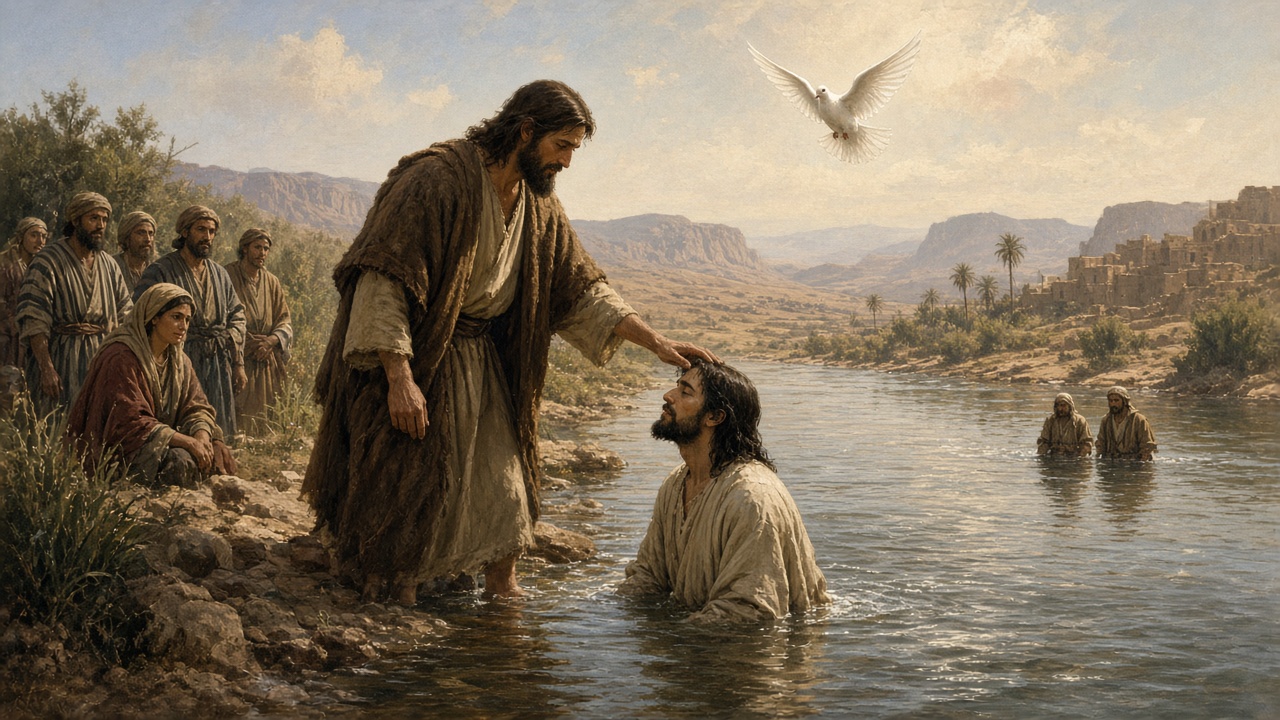
21Entonces conda merato oꞌsena e Juan tama e cárcel conda warto uchꞌuyi tunor sian e gente, cꞌotoy e Jesús tuaꞌ achꞌujya ubꞌan. Y conda e Jesús war ucꞌajti taca e Dios pascꞌa ut e qꞌuin tichan, 22y cay uwira ecmay watar Unawalir e Dios xeꞌ bꞌan uwirnar cocha incojt sacsac mut xeꞌ cꞌotoy turuan tamar, y wacchetaca uyubꞌi inteꞌ nuc xeꞌ tari tichan xeꞌ che cocha era:
—Net Niunenet xeꞌ war inyajta oit y xeꞌ war intzay inwiret, che e ojroner xeꞌ tari tut e qꞌuin tichan.
Uchꞌajnar e Jesús
23Pues cay canseyan e Jesús tama uyojroner e Dios conda utzꞌacse treinta año.
Y utata e Jesús era José ucꞌabꞌa, porque uchebꞌe e gente que jax utata.
Y utata e José era Elí ucꞌabꞌa,
24y utata e Elí era Matat ucꞌabꞌa,
y utata e Matat era Leví ucꞌabꞌa,
y utata e Leví era Melqui ucꞌabꞌa,
y utata e Melqui era Jana ucꞌabꞌa,
y utata e Jana era José ucꞌabꞌa,
25y utata e José era Matatías ucꞌabꞌa,
y utata e Matatías era Amós ucꞌabꞌa,
y utata e Amós era Nahum ucꞌabꞌa,
y utata e Nahum era Esli ucꞌabꞌa,
y utata e Esli era Nagai ucꞌabꞌa,
26y utata e Nagai era Maat ucꞌabꞌa,
y utata e Maat era Matatías ucꞌabꞌa,
y utata e Matatías era Semei ucꞌabꞌa,
y utata e Semei era José ucꞌabꞌa,
y utata e José era Judá ucꞌabꞌa,
27y utata e Judá era Joana ucꞌabꞌa,
y utata e Joana era Resa ucꞌabꞌa,
y utata e Resa era Zorobabel ucꞌabꞌa,
y utata e Zorobabel era Salatiel ucꞌabꞌa,
y utata e Salatiel era Neri ucꞌabꞌa,
28y utata e Neri era Melqui ucꞌabꞌa,
y utata e Melqui era Adi ucꞌabꞌa,
y utata e Adi era Cosam ucꞌabꞌa,
y utata e Cosam era Elmodam ucꞌabꞌa,
y utata e Elmodam era Er ucꞌabꞌa,
29y utata e Er era Josué ucꞌabꞌa,
y utata e Josué era Eliezer ucꞌabꞌa,
y utata e Eliezer era Jorim ucꞌabꞌa,
y utata e Jorim era Matat ucꞌabꞌa,
30y utata e Matat era Leví ucꞌabꞌa,
y utata e Leví era Simeón ucꞌabꞌa,
y utata e Simeón era Judá ucꞌabꞌa,
y utata e Judá era José ucꞌabꞌa,
y utata e José era Jonán ucꞌabꞌa,
y utata e Jonán era Eliaquim ucꞌabꞌa,
31y utata e Eliaquim era Melea ucꞌabꞌa,
y utata e Melea era Mainán ucꞌabꞌa,
y utata e Mainán era Matata ucꞌabꞌa,
y utata e Matata era Natán ucꞌabꞌa,
32y utata e Natán era David ucꞌabꞌa,
y utata e David era Isaí ucꞌabꞌa,
y utata e Isaí era Obed ucꞌabꞌa,
y utata e Obed era Booz ucꞌabꞌa,
y utata e Booz era Salmón ucꞌabꞌa,
y utata e Salmón era Naasón ucꞌabꞌa,
33y utata e Naasón era Aminadab ucꞌabꞌa,
y utata e Aminadab era Aram ucꞌabꞌa,
y utata e Aram era Esrom ucꞌabꞌa,
y utata e Esrom era Fares ucꞌabꞌa,
y utata e Fares era Judá ucꞌabꞌa,
34y utata e Judá era Jacob ucꞌabꞌa,
y utata e Jacob era Isaac ucꞌabꞌa,
y utata e Isaac era Abraham ucꞌabꞌa,
y utata e Abraham era Taré ucꞌabꞌa,
y utata e Taré era Nacor ucꞌabꞌa,
35y utata e Nacor era Serug ucꞌabꞌa,
y utata e Serug era Ragau ucꞌabꞌa,
y utata e Ragau era Peleg ucꞌabꞌa,
y utata e Peleg era Heber ucꞌabꞌa,
y utata e Heber era Sala ucꞌabꞌa,
36y utata e Sala era Cainán ucꞌabꞌa,
y utata e Cainán era Arfaxad ucꞌabꞌa,
y utata e Arfaxad era Sem ucꞌabꞌa,
y utata e Sem era Noé ucꞌabꞌa,
y utata e Noé era Lamec ucꞌabꞌa,
y utata e Lamec era Matusalén ucꞌabꞌa,
37y utata e Matusalén era Enoc ucꞌabꞌa,
y utata e Enoc era Jared ucꞌabꞌa,
y utata e Jared era Majalaleel ucꞌabꞌa,
y utata e Majalaleel era Cainán ucꞌabꞌa,
38y utata e Cainán era Enós ucꞌabꞌa,
y utata e Enós era Set ucꞌabꞌa,
y utata e Set era Adán ucꞌabꞌa,
y e Adán era uyunen e Dios.
Did you know?
John the Baptist prepares the way
- Luke sets John's preaching in the fifteenth year of Tiberius Caesar, the stepson of Augustus, who succeeded him in A.D. 14 and died in A.D. 37. Easton's Bible Dictionary (1897) notes that John began his public ministry in that year, and that Pontius Pilate, the sixth Roman procurator of Judea from A.D. 26 to 36, kept his headquarters at Caesarea during a term that covered the ministries of John and Jesus. Herod Antipas, a son of Herod, was then tetrarch of Galilee.Sources: the Bible text itself · Tiberius · Pontius Pilate · Herod Antipas
- The chapter dates these events during the high priesthood of both Annas and Caiaphas. Easton's Bible Dictionary (1897) records that Annas was high priest from A.D. 7 to 14 and was deposed by the Roman procurator, and that Caiaphas, who had married Annas's daughter, was raised to that office in A.D. 25. The same entry suggests that the Jews may still have regarded Annas as the lawful high priest, since Mosaic law held the office for life, and that he probably served with Caiaphas as president of the Sanhedrin or as the high priest's deputy.Sources: the Bible text itself · Annas
- John, son of Zechariah, was of priestly descent: his father was a priest of the course of Abia, and his mother, Elizabeth, belonged to the daughters of Aaron. Easton's Bible Dictionary (1897) notes that his mission was the subject of prophecy, including Isaiah's voice crying in the wilderness, and that his birth came six months before the birth of Jesus. In this chapter he preaches a baptism of repentance throughout the region around the Jordan, and Herod the tetrarch later imprisons him after John rebukes him over Herodias.Sources: the Bible text itself · John the Baptist
Notes written with AI assistance from open sources (Theographic Bible Metadata, CC BY-SA 4.0; Easton’s Bible Dictionary, public domain) and reviewed before publishing.
Places in this chapter
- Abilene · 33.627, 36.106 · verse 1
- Galilee · 32.760, 35.527 · verses 1, 19
- Ituraea · 33.400, 35.850 · verse 1
- Judea · Today: Judea 1 · 31.777, 35.234 · verse 1
- Trachonitis · Today: Lajat · 32.969, 36.455 · verse 1
- Jordan · Today: Jordan River · 31.761, 35.558 · verse 3
Only places identified with high confidence are shown (90% or more according to the scholarly sources compiled by OpenBible). Period map: DARE (Digital Atlas of the Roman Empire), CC BY 4.0; modern map: © OpenStreetMap contributors; places: OpenBible.info (CC BY 4.0).
Credits and license for this translation
Uyojroner e Dios xeꞌ Tzꞌijbꞌabꞌir Tama e Onian Tiempo
The New Testament and Genesis, Ruth, Esther, and Jonah in the Chorti language of Guatemala
El Nuevo Testamento, Génesis, Rut, Ester y Jonás en Chortí, Guatemala
copyright © 1996, 2012, 2013, 2023 Wycliffe Bible Translators, Inc. and Evangel Bible Translators, International
Language: Chortí (Chorti)
Translation by: Evangel Bible Translators, International and Wycliffe Bible Translators
New Testament © 1996, 2012 Wycliffe Bible Translators, Inc.;
Old Testament © 2012, 2013, 2023 Evangel Bible Translators, International
This translation is made available to you under the terms of the
Creative Commons Attribution-Noncommercial-No Derivatives license 4.0.
You may share and redistribute this Bible translation or extracts from it in any format, provided that:
You include the above copyright and source information.
You do not sell this work for a profit.
You do not change any of the words or punctuation of the Scriptures.
Pictures included with Scriptures and other documents on this site are licensed just for use with those Scriptures and documents.
For other uses, please contact the respective copyright owners.
2023-08-23
Source: http://ebible.org/caa/ · eBible.org