Luke 15
Uyojroner e Dios xeꞌ Tzꞌijbꞌabꞌir Tama e Onian Tiempo · Tap a verse to see its cross-references.
E ojroner tama e oveja xeꞌ satpa
1Pues tama inyajr tunor e ajmorojseyajobꞌ tumin tuaꞌ e gobierno y cora ajmabꞌambꞌanirobꞌ cꞌotoyobꞌ tut e Jesús tuaꞌ uyubꞌiobꞌ uyojroner. 2Pero conda irnobꞌ umen cora fariseobꞌ y umen cora ajcanseyajobꞌ tama uley e Moisés lo que war uche e Jesús, qꞌuijnobꞌ y cay ojronobꞌ upater y chenobꞌ:
—E winic era war uchꞌami e ajmabꞌambꞌanirobꞌ y war aweꞌ tacarobꞌ ubꞌan, che e fariseobꞌ y e ajcanseyajobꞌ tama uley e Moisés.
3Entonces e Jesús cay uchecsu inteꞌ ojroner tutobꞌ y che:
4—Ayan inteꞌ ojroner tama inteꞌ winic xeꞌ ayan 100 oveja tuaꞌ. Pero jay asatpa incojt, ¿machi ca uyacta e noventa y nueve macu umacteꞌ tuaꞌ axin usajca e incojt xeꞌ satpa esto tiaꞌ axin utajwi? 5Y conda e winic era utajwi uyoveja, cꞌani atzay uwira ut y axin ucꞌatbꞌu tor uquejrebꞌ y uqꞌueche axin tama uyotot. 6Y conda acꞌotoy tama uyotot cꞌani uyare tunor upiarobꞌ y tin e atzay uwira y che: “Tzayenic tacaren porque intajwi niwoveja xeꞌ satpa ani”, che e winic. Y cꞌani atzayobꞌ tunorobꞌ tacar jaxir. 7Y tamar era cꞌani inwareox que más axin atzayobꞌ tin e turobꞌ tichan tut e qꞌuin tama inteꞌ winic xeꞌ ajmabꞌambꞌanir cocha era xeꞌ axin uyacta umabꞌambꞌanir tuaꞌ asutpa uchꞌami uyojroner e Dios que tama e noventa y nueve winicobꞌ xeꞌ imbꞌutzix uwirnarobꞌ xeꞌ machix cꞌani uyactobꞌ umabꞌambꞌanir. Tara acꞌapa e ojroner, che e Jesús.
E ojroner tama inteꞌ ixic xeꞌ chocpa utumin
8Entonces e Jesús uyare e fariseobꞌ y e ajcanseyajobꞌ tama uley e Moisés otronyajr y che:
—Ayan inteꞌ ojroner tama inteꞌ ixic xeꞌ ayan diez ut utumin. Pero nien uwira tucꞌa hora uchoqui inteꞌ ut. Y tamar era e ixic cay usajca tama tunor tut uyotot tuaꞌ utajwi. Y utzꞌajpes inteꞌ lámpara y uchꞌujcu uwira tama tunor ut usuy uyotot pero machi achecta. Entonces uchꞌami inteꞌ mesiobꞌ y cay umesu ixin tama tunor usuy uyotot este que utajwi ut utumin era. 9Pero conda utajwi ut utumin cay umorojse upiarobꞌ y tin e atzay uwira y uyare cocha era y che: “Tzayenic tacaren porque intajwix ut nitumin xeꞌ chocpa ani”, che e ixic. 10Cꞌani inwareox era que bꞌan ixto cocha era ayan meyra tzayer tichan tut e qꞌuin tujam e sian angelobꞌ tuaꞌ e Dios conda uwirobꞌ asutpa uyacta umabꞌambꞌanir inteꞌ winic, che e Jesús.
E ojroner tama inteꞌ ijtzꞌimbꞌir xeꞌ cay putzꞌuy ixin innajt
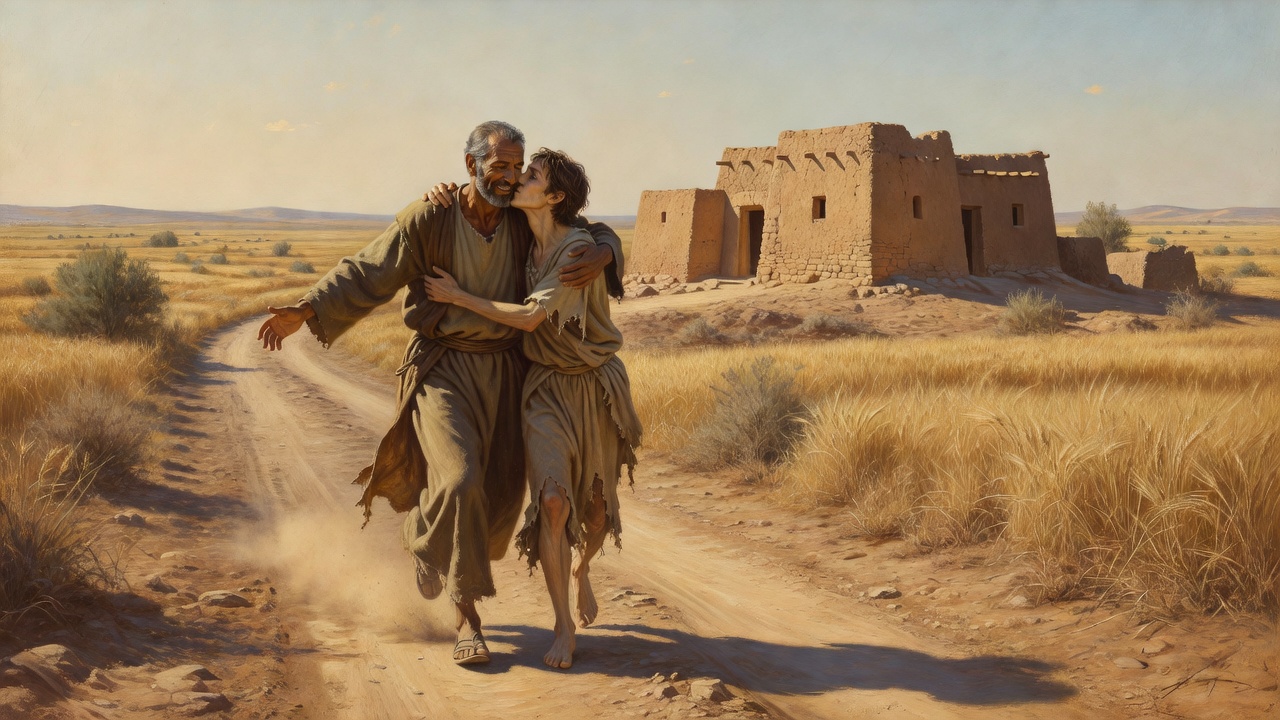
11Entonces e Jesús cay uyare e fariseobꞌ y e ajcanseyajobꞌ tama uley e Moisés era otronyajr y che:
—Ayan inteꞌ ojroner tama inteꞌ winic xeꞌ ayan chateꞌ uyunenobꞌ. 12Y e ijtzꞌimbꞌir uyare utata y che: “Ajcꞌunen era lo que tuaꞌ awajqꞌuen conda ichamay”, che uyunen era. Entonces e tatabꞌir cay uxere lo que aquetpa tuaꞌ uchꞌamiobꞌ. 13Pero tunor lo que uchꞌami tuaꞌ utata cꞌapa uchoni wacchetaca, y taca e tumin era putzꞌuy ixin tama inteꞌ nuxi chinam xeꞌ innajt y cay usati tunor utumin tamar lo que uyusre uche uwerir. 14Pero conda cꞌapa usati tunor utumin, tari inteꞌ tiempo conda checta inteꞌ nuxi winar tama e lugar yajaꞌ, y cay cꞌujya uyalma umen e winar. 15Entonces ixin usicbꞌa inteꞌ patnar taca inteꞌ winic tama e lugar yajaꞌ. Y umen e winic era tzacarna ixin e sitz tuaꞌ ucojco cora sian chitam xeꞌ tuaꞌ e ajyum rum. 16Pero conda más cay ecsibꞌa ut umen e winar cay ubꞌijnu que cꞌani ani ubꞌutꞌi unac tacar lo que war ucꞌuxi e chitam, porque mamajchi umen ajcꞌuna tucꞌa tuaꞌ ucꞌuxi jaxir. 17Entonces cay ubꞌijnu tamar uyotot utata otronyajr y che jax taca: “Ayan uman nitata y lo que war aꞌjcꞌuna tuaꞌ ucꞌuxiobꞌ machi uyubꞌiobꞌ tuaꞌ acꞌapa ucꞌuxiobꞌ, y nen tara turen war ecsibꞌa niut umen e winar. 18Cꞌani insutpa inxin tut nitata otronyajr y cꞌani inware cocha era y che: ‘Nitatet, nen inchix e mabꞌambꞌanir tut e Dios y toit net ubꞌan. 19Irix awaren que oynenento. Chenen cocha inteꞌ aman’. Bꞌan war ubꞌijnu tuaꞌ uyare utata”, xeꞌ ubꞌijnu tuaꞌ oꞌjron e sitz. 20Entonces locꞌoy ixin tama e bꞌir tuaꞌ acꞌotoy tama uyotot utata.
’Pero conda innajt tocto irna umen utata y yajtna ut, y tamar era ixin utajwi tama uni e bꞌir, y umori umeqꞌuen y uqꞌueche ixin tama uyotot. 21Entonces e sitz uyare utata y che: “Nitatet, nen inchix e mabꞌambꞌanir tut e Dios y toit net ubꞌan. Irix awaren que oynenento”, che e sitz era. 22Pero e tatabꞌir uyare umanobꞌ y che: “Quiqui taresic inteꞌ bꞌujc xeꞌ más galan uwirnar y juric tama unuc, y juric inteꞌ anillo tama or ucꞌabꞌ, y juric e xanabꞌ tama uyoc. 23Y quiqui taresic incojt chꞌom wacax xeꞌ más nojta unojrir y chamsenic tuaꞌ cacꞌuxi porque cꞌani canojqꞌuini coner. 24Porque nisitz chamen ani taniut y era sutpa yopa otronyajr. Satpa ani ut pero sutpa yopa tama niotot otronyajr”, che e tatabꞌir. Y cay ubꞌijnu tuaꞌ anojqꞌuiniobꞌ.
25’Pero tama otronteꞌ lugar xeꞌ innajt cora war apatna e sacumbꞌir tama inteꞌ uchor, pero conda sutpa yopa tuyejtzꞌer uyotot cay uyubꞌi que turix cora lajbꞌar y que warix anojqꞌuiniobꞌ tama uyotot. 26Entonces upejca inteꞌ man y uyubꞌi tuaꞌ y che: “¿Tucꞌa war uche nitata?” che e sacumbꞌir. 27Y che e man: “Awijtzꞌin sutpa yopa tama uyotot otronyajr, y atata war atzay y uyareon tuaꞌ cachamse inteꞌ chꞌom wacax xeꞌ más nojta unojrir, porque majax ajmuac conda sutpa yopa awijtzꞌin”, che e man. 28Pero e sacumbꞌir cay qꞌuijna conda uyubꞌi e ojroner era, y cocha jaxir war aqꞌuijna uwira uwijtzꞌin, machi cꞌani oꞌchoy macuir uyotot. Entonces locꞌoy tajwina umen utata tama uni e bꞌir y cay uyare tuaꞌ oꞌchoy macu. 29Pero e sacumbꞌir uyare utata y che: “Net anata que ixnix war impatna tacaret y que mato inyajr que machi incꞌupset. Pero net mato inyajr awajqꞌuen incojt yar chivo tuaꞌ inchamse tuaꞌ innojqꞌuini taca tin e intzay inwira. 30Pero coner yopa ixto oynen era xeꞌ intaca ixin usati tunor atumin taca e ajnajtir ixictac y tama tunor e mabꞌambꞌanir lo que cay ubꞌijnu uche. Y jaxir ma tiaꞌ cay cꞌupseyan toit, y era intaca war asati e chꞌom wacax tama oynen era”, che e sacumbꞌir. 31Entonces e tatabꞌir che: “Net nisitzet, y net turet tacaren iraj iraj, y tunor lo que ayan tanibꞌa cꞌani aquetpa tabꞌa. 32Pero coner ucꞌani tuaꞌ canojqꞌuini porque awijtzꞌin xeꞌ quetpa bꞌan cocha jay chamen ani taniut, y era sutpa yopa otronyajr. Jaxir satpa ani pero era sutpa yopa otronyajr taniut”, che e tatabꞌir. Tara acꞌapa e ojroner, che e Jesús.
Did you know?
Lost and Found
- Tax collectors and sinners were gathering around to listen to Jesus, and the Pharisees and scribes began to grumble that he welcomes sinners and eats with them. Jesus then told them parables about a lost sheep, a lost silver coin, and a lost son.Sources: the Bible text itself
- Teaching and healing in Perea to Jerusalem is recorded as starting in AD 30 with a duration of one day.Sources: Teaching and Healing in Perea to Jerusalem
Notes written with AI assistance from open sources (Theographic Bible Metadata, CC BY-SA 4.0; Easton’s Bible Dictionary, public domain) and reviewed before publishing.
Credits and license for this translation
Uyojroner e Dios xeꞌ Tzꞌijbꞌabꞌir Tama e Onian Tiempo
The New Testament and Genesis, Ruth, Esther, and Jonah in the Chorti language of Guatemala
El Nuevo Testamento, Génesis, Rut, Ester y Jonás en Chortí, Guatemala
copyright © 1996, 2012, 2013, 2023 Wycliffe Bible Translators, Inc. and Evangel Bible Translators, International
Language: Chortí (Chorti)
Translation by: Evangel Bible Translators, International and Wycliffe Bible Translators
New Testament © 1996, 2012 Wycliffe Bible Translators, Inc.;
Old Testament © 2012, 2013, 2023 Evangel Bible Translators, International
This translation is made available to you under the terms of the
Creative Commons Attribution-Noncommercial-No Derivatives license 4.0.
You may share and redistribute this Bible translation or extracts from it in any format, provided that:
You include the above copyright and source information.
You do not sell this work for a profit.
You do not change any of the words or punctuation of the Scriptures.
Pictures included with Scriptures and other documents on this site are licensed just for use with those Scriptures and documents.
For other uses, please contact the respective copyright owners.
2023-08-23
Source: http://ebible.org/caa/ · eBible.org