Jonah 4
Uyojroner e Dios xeꞌ Tzꞌijbꞌabꞌir Tama e Onian Tiempo · Tap a verse to see its cross-references.
Conda e Jonás qꞌuijna umen que incꞌun uwirnar Cadiosir
1Pues e Jonás machi tzay tamar lo que uche e Dios, y tamar era qꞌuijna meyra. 2Y war aqꞌuecran cay uyare e Dios cocha era y che:
—O Niwinquiraret Dios, jax era lo que cay imbꞌijnu que bꞌan tuaꞌ ache conda turento tama nilugar, y tamar era locꞌoy ajnien tuaꞌ inxin esto tama e lugar Tarsis. Pues cocha nen warix innata que net incꞌun awirnar, y que machi iqꞌuijna wacchetaca y que nojta acꞌunersiaj tut tunor e gente tara tor e rum y que tamar era conda aware que cꞌani awebꞌta inteꞌ nuxi jatzꞌuar tama ujor e gente tama e chinam era, innata que cꞌani isutpa abꞌijnu otronyajr tuaꞌ machi acꞌapa asati tunorobꞌ. 3Y tamar era, Niwinquiraret Dios, inwaret tuaꞌ alocse nicuxtar. Taniut nen más ani bueno tuaꞌ intaca inchamay y que machi ixto tuaꞌ inturuan, che e Jonás.
4Entonces Cawinquirar Dios sutpa ojron taca e Jonás otronyajr y che:
—Jonás, pues majax bueno tuaꞌ iqꞌuijna tama tunor era, che Cawinquirar Dios.
5Entonces e Jonás locꞌoy tama e chinam y ixin turuan tut e rum tama e lugar tiaꞌ atobꞌoy watar e qꞌuin. Y yajaꞌ taca uche inteꞌ chuchuꞌ champa y turuan tamar, war achꞌujcsan tuaꞌ uwira tucꞌa tuaꞌ anumuy tama e chinam Nínive, jay cꞌanto atijresna umen e Dios conda acꞌapa e cuarenta día era.
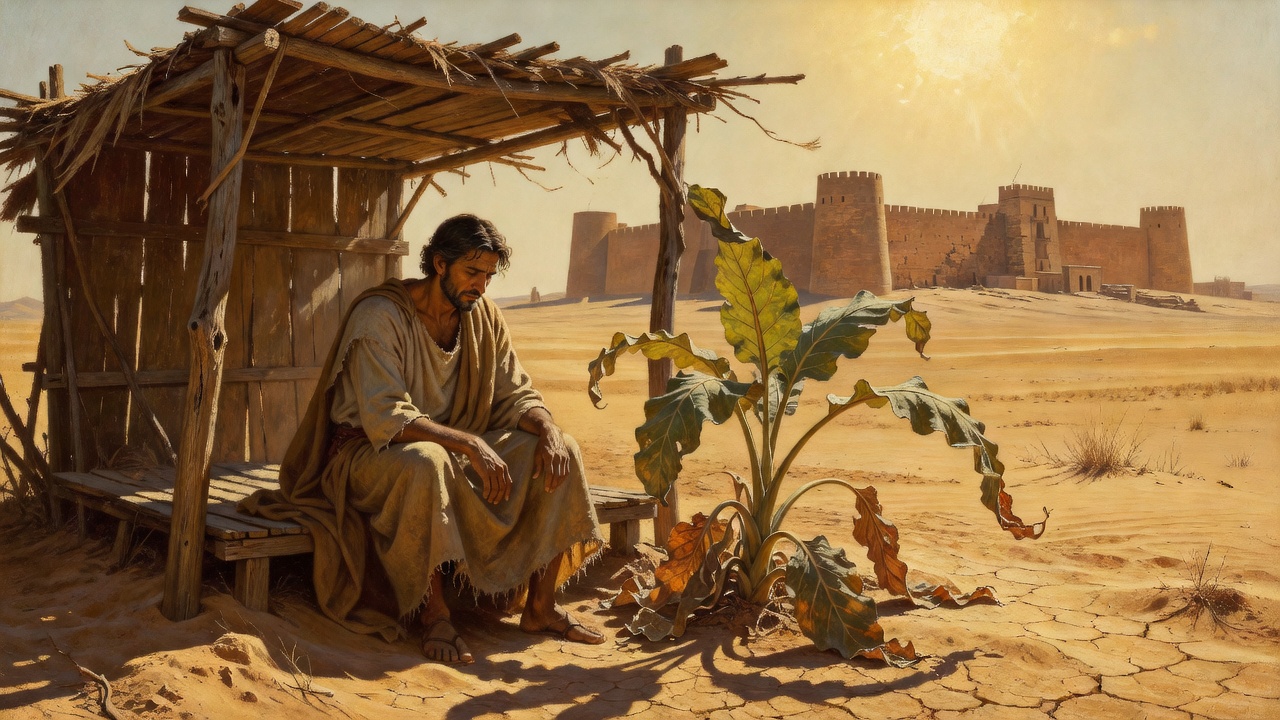
6Y de allí Cawinquirar Dios uche cuxpa inteꞌ chꞌan xeꞌ nojta uyopor xeꞌ chꞌi wacchetaca tuyejtzꞌer yer uchampa e Jonás, y jaxir cay turuan yebꞌar usombrir e chꞌan tuaꞌ machi apurutna umen e qꞌuin, y tamar era cay tzay meyra e Jonás que chꞌi yer e chꞌan era. E Jonás cay tzay meyra que chꞌi yer e chꞌan era. (Jonás 4:6)|alt="Jonah sitting in the shed" src="co01422b.TIF" size="span" loc="Jonah 4:4-8" copy="David C. Cook" ref="JONAS 4:6"
7Pero conda sacojpa tama otronteꞌ día Cawinquirar Dios uche locꞌoy incojt ubꞌiꞌ xeꞌ cay ucꞌuxi e chꞌan y tamar era taqui. 8Y conda tobꞌoy locꞌoy e qꞌuin e Dios uyebꞌta tari inteꞌ nuxi icꞌar xeꞌ apurutsan xeꞌ tari tiaꞌ atobꞌoy watar e qꞌuin, y cay purutna ujor e Jonás umen e qꞌuin y jaxir cay jayjayran umen e qꞌuin, y tamar era cay ubꞌijnu que cꞌanix achamay otronyajr. Entonces ojron jax taca y che:
—Pues taniut nen más ani bueno tuaꞌ inchamay, che e Jonás.
9Entonces sutpa ojron e Dios otronyajr y che:
—O ¿war ca iqꞌuijna tamar taca que taqui e chꞌan? che e Dios. Entonces ojron e Jonás otronyajr y che:
—Bꞌan yaꞌ. War inqꞌuijna meyra este que cꞌanix inchamay, che e Jonás.
10Entonces ojron Cawinquirar Dios otronyajr y che:
—Pues majax net xeꞌ apaqꞌui e chꞌan era, y nien majax net xeꞌ ache aꞌchꞌi. Pues tamar taca inteꞌ acbꞌar cuxpa, y tama otronteꞌ acbꞌar taqui. Pues net war ayajta ut yer e chꞌan xeꞌ taqui, y net abꞌijnu que ucꞌani ani tuaꞌ incorpes. 11Y nen, ¿machi ca erer inyajta ut tin e turobꞌ tama e nuxi chinam Nínive tuaꞌ incorpesobꞌ jay bꞌan imbꞌijnu inche? Pues jax inteꞌ nuxi chinam tiaꞌ ayan más que 120,000 maxtac xeꞌ machito unatobꞌ tin unojcꞌabꞌ y tin utzꞌejcꞌabꞌ. Y ayan meyra aracꞌobꞌ tama e chinam era ubꞌan, che e Dios uyare e Jonás.
Tara acꞌapa tunor niwojroner, che e Jonás.
Did you know?
Jonah's Anger and God's Compassion
- Jonah admits that he originally attempted to flee toward Tarshish precisely because he knew God is gracious, compassionate, slow to anger, and relents from sending disaster. His distress arose when God chose to spare Nineveh rather than destroy it.Sources: the Bible text itself · Tarshish
- Nineveh, the flourishing capital of the Assyrian empire, is described at the conclusion of the book as home to more than 120,000 people who cannot discern between their right and left hand, along with many cattle. God highlights this massive population to contrast divine compassion with Jonah's concern for a single withered plant.Sources: the Bible text itself · Nineveh
Notes written with AI assistance from open sources (Theographic Bible Metadata, CC BY-SA 4.0; Easton’s Bible Dictionary, public domain) and reviewed before publishing.
Places in this chapter
- Nineveh · 36.359, 43.153 · verse 11
Only places identified with high confidence are shown (90% or more according to the scholarly sources compiled by OpenBible). Period map: DARE (Digital Atlas of the Roman Empire), CC BY 4.0; modern map: © OpenStreetMap contributors; places: OpenBible.info (CC BY 4.0).
Credits and license for this translation
Uyojroner e Dios xeꞌ Tzꞌijbꞌabꞌir Tama e Onian Tiempo
The New Testament and Genesis, Ruth, Esther, and Jonah in the Chorti language of Guatemala
El Nuevo Testamento, Génesis, Rut, Ester y Jonás en Chortí, Guatemala
copyright © 1996, 2012, 2013, 2023 Wycliffe Bible Translators, Inc. and Evangel Bible Translators, International
Language: Chortí (Chorti)
Translation by: Evangel Bible Translators, International and Wycliffe Bible Translators
New Testament © 1996, 2012 Wycliffe Bible Translators, Inc.;
Old Testament © 2012, 2013, 2023 Evangel Bible Translators, International
This translation is made available to you under the terms of the
Creative Commons Attribution-Noncommercial-No Derivatives license 4.0.
You may share and redistribute this Bible translation or extracts from it in any format, provided that:
You include the above copyright and source information.
You do not sell this work for a profit.
You do not change any of the words or punctuation of the Scriptures.
Pictures included with Scriptures and other documents on this site are licensed just for use with those Scriptures and documents.
For other uses, please contact the respective copyright owners.
2023-08-23
Source: http://ebible.org/caa/ · eBible.org