John 6
Uyojroner e Dios xeꞌ Tzꞌijbꞌabꞌir Tama e Onian Tiempo · Tap a verse to see its cross-references.
Conda e Jesús uwese e 5,000 winicobꞌ
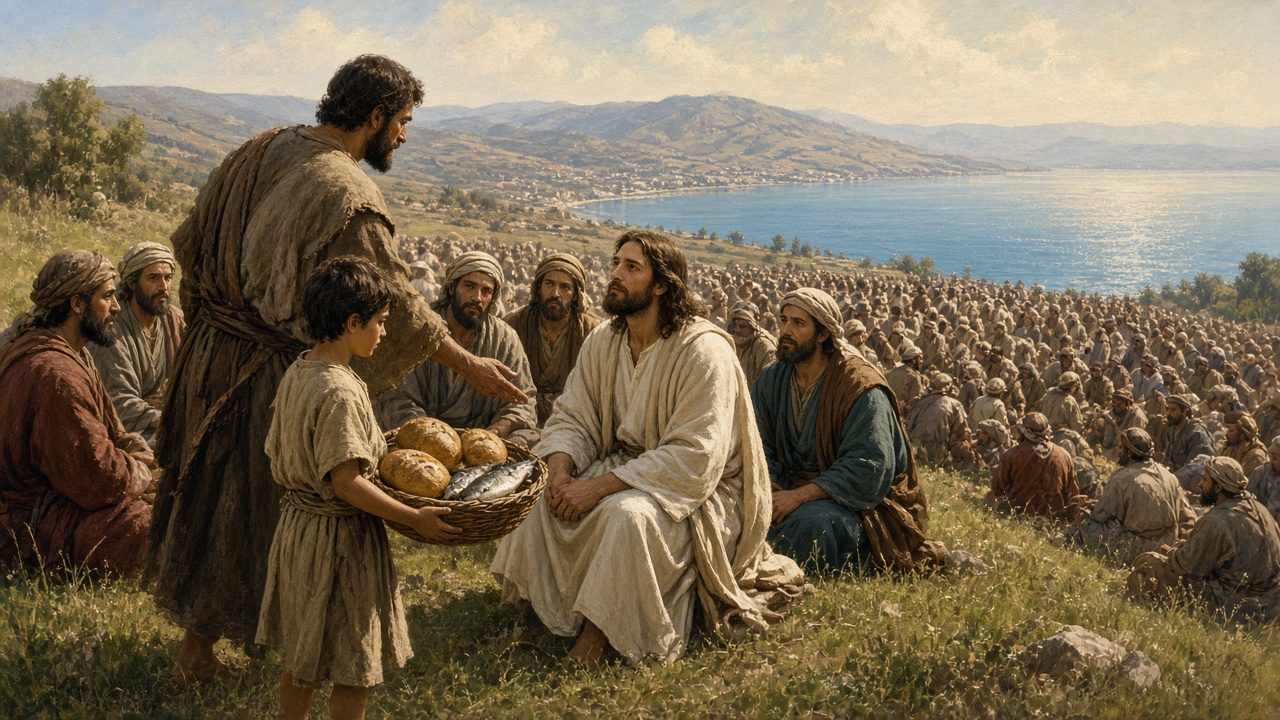
1Pues nacpat era ixin e Jesús teinxejr e nuxi jaꞌ xeꞌ ucꞌabꞌa Galilea y xeꞌ ucꞌabꞌa Tiberias ubꞌan. 2Y meyra sian gente war axiobꞌ tupat e Jesús cocha cay uwirobꞌ e sian milagro lo que cay uche conda utzꞌacpes tunor tin e ajmuac. 3Entonces tꞌabꞌay ixin e Jesús tut inteꞌ witzir y turuan taca tunor uyajcanuarobꞌ. 4Y warix acꞌotoy e día tama e nojqꞌuin tuaꞌ e gente tama e Israel xeꞌ ucꞌabꞌa pascua.
5Pero conda e Jesús sutpa chꞌujcsan, uwira que ayan meyra sian gente xeꞌ war ayopobꞌ tut. Y tamar era uyare e Felipe y che:
—¿Tiaꞌ tuaꞌ camani e comida tuaꞌ cawese tunor e sian gente era? che e Jesús.
6Pero jaxir intaca war uyubꞌi tuaꞌ e Felipe tuaꞌ uwira tucꞌa axin uche, porque e Jesús warix unata lo que cꞌani uche era. 7Pero ojron e Felipe y che:
—Pues jay apatna ani inteꞌ man casi tunor inteꞌ año nien tamar era ma tzꞌacar tunor lo que atoana tuaꞌ awesena tunor e sian gente era motor que imbꞌijc taca aꞌjcꞌuna inteꞌ inteꞌ, che e Felipe.
8Entonces ojron e Andrés xeꞌ jax inteꞌ uyajcanuar e Jesús y xeꞌ jax uwijtzꞌin e Simón Pedro ubꞌan y che:
9—Tara turu inteꞌ chuchu sitz xeꞌ qꞌuecher umen cinco ut pan xeꞌ chembꞌir tama e cebada y qꞌuecher ubꞌan chacojt chay, pero tut tunor e sian gente era ma tzꞌacar lo que qꞌuecher era, che e Andrés.
10Entonces ojron otronyajr e Jesús y che:
—Arenicobꞌ e gente tuaꞌ aturuanobꞌ, che e Jesús.
Pues tama e lugar era ayan meyra cꞌopot y cay turuanobꞌ tunor e gente tujor. Y ayan 5,000 winicobꞌ. 11Entonces e Jesús uchꞌami e cinco ut pan y uyajcꞌu gracias e Dios, y cay uyajcꞌu uyajcanuarobꞌ tuaꞌ upuquiobꞌ axin taca tunor e gente era. Y bꞌan uche taca e chay ubꞌan, y e gente cꞌapa ucꞌuxiobꞌ tunor lo que ucꞌaniobꞌ. 12Y conda e Jesús uwira que cꞌapa wiobꞌ tunor e gente uyare uyajcanuarobꞌ y che:
—Morojsenic uchꞌeir e pan lo que quetpa tama e chiquiꞌ era tuaꞌ machi asatpa lo que aquetpa, che e Jesús.
13Entonces cay umorojsiobꞌ tunor lo que quetpa tama e cinco ut pan xeꞌ chembꞌir tama e cebada y bꞌutcꞌa doce chiquiꞌ tamar lo que quetpa. 14Y conda e gente uwirobꞌ e nuxi milagro era cay ojronobꞌ y chenobꞌ:
—Checta ixto e profeta lo que che e Moisés que ucꞌani tuaꞌ watar, che e gente.
15Pero e Jesús warix unata que e gente war ubꞌijnuobꞌ tuaꞌ uqꞌuechiobꞌ axin tuaꞌ uchiobꞌ aquetpa inteꞌ ajcꞌotorer tama ujorobꞌ, y tamar era ixin tupat e witzir yajaꞌ tuaꞌ aquetpa ubꞌajner.
Conda e Jesús xana tor e jaꞌ
16Entonces conda acbꞌare uyajcanuarobꞌ e Jesús ecmay ixiobꞌ tutiꞌ e nuxi jaꞌ yajaꞌ. 17Y conda cꞌotoyobꞌ tutiꞌ e jaꞌ ochoyobꞌ tama inteꞌ barco y cay xanobꞌ tor e jaꞌ tamar tuaꞌ acꞌotoyobꞌ teinxejr e jaꞌ era tiaꞌ turu e chinam Capernaum. Pero incsibꞌanix tama e hora era y e Jesús merato ayopa tut uyajcanuarobꞌ. 18Y cay atzꞌo e icꞌar y cay jicna e jaꞌ tari. 19Y conda xanobꞌix seis kilómetro tor e jaꞌ tama ubarco, uwirobꞌ que war ayopa e Jesús tutobꞌ, y que war axana watar tor e jaꞌ. Pero conda uwirobꞌ bꞌactobꞌ meyra. 20Pero e Jesús uyare:
—Jax nen. Ira ixbꞌacta, che e Jesús.
21Entonces tzayobꞌ uchꞌamiobꞌ e Jesús y uyosiobꞌ tama e barco. Y wacchetaca numuyobꞌ este teinxejr jaꞌ tiaꞌ war axiobꞌ.
Conda e gente war usicbꞌobꞌ e Jesús
22Pues entonces conda sacojpa tama inteꞌ día, e gente xeꞌ quetpobꞌ teinxejr jaꞌ cay ubꞌijnuobꞌ que locꞌoyobꞌ uyajcanuarobꞌ e Jesús ubꞌajnerobꞌ tama inteꞌ barco xeꞌ jax taca y que e Jesús machi ixin tacarobꞌ tama e barco. 23Pero cꞌotoyobꞌ cora barco tuaꞌ e chinam Tiberias xeꞌ majax innajt tama e lugar tiaꞌ cay wesena e sian gente conda Cawinquirar cay uyajcꞌu gracias e Dios tama e pan. 24Pero conda e gente era uwirobꞌ que machi turu e Jesús y que nien machi turobꞌ uyajcanuarobꞌ, cay ochoyobꞌ tama cora barco tuaꞌ axin usajcobꞌ e Jesús tama e chinam Capernaum.
E Jesús jax e pan xeꞌ uyajcꞌu e cuxtar xeꞌ machi tuaꞌ acꞌapa
25Pues conda tunor e gente era cꞌotoyobꞌ teinxejr jaꞌ cay usicbꞌobꞌ e Jesús. Y conda utajwiobꞌ cay uyubꞌiobꞌ tuaꞌ y chenobꞌ:
—Cawajcanseyajet, ¿tucꞌa hora yopet tara? che e gente era.
26Entonces ojron e Jesús y che:
—Cꞌani inwareox era que nox war isicbꞌen umen taca que cay icꞌuxi e pan este que bꞌutcꞌa inac y majax umen que cay iwira inche e sian milagro tiut. 27Nox war ixpatna tamar taca lo que cꞌani icꞌuxi xeꞌ axin acꞌapa. Pero más ayan ucꞌampibꞌir jay ixpatna tuaꞌ ichꞌami e comida xeꞌ axin uyajcꞌox e cuxtar xeꞌ machi tuaꞌ acꞌapa lo que cꞌani inwajcꞌox nen xeꞌ Uyunenen e winic. Pues Catata Dios ixin uyajqꞌuen e cꞌotorer tuaꞌ uyubꞌien inwajcꞌox e cuxtar era xeꞌ machi tuaꞌ acꞌapa, che e Jesús.
28Entonces sutpa uyubꞌiobꞌ tuaꞌ e Jesús y chenobꞌ:
—¿Y tucꞌa patnar ucꞌani tuaꞌ cache tuaꞌ cache lo que ucꞌani e Dios? che e gente era.
29Y ojron e Jesús y che:
—E patnar lo que ucꞌani e Dios tuaꞌ iche jax era: Ucꞌani tuaꞌ ixcꞌupseyan tamar jaxir xeꞌ ebꞌetna tari umen e Dios, che e Jesús.
30Entonces e gente sutpa uyubꞌiobꞌ otronyajr tuaꞌ e Jesús y chenobꞌ:
—¿Y tucꞌa milagro tuaꞌ awirsion? Porque ucꞌani tuaꞌ cawira tunor era tuaꞌ uyubꞌion cacꞌupseyan tamaret. ¿Tucꞌa tuaꞌ ache? 31Pues tama e choquem lugar catata viejobꞌirobꞌ cay ucꞌuxiobꞌ e pan xeꞌ ucꞌabꞌa maná xeꞌ ojri tari tut e qꞌuin, bꞌan cocha chꞌar tzꞌijbꞌabꞌir y che: “Jaxir uyajcꞌuobꞌ e pan xeꞌ ojri tari tut e qꞌuin tuaꞌ ucꞌuxiobꞌ”, che e gente.
32Y che e Jesús:
—Cꞌani inwareox era que majax e Moisés xeꞌ cay uyajcꞌu e pan xeꞌ tari tut e qꞌuin, sino que jax Nitata xeꞌ uyajcꞌu e pan xeꞌ erach xeꞌ watar tut e qꞌuin. 33Porque e pan xeꞌ war uyajcꞌu e Dios jax lo que ecmay tari tut e qꞌuin, y jax jaxir xeꞌ war uyajcꞌu e cuxtar xeꞌ machi tuaꞌ acꞌapa tunor e winicobꞌ tara tor e rum, che e Jesús.
34Y che e gente:
—Cawinquiraret, ajcꞌunon e pan era iraj iraj, che e sian gente.
35Y che e Jesús:
—Nen jax e pan era xeꞌ uyajcꞌu e cuxtar xeꞌ machi tuaꞌ acꞌapa. Tunor tin e ayopa taniut machi ixto tuaꞌ aytzꞌa, y tunor tin e acꞌupseyan tamaren machi ixto tuaꞌ ataqui utiꞌ ubꞌan. 36Pero bꞌan cocha cay inwareox tama inyajr que motor que war iwiren tara pero machi war ixcꞌupseyan tamaren. 37Tunor tin e ajcꞌunen umen Nitata cꞌani ayopobꞌ taniut. Y tunor tin e ayopobꞌ taniut machi tuaꞌ intzacre axiobꞌ patir. 38Porque ecmay tarien tut e qꞌuin majax tuaꞌ inche lo que nen incꞌani, sino que tarien tuaꞌ inche lo que ucꞌani jaxir xeꞌ uyebꞌta tarien. 39Y lo que ucꞌani jaxir xeꞌ uyebꞌta tarien jax era: Que machi tuaꞌ asatpa nien incojt tin e uyajqꞌuen, sino que nen tuaꞌ insuti imbꞌixqꞌues tunorobꞌ tujam e chamenobꞌ tama ucꞌapesnibꞌir tunor era. 40Y lo que ucꞌani Nitata xeꞌ uyebꞌta tarien jax era: Que tunor tin e war uchꞌujcu uwiren y xeꞌ war acꞌupseyanobꞌ tamaren cꞌani uchꞌamiobꞌ e cuxtar xeꞌ machi tuaꞌ acꞌapa, y nen tuaꞌ insuti imbꞌixqꞌues tunorobꞌ tujam e chamenobꞌ tama ucꞌapesnibꞌir tunor era, che e Jesús.
41Pues entonces cay murmurtiobꞌ tunor e winicobꞌ tuobꞌ e Israel era umen que e Jesús che que: “Nen jax e pan xeꞌ ecmay tari tut e qꞌuin”, xeꞌ arobꞌna umen e Jesús más bꞌajxan. 42Entonces ojronobꞌ e winicobꞌ era otronyajr y chenobꞌ:
—¿Ma ca jax uyunen e José e Jesús era? Pues non canata chi utata y canata chi utuꞌ, y ¿cocha tuaꞌ uyareon que: “Nen ecmay tarien tut e qꞌuin?” che e winicobꞌ era.
43Y che e Jesús:
—Actanic e qꞌuecraner yax. 44Tunor tin e ayopa taniut taresbꞌir umen Nitata xeꞌ uyebꞌta tarien. Y tunor tin e watar taniut cꞌani asujta abꞌixqꞌuesnobꞌ tujam e chamenobꞌ nimener tama ucꞌapesnibꞌir tunor era. 45Chꞌar tzꞌijbꞌabꞌir tama uyojroner e Dios umen e profetobꞌ xeꞌ turuanobꞌ tama e onian tiempo que: “Tunor e gente cꞌani aquetpobꞌ cansebꞌir umen e Dios.” Y tamar era tunor tin e uyubꞌiobꞌ unuc e Tatabꞌir y acanuobꞌ tamar watobꞌ taniut.
46’Mamajchi cay uwira ut e Tatabꞌir, sino que jax taca jaxir xeꞌ ecmay tari tut e qꞌuin. Jax taca jaxir xeꞌ cay uwira ut e Tatabꞌir. 47Cꞌani inwareox era que tunor tin e acꞌupseyanobꞌ tamaren cꞌani uchꞌamiobꞌ e cuxtar xeꞌ machi tuaꞌ acꞌapa. 48Pues nen jax e pan xeꞌ uyajcꞌu e cuxtar xeꞌ machi tuaꞌ acꞌapa. 49Itata viejobꞌirobꞌ cay ucꞌuxiobꞌ e pan xeꞌ ucꞌabꞌa maná xeꞌ tari tut e qꞌuin tama e choquem lugar, pero motor que cay ucꞌuxiobꞌ e maná era, chamayobꞌ. 50Pero nen war inwareox era tama e pan xeꞌ ecmay tari tut e qꞌuin que conda axin acꞌujxa umen inteꞌ machi tuaꞌ achamay. 51Pues nen jax e pan era xeꞌ bꞌixir xeꞌ ecmay tari tut e qꞌuin. Tunor tin e axin ucꞌuxi e pan era machi ixto tuaꞌ achamay. Pues e pan era jax niwerir xeꞌ war inwajcꞌu tuaꞌ incorpes e gente tara tor e rum, che e Jesús.
52Pues tamar era e winicobꞌ era xeꞌ tuobꞌ e Israel cay qꞌuijnobꞌ inteꞌ intiobꞌ y chenobꞌ:
—¿Cocha tuaꞌ uyajcꞌon uwerir tuaꞌ cacꞌuxi? che e winicobꞌ era.
53Y che e Jesús:
—Cꞌani inwareox era que jay machi ixixin icꞌuxi niwerir xeꞌ Uyunenen e winic y jay machi ixixin iyuchꞌi nichꞌichꞌer, machi tuaꞌ ichꞌami e cuxtar xeꞌ machi tuaꞌ acꞌapa ubꞌan. 54Tin e ucꞌuxi niwerir y uyuchꞌi nichꞌichꞌer cꞌani uchꞌamiobꞌ e cuxtar xeꞌ machi tuaꞌ acꞌapa, y nen cꞌani insuti imbꞌixqꞌuesobꞌ tujam e chamenobꞌ tama ucꞌapesnibꞌir tunor era. 55Porque niwerir jax e comida xeꞌ erach y nichꞌichꞌer xeꞌ oꞌchna erach ubꞌan. 56Y tin e ucꞌuxi niwerir y uyuchꞌi nichꞌichꞌer cꞌani aquetpa intera ubꞌijnusiajobꞌ tacaren y nen tacarobꞌ. 57Pues Nitata xeꞌ bꞌixir xeꞌ uyebꞌta tarien war uyajqꞌuen ucꞌotorer tuaꞌ uyubꞌien inturuan, y bꞌan ubꞌan tin e axin ucꞌuxi niwerir, cꞌani inwajcꞌuobꞌ nicꞌotorer tuaꞌ uyubꞌiobꞌ aturuanobꞌ. 58Pero nen era war inwareox tamar e pan xeꞌ ecmay tari tut e qꞌuin. Machi war inwareox tamar e pan xeꞌ ucꞌabꞌa maná xeꞌ cꞌuxbꞌir umen itata viejobꞌirobꞌ tama e onian tiempo, porque tunorobꞌ sutpa chamayobꞌ motor que cay ucꞌuxiobꞌ e maná. Pero tunor tin e axin ucꞌuxi e pan xeꞌ inwajcꞌu nen ma tiaꞌ tuaꞌ axin achamay, che e Jesús.
59Pues jax era e canseyaj lo que cay uyajcꞌu e Jesús tama e sinagoga tama e chinam Capernaum.
Conda e Jesús ojron tamar e cuxtar xeꞌ machi tuaꞌ acꞌapa
60Pues entonces conda tin e war axiobꞌ tupat e Jesús cay uyubꞌiobꞌ e canseyaj era cay ojronobꞌ jaxobꞌ taca y chenobꞌ:
—¿Chi erer uyubꞌi e ojroner era xeꞌ intran uyubꞌnar? ¿Chi ani tuaꞌ uturbꞌa ubꞌa tamar? che e gente era.
61Pero e Jesús war unata que e gente era war awixwixtiobꞌ tamar jaxir. Y tamar era ojron y che:
—¿O uche ca ixqꞌuijna e ojroner lo que cay inwareox sajmix? 62¿Y tucꞌa ani tuaꞌ ibꞌijnu jay iwiren xeꞌ Uyunenen e winic intꞌabꞌay inxin tut e qꞌuin tiaꞌ tarien? 63Unawalir e Dios jax xeꞌ uyajcꞌu e cuxtar xeꞌ machi tuaꞌ acꞌapa. Pero uwerir inteꞌ ma cocha erer uyajcꞌu e cuxtar cocha era. Pues e ojroner lo que war inwareox era tari tuaꞌ Unawalir e Dios. Y e ojroner era jax lo que tuaꞌ uyajcꞌu e cuxtar xeꞌ machi tuaꞌ acꞌapa. 64Pero ayan meyra tijam xeꞌ machi cꞌani ixcꞌupseyan tamaren, che e Jesús.
Pues e Jesús unatix tama ucajyesnibꞌir tunor era chi xeꞌ machi tuaꞌ acꞌupseyanobꞌ tamar, y unatix chi umen tuaꞌ atujchꞌa ubꞌan. 65Y che e Jesús:
—Y tamar era inwareoxix que mamajchi erer ayopa taniut jay machi ataresna umen Nitata, che e Jesús.
66Pues tama e hora era ayan meyra gente xeꞌ war ani axiobꞌ tupat e Jesús xeꞌ uyactobꞌ y xeꞌ machi ixto cꞌani axanobꞌ tacar otronyajr. 67Entonces e Jesús uyubꞌi tuaꞌ e doce uyajcanuarobꞌ y che:
—¿O icꞌani ca ixixin nox ubꞌan? che e Jesús.
68Pero cay ojron e Simón Pedro y che:
—Niwinquiraret, ¿chito tut tuaꞌ caxin non? Tamar taca awojroner net ayan e cuxtar xeꞌ machi tuaꞌ acꞌapa. 69Y non era cꞌupseyanonix tamaret y canata ixto yaꞌ que net jax xeꞌ erach tuaꞌ e Dios, che e Pedro.
70Y che e Jesús:
—¿Ma ca jax nen xeꞌ cay insicbꞌox xeꞌ doceox? Pero ayan inteꞌ tijam xeꞌ chucur umen inteꞌ mabꞌambꞌan mein, che e Jesús.
71Pues tamar e ojroner era e Jesús war oꞌjron tamar e Judas xeꞌ uyunen e Simón Iscariote, porque jax jaxir xeꞌ tuaꞌ axin utuchꞌi e Jesús motor que turu tujam e doce ajcanuarobꞌ era.
Did you know?
The Bread of Life
- In this chapter John calls the lake both the Sea of Galilee and the Sea of Tiberias. Easton's Bible Dictionary describes it as twelve and a half miles long and from four to seven and a half miles wide, with its surface 682 feet below the Mediterranean. Tiberias, on the western shore, is said to have been founded by Herod Antipas in A.D. 16 and named for the emperor Tiberius; some boats from that city landed near the place where the people had eaten the bread.Sources: the Bible text itself · Sea of Galilee · Tiberias
- That evening the disciples set out by boat for Capernaum, and the next day the crowd crossed and found Jesus there. He delivered the teaching about the bread of life in the synagogue at Capernaum. Easton's Bible Dictionary notes that the city, not mentioned in the Old Testament, became Jesus' own city after his expulsion from Nazareth and was the scene of many episodes in his ministry.Sources: the Bible text itself · Capernaum
- As the crowd drew near, Jesus asked Philip where they could buy bread, a question the narrative says was meant to test him, for Jesus already knew what he would do. Philip, like Andrew and Peter, was from Bethsaida; he answered that two hundred denarii would not buy enough for each person to have a small piece. Andrew, Peter's brother, then pointed out a boy with five barley loaves and two small fish, and Easton's Bible Dictionary, citing this exchange among other passages, says Philip seems to have held a prominent place among the apostles.Sources: the Bible text itself · Phillip the Apostle · Andrew · Simon Peter
Notes written with AI assistance from open sources (Theographic Bible Metadata, CC BY-SA 4.0; Easton’s Bible Dictionary, public domain) and reviewed before publishing.
Places in this chapter
Only places identified with high confidence are shown (90% or more according to the scholarly sources compiled by OpenBible). Period map: DARE (Digital Atlas of the Roman Empire), CC BY 4.0; modern map: © OpenStreetMap contributors; places: OpenBible.info (CC BY 4.0).
Credits and license for this translation
Uyojroner e Dios xeꞌ Tzꞌijbꞌabꞌir Tama e Onian Tiempo
The New Testament and Genesis, Ruth, Esther, and Jonah in the Chorti language of Guatemala
El Nuevo Testamento, Génesis, Rut, Ester y Jonás en Chortí, Guatemala
copyright © 1996, 2012, 2013, 2023 Wycliffe Bible Translators, Inc. and Evangel Bible Translators, International
Language: Chortí (Chorti)
Translation by: Evangel Bible Translators, International and Wycliffe Bible Translators
New Testament © 1996, 2012 Wycliffe Bible Translators, Inc.;
Old Testament © 2012, 2013, 2023 Evangel Bible Translators, International
This translation is made available to you under the terms of the
Creative Commons Attribution-Noncommercial-No Derivatives license 4.0.
You may share and redistribute this Bible translation or extracts from it in any format, provided that:
You include the above copyright and source information.
You do not sell this work for a profit.
You do not change any of the words or punctuation of the Scriptures.
Pictures included with Scriptures and other documents on this site are licensed just for use with those Scriptures and documents.
For other uses, please contact the respective copyright owners.
2023-08-23
Source: http://ebible.org/caa/ · eBible.org