John 17
Uyojroner e Dios xeꞌ Tzꞌijbꞌabꞌir Tama e Onian Tiempo · Tap a verse to see its cross-references.
Conda e Jesús ucꞌajti taca Catata Dios tamar uyajcanuarobꞌ
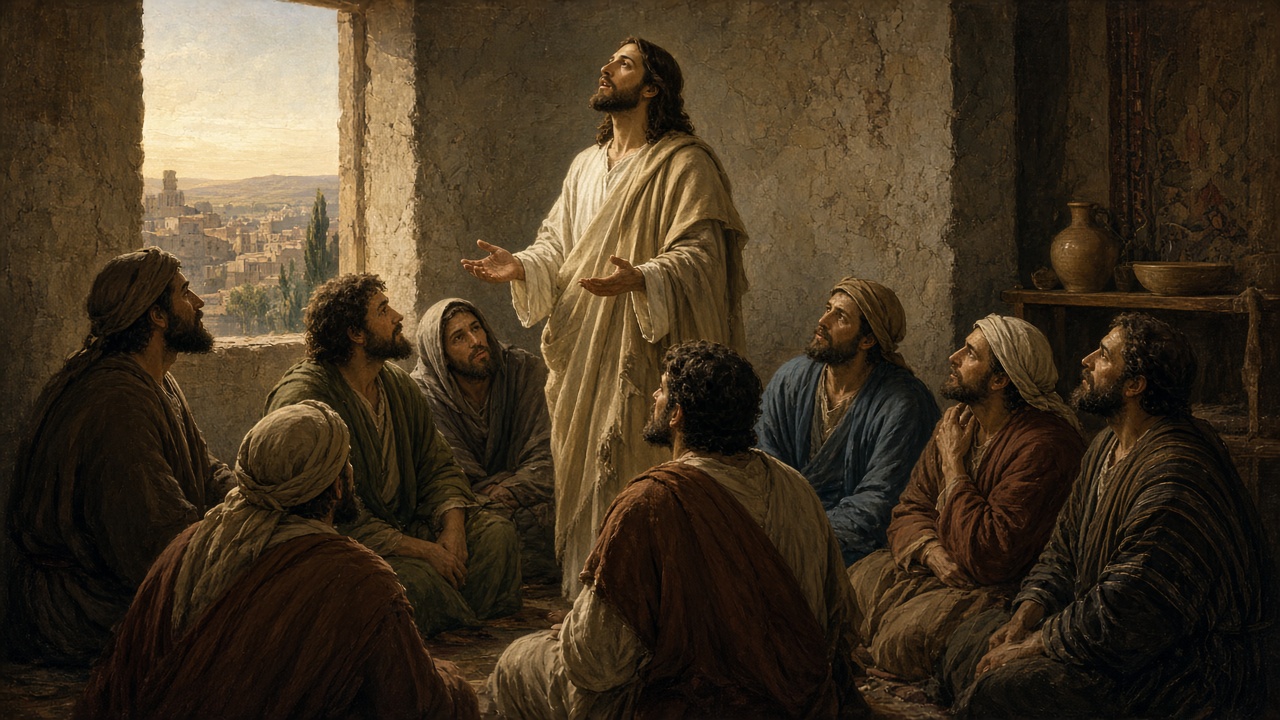
1Pues conda cꞌapa ojron tama tunor era, e Jesús sutpa chꞌujcsan tichan y cay ucꞌajti taca Catata Dios y che:
—Nitatet, cꞌotoy e hora tuaꞌ inchamesna. Ajcꞌunen nitawarer xeꞌ Oynenen era tuaꞌ uyubꞌien insutpa inwajqꞌuet atawarer net ubꞌan. 2Porque net cꞌapa awajqꞌuen e cꞌotorer tujor tunor e gente tara tor e rum tuaꞌ erer inwajcꞌu e cuxtar xeꞌ machi tuaꞌ acꞌapa tunor tin e cay awajqꞌuen. 3Y jax era e cuxtar xeꞌ machi tuaꞌ acꞌapa: Tuaꞌ acꞌotoy unatobꞌ chiet net xeꞌ ajrer taca Cadiosir, y tuaꞌ acꞌotoy unatobꞌ chien nen xeꞌ jax e Jesucristoen xeꞌ awebꞌta tarien.
4’Y nen cꞌapix intattzꞌi acꞌabꞌa tara tor e rum, y cꞌapix inche tunor lo que cay awaren tuaꞌ inche. 5Y era Nitatet, ajcꞌunen tunor nitawarer bꞌan cocha ayan ani tanibꞌa conda turento tichan tacaret conda ne mato achena or e rum era.
6’Pues cay inchecsu tutobꞌ tin e sicbꞌabꞌirobꞌ amener tujam e gente tara tor e rum tuaꞌ unatobꞌ chiet net. Pues tunor e gente era tabꞌa ani, pero net awajqꞌuenobꞌ y jaxirobꞌ cꞌotoy cꞌupseyanobꞌ tut awojroner. 7Y coner war unatobꞌ que tunor lo que awajqꞌuen tari tamaret. 8Pues cꞌapa inwareobꞌ tunor e ojroner lo que awajqꞌuen, y jaxirobꞌ uchꞌamiobꞌ tunor era. Y coner aquetpa chequer tutobꞌ que nen ebꞌtana tarien amener.
9’Pues nen era machi war incꞌajti tama tunor e gente tara tor e rum, sino que war incꞌajti tamar taca tin e awajqꞌuen porque tabꞌa tunor e gente era. 10Y tunor lo que tanibꞌa tabꞌa ubꞌan, y tunor lo que tabꞌa tanibꞌa ubꞌan, y cꞌani achectesna nitawarer tamarobꞌ.
11’Pues machix cꞌani inquetpa tara tor e rum sino que cꞌani incꞌotoy tiaꞌ turet. Pero tin e awajqꞌuen aquetpobꞌto tara tor e rum. Nitatet xeꞌ erachet, cojconobꞌ tin e awajqꞌuenobꞌ era taca ucꞌotorer acꞌabꞌa xeꞌ jax e cꞌabꞌa xeꞌ awajqꞌuen ubꞌan tuaꞌ aquetpa intera ubꞌijnusiajobꞌ bꞌan cocha intera cabꞌijnusiaj non ubꞌan. 12Pues conda turento tara tor e rum cay incojcuobꞌ tin e awajqꞌuen taca ucꞌotorer acꞌabꞌa xeꞌ awajqꞌuen y incorpesobꞌ. Y mamajchi tujamobꞌ xeꞌ satpobꞌ sino que ajtaca tin e quetpa tuaꞌ asatpa tuaꞌ acꞌapa achempa tunor lo que chꞌar tzꞌijbꞌabꞌir tama uyojroner e Dios.
13’Pues rajxa era cꞌani incꞌotoy tiaꞌ turet tut e qꞌuin. Pero war inwaret tunor era conda turento tara tor e rum tuaꞌ abꞌutcꞌa uyalmobꞌ tunor tin e tanibꞌa taca e tzayer bꞌan cocha bꞌutꞌur niwalma nen taca e tzayer ubꞌan. 14Pues nen cꞌapa inwareobꞌ tunor awojroner, pero tamar era axejbꞌna utobꞌ umen tin e turobꞌ tara tor e rum. Pero jaxirobꞌ majax intera ubꞌijnusiajobꞌ taca tin e turobꞌ tara tor e rum bꞌan cocha nen majax intera nibꞌijnusiaj tacar tin e turobꞌ tara tor e rum ubꞌan. 15Machi war incꞌajti tacaret tuaꞌ alocse tin e tanibꞌa tara tor e rum, sino que war incꞌajti tuaꞌ acorpesobꞌ tama ucꞌotorer e mabꞌambꞌanir. 16Y bꞌan cocha nen majax intera nibꞌijnusiaj taca tin e turobꞌ tara tor e rum, y bꞌanobꞌ tin e awajqꞌuen ubꞌan. 17Chꞌijsenobꞌ tuaꞌ aquetpa erach uwirnarobꞌ tacar lo que erach. Pues jax awojroner xeꞌ erach. 18Y bꞌan cocha awebꞌta tarien tut e gente tara tor e rum tuaꞌ inche lo que acꞌani, y bꞌan war inwebꞌta axiobꞌ tut e gente tara tor e rum tin e awajqꞌuen ubꞌan. 19Y tama tunor tin e awajqꞌuen cꞌani inturbꞌa nibꞌa tuaꞌ intacriobꞌ tuaꞌ acꞌotoy achꞌijrsena uwirnarobꞌ umen lo que erach.
20’Pues nen era war incꞌajti tacaret tuaꞌ achojbꞌes utobꞌ tunor niwajcanuarobꞌ era. Pero cꞌani incꞌajti ubꞌan tama tin e axin acꞌupseyanobꞌ tamaren conda uyubꞌiobꞌ awojroner xeꞌ axin achecsuna tutobꞌ umen niwajcanuarobꞌ era. 21Y cꞌani incꞌajti tacaret ubꞌan que jaxirobꞌ axin aquetpobꞌ intera ubꞌijnusiajobꞌ inteꞌ intiobꞌ, y que axin aquetpobꞌ intera ubꞌijnusiajobꞌ tacaron non ubꞌan, bꞌan cocha intera nibꞌijnusiaj tacaret. Nitatet, cꞌani incꞌajti tama tunor tin e cꞌanto acꞌupseyanobꞌ tamaren tuaꞌ atacriobꞌ aquetpa intera ubꞌijnusiajobꞌ inteꞌ intiobꞌ tuaꞌ uyubꞌi acꞌotoy ucꞌupsiobꞌ e gente tara tor e rum que net awebꞌta tarien. 22Y cay inwajcꞌuobꞌ e tawarer lo que awajqꞌuen tuaꞌ aquetpobꞌ intera ubꞌijnusiajobꞌ inteꞌ intiobꞌ, bꞌan cocha non intera cabꞌijnusiaj. 23Pues nen turen tacarobꞌ y net turet tacaren, y tamar era jaxirobꞌ axin aquetpobꞌ intera ubꞌijnusiajobꞌ inteꞌ intiobꞌ. Y tamar era cꞌani unatobꞌ e gente tara tor e rum que net awebꞌta tarien, y que net war ayajta utobꞌ tin e tanibꞌa bꞌan cocha war ayajta niut nen ubꞌan.
24Entonces Nitatet, net cꞌapa awajqꞌuen tunor niwajcanuarobꞌ era, y war incꞌani que axin aturuanobꞌ tiaꞌ turen tuaꞌ erer uwirobꞌ nitawarer lo que awajqꞌuenix conda ne mato achena or e rum era umen que ayajta niut. 25Nitatet xeꞌ erachet, tin e turobꞌ tara tor e rum machi unatobꞌ chiet net, pero nen war ixto innata chiet net. Y niwajcanuarobꞌ era ubꞌan war unatobꞌ que jax net xeꞌ awebꞌta tarien. 26Pues nen cay inchecsu tutobꞌ tamaret y bꞌan cꞌanto inche ubꞌan tuaꞌ unatobꞌ que bꞌan cocha war ayajta niut y bꞌan war ayajta utobꞌ ubꞌan. Y cꞌanto inchecsu tut niwajcanuarobꞌ era chiet net tuaꞌ unatobꞌ que nen tuaꞌ inturuan tama uyalmobꞌ tunorobꞌ, che e Jesús conda war ucꞌajti taca Catata Dios.
Did you know?
John 17: the hour has come
- The prayer opens when Jesus, having spoken these things, lifts his eyes to heaven and says that the hour has come. It is associated with the Upper Room Discourse, listed as lasting one day, and with Holy Week, listed as lasting eight days.Sources: the Bible text itself · Upper Room Discourse · Holy Week
- Here eternal life is knowing the only true God and Jesus Christ, whom the Father sent. Jesus also speaks of the glory he had with the Father before the world existed, and of the Father's love for him before the foundation of the world.Sources: the Bible text itself
- He prays for those the Father gave him out of the world, who have kept the word, and also for people who will believe through their message, asking that they may be one. He does not ask that they be taken out of the world, but that they be kept from the evil one and sanctified by the truth, which he identifies as the Father's word.Sources: the Bible text itself
Notes written with AI assistance from open sources (Theographic Bible Metadata, CC BY-SA 4.0; Easton’s Bible Dictionary, public domain) and reviewed before publishing.
Credits and license for this translation
Uyojroner e Dios xeꞌ Tzꞌijbꞌabꞌir Tama e Onian Tiempo
The New Testament and Genesis, Ruth, Esther, and Jonah in the Chorti language of Guatemala
El Nuevo Testamento, Génesis, Rut, Ester y Jonás en Chortí, Guatemala
copyright © 1996, 2012, 2013, 2023 Wycliffe Bible Translators, Inc. and Evangel Bible Translators, International
Language: Chortí (Chorti)
Translation by: Evangel Bible Translators, International and Wycliffe Bible Translators
New Testament © 1996, 2012 Wycliffe Bible Translators, Inc.;
Old Testament © 2012, 2013, 2023 Evangel Bible Translators, International
This translation is made available to you under the terms of the
Creative Commons Attribution-Noncommercial-No Derivatives license 4.0.
You may share and redistribute this Bible translation or extracts from it in any format, provided that:
You include the above copyright and source information.
You do not sell this work for a profit.
You do not change any of the words or punctuation of the Scriptures.
Pictures included with Scriptures and other documents on this site are licensed just for use with those Scriptures and documents.
For other uses, please contact the respective copyright owners.
2023-08-23
Source: http://ebible.org/caa/ · eBible.org