Genesis 44
Uyojroner e Dios xeꞌ Tzꞌijbꞌabꞌir Tama e Onian Tiempo · Tap a verse to see its cross-references.
Uchꞌeu e José
1Entonces conda cꞌanix alocꞌoyobꞌ e José uyare uyajcojc y che:
—Bꞌutꞌu ucostalobꞌ e winicobꞌ era taca e trigo bꞌan taca cocha obꞌna ucachiobꞌ axin tama upat uchijobꞌ, y turbꞌan ubꞌan e tumin xeꞌ qꞌuecher umenerobꞌ inteꞌ intiobꞌ tama utiꞌ ucostalobꞌ. 2Y turbꞌan ubꞌan nichꞌeu xeꞌ chembꞌir taca e plata tama utiꞌ ucostal e cumix sitz taca e tumin xeꞌ utoyi tama e trigo, che e José.
Y e ajcojc uche bꞌan taca cocha arobꞌna tuaꞌ uche umen e José. 3Entonces conda sacojpa tama otronteꞌ día, locꞌoyobꞌ usacunobꞌ e José taca uchijobꞌ. 4Entonces conda mato jax innajt war axiobꞌ jaxirobꞌ, e José uyare uyajcojc y che:
—Quiqui tupatobꞌ e winicobꞌ yajaꞌ, y conda atajwiobꞌ arenobꞌ cocha era y che: ‘¿Tucꞌa tuaꞌ que war itoyi taca e mabꞌambꞌanir tunor lo que imbꞌutz? ¿Tucꞌa tuaꞌ que ixujchꞌi e chꞌeu xeꞌ chembꞌir taca e plata 5lo que ucꞌampes nipatron tuaꞌ uyuchꞌi e vino tamar y xeꞌ aqꞌuini tacar ubꞌan? Pues mabꞌambꞌan lo que ixiox iche,’ bꞌan tuaꞌ aware, che e José uyare e ajcojc.
6Entonces e ajcojc ixin tupatobꞌ e winicobꞌ, y conda utajwiobꞌ cay uyare bꞌan taca cocha arobꞌna. 7Entonces ojron inteꞌ tujamobꞌ y che:
—¿Tucꞌa tuaꞌ que war awareon cocha era? Pues ma tiaꞌ tuaꞌ cache inteꞌ mabꞌambꞌanir bꞌan cocha war awareon. 8Pues non catares e tumin lo que catajwi tama utiꞌ cacostal tuaꞌ casuti tacaret otronyajr desde tama e lugar Canaán. Entonces ¿cocha tuaꞌ caxujchꞌi e plata y e oro lo que ayan tama uyotot apatron? 9Pues jay axin atajwina ticajam chi xeꞌ war uqꞌueche axin e chꞌeu tama ucostal, ucꞌani tuaꞌ achamesna, y non tuaꞌ caxin caquetpa cora man xeꞌ mambꞌir inyajrer tibꞌa, che usacunobꞌ e José.
10Entonces ojron e ajcojc y che:
—Pues erer achempa bꞌan cocha war iware, pero mamajchi tuaꞌ achamesna sino que tin e qꞌuecher e chꞌeu umener ucꞌani tuaꞌ aquetpa man tanibꞌa, y e inmojr erer axiobꞌ tama ulugarobꞌ, che e ajcojc.
11Entonces inteꞌ intiobꞌ cay uyemsiobꞌ ucostalobꞌ wacchetaca y uturbꞌobꞌ tut e rum, y cay ubꞌaniobꞌ utiꞌ. 12Y de allí e ajcojc cay upojro e chꞌeu tama inteꞌ inteꞌ costal. Cay tama ucostal e sacumbꞌir y cꞌapa upojro esto tama ucostal e ijtzꞌimbꞌir, y conda upasi ucostal e Benjamín utajwi que yaꞌ chꞌar e chꞌeu. 13Entonces jaxirobꞌ uwejru ubꞌujcobꞌ cocha inteꞌ chequerir que war acꞌuxun uyalmobꞌ. Y de allí inteꞌ intiobꞌ cay utacbꞌuobꞌ e tercio tupat uchijobꞌ, y sutpa ixiobꞌ esto tama e lugar Egipto otronyajr. 14Y conda e Judá y upiarobꞌ cꞌotoyobꞌ tama uyotot e José, jaxir yato turu. Entonces conda e ajcojc cꞌapa uchecsu tunor lo que numuy tama e chꞌeu tut e José, usacunobꞌ cotuanobꞌ tut jaxir esto que utacbꞌu ut ujorobꞌ tut e rum. 15Entonces ojron e José y che:
—¿Tucꞌa tuaꞌ que nox war iche cocha era? ¿Machi ca inata ani que inteꞌ winic cocha nen innata inqꞌuini? che e José.
16Entonces ojron e Judá y che:
—Pues matucꞌa tuaꞌ cawaret, cawinquiret. Y ma cocha erer cachecsu toit que non erachon. Y tamar era chequer que Cawinquirar Dios war uyebꞌta watar inteꞌ jatzꞌuar tuaꞌ acꞌaxi tama cajor tamar e mabꞌambꞌanir lo que cꞌapa cache ixnix. Tara turon toit. Pues erer caquetpa man tabꞌa taca tin e qꞌuecher e chꞌeu umener, che e Judá.
17Entonces ojron e José y che:
—Ma cocha erer. Pues tin e ucꞌani tuaꞌ aquetpa man tanibꞌa jax taca tin e qꞌuecher e chꞌeu umener. Y e inmojr erer asutpa axiobꞌ esto tama uyototobꞌ tiaꞌ turu utatobꞌ, che e José.
Conda e Judá ucꞌajti tuaꞌ actana axin e Benjamín
18Entonces e Judá ixin tuyejtzꞌer e José tuaꞌ oꞌjron tacar y che:
—Niwinquiret, quisinic que awacten tuaꞌ onjron tacaret. Y ira iqꞌuijna tacaren, cocha net ayan acꞌotorer bꞌan taca cocha ayan tuaꞌ e rey y uyubꞌiet awebꞌta watar e jajtzꞌuar tama nijor jay bꞌan abꞌijnu. 19Pues net cay oybꞌi tacaron jay turuto catata o jay ayan otronteꞌ cawijtzꞌin, 20y non cawaret que turuto catata xeꞌ onian winiquix y que ayanto incojt cawijtzꞌin xeꞌ jax e cumix xeꞌ cuxpa conda catata onian winiquix. Y non cachecsu toit ubꞌan que jaxir cꞌajna meyra umen catata, porque jax taquix jaxir xeꞌ unembꞌir xeꞌ aquetpa tama e tubꞌir. Porque ayan incojt usacun xeꞌ chamay. 21Entonces net awareon tuaꞌ catares e sitz conda casutpa waton otronyajr porque net cꞌani ani awira. 22Y non cawaret ubꞌan que e sitz machi uyubꞌi uyacta utata, porque jay axin uyacta utata, jaxir axin achamay umen e tzꞌintzꞌar. 23Pero cocha net awareon que jay jaxir machi watar tacaron, net machix tuaꞌ awacton cawira oit otronyajr.
24“Pues conda cꞌotoyon tuyejtzꞌer catata, cachecsu tut tunor lo que net awareon. 25Y de allí conda cꞌanix acꞌapa e trigo otronyajr catata cay uyareon cocha era y che: ‘Quiquic otronyajr esto tama e lugar Egipto tuaꞌ imani e trigo.’ 26Pero non casutpa caware: ‘Pues ma cocha erer caxin, porque net machi cꞌani awacta tuaꞌ axin cawijtzꞌin tacaron. Porque jay jaxir machi axin tacaron, ma erer cawira ut e ajcꞌotorer yajaꞌ otronyajr.’ Bꞌan caware catata. 27Y nitata uyareon cocha era y che: ‘Pues nox inata que e Raquel uchꞌijrse chateꞌ nimaxtac, 28y incojt locꞌoy tama niwejtzꞌer, y desde que locꞌoy ixin merato inwira ut otronyajr. Pues nen imbꞌijnu que cꞌujxa umen inteꞌ animal. 29Y jay nox iqꞌueche axin niunen era xeꞌ turuto tacaren, y jay ayan lo que axin unumse ubꞌa tama e xambꞌar, entonces imener taca tuaꞌ inxin inchamay umen e tzꞌintzꞌar nen xeꞌ onian winiquen,’ xeꞌ che uyaren nitata.
30“Pues cocha nitata atacbꞌajri meyra taca e sitz era, y jay e sitz machi axin acꞌotoy tacaron, 31entonces catata axin achamay. Y cꞌani acꞌaxi tama cajor non que axin achamay catata umen e tzꞌintzꞌar lo que cꞌani acꞌaxi tamar conda acꞌotoy unata que machi tari e sitz. Porque jax non xeꞌ catares e sitz tacaron. 32Y nen inware nitata que jax nen xeꞌ tuaꞌ incojco e sitz tuaꞌ machi unumse ubꞌa, y inware ubꞌan que: ‘Jay machi asutpa watar tacaron, axin aquetpa que nen xeꞌ tuaꞌ inchꞌami e jatzꞌuar tama tunor nicuxtar tamar lo que axin unumse ubꞌa e sitz’. Bꞌan inware nitata. 33Y tamar era cꞌani incꞌajti tacaret tuaꞌ awacten inquetpa man tabꞌa uyeror ut e chꞌom sitz, y que awacta axin jaxir taca usacunobꞌ esto tut utata otronyajr. 34Porque ¿cocha tuaꞌ incꞌotoy tuyejtzꞌer nitata jay machi axin e sitz tacaren? Porque nen machi cꞌani inwira cobꞌa tuaꞌ axin unumse ubꞌa nitata jay machi acꞌotoy e sitz”, che e Judá.
Did you know?
The Hidden Cup and Judah's Plea
- Judah, Jacob's fourth son by Leah, speaks for the brothers and offers to remain as a slave in the boy's place so that Benjamin may return with his brothers. Easton's Bible Dictionary (1897) notes that Judah had earlier intervened to spare Joseph's life, and that he took the lead in the family's affairs, including in the appeal recorded in this chapter.Sources: Judah (patriarch) · the Bible text itself
- Benjamin was the younger of Jacob's two sons by Rachel; she died giving birth to him and called him Ben-oni, "son of my pain," before his father named him Benjamin. The brothers tell Joseph that the boy is the only son of his mother still living, and that their father believes the other was torn to pieces. They say this to Joseph himself—Rachel's elder son, loved by Jacob as the child of his old age—while still speaking to him as a lord equal to Pharaoh.Sources: Benjamin (patriarch) · Joseph (son of Jacob) · the Bible text itself
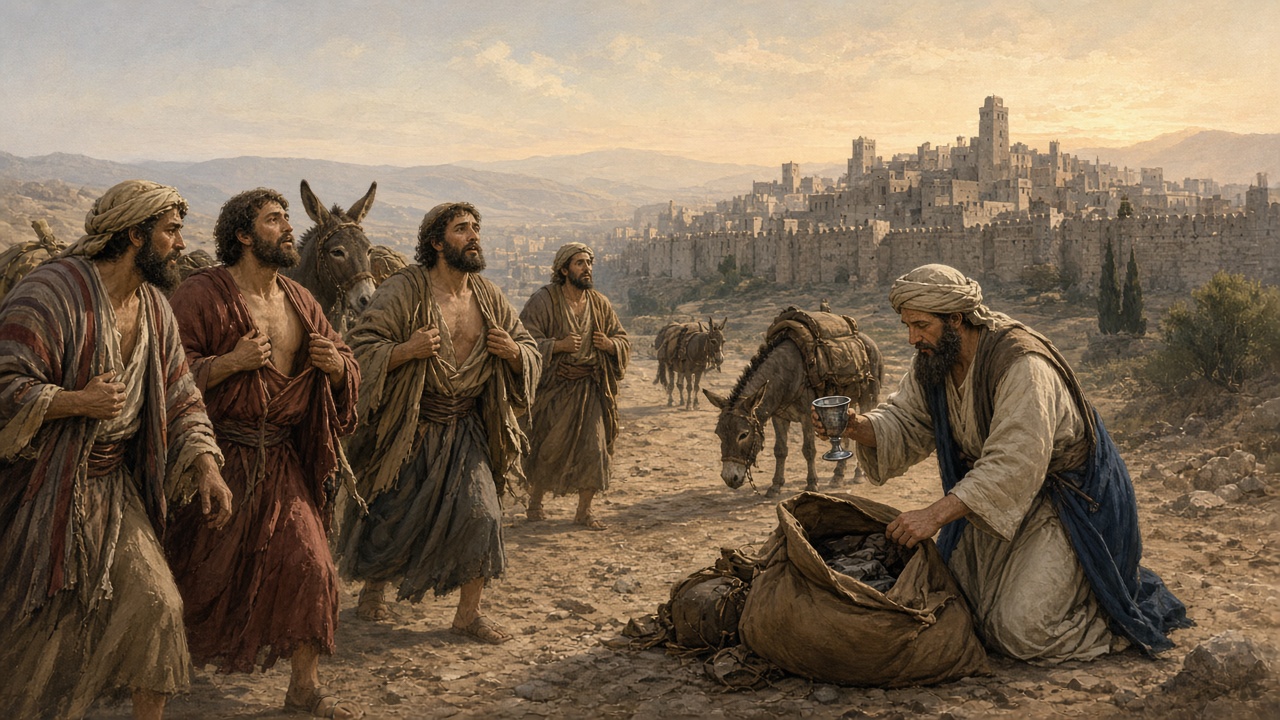
- On Joseph's orders, the steward hid Joseph's silver cup—the cup he drank from and used for divination—in Benjamin's sack, along with the silver paid for the grain. When it was found, the brothers tore their clothes and returned to the city. Joseph then asked whether they did not know that a man like him could divine the truth, although the narrative shows that he had arranged for the cup to be found.Sources: the Bible text itself
Notes written with AI assistance from open sources (Theographic Bible Metadata, CC BY-SA 4.0; Easton’s Bible Dictionary, public domain) and reviewed before publishing.
Places in this chapter
- Canaan · 32.767, 35.333 · verse 8
Only places identified with high confidence are shown (90% or more according to the scholarly sources compiled by OpenBible). Period map: DARE (Digital Atlas of the Roman Empire), CC BY 4.0; modern map: © OpenStreetMap contributors; places: OpenBible.info (CC BY 4.0).
Credits and license for this translation
Uyojroner e Dios xeꞌ Tzꞌijbꞌabꞌir Tama e Onian Tiempo
The New Testament and Genesis, Ruth, Esther, and Jonah in the Chorti language of Guatemala
El Nuevo Testamento, Génesis, Rut, Ester y Jonás en Chortí, Guatemala
copyright © 1996, 2012, 2013, 2023 Wycliffe Bible Translators, Inc. and Evangel Bible Translators, International
Language: Chortí (Chorti)
Translation by: Evangel Bible Translators, International and Wycliffe Bible Translators
New Testament © 1996, 2012 Wycliffe Bible Translators, Inc.;
Old Testament © 2012, 2013, 2023 Evangel Bible Translators, International
This translation is made available to you under the terms of the
Creative Commons Attribution-Noncommercial-No Derivatives license 4.0.
You may share and redistribute this Bible translation or extracts from it in any format, provided that:
You include the above copyright and source information.
You do not sell this work for a profit.
You do not change any of the words or punctuation of the Scriptures.
Pictures included with Scriptures and other documents on this site are licensed just for use with those Scriptures and documents.
For other uses, please contact the respective copyright owners.
2023-08-23
Source: http://ebible.org/caa/ · eBible.org