Genesis 4
Uyojroner e Dios xeꞌ Tzꞌijbꞌabꞌir Tama e Onian Tiempo · Tap a verse to see its cross-references.
Conda cuxpa e bꞌajxan maxtac tuaꞌ e Adán y e Eva
1Pues entonces e Adán ixin uchꞌami ubꞌobꞌ taca uwixcar xeꞌ jax e Eva. Y jaxir quetpa wawan y cuxpa uyaxar sitz y uturbꞌa ucꞌabꞌa Caín y che: “Inchꞌami niwar era taca utacarsiaj Niwinquirar Dios”, che e Eva. 2Y nacpat era cuxpa otronteꞌ uyar xeꞌ jax uwijtzꞌin e Caín y uturbꞌa ucꞌabꞌa Abel. Y conda e Abel cꞌapa chꞌi cay utꞌoxi cora oveja, y e Caín cay patna tama e rum.
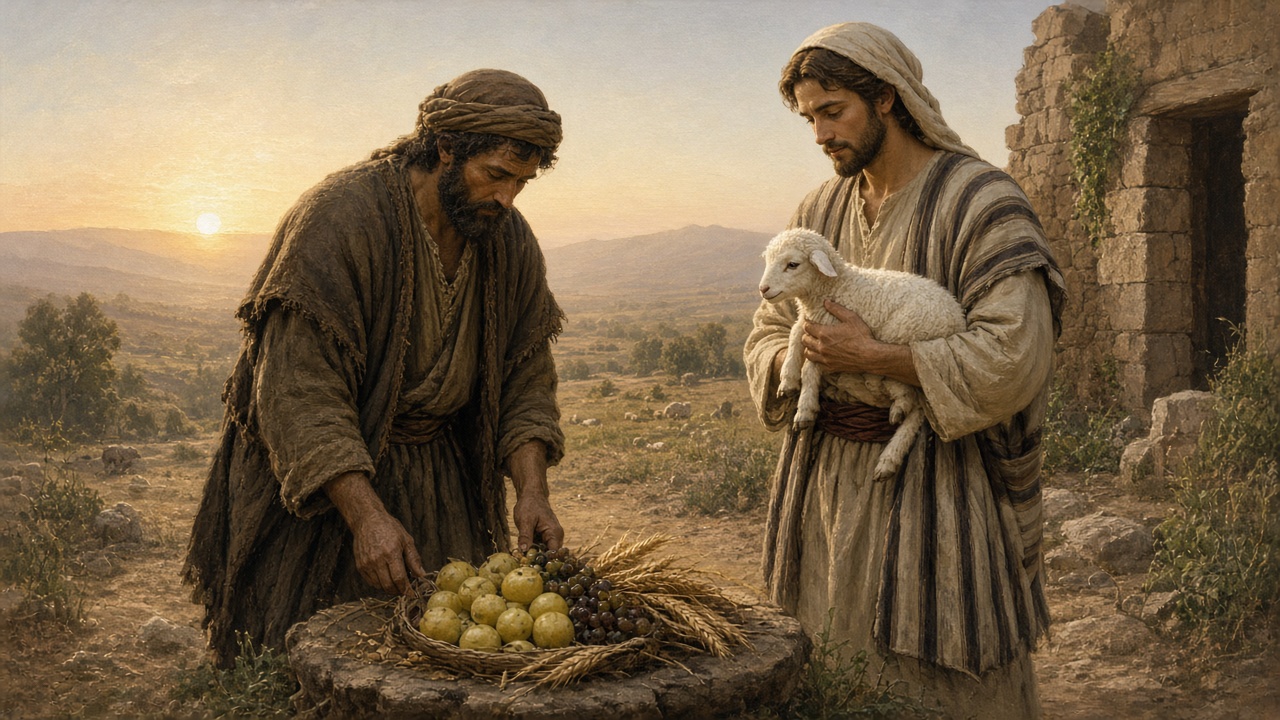
3Pues e Caín cay pacma y conda turix e cosecha cay ubꞌijnu tuaꞌ utares inteꞌ ofrenda tama e cosecha era tuaꞌ uyajcꞌu Cawinquirar Dios. 4Y e Abel ubꞌijnu ubꞌan tuaꞌ utares inteꞌ ofrenda, y utares cora unorir oveja y uchamse y uturbꞌa e wer xeꞌ más incꞌun tujor inteꞌ altar y uputa tut e Dios. Y Cawinquirar Dios uyare e Abel que atzay uwira ut jaxir y uyofrenda, 5pero Cawinquirar Dios uyare e Caín que machi atzay uwira ut jaxir y nien uyofrenda machi atzay uwira. Y wacchetaca qꞌuijna meyra e Caín este que quetpa calapir uyeroj. 6Entonces Cawinquirar Dios uyare e Caín y che: “¿Tucꞌa tuaꞌ que war iqꞌuijna meyra cocha era este que war aquetpa calapir aweroj? 7Pues quisinic ache lo que imbꞌutz, nen inchꞌamiet ani. Pero cocha war abꞌijnu ache lo que mabꞌambꞌan y machi war abꞌijnu ache lo que imbꞌutz, e mabꞌambꞌanir war aquetpa bꞌan ani cocha inteꞌ ajcꞌopot animal xeꞌ war ucojco tuaꞌ uchuquiet. Pero net ucꞌani tuaꞌ acojco abꞌa tuaꞌ machi ache e mabꞌambꞌanir y tuaꞌ ache lo que imbꞌutz”, che Cawinquirar Dios. Conda e Abel cay utꞌoxi cora oveja. (Génesis 4:7)|alt="Sheep with shepherd" src="bk00004c.tif" size="col" loc="Génesis 4:4-7" copy="Hrace Knowles" ref="GENESIS 4:7"
8Pues tama inteꞌ día e Caín uyare uwijtzꞌin xeꞌ jax e Abel y che: “Incoꞌ xanacon”, che e Caín. Y conda cꞌotoyobꞌ tama inteꞌ choquem lugar e Caín cay uwatzꞌi uwijtzꞌin este que uchamse. 9Entonces Cawinquirar Dios uchectes ubꞌa tut e Caín y cay uyubꞌi tuaꞌ y che:
—¿Tiaꞌ turu awijtzꞌin Abel? che Cawinquirar Dios. Y sutpa ojron e Caín y che:
—Nen machi innata. ¿O nen ca ajcojquen tuaꞌ niwijtzꞌin? che e Caín.
10Y Cawinquirar Dios sutpa ojron otronyajr y che:
—¿Tucꞌa tuaꞌ achamse awijtzꞌin? Pues uchꞌichꞌer awijtzꞌin xeꞌ tzꞌuna umen e rum war ucꞌajti tacaren tuaꞌ inwebꞌta watar e jatzꞌuar tajor. 11Y tamar era net ucꞌani tuaꞌ iquetpa yebꞌar inteꞌ bꞌax, y ucꞌani tuaꞌ iloqꞌuesna tama e rum xeꞌ utzꞌuꞌ uchꞌichꞌer awijtzꞌin. 12Y motor que net isutpa ipatna tama e rum, pero machi ixto tuaꞌ uyajqꞌuet uyutirir apatnar. Y net ucꞌani tuaꞌ aꞌjpi inteꞌ xambꞌar tic taca tama tunor or e rum, y ma tiaꞌ tuaꞌ aquetpa ingojr oꞌtot tiaꞌ tuaꞌ uyubꞌiet ijiri tama tunor acuxtar, che Cawinquirar Dios.
13Entonces e Caín sutpa ojron taca Cawinquirar Dios y che:
—Intran taniut e nuxi jatzꞌuar lo que war ache acꞌaxi tama nijor. 14Pues war awajnesen tama e rum era tuaꞌ machi impatna más tamar, y aquetpa tuaꞌ taca inxana tama tunor or e rum, y machi ixto uyubꞌien tuaꞌ incꞌotoy toit net yaꞌ, y ma tiaꞌ uyubꞌi injiri. Y chic taca xeꞌ utajwien axin uturbꞌa ubꞌobꞌ tuaꞌ uchamsen, che e Caín.
15Pero ojron Cawinquirar Dios otronyajr y che:
—Pues jay ayan tin xeꞌ axin uchamset nen cꞌani inche utoyi uyeror siete veces, che Cawinquirar Dios.
Y entonces Cawinquirar Dios uturbꞌa inteꞌ chequerir tama ut ujor e Caín tuaꞌ anatanwa umen tin tin xeꞌ axin utajwi que machi tuaꞌ achamesna. 16Pues e Caín locꞌoy tama e lugar era tiaꞌ war oꞌjron taca Cawinquirar Dios, y ixin tuaꞌ aturuan tama e lugar Nod xeꞌ turu más bꞌatbꞌir que e Edén tiaꞌ atobꞌoy watar e qꞌuin.
Uchꞌajnarir e Caín
17Pues entonces e Caín ixin uchꞌami uwixcar xeꞌ cꞌotoy quetpa wawan tacar uyar, y uchꞌijrse uyaxar sitz y uturbꞌa ucꞌabꞌa Enoc. Pues e Caín ixin uche inteꞌ nuxi chinam y uturbꞌa ucꞌabꞌa bꞌan cocha ucꞌabꞌa uyunen xeꞌ jax e Enoc. 18Pues e Enoc cꞌotoy quetpa tatabꞌir tuaꞌ e Irad, y e Irad cꞌotoy quetpa tatabꞌir tuaꞌ e Mehujael, y e Mehujael cꞌotoy quetpa tatabꞌir tuaꞌ e Metusael, y e Metusael cꞌotoy quetpa tatabꞌir tuaꞌ e Lámec. 19Pues e Lámec ayan chateꞌ uwixcar, inteꞌ ucꞌabꞌa Ada y otronteꞌ ucꞌabꞌa Silá. 20Pues e Ada uchꞌijrse e Jabal xeꞌ cꞌotoy quetpa bꞌajxan tuaꞌ aturuan tama inteꞌ otot xeꞌ chembꞌir taca e bꞌujc y xeꞌ utꞌoxi meyra sian wacax. 21Pues e Jabal ayan inteꞌ uwijtzꞌin xeꞌ ucꞌabꞌa Jubal xeꞌ cꞌotoy quetpa bꞌajxan tuaꞌ alajbꞌa tama e arpa y tama e flauta. 22Y e Silá uchꞌijrse inteꞌ uyar xeꞌ ucꞌabꞌa Tubal-caín xeꞌ cꞌotoy quetpa e bꞌajxan ajcheyaj taqꞌuin y cay uche meyra cosa tama e bronce y tama e taqꞌuin. Y de allí e Silá chꞌijrtesian otronyajr y uchꞌijrse inteꞌ ijchꞌoc xeꞌ ucꞌabꞌa Naamá xeꞌ jax uwijtan e Tubal-caín.
23Pues tama inteꞌ día e Lámec cay ojron taca uwixcarobꞌ xeꞌ jax e Ada y e Silá y che:
“Ubꞌinic niwojroner lo que cꞌani inwareox era,
ixien inchamse inteꞌ winic umen que cay uyopruen.
Pues jax taca inteꞌ chꞌom sitz xeꞌ cay uyajqꞌuen cora, pero nen inchamse.
24Pues jay tin e axin ani uchamse e Caín aquetpa tuaꞌ atojya uyeror siete veces umen e Dios,
entonces jay ayan tin e axin uchamsen nen
ucꞌani ani tuaꞌ atojya uyeror setenta y siete veces umener”, che e Lámec.
Conda cuxpa e uxteꞌ sitz tuaꞌ e Adán y e Eva
25Pues entonces e Adán sutpa uchꞌami ubꞌa taca uwixcar otronyajr y jaxir qꞌuechuan otronteꞌ uyar y uturbꞌa ucꞌabꞌa Set. Pues ojron e Eva jax taca y che: “E Dios ixin uyajqꞌuen otronteꞌ niwar tuaꞌ aquetpa tama ulugar e Abel xeꞌ chamesna umen e Caín”, che e Eva.
26Pues e Set cꞌotoy uchꞌijrse inteꞌ uyunen ubꞌan y uturbꞌa ucꞌabꞌa Enós. Pues jax tama e tiempo era conda e winicobꞌ cay upejcobꞌ ucꞌabꞌa Cawinquirar Dios.
Did you know?
Cain, Abel, and Life East of Eden
- Abel’s Hebrew name means “breath” or “vanity.” He kept sheep, while his brother Cain tilled the soil: Abel brought the best portions of the firstborn of his flock, and Cain brought fruit of the ground. Easton's Bible Dictionary (1897) reads the phrase “in process of time” (margin, “at the end of days”) as probably referring to the Sabbath.Sources: Abel · Cain · the Bible text itself
- After Abel’s death, Cain settled in the land of Nod, east of Eden, a name meaning exile, wandering, or unrest. There he built a city and named it after his son Enoch. Easton's Bible Dictionary notes that this is the first city mentioned in Scripture.Sources: Nod · Enoch (son of Cain) · the Bible text itself
- Lamech, fifth in descent from Cain, married two women, Adah and Zillah. Easton's Bible Dictionary calls his address to them the only extant example of antediluvian poetry, sometimes known as “Lamech’s sword-song.” Their children are tied to early ways of life: Jabal with tents and livestock, Jubal with the harp and flute, and Tubal-cain with forging bronze and iron.Sources: Lamech (descendant of Cain) · Adah (wife of Lamech) · Zillah · the Bible text itself
Notes written with AI assistance from open sources (Theographic Bible Metadata, CC BY-SA 4.0; Easton’s Bible Dictionary, public domain) and reviewed before publishing.
Credits and license for this translation
Uyojroner e Dios xeꞌ Tzꞌijbꞌabꞌir Tama e Onian Tiempo
The New Testament and Genesis, Ruth, Esther, and Jonah in the Chorti language of Guatemala
El Nuevo Testamento, Génesis, Rut, Ester y Jonás en Chortí, Guatemala
copyright © 1996, 2012, 2013, 2023 Wycliffe Bible Translators, Inc. and Evangel Bible Translators, International
Language: Chortí (Chorti)
Translation by: Evangel Bible Translators, International and Wycliffe Bible Translators
New Testament © 1996, 2012 Wycliffe Bible Translators, Inc.;
Old Testament © 2012, 2013, 2023 Evangel Bible Translators, International
This translation is made available to you under the terms of the
Creative Commons Attribution-Noncommercial-No Derivatives license 4.0.
You may share and redistribute this Bible translation or extracts from it in any format, provided that:
You include the above copyright and source information.
You do not sell this work for a profit.
You do not change any of the words or punctuation of the Scriptures.
Pictures included with Scriptures and other documents on this site are licensed just for use with those Scriptures and documents.
For other uses, please contact the respective copyright owners.
2023-08-23
Source: http://ebible.org/caa/ · eBible.org