Genesis 37
Uyojroner e Dios xeꞌ Tzꞌijbꞌabꞌir Tama e Onian Tiempo · Tap a verse to see its cross-references.
E José taca usacunobꞌ
1Pues entonces e Jacob sutpa ixin tuaꞌ aturuan tama e lugar Canaán tiaꞌ cay turuan utata tama inteꞌ tiempo. 2Y jax era e checsuyaj tama ufamilia e Jacob.
Pues e José jax inteꞌ chꞌom sitz xeꞌ war ucojco diecisiete año xeꞌ jax inteꞌ ajcojc oveja y e chivo taca usacunobꞌ tama uchatuobꞌ xeꞌ jax umaxtacobꞌ e Bilhá y umaxtacobꞌ e Zilpa xeꞌ jax uwixcarobꞌ utata. Y e José cꞌotoy qꞌuecran taca utata tamar e mabꞌambꞌanir lo que war uchiobꞌ usacunobꞌ.
3Pues e Jacob war atzay uwira ut e José más meyra que tunor e inmojr umaxtacobꞌ, cocha e José cuxpa conda jaxir onian winic. Y tamar era uche inteꞌ ubꞌujc e José xeꞌ galan uwirnar y xeꞌ meyra atujri. 4Pero conda usacunobꞌ cꞌotoy unatobꞌ que utata war uyajta ut e José más que jaxirobꞌ, cꞌotoy uxejbꞌiobꞌ ut e José inyajrer este que nien machi cꞌani upejcobꞌ.
5Pues tama inteꞌ acbꞌar e José cꞌotoy uwira inteꞌ uwayac, y conda sacojpa ixin tuaꞌ uchecsu tunor era tut usacunobꞌ. Pero conda cꞌapa uyubꞌiobꞌ tunor era jaxirobꞌ uxejbꞌiobꞌ ut más meyra 6cocha jaxir uyare y che:
—Ubꞌinic, cꞌani inwareox e wayac lo que inwira. 7Inwira que tunoron turon tama inteꞌ chor war cacachi e trigo tuaꞌ aquetpa utzajqꞌuir, y wacchetaca e tzajqꞌuir tanibꞌa wawan tama uyuxinar tibꞌa y tunor e tzajqꞌuir tibꞌa cay cotuanobꞌ tut e tanibꞌa, che e José.
8Pero usacunobꞌ sutpa ojronobꞌ taca e José y chenobꞌ:
—¿War ca aware que net tuaꞌ icꞌotori ticajor, y que net tuaꞌ achion camanxujres cabꞌa toit? che usacunobꞌ. Y cay uxejbꞌiobꞌ ut más e José tamar uwayac lo que cay uchecsu tutobꞌ.
9Pues nacpat era e José uwira otronteꞌ uwayac xeꞌ ixin uchecsu tut usacunobꞌ. Y che:
—Pues inwira otronteꞌ niwayac tiaꞌ inwira que e qꞌuin y e luna y once lucero war acotuanobꞌ taniut, che e José.
10Y de allí e José ixin uchecsu e wayac era tut utata. Pero utata cay ucꞌaye y che:
—¿Tucꞌa cꞌani aware taca e wayac era xeꞌ awira? ¿War ca abꞌijnu que atuꞌ y nen taca tunor awermanobꞌ ucꞌani tuaꞌ cacotuan toit? che utata e José. 11Y tamar era cay cꞌuxnaqꞌui meyra usacunobꞌ upater e José. Pero utata utꞌabꞌse tunor era tama uyalma y ubꞌijnu tamar iraj iraj.
Conda chojna e José umen usacunobꞌ
12Entonces tama inteꞌ día usacunobꞌ e José ixiobꞌ esto tama inteꞌ lugar xeꞌ ucꞌabꞌa Siquem tiaꞌ ayan meyra ac tuaꞌ ucꞌuxiobꞌ e sian oveja y e sian chivo tuaꞌ utata. 13Entonces conda numuy cora tiempo e Jacob uyare e José y che:
—Pues ayix cora día desde que ixiobꞌ asacunobꞌ esto tama e lugar Siquem tuaꞌ ucojcobꞌ e sian aracꞌobꞌ. Quisinic iꞌxin tuaꞌ awira cocha turobꞌ, che e Jacob. Y ojron e José y che:
—Bueno, che e José.
14Y che e Jacob:
—Chꞌujcun awira cocha turobꞌ asacunobꞌ y e sian oveja, y sutpen wacchetaca tuaꞌ achecsu taniut jay imbꞌutz turobꞌ, che e Jacob.
Y tamar era e Jacob uyare e José tuaꞌ alocꞌoy tama e lugar tiaꞌ turobꞌ tama e chinam Hebrón tuaꞌ axin esto tama e lugar Siquem, y conda e José cꞌotoy tama e lugar era, 15usati e bꞌir. Y entonces e José tajwina umen inteꞌ winic xeꞌ ubꞌna tuaꞌ y che:
—¿Tucꞌa war ixana asajca? che e winic.
16Entonces ojron e José y che:
—War inxana insajca nisacunobꞌ. ¿Erer ca awaren tiaꞌ war ucojcobꞌ e sian aracꞌobꞌ? che e José.
17Y e winic che:
—Yopobꞌ tara, pero de allí locꞌoy ixiobꞌ otronyajr. Pero umbꞌi oꞌjronobꞌ que cꞌani axiobꞌ esto tama e lugar Dotán, che e winic.
Entonces e José ixin esto tama e lugar Dotán tuaꞌ usajca usacunobꞌ y yaꞌ yajaꞌ utajwiobꞌ.
18Pero usacunobꞌ e José cꞌotoy uwirobꞌ que jax e José conda innajtto turu, y conda merato acꞌotoy cay ubꞌijnuobꞌ tuaꞌ uchamsiobꞌ. 19Y cay uyare ubꞌobꞌ jaxobꞌ taca y che inteꞌ:
—Iranic, yajaꞌ watar e ajwayac, che inteꞌ. 20Y sutpa ojron otronteꞌ y che:
—Laric, incuic cachamsic, y nacpat era erer cayari tama inteꞌ pambꞌir chꞌen y erer caware que cꞌujxa umen inteꞌ nuxi animal, che inteꞌ. Y de allí sutpa ojron otronteꞌ y che:
—Entonces caxin cawira tucꞌa tuaꞌ anumuy taca tunor uwayac, che otronteꞌ tujam usacunobꞌ e José.
21Pero conda e Rubén cꞌotoy unata lo que war ubꞌijnuobꞌ uchiobꞌ e inmojr era, cay usicbꞌa cocha tuaꞌ ucorpes e José y che:
—Ma ani jax bueno tuaꞌ cachamse cawijtzꞌin. 22Machi tuaꞌ cawechꞌe uchꞌichꞌer e sitz. Mejor cayaric tama inteꞌ nuxi chꞌen xeꞌ intam tara tama e choquem lugar, pero machix tuaꞌ cayobꞌi e sitz, che e Rubén.
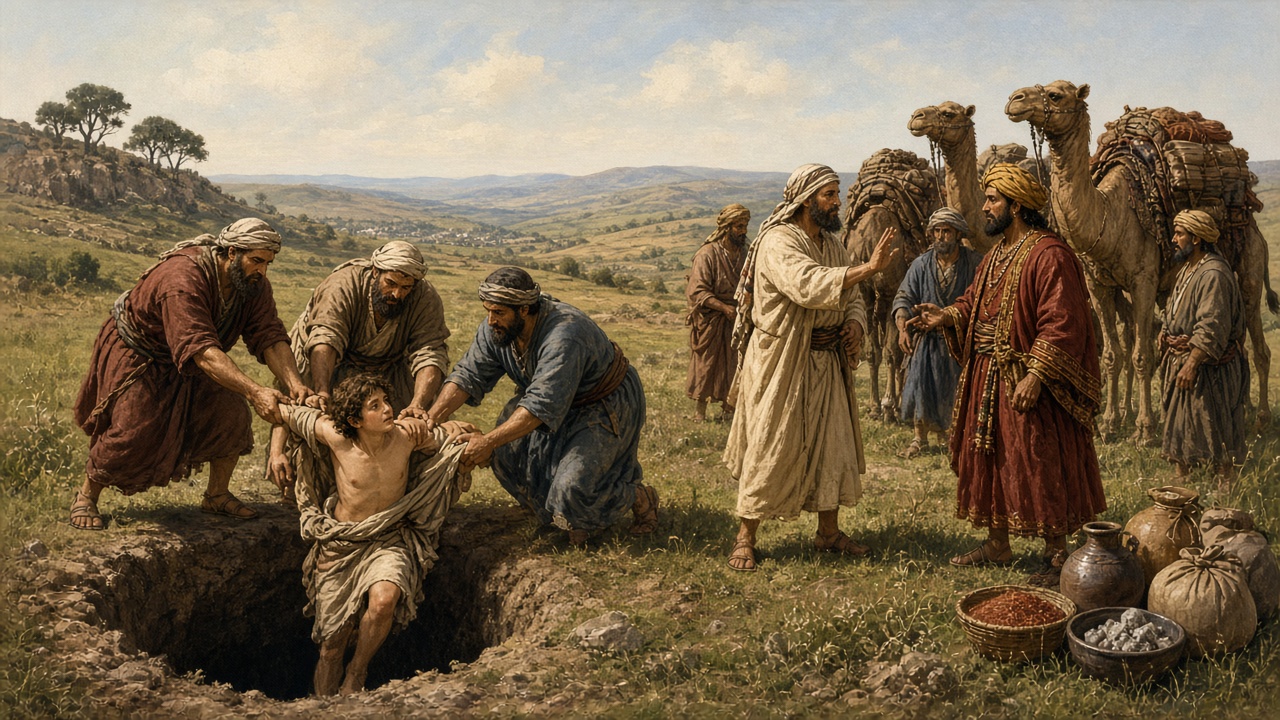
Bꞌan ojron e Rubén umen que war ubꞌijnu tuaꞌ ani ucorpes e José y tuaꞌ uqꞌueche axin tut utata otronyajr conda machi turobꞌ e inmojr era. 23Entonces conda e José cꞌotoy tiaꞌ turobꞌ usacunobꞌ, jaxirobꞌ ulocsiobꞌ ubꞌujc xeꞌ galan uwirnar lo que lapar umener, 24y uchuquiobꞌ y uyariobꞌ tama inteꞌ nuxi chꞌen xeꞌ intam xeꞌ matucꞌa e jaꞌ tamar. “Mejor cayaric tama inteꞌ nuxi chꞌen xeꞌ intam tara tama e choquem lugar, pero machix tuaꞌ cayobꞌi e sitz, che e Rubén.” (Génesis 37:24)|alt="Joseph thrown into the pit by his brothers" src="CO00705B.TIF" size="span" loc="Génesis 37:12-25" copy="David C. Cook" ref="GENESIS 37:24"
25Entonces nacpat era conda turuanobꞌ tuaꞌ awiobꞌ uwirobꞌ que war anumuy cora ajchonmarobꞌ xeꞌ chꞌajnarirobꞌ tuaꞌ e Ismael xeꞌ war watobꞌ tama e lugar Galaad y xeꞌ war uqꞌuechiobꞌ axin meyra cosa tama ucamellobꞌ, bꞌan cocha e perfume xeꞌ galan ojtzꞌun, y e bálsamo y e mirra que erer acꞌampesna bꞌan cocha e ujtzꞌubꞌ. Y war uqꞌuechiobꞌ axin tunor era esto tama e lugar Egipto tuaꞌ uchoniobꞌ.
26Entonces ojron e Judá taca upiarobꞌ y che:
—¿Tucꞌa tuaꞌ cachꞌami jay cachamse cawijtzꞌin y de allí aquetpato tuaꞌ cabꞌijnu cocha tuaꞌ camuqui uchamer? 27Más ani bueno tuaꞌ cachoni e sitz taca e ajchonmarobꞌ era y machi cachamse, porque nacpat tunor era jaxir jax cawijtzꞌin, che e Judá.
Entonces e inmojr era chenobꞌ que bueno. 28Y conda e ajchonmarobꞌ xeꞌ tuaꞌ e lugar Midian numuyobꞌ tiaꞌ turobꞌ, ixin usacunobꞌ e José tuaꞌ ulocsiobꞌ tiaꞌ turu macuir e nuxi chꞌen y uchoniobꞌ taca e ajchonmarobꞌ era tama veinte ut tumin xeꞌ chembꞌir tama e plata. Y bꞌan cocha era e ajchonmarobꞌ uqꞌuechiobꞌ ixin e José esto tama e lugar Egipto.
29Pero conda e Rubén sutpa yopa esto tama e nuxi chꞌen y uwira que machi turu e José macuir, uwejru ubꞌujc cocha inteꞌ chequerir que war acꞌuxun uyalma. 30Y wacchetaca sutpa ixin esto tiaꞌ turobꞌ upiarobꞌ, y uyare y che:
—E sitz machix turu. ¿Tucꞌa tuaꞌ cache coner? che e Rubén.
31Entonces cay ubꞌijnuobꞌ inteꞌ intiobꞌ que mabꞌambꞌan tunor lo que cay uchiobꞌ y que ma cocha erer uchecsuobꞌ tunor era tut utatobꞌ. Y tamar era cay ubꞌijnuobꞌ tuaꞌ umajresobꞌ utatobꞌ tamar lo que uchiobꞌ taca e José. Entonces uchꞌamiobꞌ ubꞌujc e José y ubꞌoniobꞌ taca uchꞌichꞌer incojt chuchuꞌ chivo xeꞌ uchamsiobꞌ. 32Y entonces uqꞌuechiobꞌ ixin e bꞌujc era tut utatobꞌ y chenobꞌ: “Catajwi e bꞌujc era. Chꞌujcun awira jay jax ubꞌujc oynen”, che e inmojr unembꞌirobꞌ era.
33Pero conda e Jacob uwira e bꞌujc cay aru y che: “Bꞌan. Jax ubꞌujc nisitz. Cꞌujxa umen inteꞌ nuxi animal”, che e Jacob. 34Entonces e Jacob uwejru ubꞌujc y ubꞌujcse ubꞌa taca inteꞌ bꞌujc xeꞌ chembꞌir taca e succhij, y tama meyra día cay aru tama uchamer usitz.
35Y tunor uyunenobꞌ y tunor uwijchꞌoctac cay uturbꞌobꞌ ubꞌobꞌ tuaꞌ ucꞌuniobꞌ, pero jaxir machi ucꞌani tuaꞌ acꞌujna, y machi uchꞌami e jiriar tama uyalma, y aru tama uyunen y che: “Cꞌani inlapi nibꞌujc xeꞌ chembꞌir taca e succhij tama uchamer nisitz, esto que inxin inmorojse nibꞌa tacar jaxir tujam e chamenobꞌ”, che e Jacob.
36Pues entonces qꞌuejcha ixin e José esto tama e lugar Egipto, y e ajchonmarobꞌ xeꞌ tuaꞌ e lugar Midian uchoniobꞌ taca inteꞌ winic xeꞌ ucꞌabꞌa Potifar xeꞌ jax inteꞌ ajcꞌampar tuaꞌ e rey y xeꞌ jax e capitán tuaꞌ e policia xeꞌ aquetpobꞌ tuaꞌ ucojcobꞌ e rey tuaꞌ e lugar Egipto.
Did you know?
Joseph Sold by His Brothers
- Israel loved Joseph more than his other sons because he was the child of his old age, and he made him a robe of many colors. Easton's Bible Dictionary (1897) reads the Hebrew of Genesis 37:3 as a long, full garment with sleeves, the kind worn by the children of nobles. When the brothers saw that favor, they hated him and could not speak a kind word to him.Sources: Joseph (son of Jacob) · the Bible text itself
- Jacob sent seventeen-year-old Joseph from the Valley of Hebron to see how his brothers and the flocks were faring; they had pastured near Shechem and then gone on to Dothan. Easton's Bible Dictionary (1897) calls Dothan a famous pasture ground with two wells, identified with modern Tell-Dothan about twelve miles north of Samaria among the hills of Gilboa, and says it is mentioned on monuments in 1600 BC. There the brothers saw a caravan of Ishmaelites coming from Gilead, their camels carrying spices, balm, and myrrh on the way down to Egypt.Sources: Dothan · Gilead · the Bible text itself
- Reuben, Jacob's eldest son by Leah, tried to save Joseph from death and planned to return him to their father. Judah then persuaded the brothers to sell Joseph to the Ishmaelites rather than shed his blood. In Egypt the Midianites sold him to Potiphar, an officer of Pharaoh and captain of the guard; Easton's Bible Dictionary (1897) explains that name as 'dedicated to Ra,' the sun-god, and takes the title to mean, probably, chief of the state police, with a margin reading 'chief of the executioners.'Sources: Reuben · Judah (patriarch) · Potiphar · the Bible text itself
Notes written with AI assistance from open sources (Theographic Bible Metadata, CC BY-SA 4.0; Easton’s Bible Dictionary, public domain) and reviewed before publishing.
Places in this chapter
- Canaan · 32.767, 35.333 · verse 1
- Shechem · Today: Tell Balatah · 32.214, 35.282 · verses 12, 13, 14
- Valley of Hebron · 31.525, 35.102 · verse 14
- Egypt · 30.129, 31.308 · verses 25, 28, 36
- Gilead · Today: Gilead 1 · 32.187, 35.692 · verse 25
Only places identified with high confidence are shown (90% or more according to the scholarly sources compiled by OpenBible). Period map: DARE (Digital Atlas of the Roman Empire), CC BY 4.0; modern map: © OpenStreetMap contributors; places: OpenBible.info (CC BY 4.0).
Credits and license for this translation
Uyojroner e Dios xeꞌ Tzꞌijbꞌabꞌir Tama e Onian Tiempo
The New Testament and Genesis, Ruth, Esther, and Jonah in the Chorti language of Guatemala
El Nuevo Testamento, Génesis, Rut, Ester y Jonás en Chortí, Guatemala
copyright © 1996, 2012, 2013, 2023 Wycliffe Bible Translators, Inc. and Evangel Bible Translators, International
Language: Chortí (Chorti)
Translation by: Evangel Bible Translators, International and Wycliffe Bible Translators
New Testament © 1996, 2012 Wycliffe Bible Translators, Inc.;
Old Testament © 2012, 2013, 2023 Evangel Bible Translators, International
This translation is made available to you under the terms of the
Creative Commons Attribution-Noncommercial-No Derivatives license 4.0.
You may share and redistribute this Bible translation or extracts from it in any format, provided that:
You include the above copyright and source information.
You do not sell this work for a profit.
You do not change any of the words or punctuation of the Scriptures.
Pictures included with Scriptures and other documents on this site are licensed just for use with those Scriptures and documents.
For other uses, please contact the respective copyright owners.
2023-08-23
Source: http://ebible.org/caa/ · eBible.org