Genesis 32
Uyojroner e Dios xeꞌ Tzꞌijbꞌabꞌir Tama e Onian Tiempo · Tap a verse to see its cross-references.
Conda e Jacob utajwi ubꞌa taca e Esaú
1Pues entonces locꞌoy e Jacob taca ufamilia tuaꞌ asutpa axin esto tama ulugar, y conda war axin tor e bꞌir tajwina umen cora angelobꞌ tuaꞌ e Dios. 2Y conda uwira e angelobꞌ ojron e Jacob y che: “Jax era e lugar tiaꞌ usoldadobꞌ e Dios umorojse ubꞌobꞌ tuaꞌ aquetpobꞌ tama e acbꞌar”, che e Jacob. Y tamar era uturbꞌa ucꞌabꞌa e lugar Mahanaim xeꞌ war che “Chateꞌ lugar tiaꞌ aquetpobꞌ tama inteꞌ acbꞌar”.
3Y de allí e Jacob uyebꞌta ixin cora umanobꞌ tut usacun xeꞌ jax e Esaú xeꞌ turu tama e lugar Seír xeꞌ jax e lugar tuaꞌ tin e tuobꞌ uchꞌajnarir e Edom tuaꞌ uyare e Esaú que cꞌani acꞌotoy e Jacob. 4Y e Jacob uyare umanobꞌ tuaꞌ uchecsu inteꞌ ojroner tut e Esaú y che: “Cꞌani cawaret que ebꞌtana tarion umen aman xeꞌ jax awijtzꞌin Jacob tuaꞌ cawaret que jaxir quetpa turuan tama uyotot e Labán tunor e tiempo desde que locꞌoy tara. 5Y uyebꞌta tarion tuaꞌ cawaret que jaxir ayan meyra uwacax, y meyra uchij, y meyra uyoveja, y que ayan meyra umanobꞌ xeꞌ winicobꞌ y meyra umanobꞌ xeꞌ ixictac. Pues war uyebꞌta watar e checsuyaj era toit tuaꞌ uwira jay iꞌxin itzay ani achꞌami”, xeꞌ quetpa tuaꞌ achecsuna umen umanobꞌ e Jacob tut e Esaú.
6Entonces conda umanobꞌ e Jacob cꞌapa uchecsu tunor e ojroner era tut e Esaú sutpa cꞌotoyobꞌ tut jaxir otronyajr, y uyareobꞌ cocha era y chenobꞌ:
—Ixion cachecsu tut asacun Esaú bꞌan taca cocha awareon, y jaxir war watar esto tara tuaꞌ utajwi ubꞌa tacaret, y war watobꞌ 400 winicobꞌ tacar ubꞌan, che umanobꞌ e Jacob.
7Entonces conda e Jacob uyubꞌi tunor era cay bꞌacta y cay ubꞌijnu meyra. Y tamar era cay uxere tunor e winicobꞌ y e ixictac xeꞌ turobꞌ tacar tama chateꞌ grupo. Y cay uxere ubꞌan tunor e oveja y tunor e wacax y tunor e camello tuaꞌ aquetpa chateꞌ grupo. 8Pues jaxir war ubꞌijnu cocha era y che: “Jay e Esaú war aqꞌuijna conda utajwi ubꞌa taca inteꞌ grupo este que axin uche e tzꞌojyir tacarobꞌ, entonces intex grupo ererto alocꞌoy ajniobꞌ tut”, xeꞌ ubꞌijnu e Jacob. 9Entonces e Jacob cay ucꞌajti taca e Dios y che: “Niwinquiraret Dios xeꞌ ujtzna oit umen nitata viejo Abraham y umen nitata Isaac, pues jax net xeꞌ awaren que ucꞌani tuaꞌ insutpa waten otronyajr esto tama nilugar xeꞌ jax e lugar tiaꞌ turobꞌ tunor nifamilia. Y jax net xeꞌ cay awaren que cꞌani atacren tuaꞌ alocꞌoy imbꞌutz tunor tama nicuxtar. 10Ma tawaren tuaꞌ inchꞌami tunor e tacarsiaj y e cꞌunersiaj lo que cay awajqꞌuen era. Pues conda numuyen ixien tama e xucur Jordán tuaꞌ inxin esto tama e lugar Padán-aram matucꞌa ayan tacaren, sino que jax taca inteꞌ bordón xeꞌ qꞌuecher nimener. Pero coner ayan meyra lo que ayan tanibꞌa este que ayan meyra gente y meyra aracꞌobꞌ este que axin aquetpobꞌ chateꞌ nuxi grupo. 11Cꞌani incꞌajti tacaret tuaꞌ acorpesen tama ucꞌabꞌ nisacun Esaú. Pues war imbꞌacta que jaxir axin watar uchamsen taca tunor e ixictac y e maxtacobꞌ. 12Pero net cay awaren que san tuaꞌ ache alocꞌoy imbꞌutz tunor tama nicuxtar, y que tunor nichꞌajnarir axin abꞌoro meyra este que axin aquetpa bꞌan cocha e jiꞌ lo que ayan tutiꞌ e nuxi jaꞌ este que mamajchi uyubꞌi utziqui”, che e Jacob uyare Cawinquirar Dios.
13Entonces e Jacob quetpa yajaꞌ taca tuaꞌ awayan. Y conda sacojpa cay usicbꞌa tucꞌa regalo erer uyajcꞌu usacun Esaú tamar lo que ayan tacar. 14Y cay usicbꞌa 200 utuꞌ chivo, y veinte utata chivo, y 200 utuꞌ oveja, veinte utata oveja. 15Y usicbꞌa treinta utuꞌ camello xeꞌ intocto cuxpa uyarobꞌ, cuarenta utuꞌ wacax y diez utata wacax y veinte utuꞌ chij y diez utata chij. 16Y de allí e Jacob uyare cora umanobꞌ tuaꞌ ucojcobꞌ inteꞌ grupo aracꞌobꞌ xeꞌ xerbꞌir umener, y uyare otro inmojr umanobꞌ tuaꞌ ucojcobꞌ intex grupo aracꞌobꞌ. Entonces uyare umanobꞌ xeꞌ war ucojcobꞌ inteꞌ grupo aracꞌobꞌ y che:
—Qꞌueche chic e aracꞌobꞌ xeꞌ war icojco bꞌajxan que e inmojr, y nen tuaꞌ waten tipat, che e Jacob. Y de allí uyare umanobꞌ xeꞌ war ucojcobꞌ intex grupo aracꞌobꞌ y che:
—Qꞌueche chic e aracꞌobꞌ xeꞌ war icojco, pero quetpenic innajt cora tut inteꞌ grupo aracꞌobꞌ xeꞌ war axiobꞌ bꞌajxan, che e Jacob.
17Entonces ojron e Jacob taca inteꞌ uman xeꞌ war axin bꞌajxan tut e inmojr y che:
—Pues conda atajwi abꞌa taca nisacun Esaú, y jaxir axin uyubꞌi tabꞌa que: ‘¿chi awinquir? Y ¿tiaꞌ war iꞌxin? Y ¿chi tuaꞌ e aracꞌobꞌ era xeꞌ war aqꞌuejcha axin amener?’ xeꞌ axin uyubꞌi e Esaú tabꞌa. 18Aren cocha era y che: ‘Niwinquiret Esaú, jax era inteꞌ regalo tabꞌa xeꞌ ebꞌtana tari umen e Jacob xeꞌ jax aman. Y jaxir war watar ticapat ubꞌan,’ bꞌan tuaꞌ aware, che e Jacob uyare uman.
19Y bꞌan uchecsu tut e inmojr manobꞌ xeꞌ war uqꞌueche axiobꞌ inteꞌ inteꞌ grupo aracꞌobꞌ xeꞌ warto watobꞌ tupat e bꞌajxan grupo aracꞌobꞌ era. Pues uyare cocha era y che:
—Pues conda itajwi ibꞌa taca e Esaú, arenic bꞌan taca cocha cay inware e bꞌajxan man 20y che: ‘Pues e Jacob xeꞌ jax aman war watar ticapat,’ bꞌan tuaꞌ iware e Esaú, che e Jacob tut umanobꞌ.
Pues e Jacob war ubꞌijnu cocha era y che: “Pues bꞌajcꞌat axin inchꞌancabꞌes uqꞌuijnar e Esaú taca tunor e sijpar lo que war inwebꞌta axin tut era. Y de allí conda inxin intajwi nibꞌa tacar bꞌajcꞌat axin atzay uwiren”, xeꞌ war ubꞌijnu e Jacob. 21Y bꞌan cocha era e Jacob uyebꞌta ixin tunor e sijpar lo que quetpa tuaꞌ ajcꞌuna e Esaú. Pero jaxir taca ufamilia quetpobꞌ yajaꞌ taca tuyejtzꞌer e xucur Jaboc tuaꞌ awayanobꞌ tama e acbꞌar era.
Conda e Jacob uche e tzꞌojyir taca inteꞌ Ángel
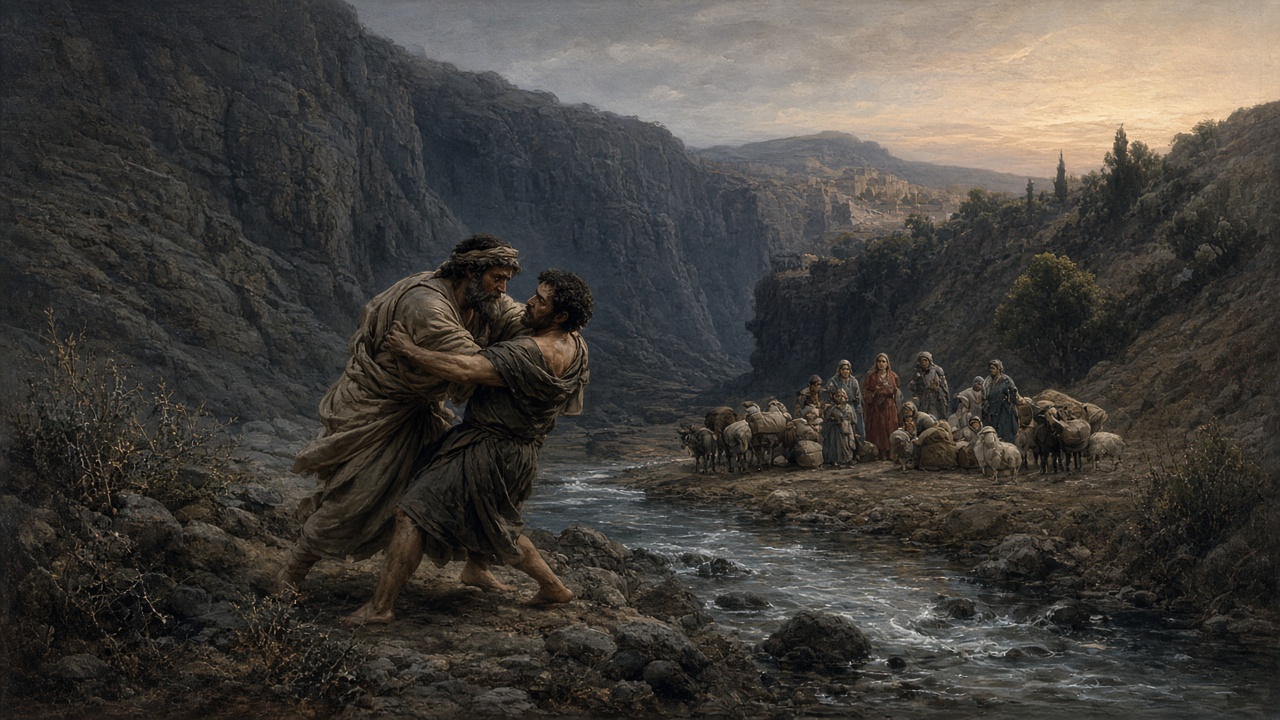
22Entonces tama uyuxin e acbꞌar achpa e Jacob y ubꞌixqꞌues e chateꞌ uwixcarobꞌ taca e chateꞌ umanobꞌ y e once uyunenobꞌ, y uyare tuaꞌ anumuyobꞌ teinxejr e xucur Jaboc era tiaꞌ majax intam e jaꞌ. 23Y uyare umanobꞌ tuaꞌ uqꞌuechiobꞌ axin tunor lo que ayan tuaꞌ ubꞌan. 24Pero e Jacob quetpa ubꞌajner yajaꞌ taca. Y tamarto e acbꞌar era checta inteꞌ winic tut y cay uchiobꞌ e fuerza tuaꞌ ucucru ubꞌobꞌ este que sacojpa. 25Y eixna uchiobꞌ e tzꞌojyir era y conda e winic uwira que aqꞌuecꞌo e Jacob y que machi obꞌna ucucru, entonces uyobꞌi e Jacob tama ut uyaꞌ y e bꞌac era jotzpa locꞌoy tor ubꞌaquer. 26Entonces e winic uyare e Jacob cocha era y che:
—Actanen inxin, porque warix asacojpa, che e winic. Y tama e momento era e Jacob cꞌotoy unata que jax e Dios xeꞌ war uche e tzꞌojyir tacar. Entonces ojron y che:
—Pues machi tuaꞌ inwactet iꞌxin este que achojbꞌesen, che e Jacob. 27Entonces ojron e winic y che:
—¿Tucꞌa acꞌabꞌa? che e winic. Y che e Jacob:
—Nicꞌabꞌa nen Jacob, che.
28Entonces ojron e winic y che:
—Machi ixto tuaꞌ ipejcna que Jacobet, sino que coner acꞌabꞌa tuaꞌ aquetpa Israel xeꞌ war che ‘Tin e uche ubꞌa tuaꞌ ucucru e Dios’, porque cꞌapa ache e tzꞌojyir taca e Dios y taca e winicobꞌ y jax net xeꞌ amanxujresobꞌ, che e winic uyare e Jacob. 29Entonces ojron e Jacob y che:
—Y net, ¿tucꞌa acꞌabꞌa? che e Jacob. Pero e winic sutpa ojron y che:
—¿Tucꞌa tar war oꞌybꞌi tucꞌa nicꞌabꞌa, cocha warix anata chien nen? che e winic.
Entonces e winic uchojbꞌes ut e Jacob yajaꞌ taca. 30Y e Jacob uturbꞌa ucꞌabꞌa e lugar era Penuel xeꞌ che “Ut e Dios”, y ojron cocha era y che: “Motor que cꞌapa inwira ut e Dios, pero bꞌixirento”, che e Jacob.
31Pues conda e Jacob achpa tuaꞌ alocꞌoy tama e lugar Penuel era, war atobꞌoy e qꞌuin. Pero cocha war acꞌuxun meyra or ubꞌaquer intaca acojxiꞌ axana. 32Y tamar era esto coner tin e tuobꞌ uchꞌajnarir e Israel machi ucꞌuxiobꞌ e chich lo que ayan tama ut uyaꞌ inteꞌ arac, cocha jax e chich era xeꞌ quetpa yobꞌorbꞌir tama e Jacob.
Did you know?
At the Jabbok, on the Way to Esau
- Mahanaim means “two camps.” Jacob gave that name to the place near the Jabbok, beyond the Jordan, when the angels of God met him and he said, “This is the camp of God.” There he also divided his people, flocks, herds, and camels into two camps, hoping one might escape if Esau attacked the other.Sources: Mahanaim · the Bible text itself
- The Jabbok, whose name is explained as “a pouring out, or a wrestling,” is a stream east of the Jordan. It joins the Jordan about midway between the Sea of Galilee and the Dead Sea, after a course of about 65 miles through a wild, deep ravine. At its ford Jacob sent his two wives, two maidservants, eleven sons, and all he owned across, then remained alone and wrestled with a man until daybreak.Sources: Jabbok · the Bible text itself
- Jacob sent messengers to Esau in the land of Seir, the country of Edom, calling him lord and himself a servant. Seir is a mountainous region along the east side of the Arabah, from the southeastern end of the Dead Sea toward Akabah, the eastern branch of the Red Sea; the Edomites occupied it, and it was allotted to Esau’s descendants. Esau, the firstborn twin and a hunter, had sold his birthright for red lentil stew and was also called Edom, “red,” while Jacob—whose name means “one who follows on another’s heels,” or “supplanter”—had conspired with his mother to deceive Isaac.Sources: the Bible text itself · Seir · Esau (Edom) · Jacob (Israel)
Notes written with AI assistance from open sources (Theographic Bible Metadata, CC BY-SA 4.0; Easton’s Bible Dictionary, public domain) and reviewed before publishing.
Places in this chapter
- Edom · 30.746, 35.604 · verse 3
- Jordan · Today: Jordan River · 31.761, 35.558 · verse 10
- Jabbok · Today: Zarqa River · 32.115, 35.543 · verse 22
Only places identified with high confidence are shown (90% or more according to the scholarly sources compiled by OpenBible). Period map: DARE (Digital Atlas of the Roman Empire), CC BY 4.0; modern map: © OpenStreetMap contributors; places: OpenBible.info (CC BY 4.0).
Credits and license for this translation
Uyojroner e Dios xeꞌ Tzꞌijbꞌabꞌir Tama e Onian Tiempo
The New Testament and Genesis, Ruth, Esther, and Jonah in the Chorti language of Guatemala
El Nuevo Testamento, Génesis, Rut, Ester y Jonás en Chortí, Guatemala
copyright © 1996, 2012, 2013, 2023 Wycliffe Bible Translators, Inc. and Evangel Bible Translators, International
Language: Chortí (Chorti)
Translation by: Evangel Bible Translators, International and Wycliffe Bible Translators
New Testament © 1996, 2012 Wycliffe Bible Translators, Inc.;
Old Testament © 2012, 2013, 2023 Evangel Bible Translators, International
This translation is made available to you under the terms of the
Creative Commons Attribution-Noncommercial-No Derivatives license 4.0.
You may share and redistribute this Bible translation or extracts from it in any format, provided that:
You include the above copyright and source information.
You do not sell this work for a profit.
You do not change any of the words or punctuation of the Scriptures.
Pictures included with Scriptures and other documents on this site are licensed just for use with those Scriptures and documents.
For other uses, please contact the respective copyright owners.
2023-08-23
Source: http://ebible.org/caa/ · eBible.org