Genesis 2
Uyojroner e Dios xeꞌ Tzꞌijbꞌabꞌir Tama e Onian Tiempo · Tap a verse to see its cross-references.
1Pues entonces bꞌan cocha era cꞌapa chempa tunor ut e qꞌuin y tunor or e rum y tunor lo que ayan tamar. 2Y nacpat era e Dios ubꞌijnu tuaꞌ ajiri tama e siete día cocha cꞌapa uche tunor lo que cay ubꞌijnu uche. 3Y de allí e Dios uchojbꞌes ut e siete día y uchecsu que jax inteꞌ día xeꞌ erach, porque jax tama e día era conda jiri tama tunor upatnar lo que cay ubꞌijnu uche tama ucajyesnibꞌir tunor era. 4Pues jax era e checsuyaj tamar cocha chena tunor ut e qꞌuin y tunor or e rum.
Conda turbꞌana e winic tujam e sian teꞌ xeꞌ ucꞌabꞌa Edén
Pues conda Cawinquirar Dios uche tunor ut e qꞌuin y tunor or e rum, 5ma ani tucꞌa e teꞌ y nien mato tucꞌa uyarumir e cꞌopot umen que Cawinquirar Dios merato uche acꞌaxi e jajar tor e rum, y mato majchi war apatna tamar. 6Pero ayan e jaꞌ xeꞌ tꞌabꞌay tichan xeꞌ sutpa wechcꞌa tujor e rum tuaꞌ utzꞌayi tunor e sian teꞌ. 7Entonces Cawinquirar Dios umori imbꞌijc utanlumir e rum y uche inteꞌ winic, y de allí uyujta tama uniꞌ tuaꞌ uyajcꞌu ucuxtar, y bꞌan cocha era turuan e bꞌajxan winic.
8Y Cawinquirar Dios upaqꞌui meyra sian teꞌ tama inteꞌ lugar tiaꞌ atobꞌoy watar e qꞌuin y uturbꞌa ucꞌabꞌa Edén. Pues jax tama e Edén era tiaꞌ aquetpa tuaꞌ aturuan e winic xeꞌ chena umen e Dios. 9Y Cawinquirar Dios uche aꞌchꞌi meyra sian teꞌ tama inteꞌ inteꞌ clase xeꞌ galan uwirnarobꞌ y xeꞌ uyajcꞌu uyutir y xeꞌ intzaj tuaꞌ acꞌujxa. Y tujam e sian teꞌ era e Dios uwabꞌu inteꞌ teꞌ xeꞌ uyubꞌi uyajcꞌu e cuxtar xeꞌ machi tuaꞌ acꞌapa tin e ucꞌuxi, y uwabꞌu otronteꞌ teꞌ xeꞌ uche aquetpa chequer tut tin e ucꞌuxi tin xeꞌ erach y tin xeꞌ mabꞌambꞌan.
10Pues jax tama e Edén era tiaꞌ alocꞌoy inteꞌ xucur xeꞌ axin utzꞌayi tunor e sian teꞌ tama e lugar era, y de allí uxere ubꞌa tama cuatro nuquir xucur. 11E bꞌajxan xucur ucꞌabꞌa Pisón xeꞌ ucꞌocchi ubꞌa axin tama tunor or e lugar xeꞌ ucꞌabꞌa Havilá tiaꞌ ayan e oro. 12Y galan uwirnar e oro tama e lugar era, y ayan e ujtzꞌubꞌ xeꞌ galan ojtzꞌun ubꞌan, y ayan e tun xeꞌ cꞌancꞌan ut. 13Y ayan otronteꞌ xucur xeꞌ ucꞌabꞌa Guihón xeꞌ ucꞌocchi ubꞌa anumuy tama tunor e lugar xeꞌ ucꞌabꞌa Cus. 14Y ayan otronteꞌ xucur xeꞌ ucꞌabꞌa Tigris xeꞌ anumuy tama e lado tiaꞌ atobꞌoy watar e qꞌuin tama e Asiria. Y ayan intex xucur xeꞌ ucꞌabꞌa Éufrates.
15Y Cawinquirar Dios uturbꞌa e winic tama e lugar Edén tuaꞌ apatna tamar y tuaꞌ ucojco. 16Entonces Cawinquirar Dios uyare e winic y che: “Erer acꞌuxi tunor uyutirobꞌ e teꞌ lo que ayan tama tunor e lugar era. 17Pero machi tuaꞌ acꞌuxi uyutir e teꞌ xeꞌ uche aquetpa chequer tut tin e ucꞌuxi tin xeꞌ erach y tin xeꞌ mabꞌambꞌan, porque tama e día conda acꞌuxi uyutir e teꞌ era iꞌxin ichamay”, che e Dios.
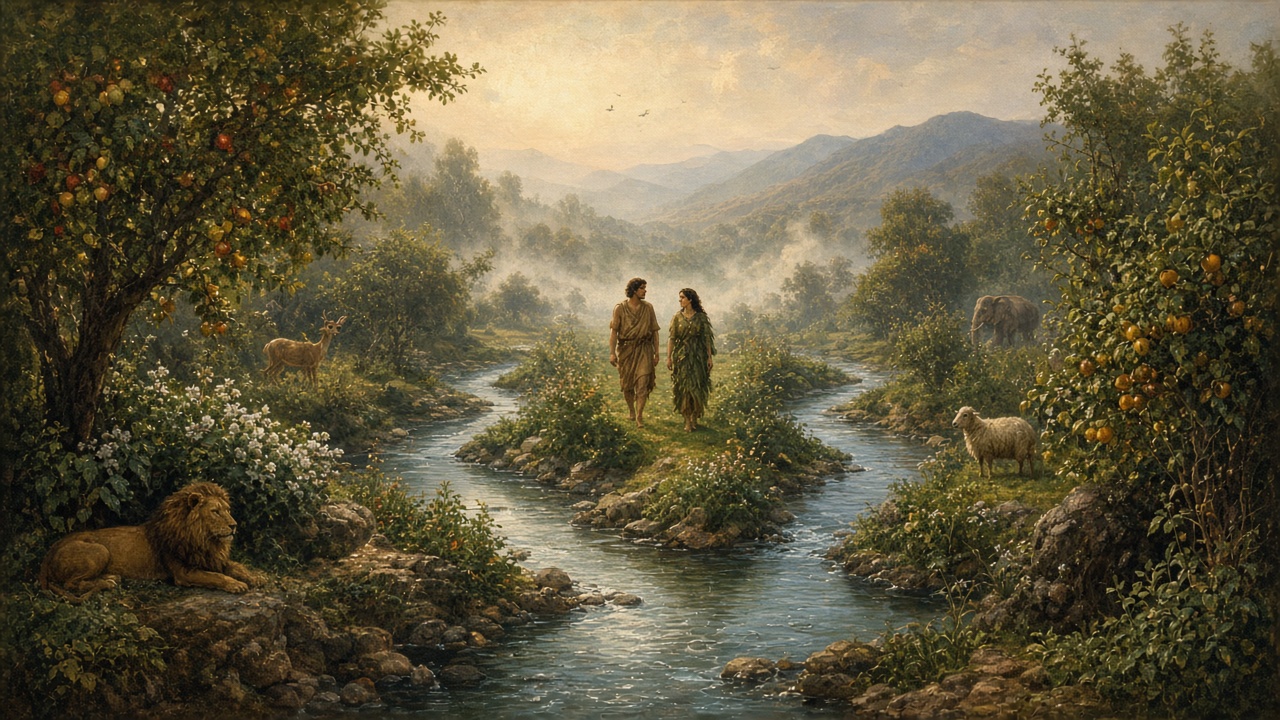
18Y nacpat era Cawinquirar Dios sutpa ojron otronyajr y che: “Majax utꞌojrir tuaꞌ aquetpa ubꞌajner e winic. Cꞌani inche inteꞌ ajtacarsiaj xeꞌ tuaꞌ aquetpa tuyejtzꞌer y xeꞌ tuaꞌ atzay eꞌrna umener”, che e Dios. 19Entonces Cawinquirar Dios cay umori cora rum y uche tunor e sian arac y tunor e sian ajcꞌopot animalobꞌ y tunor e sian mut. Y uqꞌueche ixin tunor era tut e winic tuaꞌ uturbꞌa ucꞌabꞌobꞌ tunor e animalobꞌ y tunor e aracꞌobꞌ. 20Entonces e winic uche bꞌan cocha arobꞌna umen e Dios y uturbꞌa ucꞌabꞌa inteꞌ inteꞌ arac, y inteꞌ inteꞌ mut xeꞌ atobꞌoy axin tut e qꞌuin, y uturbꞌa ucꞌabꞌa inteꞌ inteꞌ animal. Y bꞌan cocha turbꞌana ucꞌabꞌobꞌ umen e winic y bꞌan aquetpa esto coner. Pero e winic matucꞌa upiar xeꞌ uyubꞌi aquetpa tuyejtzꞌer xeꞌ tuaꞌ aquetpa uyajtacarsiaj y xeꞌ tuaꞌ atzay eꞌrna umener. 21Entonces Cawinquirar Dios uche wayan meyra e winic, y de allí upasi uwerir tuaꞌ ulocse inteꞌ ut uchejchec, y entonces umaqui uwerir otronyajr y uyustes tuaꞌ aquetpa bꞌan cocha turu ani. 22Y taca ut uchejchec e winic e Dios uche inteꞌ ixic. Y de allí Cawinquirar Dios uqꞌueche ixin tut e winic tuaꞌ aquetpa tuyejtzꞌer. 23Y conda e winic uwira e ixic tzay meyra y che:
“E ixic era aquetpa bꞌan cocha nen cocha loqꞌuesna tama niwerir y chena tama nibꞌaquer. Cꞌani aquetpa ucꞌabꞌa ‘ixic’ cocha loqꞌuesna tama e winic”, che e Adán.
24Y tamar era inteꞌ winic ucꞌani tuaꞌ uyacta utuꞌ y utata tuaꞌ axin uchꞌami uwixcar, y conda axin uchꞌami ubꞌobꞌ chatertiobꞌ era axin aquetpobꞌ intera.
25Pues e winic war aquetpa pispis y bꞌan ubꞌan uwixcar, pero machi war asubꞌajra uwira ubꞌobꞌ cocha merato oꞌchoy e mabꞌambꞌanir tara tor e rum. E Adán y e Eva taca tunor e sian animalobꞌ. (Génesis 2:20—25)|alt="Adam & Eve with the animals" src="co00604b.TIF" size="span" loc="Génesis 2:20-25" copy="David C. Cook" ref="GENESIS 2:25"
Did you know?
Adam, Eden, and the Four Rivers
- Adam, meaning “red,” is a Babylonian word and the ordinary name for a human being, with the same sense in Hebrew and in Assyrian. It was given to the first man. He was formed from the dust of the ground—hence the name—and God breathed into his nostrils the breath of life.Sources: Adam · the Bible text itself
- A river flowed out of Eden and divided into four headwaters: the Pishon, the Gihon, the Hiddekel, and the Euphrates. Some identify the Pishon with the Phasis or the Halys, others with the Indus, the Ganges, or still other rivers; the Gihon has been identified with the Nile, and others regard it as the Oxus, the Araxes, or the Ganges. The Hiddekel is the Tigris, called by the Accadians the river of Idikla; Gesenius understood the name as “the rapid Tigris.”Sources: the Bible text itself · Pison · Gihon · Hiddekel
- The site of Eden, the garden in which the first parents lived, has been discussed more than almost any other geographical question. It has been placed in Armenia, in the region west of the Caspian Sea, in Media, near Damascus, in Palestine, in southern Arabia, and in Babylonia. Easton's Bible Dictionary (1897) seeks it along the Tigris and the Euphrates of western Asia, in the land of Shinar, or Babylonia.Sources: Eden
Notes written with AI assistance from open sources (Theographic Bible Metadata, CC BY-SA 4.0; Easton’s Bible Dictionary, public domain) and reviewed before publishing.
Places in this chapter
- Assyria · 36.359, 43.153 · verse 14
- Euphrates · Today: Euphrates River · 31.004, 47.442 · verse 14
- Tigris · Today: Tigris River · 31.004, 47.442 · verse 14
Only places identified with high confidence are shown (90% or more according to the scholarly sources compiled by OpenBible). Period map: DARE (Digital Atlas of the Roman Empire), CC BY 4.0; modern map: © OpenStreetMap contributors; places: OpenBible.info (CC BY 4.0).
Credits and license for this translation
Uyojroner e Dios xeꞌ Tzꞌijbꞌabꞌir Tama e Onian Tiempo
The New Testament and Genesis, Ruth, Esther, and Jonah in the Chorti language of Guatemala
El Nuevo Testamento, Génesis, Rut, Ester y Jonás en Chortí, Guatemala
copyright © 1996, 2012, 2013, 2023 Wycliffe Bible Translators, Inc. and Evangel Bible Translators, International
Language: Chortí (Chorti)
Translation by: Evangel Bible Translators, International and Wycliffe Bible Translators
New Testament © 1996, 2012 Wycliffe Bible Translators, Inc.;
Old Testament © 2012, 2013, 2023 Evangel Bible Translators, International
This translation is made available to you under the terms of the
Creative Commons Attribution-Noncommercial-No Derivatives license 4.0.
You may share and redistribute this Bible translation or extracts from it in any format, provided that:
You include the above copyright and source information.
You do not sell this work for a profit.
You do not change any of the words or punctuation of the Scriptures.
Pictures included with Scriptures and other documents on this site are licensed just for use with those Scriptures and documents.
For other uses, please contact the respective copyright owners.
2023-08-23
Source: http://ebible.org/caa/ · eBible.org