Acts 16
Uyojroner e Dios xeꞌ Tzꞌijbꞌabꞌir Tama e Onian Tiempo · Tap a verse to see its cross-references.
Conda e Timoteo ixin taca e Pablo y e Silas
tama inteꞌ uxambꞌarobꞌ
1Entonces e Pablo y e Silas ixiobꞌ esto tama e chinam Derbe, y de allí ixiobꞌ esto tama e chinam Listra. Y yajaꞌ utajwiobꞌ inteꞌ ajcꞌupesiaj tama Cawinquirar xeꞌ ucꞌabꞌa Timoteo xeꞌ jax uyar inteꞌ ixic xeꞌ tuaꞌ e Israel xeꞌ war acꞌupseyan tama Cawinquirar, pero utata e Timoteo jax inteꞌ winic xeꞌ tari tama e lugar Grecia. 2Pues tunor e ajcꞌupesiajobꞌ tama e chinam Listra y tama e chinam Iconio ojronobꞌ que imbꞌutz e sitz era. 3Y e Pablo war ucꞌani tuaꞌ uqꞌueche axin e Timoteo tacarobꞌ ubꞌan, y tamar era uyare tuaꞌ axujra imbꞌijc uqꞌuewerir utejromar tuaꞌ machi aqꞌuijnesnobꞌ tin e tuobꞌ e Israel xeꞌ turobꞌ tama e lugar era. Pues tunor e gente war unatobꞌ que utata e Timoteo jax inteꞌ griego. 4Y tic taca tiaꞌ ixiobꞌ tama inteꞌ inteꞌ chinam war uyareobꞌ tunor e ajcꞌupesiajobꞌ tama e carta lo que ajcꞌunobꞌ umen e apostolobꞌ y umen e nuquir winicobꞌ xeꞌ turobꞌ tama e chinam Jerusalem. Y war uchecsuobꞌ tut tunor e ajcꞌupesiajobꞌ axin tuaꞌ unata acꞌupseyanobꞌ tut lo que arobꞌnobꞌ umen e apostolobꞌ xeꞌ turobꞌ tama e chinam Jerusalem. 5Y tamar era tunor e sian grupo ajcꞌupesiajobꞌ tama inteꞌ inteꞌ chinam war aqꞌuecꞌuobꞌ tama ucꞌupesiaj tama Cawinquirar, y meyra gente war acꞌotoy acꞌupseyanobꞌ tama Cawinquirar ajqꞌuin ajqꞌuin.
Conda e Pablo uwira inteꞌ winic tama inteꞌ umayjut xeꞌ tuaꞌ e lugar Macedonia
6Entonces locꞌoyobꞌ e Pablo taca e inmojr era y cay numuyobꞌ tama e departamento Frigia y tama e departamento Galacia, pero machi actanobꞌ tuaꞌ axiobꞌ uchecsuobꞌ uyojroner e Dios tama e departamento Asia umen Unawalir e Dios. 7Y conda cꞌotoyobꞌ tama e bꞌir xeꞌ acꞌotoy tama e departamento Misia, war ubꞌijnuobꞌ tuaꞌ oꞌchoyobꞌ yajaꞌ tuaꞌ uchecsuobꞌ uyojroner e Dios tama e departamento Bitinia, pero machi actanobꞌ tuaꞌ uchiobꞌ umen Unawalir e Jesús. 8Entonces ixiobꞌ tama uxambꞌar esto tama e departamento Misia, y de allí ecmay ixiobꞌ esto tama inteꞌ chinam xeꞌ ucꞌabꞌa Tróas tiaꞌ erer uchꞌamiobꞌ inteꞌ barco. 9Y ya turu e Pablo tama e chinam Tróas era conda checta inteꞌ umayjut acbꞌar. Y tamar umayjut cay uwira inteꞌ winic tuaꞌ inteꞌ departamento xeꞌ ucꞌabꞌa Macedonia. Y war e winic era tut e Pablo war ucꞌajti tacar y che: “Laric esto tama e departamento Macedonia y tacrenicon tara”, che e winic xeꞌ irna umen e Pablo tama umayjut. 10Y conda cꞌapa uwira umayjut era, non xeꞌ war caxana tacar cay costes cabꞌa tuaꞌ caxin esto tama e departamento Macedonia, porque war canata tama cawalma que war ucꞌani e Dios tuaꞌ caxin cachecsu uyojroner e Dios tama e corpesiaj tama e departamento yajaꞌ.
Conda ixiobꞌ e Pablo taca e Silas esto tama e chinam Filipos
11Pues entonces tꞌabꞌayon tama inteꞌ barco tama e chinam Tróas y ixion tor e jaꞌ esto tama inteꞌ lugar tiaꞌ ayan e rum tuyuxin e jaꞌ, y yajaꞌ ayan inteꞌ chinam xeꞌ ucꞌabꞌa Samotracia. Y tama otronteꞌ día ixion tama e barco tor e jaꞌ tuaꞌ cacꞌotoy tama inteꞌ chinam xeꞌ ucꞌabꞌa Neápolis. 12Y de allí locꞌoy ixion tama e bꞌir tuaꞌ cacꞌotoy tama e chinam Filipos que jax inteꞌ chinam xeꞌ chembꞌir umen e ejército romano y xeꞌ jax e más nuxi chinam tama tunor e lugar yajaꞌ tama e departamento Macedonia xeꞌ aquetpa tama e lugar Grecia. Y quetpon cora día yajaꞌ. 13Y tuyejtzꞌer e chinam Filipos era ayan inteꞌ xucur, y tama inteꞌ día tuaꞌ e jiriar locꞌoyon tama e chinam y ixion tutiꞌ e xucur era tama inteꞌ lugar tiaꞌ umorojse ubꞌobꞌ e gente tuaꞌ ucꞌajtiobꞌ taca e Dios. Entonces turuanon y cay ojronon tama uyojroner e Dios tama e corpesiaj taca cora ixictac xeꞌ war umorojse ubꞌobꞌ tama e lugar era. 14Y ayan inteꞌ ixic tama e lugar era xeꞌ ucꞌabꞌa Lidia xeꞌ tari tama inteꞌ chinam xeꞌ ucꞌabꞌa Tiatira. Y jaxir uchoni e bꞌujc xeꞌ galan xeꞌ chacchac ut. Y e ixic era war uyujtzꞌi ut e Dios iraj iraj, y tamar era cay uyubꞌi tunor uyojroner e Pablo. Y pascꞌa ut uyalma umen Cawinquirar tuaꞌ uyubꞌi tunor lo que arobꞌna umen e Pablo. 15Entonces chꞌujya e ixic taca tunor ufamilia, y de allí uyubꞌi tuaꞌ e Pablo y e Silas y che:
—Jay nox war ibꞌijnu que nen ajcꞌupesiajen tama Cawinquirar coner, laric tuaꞌ ixquetpa tama niotot, che e ixic.
Y tamar era jaxir uchion quetpon tama uyotot.
16Entonces tama inteꞌ día conda war caxin tama e lugar tiaꞌ acay cacꞌajti taca e Dios tuti e xucur, catajwi cabꞌa taca inteꞌ ijchꞌoc xeꞌ chucur umen inteꞌ mabꞌambꞌan mein. Y e mein era ojron taca e ijchꞌoc y e ijchꞌoc uchecsu tut e gente lo que arobꞌna umen e mein. Y e ijchꞌoc jax inteꞌ man xeꞌ mambꞌir inyajrer y war atojya meyra tumin umen upatron umen que war uchecsu tut e gente lo que mucur tutobꞌ. 17Pero e ijchꞌoc, conda uwira e Pablo taca tunoron xeꞌ war caxana tacar cay xana ticapat, y cay aru taca inteꞌ nuxi nuc y che:
—E winicobꞌ era manobꞌ tuaꞌ e Dios xeꞌ Ajtichaner y jaxirobꞌ war uyareox cocha tuaꞌ ixcorpesna, che e ijchꞌoc taca inteꞌ nuxi nuc.
18Y bꞌan uche e ijchꞌoc ajqꞌuin ajqꞌuin y che:
—E winicobꞌ era manobꞌ tuaꞌ e Dios xeꞌ Ajtichaner, che e ijchꞌoc. Y bꞌan taca ojron taca inteꞌ nuxi nuc iraj iraj.
Entonces e Pablo cꞌoyran uyubꞌi e nuxi nuc era, y tamar era sutpa uwira ut e ijchꞌoc y uyare e mabꞌambꞌan mein y che:
—Tama ucꞌabꞌa e Jesucristo inwaret que loqꞌuen tama e ijchꞌoc era, che e Pablo uyare e mabꞌambꞌan mein.
Entonces locꞌoy e mabꞌambꞌan mein tama e ijchꞌoc y jaxir quetpa tzꞌustaca.
19Pero conda upatronobꞌ e ijchꞌoc cay uwirobꞌ que machi ixto uyubꞌi uchꞌamiobꞌ e tumin tama e ijchꞌoc era, cocha cꞌapa locꞌoy e mabꞌambꞌan mein, qꞌuijnobꞌ y ucachiobꞌ uqꞌuechiobꞌ ixin e Pablo y e Silas tut e sian ajcꞌamparobꞌ xeꞌ turobꞌ tama e chinam yajaꞌ. 20Entonces uturbꞌobꞌ tut e sian juez y uyareobꞌ:
—E winicobꞌ era tuobꞌ e lugar Israel, y jaxirobꞌ war utijresobꞌ tunor cachinam tara este que cꞌanix upucujcse ubꞌobꞌ tunor e gente. 21Y war ucansiobꞌ uchiobꞌ lo que majax bꞌan cocha uyubꞌion cache non xeꞌ turon yebꞌar e ley romano, che e winicobꞌ era xeꞌ upatronobꞌ e ijchꞌoc.
22Entonces achpobꞌ tunor e gente upater e Pablo y e Silas, y e sian ajcꞌamparobꞌ uyareobꞌ tuaꞌ aloqꞌuesna ubꞌujcobꞌ y tuaꞌ ajajtzꞌobꞌ taca e teꞌ. 23Y conda cꞌapa uwatzꞌiobꞌ meyra, uqꞌuechiobꞌ ixin tuaꞌ uyosiobꞌ macuir e cárcel y uyareobꞌ e ajcojc cárcel tuaꞌ ucojcobꞌ. 24Entonces conda e ajcojc cárcel uchꞌami e orden era, uyosiobꞌ e Pablo y e Silas tama e lugar más macu tama e cárcel era, y de allí e ajcojc cárcel ucachiobꞌ uyoc taca e teꞌ xeꞌ ayan uchꞌenar tiaꞌ uwajpi acachpa unuc uyoc, y ya quetpobꞌ e Pablo y e Silas macuir e cárcel cocha era.
25Y tama uyuxin e acbꞌar ya turobꞌ e Pablo y e Silas macuir e cárcel y war ucꞌajtiobꞌ taca e Dios y war acꞌaywiobꞌ tama e Dios, y tin e turobꞌ macuir e cárcel war uyubꞌiobꞌ tunor era ubꞌan. 26Y wacchetaca checta inteꞌ nuxi yujcbꞌar y cay chincha e tun xeꞌ turu macuir e rum, y conda uwirobꞌ, pascꞌa ut tunor e puerta tama e cárcel. Y tunor e teꞌ xeꞌ cacharobꞌ ani tamar witcꞌa tama uyocobꞌ, y e cadena xeꞌ cacharobꞌ ani tin e turobꞌ tama e cárcel bꞌantzꞌobꞌ. 27Entonces e ajcojc cárcel bꞌixcꞌa achpa wawan y cay uwira que pascꞌa ut tunor e puerta tama e cárcel y cay ubꞌijnu que cꞌapa locꞌoy ajniobꞌ tunor e gente xeꞌ turobꞌ ani macuir e cárcel. Entonces ulocse umachit tupat y uwabꞌu tama unac tuaꞌ uchamse ubꞌa jaxir. 28Pero e Pablo xeꞌ war uwira tunor era aꞌru taca inteꞌ nuxi nuc y uyare e ajcojc cárcel y che:
—Ira achamse abꞌa, ya turon tunoron, che e Pablo.
29Entonces e ajcojc cárcel uyare ataresna inteꞌ cꞌajc, y ajner ochoy macuir e cárcel tuaꞌ uwira tucꞌa numuy, y war achincha y uyacta ubꞌa cotuan tuyoc e Pablo y e Silas. 30Y wacchetaca ulocse e Pablo y Silas patir e cárcel y cay uyubꞌi tuobꞌ y che:
—Niwinquirox, ¿tucꞌa ucꞌani tuaꞌ inche tuaꞌ incorpesna? che e ajcojc cárcel era.
31Y jaxirobꞌ uyare e ajcojc cárcel y che:
—Cꞌupseyanen tama Cawinquirar Jesús y cꞌani icorpesna net taca tunor tin e aturuanobꞌ tama oꞌtot, che e Pablo y e Silas.
32Entonces ixiobꞌ esto tama uyotot e ajcojc cárcel y cay uyareobꞌ tunor tin e aturuanobꞌ tama uyotot tunor uyojroner e Dios tama e corpesiaj. 33Entonces e ajcojc cárcel motor que incsibꞌanto cay upoqui tunor tiaꞌ witcꞌa upat e Pablo y e Silas tiaꞌ jajtzꞌobꞌ, y de allí jaxir taca e inmojr ufamilia ixin tuaꞌ achꞌujyobꞌ tunorobꞌ. 34Y de allí sutpa ixiobꞌ tama uyotot e ajcojc cárcel otronyajr tuaꞌ uwese e Pablo y e Silas. Y tunor ufamilia e ajcojc cárcel war atzayobꞌ meyra umen que cay cꞌupseyanobꞌ tama e Dios tama e acbꞌar era.
35Y conda sacojpa tama e día era e Pablo y e Silas ya turobꞌ tama e cárcel otronyajr. Y e juez taca e sian ajcꞌamparobꞌ uyebꞌtobꞌ ixin cora policía taca inteꞌ orden tuaꞌ ulocsiobꞌ e Pablo y e Silas tama e cárcel. 36Entonces e ajcojc cárcel uyare e Pablo y che:
—Ajcꞌunen inteꞌ orden umen e sian juez tuaꞌ inwactox ixlocꞌoy. Entonces erer ixixin tzꞌustaca, che e ajcojc cárcel.
37Pero e Pablo uyare e policía era y che:
—Non era ciudadanuon tuaꞌ e Roma, y nox ixiox iwatzꞌion tut tunor e gente tara tama e chinam, y machi chenon juzgar tut inteꞌ juez, sino que intaca iwatzꞌion, y de allí iyosion esto tama e cárcel. Y era ¿war ca ibꞌijnu tuaꞌ ilocsion tama e cárcel tzꞌustaca? Machi. Ucꞌani tuaꞌ ayopobꞌ e nuquir ajcꞌamparobꞌ jaxobꞌ taca tuaꞌ ulocsion tama e cárcel era, che e Pablo.
38Entonces sutpa ixiobꞌ e policía tut e sian juez, y cay uyareobꞌ que e Pablo y Silas ciudadanuobꞌ tama e Roma. Entonces cay bꞌactobꞌ meyra e sian juez conda uyubꞌiobꞌ tunor era. 39Entonces e sian juez ixiobꞌ tama e cárcel tuaꞌ usisijresobꞌ e Pablo y e Silas. Entonces ulocsiobꞌ tama e cárcel y cay ucꞌajtiobꞌ tuobꞌ tuaꞌ alocꞌoyobꞌ tama e chinam era. 40Entonces locꞌoyobꞌ tama e cárcel, y de allí ixiobꞌ esto tama uyotot e Lidia, y de allí ixin uwirobꞌ tunor e ajcꞌupesiajobꞌ y cay utꞌabꞌse uyalmobꞌ tama Cawinquirar, y de allí locꞌoy ixiobꞌ esto tama e chinam era.
Did you know?
From Lystra to Philippi
- At Lystra, Paul met Timothy, a disciple of whom the brothers in Lystra and Iconium spoke well, the son of a believing Jewish woman and a Greek father. Wanting him as a companion, Paul had him circumcised on account of the Jews there, who knew that his father was Greek. Easton's Bible Dictionary (1897) says Timothy probably lived in Lystra and seems to have been converted during Paul's earlier visit.Sources: the Bible text itself · Timotheus
- After being kept from speaking in the province of Asia, Paul and his companions traveled through Phrygia and Galatia. At the border of Mysia they were not permitted to enter Bithynia, so they went down to Troas, Mysia's chief port on the northwest coast of Asia Minor, a city named for ancient Troy about four miles to the north. There a night vision of a man of Macedonia pleading for help led them to sail to that Roman province north of Greece.Sources: the Bible text itself · Mysia · Troas · Macedonia
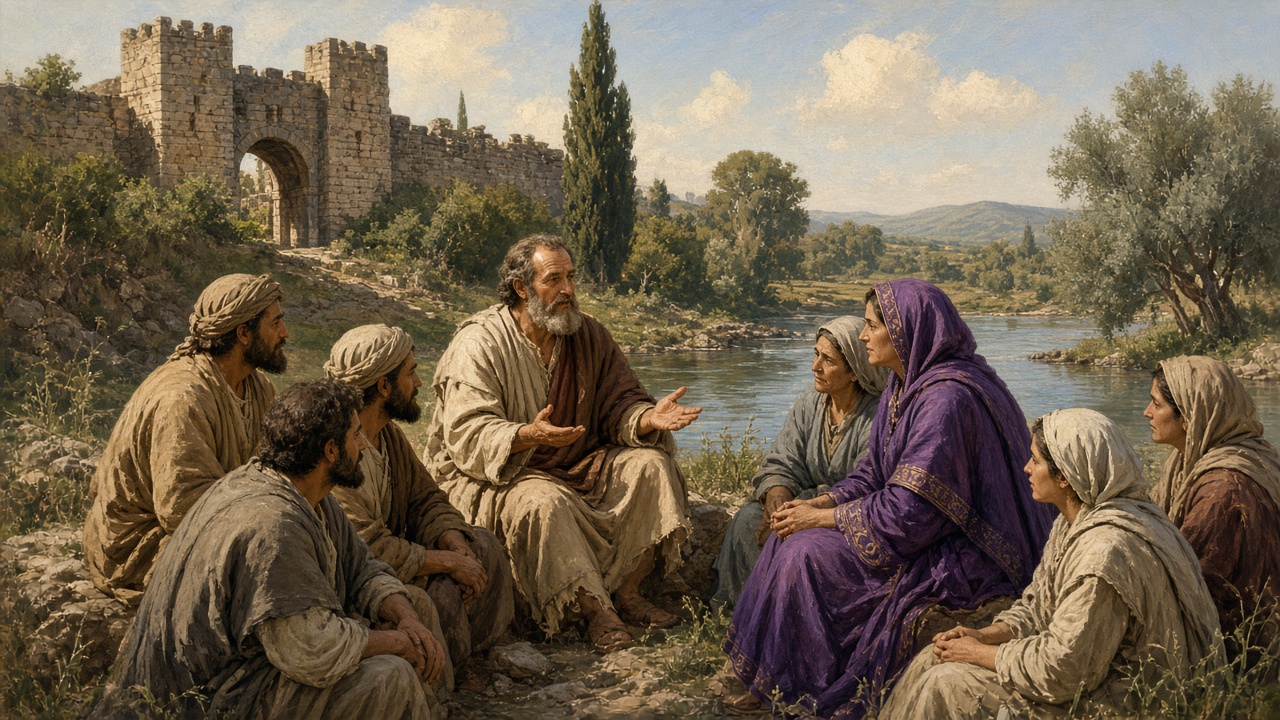
- In the Roman colony of Philippi, Paul and his companions found a customary place of prayer by the river outside the city gate, where women had gathered. Among them was Lydia, a dealer in purple cloth from Thyatira and a worshiper of God; after she and her household were baptized, she persuaded the travelers to stay at her house. Easton's Bible Dictionary (1897) describes her as a proselyte of considerable wealth and as the first person in Europe to embrace Christianity.Sources: the Bible text itself · Lydia
Notes written with AI assistance from open sources (Theographic Bible Metadata, CC BY-SA 4.0; Easton’s Bible Dictionary, public domain) and reviewed before publishing.
Places in this chapter
- Lystra · Today: Tel Lystra · 37.602, 32.338 · verses 1, 2
- Iconium · Today: Konya · 37.872, 32.492 · verse 2
- Jerusalem · 31.777, 35.234 · verse 4
- Asia · 38.400, 28.300 · verse 6
- Galatia · 39.267, 32.983 · verse 6
- Phrygia · 39.000, 31.000 · verse 6
- Bithynia · 40.500, 31.000 · verse 7
- Mysia · 40.000, 28.500 · verses 7, 8
- Troas · Today: Alexandria Troas · 39.752, 26.159 · verses 8, 11
- Greece · 37.972, 23.727 · verse 9
- Macedonia · 41.600, 22.540 · verses 9, 10, 12
- Neapolis · Today: Kavala · 40.935, 24.415 · verse 11
- Samothrace · Today: Samothraki · 40.450, 25.583 · verse 11
- Philippi · 41.012, 24.285 · verse 12
- Thyatira · Today: Akhisar · 38.920, 27.837 · verse 14
Only places identified with high confidence are shown (90% or more according to the scholarly sources compiled by OpenBible). Period map: DARE (Digital Atlas of the Roman Empire), CC BY 4.0; modern map: © OpenStreetMap contributors; places: OpenBible.info (CC BY 4.0).
Credits and license for this translation
Uyojroner e Dios xeꞌ Tzꞌijbꞌabꞌir Tama e Onian Tiempo
The New Testament and Genesis, Ruth, Esther, and Jonah in the Chorti language of Guatemala
El Nuevo Testamento, Génesis, Rut, Ester y Jonás en Chortí, Guatemala
copyright © 1996, 2012, 2013, 2023 Wycliffe Bible Translators, Inc. and Evangel Bible Translators, International
Language: Chortí (Chorti)
Translation by: Evangel Bible Translators, International and Wycliffe Bible Translators
New Testament © 1996, 2012 Wycliffe Bible Translators, Inc.;
Old Testament © 2012, 2013, 2023 Evangel Bible Translators, International
This translation is made available to you under the terms of the
Creative Commons Attribution-Noncommercial-No Derivatives license 4.0.
You may share and redistribute this Bible translation or extracts from it in any format, provided that:
You include the above copyright and source information.
You do not sell this work for a profit.
You do not change any of the words or punctuation of the Scriptures.
Pictures included with Scriptures and other documents on this site are licensed just for use with those Scriptures and documents.
For other uses, please contact the respective copyright owners.
2023-08-23
Source: http://ebible.org/caa/ · eBible.org