1 Corinthians 7
Uyojroner e Dios xeꞌ Tzꞌijbꞌabꞌir Tama e Onian Tiempo · Tap a verse to see its cross-references.
Inteꞌ ojroner tamar e nujbꞌiar
1Pues entonces coner era cꞌani inwareox lo que cay iyubꞌi tacaren tama e carta lo que cay itzꞌijbꞌa tanibꞌa. Pues cꞌani inwareox era que bueno ani que inteꞌ sitz xeꞌ cꞌapa chꞌiꞌ axin ubꞌijnu tuaꞌ aquetpa ubꞌajner. 2Pero cocha e winicobꞌ tara tor e rum war uchiobꞌ meyra mabꞌambꞌanir coner taca e ixictac axin, pues más ani bueno jay inteꞌ inteꞌ sitz axin anujbꞌi taca inteꞌ uwixcar, y que inteꞌ inteꞌ ijchꞌoc axin anujbꞌi taca inteꞌ uviejo. 3Y bꞌan cocha e winic y bꞌan ubꞌan e ixic que ucꞌani tuaꞌ acꞌapa uchiobꞌ tunor lo que aquetpa tuaꞌ uchiobꞌ tama unujbꞌiarobꞌ. 4Pues e ixic majax ajyum tama ucuerpo sino que jax uviejo xeꞌ ajyum tamar. Y bꞌan e winic que jaxir majax ajyum tama ucuerpo sino que jax uwixcar xeꞌ ajyum tamar. 5Y tamar era cꞌani inwareox que ira iwacta tuaꞌ ichꞌami ibꞌa tama inujbꞌiar. Pero jay ibꞌijnu chatertiox tuaꞌ iwacta tunor era tuaꞌ icꞌajti taca e Dios tama inteꞌ tiempo, pues erer. Pero conda acꞌapa e tiempo era ucꞌani tuaꞌ asutpa ichꞌami ibꞌa otronyajr, porque jay iwacta tunor era entonces watar e Satanás tuaꞌ upijchꞌiox tuaꞌ ixcꞌaxi tama e mabꞌambꞌanir.
6Pues war inwareox que erer ixnujbꞌi tuaꞌ iche tunor era jay icꞌani, pero machi war inwareox que ucꞌani tuaꞌ ixnujbꞌi. 7Pues nen quisinic que tunor e gente aquetpobꞌ bꞌan cocha nen que machi anujbꞌi, pero inteꞌ inteꞌ ajcꞌuna ucꞌampibꞌir umen e Dios. Ayan tin e uchꞌami inteꞌ ucꞌampibꞌir, y ayan tin e uchꞌami intex ucꞌampibꞌir.
8Pues ayan inteꞌ niwojroner tuaꞌ tin e turuto ubꞌajner y tin e chamay uwixcar o xeꞌ chamay uviejo. Nen quisinic inware que machi ixnujbꞌi, y que ixquetpa bꞌan cocha nen que matucꞌa niwixcar. 9Pero jay machi uyubꞌi ucojco ubꞌa inteꞌ, más ani bueno tuaꞌ axin anujbꞌi. Porque más ani bueno tuaꞌ anujbꞌi inteꞌ tuaꞌ machi unumse ubꞌa meyra umen que war uyusre anujbꞌi taca inteꞌ ijchꞌoc.
10Pues ayan inteꞌ niwojroner tuaꞌ tin e nujbꞌiobꞌix. Y e ojroner era majax tanibꞌa taca sino que tuaꞌ Cawinquirar. Y e ojroner jax era: Que inteꞌ ixcarbꞌir ma erer uchoqui uyacta uviejo. 11Pero jay inteꞌ ixic uchoqui uyacta uviejo, entonces ucꞌani tuaꞌ aquetpa ubꞌajner y machi ixto tuaꞌ asutpa anujbꞌi otronyajr. Pero erer asutpa uyustes ubꞌa taca uviejo otronyajr. Y bꞌan ubꞌan inteꞌ winic que ma erer uchoqui uyacta uwixcar tuaꞌ utijres unujbꞌiar.
12Y ayan inteꞌ niwojroner xeꞌ tuaꞌ e inmojr xeꞌ ajcꞌupesiajox, pero e ojroner era war alocꞌoy tanibꞌa y majax tuaꞌ Cawinquirar. Jay ayan inteꞌ hermano xeꞌ majax ani ajcꞌupesiaj tama Cawinquirar conda nujbꞌi y de allí ixin uchꞌami e Cristo pero uwixcar machi war ucꞌani, jay uwixcar turix tuaꞌ aquetpa tacar, entonces e hermano era ma erer uyacta uwixcar tuaꞌ utijres unujbꞌiar. 13Y jay ayan inteꞌ hermana xeꞌ majax ani ajcꞌupesiaj tama Cawinquirar conda nujbꞌi y de allí ixin uchꞌami e Cristo, pero uviejo machi war ucꞌani, jay uviejo turix tuaꞌ aquetpa tacar, entonces e hermana era ma erer uyacta uviejo tuaꞌ utijres unujbꞌiar. 14Porque e winic xeꞌ machi war acꞌupseyan tama Cawinquirar war aquetpa chojbꞌesbꞌir umen e Dios umen que nujbꞌibꞌir tacar uwixcar xeꞌ ajcꞌupesiaj tama Cawinquirar. Y e ixic xeꞌ machi war acꞌupseyan tama Cawinquirar war aquetpa chojbꞌesbꞌir umen e Dios umen que nujbꞌibꞌir tacar uviejo xeꞌ ajcꞌupesiaj tama Cawinquirar. Porque jay majax bꞌan ani cocha era entonces umaxtacobꞌ era aquetpobꞌ ani bꞌan cocha jay umaxtacobꞌ tin e uyujtzꞌiobꞌ ut inteꞌ chamen dios. Pero umaxtacobꞌ era aquetpobꞌ chojbꞌesbꞌirobꞌ umen e Dios umen que utuꞌ o utata war acꞌupseyan tama Cawinquirar. 15Pero jay e winic o e ixic era xeꞌ machi war acꞌupseyan tama Cawinquirar cꞌani ucꞌocchi uchoqui unujbꞌiar umen que uwixcar o uviejo war acꞌupseyan tama Cawinquirar, erer uche. Pues tamar era e hermano o e hermana erer uyacta ubꞌobꞌ tama unujbꞌiar, porque Cadiosir upejcon tuaꞌ caturuan taca e jiriar. 16Porque inteꞌ hermano ma erer unata jay erer ucorpes uwixcar, y inteꞌ hermana ma erer unata jay erer ucorpes uviejo.
17Pues cꞌani inwareox lo que nen incanse tama inteꞌ inteꞌ grupo ajcꞌupesiajobꞌ axin, que inteꞌ inteꞌ ajcꞌupesiaj ucꞌani tuaꞌ aturuan bꞌan cocha ucꞌampibꞌir lo que ajcꞌuna umen Cawinquirar y bꞌan cocha turu conda cay pejcna umen e Dios. 18Entonces jay xurbꞌir imbꞌijc uqꞌuewerir utejromar inteꞌ hermano conda pejcna umen e Dios, pues bꞌan taca tuaꞌ aquetpa. Y jay majax xurbꞌir imbꞌijc uqꞌuewerir utejromar inteꞌ hermano conda pejcna umen e Dios, machi tuaꞌ axin usicbꞌa cocha tuaꞌ axujra imbꞌijc uqꞌuewerir utejromar. 19Porque Cadiosir atzay uwira tin e xurbꞌir imbꞌijc uqꞌuewerir utejromar y atzay ubꞌan uwira tin e majax xurbꞌir imbꞌijc uqꞌuewerir utejromar, pero lo que más ayan ucꞌampibꞌir tut e Dios jax era: Que inteꞌ axin ucꞌupse tunor lo que arobꞌna tuaꞌ uche umen e Dios. 20Y tamar era war inwareox que inteꞌ inteꞌ winic ucꞌani tuaꞌ aquetpa bꞌan taca cocha turu conda pejcna umen e Dios. 21Pues jay ayan awajyum conda pejcnet umen e Dios, ira abꞌijnu tamar. Pero jay ayan cocha tuaꞌ ilocꞌoy yebꞌar ucꞌabꞌ xeꞌ quetpa awajyum, chen. 22Porque tin e ayan uyajyum conda pejcbꞌir umen Cawinquirar, aquetpa corpesbꞌir tuaꞌ uyujtzꞌi ut e Dios coner. Y tin e matucꞌa uyajyum conda pejcbꞌir umen e Dios, aquetpa man tuaꞌ e Cristo coner. 23Pues jax Cadiosir xeꞌ ixin utoyi meyra tuaꞌ umanion tuaꞌ caquetpa tuaꞌ, y tamar era ira iwacta ibꞌa tuaꞌ ixturbꞌana yebꞌar ucꞌabꞌ inteꞌ winic. 24Entonces niwermanuox, xanenic bien inteꞌ intiox tama ubꞌir e Dios, y turuanenic bꞌan taca cocha turox conda pejcnox umen e Dios.
25Pues ayan otronteꞌ niwojroner tuaꞌ tin e merato anujbꞌi. Nen era matucꞌa inteꞌ ojroner xeꞌ inchꞌami tuaꞌ Cawinquirar tuaꞌ inwareox tama tunor era, pero cꞌani inwareox lo que nen imbꞌijnu tamar, y nen inware que tawaren tacar ucꞌunersiaj Cawinquirar tuaꞌ iche ijor tamaren. 26Y cocha ayan meyra lo que war anumuy xeꞌ intran tama tunor or e rum coner, nen imbꞌijnu que más ani bueno que inteꞌ sitz o inteꞌ ijchꞌoc aquetpa ani bꞌan taca y que machi anujbꞌi. 27Pues tin e ayan uwixcar machi tuaꞌ ubꞌijnu tuaꞌ utijres unujbꞌiar era. Y tin e matucꞌa uwixcar machi tuaꞌ ubꞌijnu tuaꞌ uchꞌujcu utajwi uwixcar tuaꞌ anujbꞌi tacar. 28Pero jay axin anujbꞌi inteꞌ machi war uche e mabꞌambꞌanir tamar. Y jay inteꞌ ijchꞌoc axin anujbꞌi machi war uche e mabꞌambꞌanir tamar. Pero tin e axin anujbꞌi cꞌani unumse ubꞌobꞌ tamar e nujbꞌiar era, y nen quisinic intacriox tuaꞌ machi inumse ibꞌa cocha era.
29Pues niwermanuox, lo que war inwareox jax era: Que machi aquetpa meyra tiempo tama cacuxtar tara tor e rum. Y tamar era machi aquetpa meyra tiempo tuaꞌ uyubꞌion cache upatnar Cawinquirar. Entonces tin e nujbꞌix ucꞌani tuaꞌ usicbꞌa cocha tuaꞌ uyujtzꞌi ut e Dios iraj iraj bꞌan ani cocha inteꞌ xeꞌ matucꞌa uwixcar. 30Y tin e war unumse ubꞌobꞌ umen que chamay inteꞌ ufamilia ucꞌani tuaꞌ aturuanobꞌ bꞌan cocha jay machi ani war aquetpa tzajtaca utobꞌ. Y tin e war atzayobꞌ ucꞌani tuaꞌ aturuanobꞌ bꞌan cocha jay machi ani war atzayobꞌ. Y tin e war amanuobꞌ ucꞌani tuaꞌ aquetpobꞌ bꞌan cocha jay majax ani tuobꞌ lo que war umaniobꞌ era. 31Y tin e war achonma ucꞌani tuaꞌ aturuan bꞌan cocha inteꞌ que machi ani war usati tunor utiempo tama uchonmar era. Porque tunor or e rum lo que cawira coner ucꞌani tuaꞌ asatpa.
32Pues entonces war incꞌani que machix tuaꞌ ixturuan ibꞌijnu meyra, porque inteꞌ sitz war ubꞌijnu tamar taca upatnar e Dios y cocha tuaꞌ utzayjres Cawinquirar. 33Pero inteꞌ winic xeꞌ ayan uwixcar war ubꞌijnu tamar lo que ayan tara tor e rum y war ubꞌijnu cocha tuaꞌ utzayjres uwixcar. 34Y chequer ubꞌan que majax lar inteꞌ ijchꞌoc taca inteꞌ ixic xeꞌ ayan uviejo. Porque inteꞌ ijchꞌoc war ubꞌijnu uche lo que ucꞌani Cawinquirar y war uturbꞌa ubꞌa tuaꞌ uyajcꞌu ubꞌa tut e Dios tama uyalma y tama ucuerpo. Pero inteꞌ ixic xeꞌ ayan uviejo war ubꞌijnu tamar lo que ayan tara tor e rum y war ubꞌijnu cocha tuaꞌ utzayjres uviejo.
35Pues war inwareox tunor era tuaꞌ intacriox alocꞌoy imbꞌutz tunor tama icuxtar. Machi war imbꞌijnu tuaꞌ inquete inwabꞌu lo que war icꞌani, sino que war imbꞌijnu tuaꞌ intacriox ixquetpa imbꞌutz tama tunor icuxtar y que erer iturbꞌa ibꞌa tamar Cawinquirar inyajrer tuaꞌ iche upatnar iraj iraj.
36Pues jay ayan inteꞌ tatabꞌir xeꞌ war ubꞌijnu tuaꞌ uyacta anujbꞌi inteꞌ uwijchꞌoc umen que war anumuy meyra año tamar, y jay ubꞌijnu que bꞌan ucꞌani uche, entonces erer uche lo que war ubꞌijnu uche era. Y majax mabꞌambꞌanir tunor era. 37Pero jay ayan otronteꞌ tatabꞌir xeꞌ war aqꞌuecꞌo tama uyalma que inteꞌ uwijchꞌoc machi tuaꞌ anujbꞌi y unata que erer aquetpa bꞌan cocha war ucꞌani era, pues erer uche lo que war ubꞌijnu tuaꞌ uche era, y bueno lo que war uche. 38Y tamar era e tatabꞌir xeꞌ uyajcꞌu uwijchꞌoc tuaꞌ anujbꞌi war uche lo que bueno, pero tin e machi war uyajcꞌu uwijchꞌoc tuaꞌ anujbꞌi war uche lo que mejor.
39Pues inteꞌ ixic xeꞌ ayan uviejo aquetpa cachar tacar uviejo era umen e ley conda turuto e winic era. Pero jay achamay uviejo jaxir aquetpa libre tuaꞌ asutpa anujbꞌi taca otronteꞌ winic, pero jax taca inteꞌ xeꞌ war acꞌupseyan tama Cawinquirar. 40Pero más ani tuaꞌ aquetpa atzay e ixic era jay machix ani asutpa anujbꞌi otronyajr. Pues era jax taca lo que imbꞌijnu nen, majax lo que uyaren ani e Dios. Pero nen imbꞌijnu que turu Unawalir e Dios tamaren ubꞌan.
Did you know?
Counsel on marriage and the present crisis
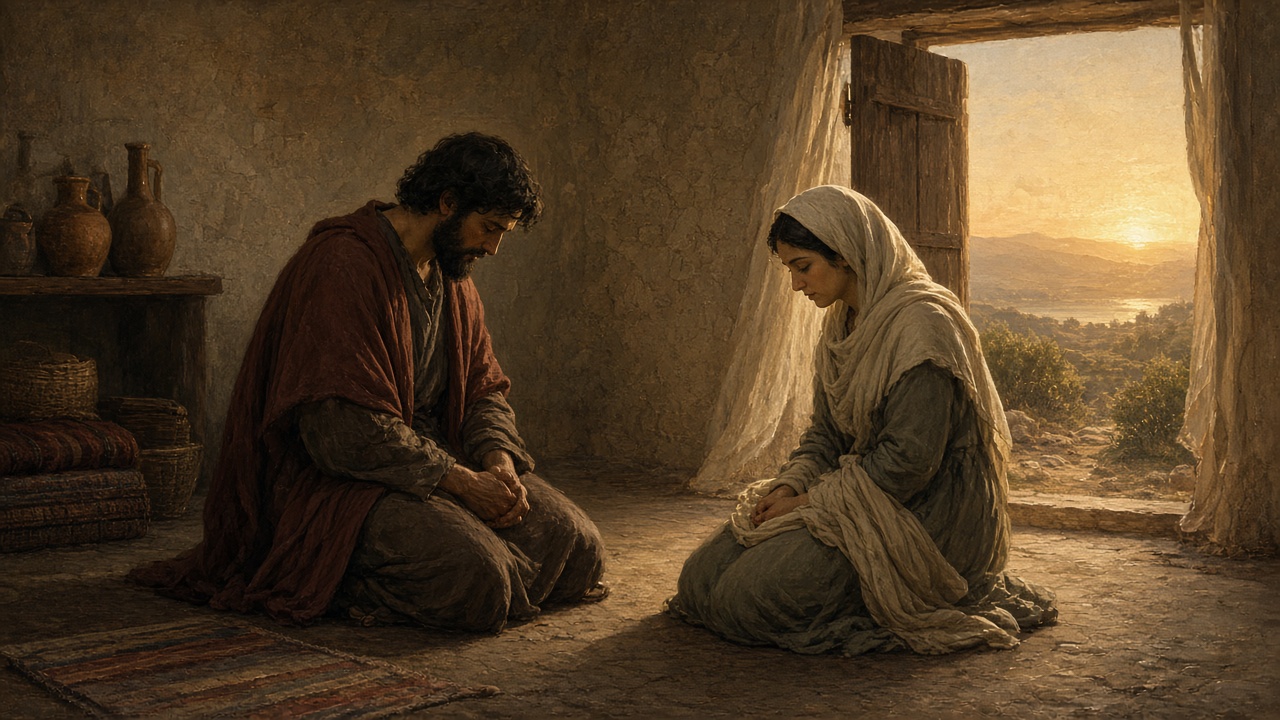
- The chapter opens as a reply to matters the readers had written about. The writer says it is good to abstain from sexual relations, yet, because there is so much sexual immorality, each man should have his own wife and each woman her own husband. He presents this as a concession, not as a command, and says that each person has their own gift from God.Sources: the Bible text itself
- In marriage, the writer says the wife does not have authority over her own body, but the husband does, and likewise the husband does not have authority over his own body, but the wife does. They should not deprive each other except by mutual consent and for a time, so they may devote themselves to prayer, and then come together again, so that Satan will not tempt them through lack of self-control. Easton's Bible Dictionary (1897) presents the name Satan as “adversary” or “accuser,” and notes that he tempted Jesus in the wilderness.Sources: the Bible text itself · Satan
- The writer distinguishes a command he attributes to the Lord—a wife must not separate from her husband, and a husband must not divorce his wife—from his own judgment where he says he, not the Lord, is speaking, including marriages with an unbeliever and questions about virgins. Because of what he calls the present crisis, and because he says the time is short and this world in its present form is passing away, he thinks it good to remain as one is. He adds that to marry is not to sin, though those who marry will face troubles in this life.Sources: the Bible text itself
Notes written with AI assistance from open sources (Theographic Bible Metadata, CC BY-SA 4.0; Easton’s Bible Dictionary, public domain) and reviewed before publishing.
Credits and license for this translation
Uyojroner e Dios xeꞌ Tzꞌijbꞌabꞌir Tama e Onian Tiempo
The New Testament and Genesis, Ruth, Esther, and Jonah in the Chorti language of Guatemala
El Nuevo Testamento, Génesis, Rut, Ester y Jonás en Chortí, Guatemala
copyright © 1996, 2012, 2013, 2023 Wycliffe Bible Translators, Inc. and Evangel Bible Translators, International
Language: Chortí (Chorti)
Translation by: Evangel Bible Translators, International and Wycliffe Bible Translators
New Testament © 1996, 2012 Wycliffe Bible Translators, Inc.;
Old Testament © 2012, 2013, 2023 Evangel Bible Translators, International
This translation is made available to you under the terms of the
Creative Commons Attribution-Noncommercial-No Derivatives license 4.0.
You may share and redistribute this Bible translation or extracts from it in any format, provided that:
You include the above copyright and source information.
You do not sell this work for a profit.
You do not change any of the words or punctuation of the Scriptures.
Pictures included with Scriptures and other documents on this site are licensed just for use with those Scriptures and documents.
For other uses, please contact the respective copyright owners.
2023-08-23
Source: http://ebible.org/caa/ · eBible.org