Hebrews 3
Ġaġek Mewis · Tap a verse to see its cross-references.
Yesu Arë Böp Kesuu Moses
1Arig vabuung lo, Anutu sën nedo yaġek lo ggooin ham raḳ tu yi alam. Om ham kwamin bo Yesu nivesa in hil sinarë los hil alam-deneḳo-seriveng hir yuseḳë yi, lob hil nehevonġ ving yi benanër arë ranġah. 2Anutu tunġ yi huk sënë loḳ nema, lob nesepa loḳ Anutu aye menevonġ yoh vu, nebë sën Moses nevonġ wirek meneġin Anutu-yi-alam Israel pin los dahis lo. 3Rëḳ Anutu kwa vo bë Yesu yoh vu bë geḳo arë böpata kesuu Moses arë. In mehö sën nelev begganġ lo arë böp kesuu begganġ. 4In hil nehalë begganġ ti nedo, og hil naraḳ ni bë mehöti lev, log hil naraḳ nġaa pin sën nedo-ë ni ving nebë saga bë mehöti netunġ, lob mehö saga og yiḳ Anutu. 5Yönon, Moses tu Anutu yi hur, lob nesepa loḳ aye niröp menevonġ huk in yi alam. Nenër ġaġek raḳ nġaa pin sën Anutu rëḳ tato nam ranġah vu hil lo. 6Rëḳ Kerisi og Anutu Nalu, om sepa loḳ Ama aye niröp. Tu ala meneġin Anutu-yi-alam, om nabë hil ayod na timu vu yi niwëëk jaḳ buk, bekwad vesa geġeġin yi, og hil atu Anutu-yi-alam ving yönon.
Alam Sën Denekeyëh Anutu Aye Lo Og Su Rëḳ Desewah Rë
7Om hil ġanġo Anon Vabuung yi ġaġek sën neggëp loḳ Anutu-yi-ḳapiya lo bë:
“Pehi sënë nabë ham gwenġo Anutu aye,
8og ham su ayomin niwëëk panġsën
nabë sën wirek alam Israel devonġ
loḳ buk sën deḳo sir raḳ medekeyëh sayeġ lo,
log ayoj niwëëk bedeseggi sa loḳ nyëġ-yumeris wirek lo.
9Vu sagu og ham ḳenumin lo delë nġaa pin sën sa nehevonġ lo
yoh vu nġebek mehödahis luu,
rëḳ ma geyö deseggi sa rot.
10Lob sahëġ sengën raḳ vu sir lob senër bë,
‘Ayoj nevuu nġaa niröp ya yoh vu buk pin,
gesu kwaj nevo sa aggata medenesepa loḳ rë.’
11Om sën sahëġ sengën panġsën mesenër yönon venuh bë,
‘Su rëḳ dedoḳ nam sa nyëġ-sewahsën-yi rë,
gaḳ rëḳ nama veröḳ yi.’”
Hil Ġeġin Hil Nivesa, Gaḳ Hil Su Ḳeyëh Anutu Aye Nabë Alam Israel
12Om arig lo, ham gweġin ham nivesa. In ham ti rëḳ ayo nipaya jaḳ gesu gevonġ geving rë, lob geruu demi vu Anutu sën mala-tumsën degwa lo. 13Om ham medo mebo horek vu ham vewen vewen jaḳ buk mebër kwamin noh vu buk pin sën hil nado agi, in rëḳ nġaa nipaya tetuhin ham ti lob gërin ayo beniwëëk jaḳ. 14Gaḳ nabë hil nġo ayod na timu vu Kerisi niwëëk bemedo rot benadiiḳ na, og mëm hil rëḳ ana medo nivesa geving yi gëp yi nyëġ. 15Hil araḳ ni bë ġaġek sënë yö nahën neggëp bë:
“Pehi sënë nabë ham gwenġo Anutu aye,
og ham su ayomin niwëëk panġsën
nabë sën wirek alam Israel devonġ loḳ buk sën deḳo sir raḳ medekeyëh sayeġ lo.”
16Om maḳ alam tena denġo Anutu aye wirek rëḳ deḳo sir raḳ medekeyëh aye? Gaḳ yiḳ alam pin sën Moses li sir vu Ejep medeyam lo! 17Log maḳ Anutu ahë sengën vu alam tena yoh vu nġebek mehödahis luu-a? Gaḳ yiḳ alam sën denevonġ nġaa nipaya lob denediiḳ benij hel to neggëp aggatata loḳ nyëġ-yumeris lo.
18Log maḳ Anutu nër vu alam tena genër yönon venuh bë su rëḳ dedoḳ na yi nyëġ-sewahsën-yi rë? Gaḳ yiḳ alam Israel sën dekeyëh yi ġaġek wirek lo. 19Nebë saga om hil araḳ ni bë su ayoj neya timu vu yi rë, om sën su deyoh vu bë rëḳ dedoḳ na yi nyëġ-sewahsën-yi rë.
Did you know?
Greater Glory Than Moses
- Hebrews asks its readers to fix their attention on Jesus, the apostle and high priest they confess. He was faithful to the one who appointed him, just as Moses was faithful in all God's house, but Jesus is counted worthy of greater glory than Moses, as the builder of a house has greater honor than the house. Moses was faithful as a servant; Christ is faithful as the Son over God's house.Sources: the Bible text itself
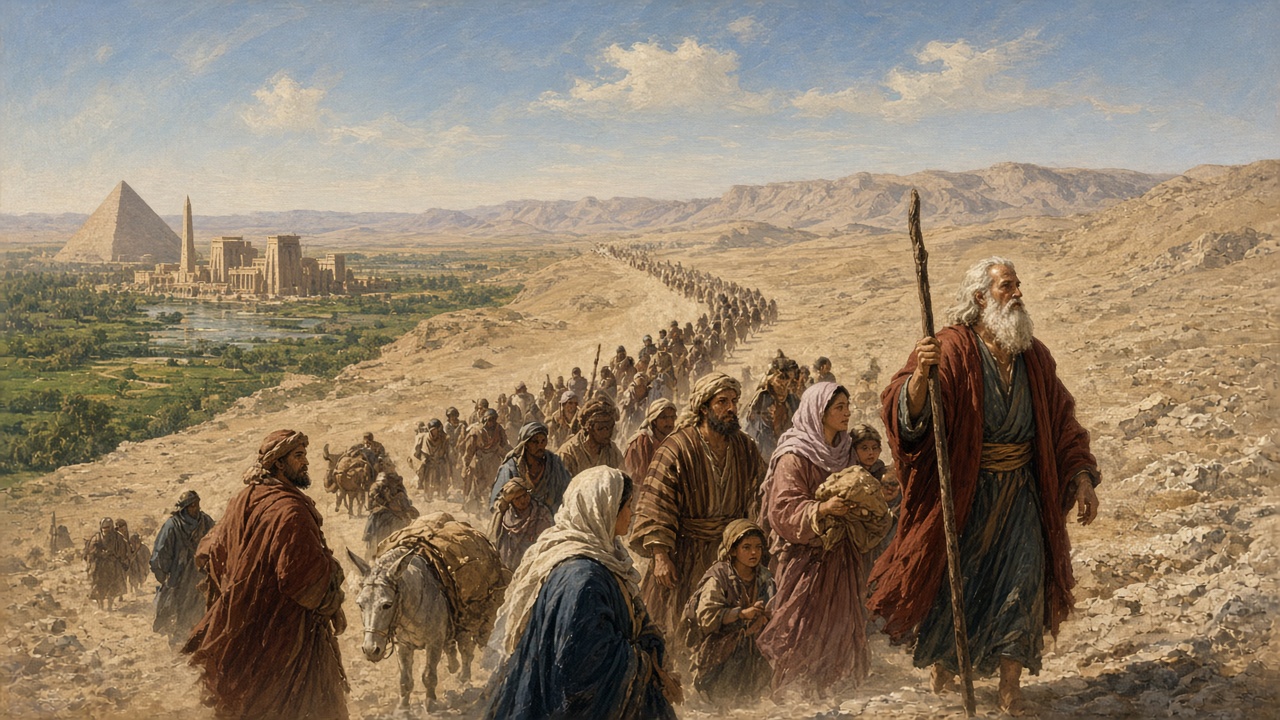
- The warning looks back to the people Moses led out of Egypt. For forty years in the wilderness they tested God, who was angry with that generation and swore they would never enter his rest; their bodies fell in the wilderness. The chapter says that unbelief kept them from entering.Sources: the Bible text itself
- Egypt, the land they left with Moses, is the land of the Nile and the pyramids. Easton's Bible Dictionary (1897) explains the name Moses as Drawn, or links it with the Egyptian word mesu, meaning son.Sources: the Bible text itself · Egypt · Moses
Notes written with AI assistance from open sources (Theographic Bible Metadata, CC BY-SA 4.0; Easton’s Bible Dictionary, public domain) and reviewed before publishing.
Places in this chapter
- Egypt · 30.129, 31.308 · verse 16
Only places identified with high confidence are shown (90% or more according to the scholarly sources compiled by OpenBible). Period map: DARE (Digital Atlas of the Roman Empire), CC BY 4.0; modern map: © OpenStreetMap contributors; places: OpenBible.info (CC BY 4.0).
Credits and license for this translation
Ġaġek Mewis
The New Testament in the Central/Mapos dialect of the Buang language of Papua New Guinea
Nupela Testamen long tokples Buang Mapos long Niugini
Copyright © 2003 The Bible Society of Papua New Guinea
Language: Buang, Central/Mapos (Buang)
Dialect: Central/Mapos
Translation by: Wycliffe Bible Translators
This translation is made available to you under the terms of the
Creative Commons Attribution-Noncommercial-No Derivatives license 4.0.
You may share and redistribute this Bible translation or extracts from it in any format, provided that:
You include the above copyright and source information.
You do not sell this work for a profit.
You do not change any of the words or punctuation of the Scriptures.
Pictures included with Scriptures and other documents on this site are licensed just for use with those Scriptures and documents.
For other uses, please contact the respective copyright owners.
2015-01-02
Source: http://png.bible/bzh/ · eBible.org