Acts 3
Ġaġek Mewis · Tap a verse to see its cross-references.
Mehö Vaha Nipaya Nivesa Raḳ
1Buk ti lob Pita luho Jon deya dub-vabuung-böp raḳ 3 krök sehuksën in bë denajom jaḳ. In alam Yuda denevonġ nebë sënë.
2Lob mehö vaha nipaya ti nedo, lob yi alam denevaḳu yi meyam denetunġ menedo dus vu veluung avi sën denenër arë nebë Malanġeri lo. Ata yö ḳo yi to los vaha nipaya, lom denevonġ nebë saga yoh vu buk in bë ketaġ los tahi monë lu nġaa vu alam sën deneya dub-vabuung-böp ḳatum ayo lo. 3Mehö saga lë Pita luho Jon geluho bë dedoḳ na dub-vabuung-böp, lob ketaġ vu luho bë luho debo nġaa vu yi. 4Rëḳ Pita luho Jon degët yi niwëëk ata, log Pita nër vu yi bë, “Ġebarah malam jaḳ megwelë aluu rë!”
5Lob kwa vo bë maḳ luho rëḳ debo nġaa vu yi, lom peggirin mala yah vu luho. 6Rëḳ Pita nër bë, “Sehöġ monë ma! Gaḳ mu sa bë doḳ vu honġ nabë sënë: Sa nanër vu honġ jaḳ Yesu Kerisi Nasaret arë nabë, ‘Kwedi jaḳ meġena!’” 7Lom jom loḳ nema vesa bedadii yi raḳ. Lob pevis bevaha los vaha pedus niwëëk loḳ, 8gemëm kedi pevis mevare neya. Beloḳ ya dub-vabuung-böp ḳatum ayo ving luho, genepisek menepesönġ geneḳo Anutu arë raḳ.
9Lob alam pin delë bë ggee meneya geneḳo Anutu arë raḳ. 10Lob deraḳ ni bë yiḳ mehö sën nedo yoh vu buk loḳ dub-vabuung-böp veluung avi Malanġeri, meneketaġ los netahi monë lu nġaa vu sir lo. Lob delë bë nivesa raḳ lom delëk anon bekwaj neketul loḳ.
Pita Nër Ġaġek Ggëp Dub-vabuung-böp Ayo
11Mehö sënë nahën nekebi Pita lu Jon, lob alam deseröġ meya detetup lööho loḳ dub nenga-gelusën sën denenër bë Solomon yiyi lo, lob delëk böpata rot. 12Pita lë alam sagi lob nër ġaġek vu sir bë, “Ham alam Israel! Nebë va sën ham ayomin ya nġahiseḳë in nġaa agi-ë? Ham su gwelë aluu! Maḳ ham kwamin nevo bë raḳ alu nġo he niwëëk ma maḳ alu nġo vabuung om sën alu hevonġ mehö aga benivesa raḳ meneya-ë? Gaḳ ma! 13Abraham luho Isaak ving Yakop hir Anutu sën, hil ḳenud lo hir Anutu lo, sën ḳo yi hur Yesu arë raḳ nebë sënë. Sën yiḳ mehö saga sën ham vo yi loḳ ya alam-beġö-yi nemaj, geham lah yi vun ggëp Pilatus mala lo. Pilatus bë dëëin yi mena, rëḳ ma geham ruu demimin vu yi! 14Ham ruu demimin vu mehö vabuung los yohvu saga, log ham tahi vu Pilatus bë dëëin mehöti sën sis mehö la bedediiḳ lo vër vu ham. 15Mehö mala-tumsën degwa yi rëḳ ham sis yi bediiḳ. Loḳ Anutu nër mekedi raḳ yah vu bedub, behe halë bë nedo mala-tumsën, besën he nanër ranġah. 16Galu ayomin neya timu vu yi, om sën alu anër arë, lob vonġ niwëëk vu mehö sënë besën ham nelë yi beham raḳ ni lo. Yesu vonġ mehö sënë nivesa raḳ raḳ ham pin malamin in alu ayomin neya timu vu yi. 17Yönon, arig lo! Seraḳ ni bë ham los ham ggev su raḳ degwa ni rë, om sën ham vonġ paya vu yi nebë sënë. 18Rëḳ wirek Anutu yö tateḳin ġaġek verup alam-denenër-ġaġek-ranġahsën lo pin avij nebë yö yi Kerisi rëḳ nam begeḳo vanë. Lob vonġ ġaġek saga banon raḳ raḳ huk sën ham vonġ lo.
19Om ham gwërin ham nom vu Anutu in Anutu dahun ham nġaa nipaya pin na, lob mëm Mehöböp rëḳ gevonġ beham nimin semë semë jaḳ. 20Lob rëḳ gevonġ Yesu nom vu ham. Mehö saga sën Anutu ggooin raḳ in bë geḳo hil nah lo.
21Log gwëbeng nedo yaġek meneġin buk sën Anutu bë gevonġ nġaa pin natu mewis lo. Nebë sën nër wirek verup alam-denenër-ġaġek-ranġahsën vabuung lo avij lo.
22Moses nër nebë, ‘Ham Mehöböp rëḳ gooin ham arimin ti begetunġ yi natu ham mehö-nanër-ġaġek-ranġahsën ti nabë sa. Om ham gwebë nengamin vu ġaġek sën rëḳ nanër vu ham lo. 23Gaḳ nabë mehöti su genġo mehö-nenër-ġaġek-ranġahsën saga aye rë, og Anutu rëḳ gevonġ bemala nama, gesu rëḳ medo mala-tumsën geving yi alam rë.’
24Log alam-denenër-ġaġek-ranġahsën pin yiḳ denenër ġaġek nebë saga. Samuel losho alam sën deneverup ggökin yi medenenër ġaġek ranġah lo, sir pin denenër ġaġek raḳ buk sënë.
25Lob gwëbeng ham loḳ yah alam-denenër-ġaġek-ranġahsën bej, beġaġek sën Anutu losho hil ḳenud lo dejoo venuh wirek lo anon raḳ vu ham, in nër vu Abraham bë, ‘Honġ mewis ti rëḳ natu mehö semusemu bedoḳ vu alam pin vu dob.’ 26Yönon, Anutu kwa vo hil alam Yuda muġin, lob ggooin nalu Yesu raḳ bevonġ yam in bë gevonġ semusemu vu hil. Log semusemu sënë nebë hil pin ti ti nġo ġevuu hil nipaya na baġërin hil nom vu yi.”
Did you know?
Healing and Preaching at the Temple
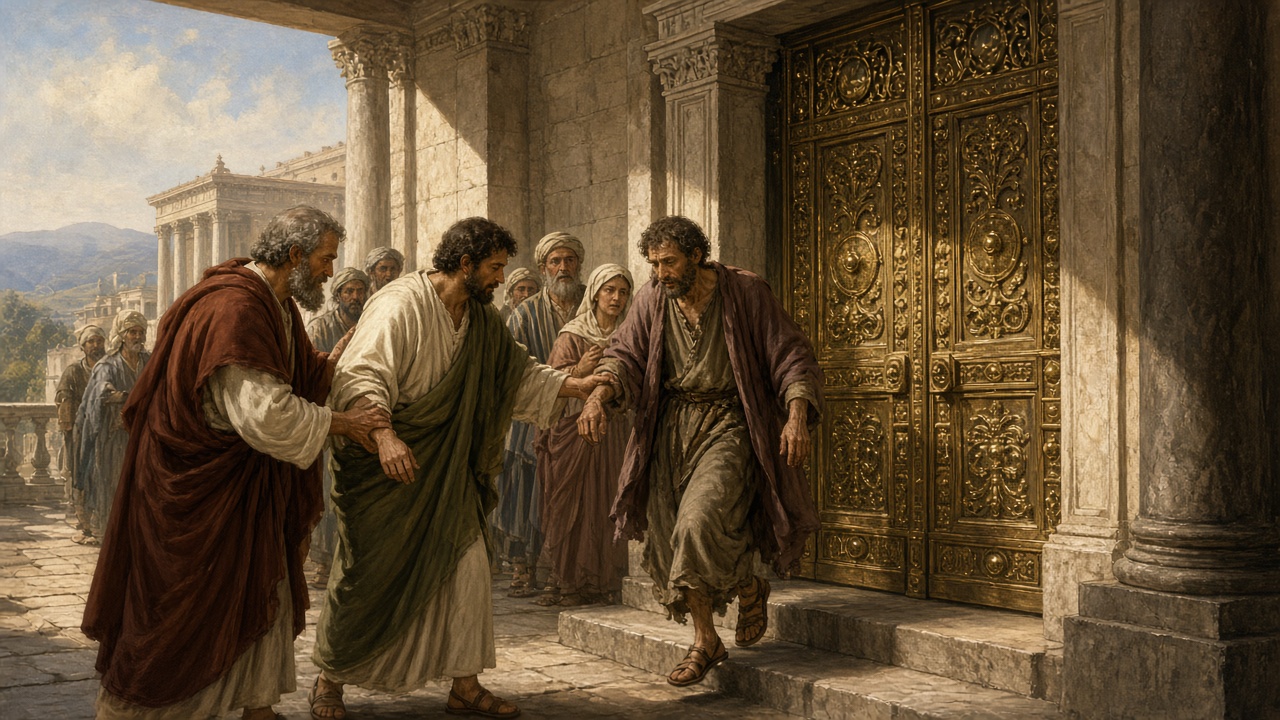
- The temple gate called Beautiful, where a man lame from birth was placed each day to beg, is named in this chapter. It is supposed to have been the door from the court of the Gentiles into the court of the women, and it was massive, covered with plates of Corinthian brass.Sources: Beautiful Gate · the Bible text itself
- After the healing, the astonished crowd ran to Peter and John in the walkway called Solomon’s Colonnade. This was a colonnade, or cloister, probably on the eastern side of the temple; it is not mentioned with the first temple, but Josephus mentions a porch of that name in Herod’s temple.Sources: Solomon's Portico · the Bible text itself
- In his address there, Peter said the people had handed Jesus over and rejected him before Pilate, although Pilate had decided to release him. A dictionary entry identifies Pontius Pilate as the sixth Roman procurator of Judea, from A.D. 26 to 36, with headquarters at Caesarea, though he frequently went up to Jerusalem; his name comes into prominent notice in connection with the trial of Jesus.Sources: Pontius Pilate · the Bible text itself
Notes written with AI assistance from open sources (Theographic Bible Metadata, CC BY-SA 4.0; Easton’s Bible Dictionary, public domain) and reviewed before publishing.
Places in this chapter
- Beautiful Gate · Today: in Jerusalem · 31.777, 35.234 · verses 2, 10
- Nazareth · 32.702, 35.298 · verse 6
- Solomon’s Portico · Today: in Jerusalem · 31.777, 35.234 · verse 11
Only places identified with high confidence are shown (90% or more according to the scholarly sources compiled by OpenBible). Period map: DARE (Digital Atlas of the Roman Empire), CC BY 4.0; modern map: © OpenStreetMap contributors; places: OpenBible.info (CC BY 4.0).
Credits and license for this translation
Ġaġek Mewis
The New Testament in the Central/Mapos dialect of the Buang language of Papua New Guinea
Nupela Testamen long tokples Buang Mapos long Niugini
Copyright © 2003 The Bible Society of Papua New Guinea
Language: Buang, Central/Mapos (Buang)
Dialect: Central/Mapos
Translation by: Wycliffe Bible Translators
This translation is made available to you under the terms of the
Creative Commons Attribution-Noncommercial-No Derivatives license 4.0.
You may share and redistribute this Bible translation or extracts from it in any format, provided that:
You include the above copyright and source information.
You do not sell this work for a profit.
You do not change any of the words or punctuation of the Scriptures.
Pictures included with Scriptures and other documents on this site are licensed just for use with those Scriptures and documents.
For other uses, please contact the respective copyright owners.
2015-01-02
Source: http://png.bible/bzh/ · eBible.org