Mark 14
Tte Pa̱'a̱li̱ Me' Skëköl tö Se' a̱ · Tap a verse to see its cross-references.
Judiowak wökirpa tö Jesús aleritsé klö'wè̱wa̱
1Ká̱ böt ë̀ kianeia̱ Judiowak Yë́pa Yërulune Egipto e' ké̱wö tkö'wo̱ie. Ñies e' ké̱wö ska' ta̱ Pan Kë̀ Yöule Iwölöwo̱ka̱ Wa e' ké̱wö tkö'we̱ke judiowak tö. Sacerdotepa wökirpa ena s'wöbla'u̱k ttè dalöiëno wa wakpa tö Jesús aleritsé ki̱tö'wè̱ iklö'wo̱wa̱ ttèwa̱. 2Ie'pa we̱lepa tö iché:
—Kë̀ sö wamblö̀ Se' Yë́pa Yërulune Egipto e' ké̱wö a̱ a̱s pë' kë̀ shu̱ti̱rka̱. E' kue̱ki̱ ie'pa é̱na iklö'wa̱kwa̱ iki̱tè wa.
Jesús klö̀ ki̱ kiö̀ masmas téka̱ alaköl eköl tö
3Jesús minea̱ Betania, Simón kiri'u̱k lepra bak, e' u a̱. Ie' tkëria̱ mesa ki̱, e' dalewa alaköl debitu̱ eköl e' wa̱ kiö̀ masmas kiè nardo ese chökle tuè̱ darërë, ese debitu̱. Kiö̀ e' ukkuö yöule ák kiè alabastro e' wa. Kiö̀ ukkuö kuli' pé̱wa̱itö ta̱ itéka̱ Jesús wökir ki̱. 4We̱lepa uluneka̱ ie' ki̱ ta̱ iñi a̱ ichérak:
—¿Ì kue̱ki̱ alaköl tö kiö̀ we'ikéwa? 5Ituè̱ darërë döka̱ s'kaneblö̀ duas ek ské ekkë. Iwato̱rmittsa̱ s'sia̱rëpa ki̱moie.
Eta̱ suluë ie'pa tö alaköl e' paké.
6Erë Jesús tö iché:
—Imúa̱t bë̀rë. ¿Ì kue̱ki̱ a' itsiriwe̱ke? Íyi buaë kanewé̱ ie' tö ye' a̱. 7S'sia̱rëpa tso' ke̱kraë a' shu̱a̱, eta̱ e'pa ki̱mèmi a' tö mik a' ki̱ ikiane e' ta̱. Erë ye' kë̀ ku̱' ke̱kraë a' ta̱. 8Ie' tö iwé̱ ye' a̱ ko̱s ie' a̱ io̱r ekkë. Ie' kiö̀ té ye' ki̱ ye' kanéwo̱ie ka̱m ye' nu wötërwa̱ e' yöki̱. 9Moki̱ ye' tö a' a̱ ichè tö ká̱ wa'ñe wé̱ Skëköl ttè buaë pakarke ee̱ ipakardaë ñies tö ie' tö ì buaë o̱' ye' a̱. Es e' kë̀ chöpawa yi é̱na.
Judas tö Jesús wöméttsa̱
10Jesús ttökatapa dabom eyök kí̱ böl, e' eköl dör Judas Iscariote, e' mía̱ sacerdotepa wökirpa ska' ichök tö ye' a̱ Jesús mermittsa̱ a' a̱. 11Mik e' ttsé ie'pa tö, eta̱ ittsë'nerak buaë ta̱ ikablé ie' a̱ inuköl muk. Eta̱ ie' tö ka̱wö yulémi bua'iewa̱ Jesús wömottsa̱.
Jesús bata chkéia̱ ittökatapa ta̱
12Ka̱wö kiè Pan Kë̀ Yöule Iwölöwo̱ka̱ Wa e' ké̱wö tsá̱ diwö dewa̱tke E' diwö wa ie'pa obeja pupula jcheke Judiowak Yë́pa Yërulune Egipto, e' ké̱wö tkö'wo̱ie. Eta̱ Jesús ttökatapa tö ie' a̱ ichaké:
—¿Wé̱ be' ki̱ kiane tö sa' mi' ka̱wö tkö'we̱kesö e' chké kanéu̱k be' a̱?
13Ie' tö iché ie'pa böl a̱:
—A' yú Jerusalén. Mik a' demi ee̱, eta̱ wëm kue̱raë a' tö eköl, e' wa̱ di' dami ska̱u̱ña a̱. E' itöki̱ a' yú. 14Ta̱ u wé̱ a̱ ie' demi e' wák a̱ ichö́: ‘S'wöbla'u̱kwak be' chakök ké: ¿Úshu̱ wé̱ a̱ ie' tö ka̱wö tkö'we̱kesö e' chké ñèmi ie' ttökatapa ta̱?’ 15Ie' tö úshu̱ bërie tso' ká̱kke̱ tso'tke kaneo̱ule buaë, e' kkacheraë a' a̱. Ee̱ ichké kaneú̱ se' a̱.
16Eta̱ ie'pa böl míyal Jerusalén ta̱ íyi ulitane kué̱rakitö we̱s ie' tö iché es. Ee̱ chkè kanewé̱rakitö ka̱wö tkö'wo̱ie.
17Mik ká̱ tuine, eta̱ ie' debitu̱ ittökatapa dabom eyök kí̱ böl, e'pa ta̱. 18Mik ie'pa e̱' tulése̱r chkök, eta̱ ie' tö iché ie'pa a̱:
—Moki̱ ye' tö a' a̱ ichè tö a' eköl tö ye' wömerattsa̱. E' wák tso' ye' ta̱ chkök.
19Eta̱ ie'pa e̱rianeka̱ tai̱ë ta̱ ie'pa tö ie' a̱ ichakémi eköl eköl:
—¿Ye' alè idir?
20Ie' tö iiu̱té:
—E' dör a' dabom eyök ki̱ böl tso' ye' ta̱ pan nuu̱k tka̱' etkë̀ a̱ ñè, e' eköl. 21Ye' dör S'ditsö Alà e' ta̱ itköraë we̱s itso' kitule Skëköl yëkkuö ki̱ es. Erë wëstela i̱na yi ye' wömekettsa̱ e' ta̱. ¡Buaë idir wëm e' a̱ tö kë̀ iku̱núpa!
22Ie'pa tso'ia̱ chkök, e' shu̱a̱ pan klö'wé̱itö, e' ki̱ wëstela chéitö Skëköl a̱ ta̱ iblatéitö watié ie'pa a̱ ta̱ ichéitö:
—Pan se̱ dör ye' chkà, e' ñú a' tö.
23E' ukuöki̱ tka̱' a̱ vino tso', e' klö'wé̱itö, e' ki̱ wëstela chéitö Skëköl a̱ ta̱ ie'pa ulitane tö tka̱' e' wayé. |src="6 LB00320 b.tif" size="col" ref="Mr 14.23" 24Ie' tö iché ie'pa a̱:
—Vino se̱ dör ye' pë́. Ye' tterawa̱ e' pë' tërdaë tai̱ë, e' wa ttè pa̱'a̱li̱ me' Skëköl tö, e' wà de. E' wa pë' tai̱ë tsa̱tkërdaë. 25Moki̱ ye' a' a̱ ichè tö vino kë̀ yepaia̱yö dö̀ mik ì blúie Skëköl tso' e' ké̱wö de eta̱. Mik ide, eta̱ iskà yeraneyö a' ta̱.
Pedro tö icheraë tö ie' kë̀ wa̱ Jesús su̱ule
26Eta̱ ie'pa tö Skëköl ttseittsé, e' ukuöki̱ ta̱ ie'pa míyal Olivo ké̱bata a̱. 27Jesús tö iché ie'pa a̱:
—A' ulitane tköyaldaë. A' ye' mea̱tdaë ekörla. E' dör we̱s itso' kitule Skëköl yëkkuö ki̱ es, e' tö ichè: ‘Obeja kkö'nukwak ttewa̱raëyö, eta̱ obeja pordami wì̱ a̱ dià a̱.’ 28Erë mik ye' ttéwa̱ shke̱neka̱ne, e' ukuöki̱ ta̱ ye' miraë Galilea a' yöki̱ ke̱we.
29Pedro tö ie' a̱ iché:
—Erë́ ie'pa ulitane be' memia̱t ekörla, erë ye' kë̀ tö be' mepaa̱t.
30Ie' iiu̱té:
—Moki̱ ye' tö be' a̱ ichè tö i' nañewe, ka̱m dakro skà a̱rne, e' yöki̱ be' tö icheraë mañatökicha tö be' kë̀ wa̱ ye' su̱ule.
31Erë Pedro tö ikí̱ ché ia̱ kröröë:
—Erë́ ye' ttèwa̱mirakitö be' ta̱, erë kë̀ ye' ichepa tö kë̀ ye' wa̱ be' su̱ule.
Eta̱ ie'pa ulitane ttöke es ë̀me.
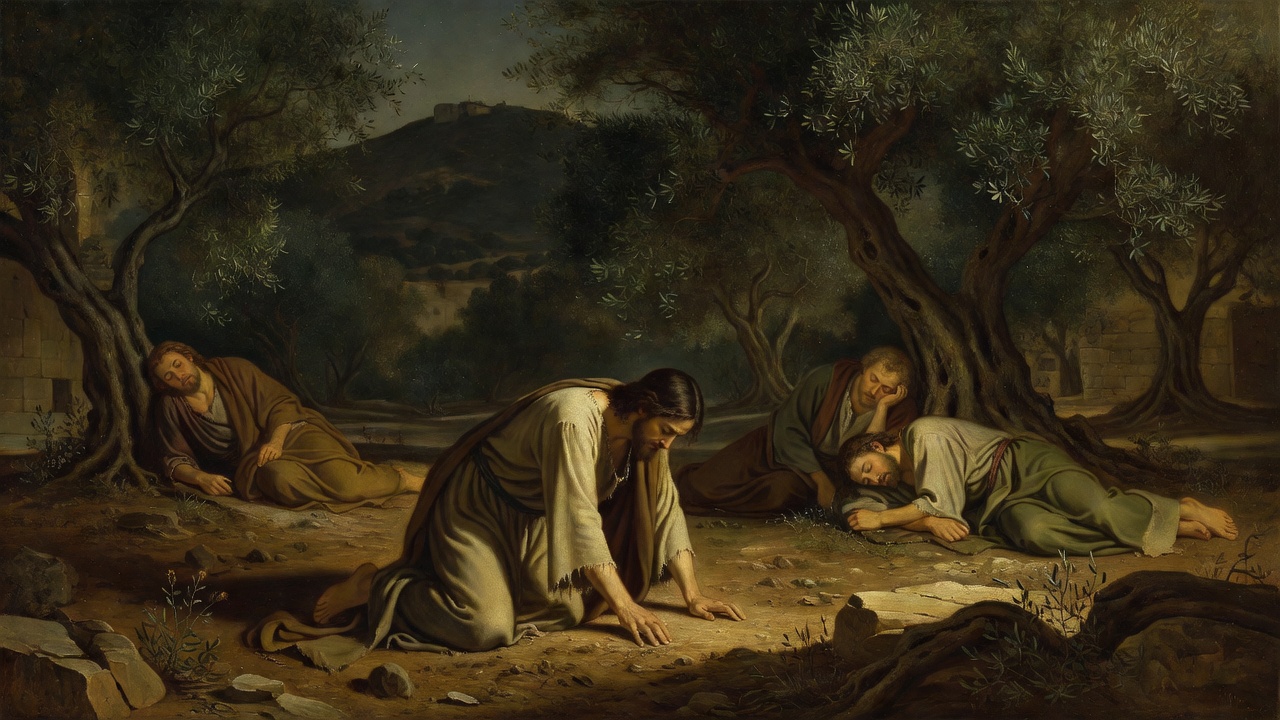
Jesús tté S'yë́ ta̱ Getsemaní
32E' ukuöki̱ ta̱ ie'pa míyal ká̱ kiè Getsemaní ee̱. Jesús tö iché ittökatapa a̱:
—A' a̱te̱ tulur í̱e̱, ye' mía̱ ttök S'yë́ ta̱.
33Pedro, Santiago ena Juan e'pa mítse̱r iwa̱ e̱' ta̱. Eta̱ ie' e̱rianemi chkenewa̱mi tai̱ë. 34Ie' tö iché ie'pa a̱:
—Ye' e̱riane tai̱ë ttsëskua ye' ttèwa̱miitö ekkë. A' e̱' tsú̱a̱t í̱e̱, kë̀ a' kapökwa̱.
35E' ukuöki̱ ie' mía̱ wi̱shke̱ ta̱ ie' e̱' kéu̱tër wöwakköt i̱ski̱ ta̱ ikiéitö Skëköl a̱ tö ì tköraë ie' ta̱, e' diwö tköa̱mi ie' ki̱, e' ta̱ itköú̱u̱. 36Ie' ichè: “A yë́wöla, íyi ulitane o̱rmi be' a̱. Ì tköraë ye' ta̱ e' dör we̱s íyi bacha'bachaë yèwasö es. E' ulà a̱ ye' yö́ttsa̱. Erë kë̀ iwa̱r we̱s ye' ki̱ ikiane es, iú̱ we̱s be' ki̱ ikiane es.”
37E' ukuöki̱ ta̱ ie' dene wé̱ ittökatapa tulur ee̱ ta̱ ie'pa kué̱itö kapö̀tulur. Ie' tö iché Pedro a̱:
—A Simón, ¿be' kapowa̱? ¿Kë̀ be' wa̱ kapèwa̱ wöklöne dö̀ hora ek ë̀? 38Kë̀ a' kapökwa̱. A' ikiö́ Skëköl a̱ a̱s ì sulu tö a' e̱rkiöwe̱ke ese kë̀ e̱' alö̀ka̱ a' ki̱. Moki̱ a' é̱na ì buaë wa̱k, erë a' diché kë̀ dë'ka̱ iwà u̱k, e' kue̱ki̱ a' a̱ darërëë idir.
39Ie' mía̱ne ta̱ tté Skëköl a̱ we̱s ke̱we itté es. 40Mik ie' dene ta̱ ie'pa kué̱neitö kapö̀tulur; ie'pa wöbla surirkewa kapè wa̱ e' kue̱ki̱. Ie'pa kë̀ wa̱ ttè ku̱ne ie' iu̱toie. 41Ie' skà mía̱ne ttök S'yë́ ta̱ e' dene, i' ta̱ idare mañatökicha, eta̱ ie' tö iché ia̱rak:
—¿A' kapö̀tuluria̱ e̱nukeia̱? Wë' a' kapowa̱. Ye' dör S'ditsö Alà, e' diwö deka̱tke mèttsa̱ pë' sulusipa ulà a̱. 42A' e̱' kö́ka̱, yi tö ye' wömekettsa̱, e' dotke i' ta̱. Mishka ie' panuk.
Jesús klö'wé̱wa̱ ibolökpa tö
43Jesús tso'ia̱ ttök, e' dalewa ittökatapa dabom eyök ki̱ böl, e' eköl kiè Judas, e' debitu̱ pë' ta̱ tai̱ë. E' wakpa debitu̱ tabè ki̱ ena kal wölö ki̱. Ie'pa patkë'mi sacerdotepa wökirpa ena s'wöbla'u̱k ttè dalöiëno wa wakpa ena judiowak kue̱blupa ekkëpa tö. 44Judas dör iwöméttsa̱ e' tö ie'pa a̱ iyë'bak: “Wé̱ shke̱'wé̱yö wöalattsè wa, e' dör ie', iklö'ú̱wa̱ a' tö ta̱ itsú̱mi kkö'naule buaë a̱s kë̀ itköshkar.” 45Eta̱ ie' e̱' skéwa̱ Jesús o̱'mik ta̱ iché ia̱:
—¡A S'wöbla'u̱kwak!
Ta̱ iwöalattséwa̱itö. 46Eta̱ Jesús klö'wé̱wa̱ pë' tö.
47Erë ie'pa iëte̱r ee̱, e' eköl tö itabè yéttsa̱ ta̱ e' wa sacerdote kibi e' kanè méso kukuöña téttsa̱. 48Eta̱ Jesús tö ichaké pë' ekkëpa a̱:
—¿Ì kue̱ki̱ a' bite̱ ye' klö'u̱kwa̱ tabè ki̱ kal wölö ki̱ we̱s akblökwakpa klö'wè̱wa̱ es? 49Ke̱kraë ye' bak a' shu̱a̱ s'wöbla'u̱k Skëköl wé a̱, erë a' kë̀ wa̱ ye' klöo̱newa̱. Erë i' tköke a̱s itkö̀ we̱s itso' kitule Skëköl yëkkuö ki̱ es.
50Eta̱ ittökatapa ko̱s tkayalmi tö iméa̱t ekörla. 51Erë duladula eköl dowa̱ ie' itöki̱ e̱' patréwa̱bitu̱ ka̱' ki̱shuo wa, e' klö'wé̱wa̱rakitö, 52erë idatsi' ppéea̱titö wak tkashkarmi sume.
Jesús demi ie'pa wa̱ Judiowak wökir kibipa wörki̱
53Jesús tsé̱mirakitö sacerdote kibi ska'. Eta̱ ee̱ sacerdotepa wökirpa male̱pa ena judiowak kue̱blupa ena s'wöbla'u̱k ttè dalöiëno wa wakpa ko̱s daparke. 54Pedro datse̱ ie'pa itöki̱ ka̱mië döttsa̱ sacerdote kibi u pamik, eta̱ ee̱ ie' e̱' tsé̱a̱t tkër Skëköl wé shkëkipa ta̱ bö' baiklök.
55Eta̱ sacerdotepa wökirpa ena judiowak wökirpa male̱pa tö ttè yuleke Jesús kkatoie a̱s ie'pa tö iwömùttsa̱ ttèwa̱, erë kë̀ ie'pa wa̱ ì ttè ku̱ne ikkatoie. 56Tai̱ë pë' de ie' kkatök ka̱chè wa, erë ie'pa ttè kë̀ dë'ttsa̱ ñittsëë. 57We̱lepa tö ie' kkatémi ka̱chè wa ta̱ ichérakitö:
58—Sa' tö ie' ttsë'wa̱ ichök tö Skëköl wé yö' s'ditsö tö i', e' olo'yerawa̱itö ta̱ iské, kë̀ yöne s'ditsö wa̱, ese yuéraka̱neitö ká̱ mañat shu̱a̱.
59Erë ie'pa ttè kë̀ dë'ttsa̱ ñittsëë.
60Eta̱ sacerdote kibi e̱' kéka̱ iyamipa shu̱a̱, ta̱ Jesús a̱ ichakéitö:
—¿Kë̀ be' ie'pa iu̱teku̱' yës? ¿Ñe' ie'pa be' kkateke, e' dör ì?
61Erë Jesús siwa̱'bléwa̱ ie'pa yöki̱, kë̀ ie' wa̱ ì iu̱tëne.
Sacerdote kibi ie' skà chaké:
—¿Be' dör wé̱ pairine'bitu̱ idi' wa sa' blúie e'? ¿Be' dör Skëköl ki̱kauleka̱ tai̱ë e' Alà?
62Jesús ie' iu̱té:
—Tö́, ye' idir. Ye' dör S'ditsö Alà e' sue̱raë a' tö tkërka̱ Skëköl diché ta̱' íyi ulitane tsa̱ta̱ e' ulà bua'kka dalöiërta̱' tai̱ë. Ñies ye' datskene ka̱shu̱k a̱ mò a̱ e' sue̱raë a' tö.
63Eta̱ sacerdote kibi e̱' datsi' jchée ikkachoie tö iluneka̱ ta̱ ichéitö:
—¿Ìie se' ki̱ ikkatökwakpa ki̱ kiarmiia̱? 64A' ittsé tö ie' e̱' chö̀ tö ie' dör Skëköl Alà, e' wa ie' tso' Skëköl chök suluë. ¿We̱s a' iwe̱ke?
Ie'pa ulitane ñì sini'kué̱ tö ie' ia̱ne iwiie, e' kue̱ki̱ ika̱wöta̱ ttèwa̱.
65Ie'pa we̱lepa wirituémi iki̱ ñies iwöbla pabakéwa̱rakitö ta̱ itérakitö ta̱ ichakérakitö:
—Be' dör Skëköl tteköl, e̱'ma sa' a̱ ichö́ka̱ ¿yi tö be' té?
Eta̱ Skëköl wé shkëkipa tö ippé iwö ki̱ tai̱ë.
Pedro tö iblé tö kë̀ ie' wa̱ Jesús su̱ule
66Pedro tkëria̱ i̱ski̱ u pamik, e' dalewa tayëla debitu̱ e' dör sacerdote kibi e' kanè méso eköl. 67Ie' Pedro sué̱ bö'iklök, ta̱ isué̱itö krereë ta̱ ichéitö ia̱:
—Be' ñies dör Jesús Nazaret wak e' klé eköl.
68Pedro tö iblé. Ie' tö iché:
—Kë̀ ye' wa̱ ie' su̱ule. Ye' kë̀ é̱na ia̱ne tö ì chök be' tso'.
Eta̱ ie' e̱' yéttsa̱ ukkö a̱. E' wösha̱ë dakro a̱ne. 69Kanè méso ñe' tö Pedro sué̱ne ta̱ ie' e̱' kéka̱ ichök imale̱pa a̱:
—Ie' i' dör Jesús klépa e' eköl.
70Erë Pedro tö iskà bléne. E' kuölö ta̱ wé̱pa tso' ee̱ ñies e'pa tö iché ie' a̱:
—Be' dör Galilea wak, e' kue̱ki̱ moki̱ be' dör ie'pa ëltë wak.
71Ie' tö iché:
—¡Skëköl wörki̱ ye' ichè tö wëm chök a' tso' e' kë̀ su̱ule ye' wa̱! Kë̀ idör es, e̱'ma a̱s ye' kichatër.
72E' wösha̱ë ta̱ dakro a̱ne etökichane, ta̱ ie' é̱na ia̱newa̱ tö Jesús tö ie' a̱ iyë': ‘Ka̱m dakro skà a̱rne e' yöki̱ be' icheraë mañatökicha tö be' kë̀ wa̱ ye' su̱ule.’ Eta̱ ie' i̱é̱ka̱ tai̱ë.
Did you know?
Anointing, Betrayal, and Arrest
- The anointing took place in Bethany, a village on the south-eastern slope of the Mount of Olives, about two miles east of Jerusalem on the road to Jericho. There Jesus reclined at table in the house of Simon the Leper while a woman broke open an alabaster jar of pure nard and poured it on his head.Sources: Bethany · Simon · the Bible text itself
- After the meal, Jesus and the Twelve sang a hymn and went out to the Mount of Olives, a ridge east of Jerusalem, separated from the city by the Kidron valley and named for the olive trees covering its slopes. At its foot lay Gethsemane, an olive yard whose name means "oil-press," where Jesus was accustomed to withdraw with his disciples.Sources: Mount of Olives · Gethsemane · the Bible text itself
- Judas, surnamed Iscariot, that is, a man of Kerioth, is always named last among the apostles in the lists of the first three Gospels. After the anointing he went to the chief priests to betray Jesus; they were delighted and promised him money, and he later identified Jesus to the armed crowd by a kiss.Sources: Judas Iscariot · the Bible text itself
Notes written with AI assistance from open sources (Theographic Bible Metadata, CC BY-SA 4.0; Easton’s Bible Dictionary, public domain) and reviewed before publishing.
Places in this chapter
- Jerusalem · 31.777, 35.234 · verse 13
- Mount of Olives · 31.778, 35.246 · verse 26
- Galilee · 32.760, 35.527 · verse 28
- Gethsemane · 31.779, 35.239 · verse 32
- Nazareth · 32.702, 35.298 · verse 67
Only places identified with high confidence are shown (90% or more according to the scholarly sources compiled by OpenBible). Period map: DARE (Digital Atlas of the Roman Empire), CC BY 4.0; modern map: © OpenStreetMap contributors; places: OpenBible.info (CC BY 4.0).
Credits and license for this translation
Tte Pa̱'a̱li̱ Me' Skëköl tö Se' a̱
New Testament and Shorter Old Testament in Bribri (CS:bzd:Bribri)
copyright © 2010 Wycliffe Bible Translators, Inc.
Language: Bribri
Translation by: Wycliffe Bible Translators, Inc.
Bribri
bzd
Costa Rica
Copyright Information
© 2010, Wycliffe Bible Translators, Inc. All rights reserved.
This translation text is made available to you under the
terms of the Creative Commons License: Attribution-Noncommercial-No Derivative Works.
( http://creativecommons.org/licenses/by-nc-nd/3.0/ )
In addition, you have permission to port the text to different file formats, as long as you
do not change any of the text or punctuation of the Bible.
You may share, copy, distribute, transmit, and extract portions
or quotations from this work, provided that you include the above copyright
information:
You must give Attribution to the work.
You do not sell this work for a profit.
You do not make any derivative works that change any of the actual words or punctuation of the Scriptures.
Permissions beyond the scope of this license may be
available if you contact
us with your request.
The New Testament and Shorter Old Testament
in Bribri
© 2010, Wycliffe Bible Translators, Inc. All rights reserved.
This translation is made available to you under the terms of the
Creative Commons Attribution-Noncommercial-No Derivatives license 4.0.
You may share and redistribute this Bible translation or extracts from it in any format, provided that:
You include the above copyright and source information.
You do not sell this work for a profit.
You do not change any of the words or punctuation of the Scriptures.
Pictures included with Scriptures and other documents on this site are licensed just for use with those Scriptures and documents.
For other uses, please contact the respective copyright owners.
2014-04-22
Source: http://ebible.org/bzdNTpo/ · eBible.org