Mark 12
Tte Pa̱'a̱li̱ Me' Skëköl tö Se' a̱ · Tap a verse to see its cross-references.
Uva kanéu̱kwakpa sulusipa e' tté
1Jesús tö ttè kleé ie'pa a̱ i' es: “Wëm eköl tö uva kuatké tai̱ë ta̱ ikköiéwa̱itö buaë, ka̱uk biéitö uva diö̀ tuoie. Ñies úla yuéitö ka̱kke̱ë uva kkö'noie. E' ukuöki̱ ta̱ ie' tö ipeitéa̱t wëpa we̱lepa a̱ a̱s ie'pa tö ipataù̱ ie' a̱ iwörke e' kak wa. E' ukuöki̱ ta̱ ie' mía̱ ká̱ bánet. 2Mik uva wöline tso'tke wë'ià̱ë shtè, eta̱ ie' tö ikanè méso patkémi eköl ie' icha tsu̱k. 3Erë ie'pa tö ikanè méso klö'wé̱wa̱ ppé tai̱ë patkémine ulà wöchka. 4Eta̱ kanè wák tö ikanè méso skà patkémine eköl, erë e' shka̱'wé̱ ie'pa tö iwökir ki̱ ta̱ iché suluë. 5E' ukuöki̱ ta̱ eköl skà patkémine ie' tö ta̱ e' ttéwa̱ ie'pa tö. E' ukuöki̱ ikanè mésopa skà patkémiitö tai̱ë, erë ie'pa tö we̱lepa ppélor we̱lepa ttélur.
6“Bata ekkë ta̱ ia̱te̱ia̱ eköl ë̀. E' dör iwák alà, e' dalër tai̱ë ie' é̱na. E' patkémiitö ta̱ ie' ibikeitsè: ‘Ye' alà idir, e' kue̱ki̱ ie'pa tö idalöieraë.’ 7Erë ie'pa tö iché ñì a̱: ‘Ká̱ i' a̱tdaë ie' wì̱ ulà a̱. Ittöwa̱sö, es ká̱ i' döraë se' ulà a̱.’ 8E' kue̱ki̱ ie'pa tö iklö'wé̱wa̱ ttéwa̱ ta̱ inú kéu̱mi ie'pa tö uva ké̱ a̱ bánet.”
9Eta̱ Jesús tö ie'pa a̱ chaké:
—¿I̱ma a' ibikeitsè? ¿Ì we̱raë kanè wák tö? Ie' mira kanéu̱kwakpa ttökulur ta̱ uva kané meraneitö pë' kua̱'ki̱ a̱.
10Ye' tté tso' kitule Skëköl yëkkuö ki̱, ¿e' kë̀ su̱ne a' wa̱? E' tö ichè:
‘Ák watéttsa̱ u yuökwakpa tö
e' yönene ák bua'buaie.
11E' kaneo̱' Skëköl tö,
ta̱ e' tö s'ttsë'we̱ke buaë, s'tkinewa̱ iweblök.’
Es Skëköl yëkkuö tö ichè. |src="5 LB00103 b.tif" size="col" ref="Mr 12.11"
12Ie'pa tö isué̱wa̱ tö kleè e' wa Jesús tö ie'pa ché, e' kue̱ki̱ ie'pa é̱na iklö'wa̱kwa̱. Erë ie'pa suane pë' yöki̱, e' kue̱ki̱ ie'pa tö iméa̱t ta̱ iponemi.
S'wökirpa patau̱k, e' tté
13E' ukuöki̱ ta̱ ie'pa tö fariseowakpa we̱lepa ena Herodes klépa we̱lepa patkémi Jesús ska'. Ie'pa ki̱ ikiane tö ie' tö ilè chè ikkatoie. 14Ie'pa demi ie' ska' ta̱ ichérakitö ia̱:
—A s'wöbla'u̱kwak, sa' wa̱ ijche̱r tö ke̱kraë be' ttö̀ moki̱. Be' tö sulitane sue̱ke ñikkëë. I̱ma pë' tö be' cheke e' kë̀ ki̱ be' tkine. E' kue̱ki̱ be' tö s'wöbla'we̱ke yësyësë Skëköl ñalé̱ tté wa. Ichö́ sa' a̱, Roma wökir kibi patuè̱sö ¿e' dör buaë ö kë̀ idör buaë?
15Erë ie' tö isué̱wa̱ tö ie'pa e̱' öke e̱r sulu wa, e' kue̱ki̱ ie' tö iché ia̱rak:
—¿Ì kue̱ki̱ a' tso' ye' ma'u̱k tsa̱iè? Inuköl wöshki tsú̱bitu̱ ña et suè̱.
16Eta̱ ie'pa tö inuköl wöshki tsé̱mi ie' a̱ et ta̱ ie' tö ichaké ie'pa a̱:
—¿Yi diököl ena yi kiè me'rka̱ iki̱?
Ie'pa tö iiu̱té:
—Roma wökir kibi.
17Eta̱ ie' tö iché ie'pa a̱:
—E̱'ma ko̱s Roma wökir kibi icha, ese mú ie' a̱, ta̱ ko̱s Skëköl icha ese mú ie' a̱.
Ie' tö ie'pa iu̱té es, e' tö ie'pa tkiwé̱wa̱.
¿S'duolur e' shke̱rmika̱ne ö au?
18Eta̱ saduceowakpa we̱lepa de Jesús ska'. E' wakpa tö iklö'wé̱ tö s'duowa̱ e' kë̀ shke̱nukka̱ne. Ie'pa tö ie' a̱ ichaké:
19—A s'wöbla'u̱kwak, Moisés tö ttè dalöiëno kita̱t yëkkuö ki̱ e' tö ichè i' es: Wëm blënewa̱ kë̀ alà a̱te̱, e' ta̱ ie' ël ka̱wöta̱ ischö́ tsu̱kwa̱ a̱s ilà kö̀ka̱ iël blënewa̱, e' a̱. 20Etökicha wëpa bak döka̱ kul ñì ëlpa, ikibi alaköl tsé̱wa̱, erë iblënewa̱ kë̀ alà a̱te̱. 21Ie' itöki̱ iël tö ischö́ tsé̱wa̱, erë e' ñies blënewa̱ kë̀ alà a̱te̱. E' sù̱ iwamblëne iël ta̱ 22ena imale̱pa ta̱. Ie'pa kul blërulune kë̀ alà a̱te̱ alaköl e' ta̱. Bata ekkë ta̱ ñies alaköl e' blënewa̱. 23Wëpa kul e' bak alaköl eköl ë̀ ta̱. Mik s'duowa̱ e' shke̱neka̱ne, eta̱ ¿wé̱ne dö̀mi ie' wëm chö́kie?
24Ie' tö ie'pa iu̱té:
—A' kë̀ wa̱ Skëköl yëkkuö su̱ule, ñies ie' diché kë̀ jche̱r a' wa̱, e' kue̱ki̱ a' wöa̱ ká̱ chowa. 25Mik s'duolur e' shke̱neka̱ne, eta̱ wëpa ena alakölpa kë̀ se̱rpawa̱ia̱ ñita̱. E'pa míyal we̱s Skëköl biyöchökwakpa tso' ká̱ jaì a̱ kë̀ se̱rta̱'wa̱ ñita̱ es. 26¿A' ki̱ kiane jche̱no tö moki̱ s'duowa̱ e'pa shke̱rdaka̱ne? Skëköl ut Moisés ta̱ kal tsir wöñarke bö'ie, e' shu̱a̱, ¿e' pakè kë̀ a̱ritsule a' wa̱ Moisés yëkkuö ki̱? E' ké̱wö ska' ta̱ Skëköl tö iyë': ‘Ye' dör Abraham, Isaac ena Jacob, e'pa Këköl.’ 27E' wà kiane chè tö ie' kë̀ dör s'duowa̱, e'pa Këköl. ¡Ie' dör s'ttsë'ka, e'pa Këköl! Tai̱ë a' wöa̱ ká̱ chowa.
¿Skëköl ttè dalöiëno e' isie dör ibua'ie?
28Eta̱ s'wöbla'u̱kwak ttè dalöiëno wa dur eköl ie'pa tso' ñì iu̱tök e' ttsök. Ie' tö ittsé tö Jesús tö ie'pa iu̱té buaë, e' kue̱ki̱ ie' ichaké ia̱:
—Skëköl ttè dalöiëno, ¿e' wé̱ne dör ibua'ie imale̱pa tsa̱ta̱?
29Ie' iiu̱té:
—Skëköl ttè dalöiëno kibiie imalè̱ tsa̱ta̱ e' dör i': ‘A Israel aleripa, a' tö ittsö́. Këkë dör se' Këköl, e' ë̀ dör Skëköl. 30E' dalëritsö́ a' e̱r ko̱s wa ena a' wák ko̱s wa ena a' e̱rbikè ko̱s wa ena a' diché ko̱s wa.’ 31E' itöki̱ e' dör i': ‘A' male̱pa dalëritsö́ we̱s a' wákpa e̱' dalër es.’ Kë̀ ttè ta̱' dalöiëno tkö̀ka̱ ttè böt e' tsa̱ta̱.
32Eta̱ s'wöbla'u̱kwak ttè dalöiëno wa, e' tö iché ia̱:
—A s'wöbla'u̱k, be' iu̱té buaë. Ì ché be' tö e' dör moki̱. Skëköl dör eköl ë̀me. Kë̀ e' skà ta̱. 33Ñies s'ka̱wöta̱ ie' dalëritsök se' e̱r ko̱s wa ena se' ka̱bikeitsö̀ ko̱s wa, ena se' diché ko̱s wa, ñies s'ka̱wöta̱ s'male̱pa dalëritsök we̱s se' wák e̱' dalër es. E' wé̱sö, e' ta̱ e' dör buaë se' a̱ tkö̀ka̱ iyiwak jchëule ña'wè̱ wa'ñe ena iyiwak jchëule skà mèsö Skëköl a̱ e' ko̱s tsa̱ta̱.
34Mik ie' isué̱ tö s'wöbla'u̱kwak ttè dalöiëno wa, e' tö ie' iu̱té buaë yësyësë, eta̱ ie' tö iché ia̱:
—Ì blúie Skëköl tso' e' o̱'mik tsi̱net be' tso'.
Eta̱ kë̀ yi kësik dë'ka̱ia̱ ie' a̱ ì skà chakök.
¿Wé̱ pairine'bitu̱ idi' wa s'blúie e' dör yi aleri?
35Jesús tso' ie'pa wöbla'u̱k Skëköl wé a̱ ta̱ ie'pa a̱ ichakéitö:
—¿We̱s s'wöbla'u̱k ttè dalöiëno wa wakpa tö ichèmi tö wé̱ pairine'bitu̱ idi' wa s'blúie, e' dör s'blú bak kiè David e' aleri? 36Erë David wák tö iyë' Wiköl Batse'r wa i' es:
‘Skëköl tö ichè ye' Këköl a̱:
Be' e̱' tkö́se̱r ye' ulà bua'kka dalöiëno tai̱ë,
dö̀ mik ye' tö be' bolökpa mérö be' klö̀ diki̱a̱ eta̱.’
37Wé̱ pairine'bitu̱ idi' wa s'blúie e' dör David aleri, e' ta̱ ¿we̱s e' kièmi David tö ie' Këköl?
Eta̱ pë' tso' tai̱ë, e'pa tö Jesús ttö̀ ttseke e̱r bua' wa.
Jesús tö s'wöbla'u̱k ttè dalöiëno wa wakpa kkaté
38Jesús tö s'wöbla'we̱ke e' shu̱a̱ ie' tö iché: “A' e̱' kkö'nú s'wöbla'u̱k ttè dalöiëno wa wakpa yöki̱. Ie'pa wöbatsö shkök datsi' batsì̱ë ese mik wé̱ pë' tso' tai̱ë ese ska' a̱s pë' tö ie'pa shke̱'ù̱ we̱s këkëpa dalöiërta̱' tai̱ë es. 39Ñies se' ñì dapa'wo̱ wé a̱ ena wé̱ ie'pa ka̱wö tkö'we̱kerakitö, ese ska' kula' tso' këkëpa dalöiërta̱' esepa a̱, ese yuleke ie'pa tö e̱' tkoie. 40Ie'pa tö alakölpa schö́ u yeta̱'ttsa̱ iulà a̱, eta̱ ittökerak S'yë́ ta̱ braraë sulitane wöwa idiki̱ñoie tö ie'pa dör pë' buaë yësyësë. Ie'pa weirdaë sia̱rë s'male̱pa tsa̱ta̱.”
Alaköl sia̱rë tö inuköl mé Skëköl a̱
41Etökicha ta̱ Jesús tkër kalkuö tso' inuköl ioie mè Skëköl a̱ e' wösha̱ pë' tso' inuköl iök kalkuö a̱ e' sa̱u̱k. Inuköl blúpa tso' tai̱ë esepa tö inuköl ieke tai̱ë. 42E' wösha̱ë ta̱ alaköl sia̱rë dör schö́ debitu̱ eköl, e' tö inuköl wöshkila yöule cobre wa tuè̱ tottola ese iéwa̱ böt kalkuö ek a̱. 43Jesús tö ittökatapa kié ta̱ ichéitö ia̱:
—Moki̱ ye' tö a' a̱ ichè tö alaköl sia̱rëla dör schö́ wí̱ tö inuköl iéwa̱ kibiie imale̱pa tö iié ko̱s e' tsa̱ta̱. 44Ie'pa ulitane tö inuköl kuö̀ a̱te̱ ese ié, erë ie' sia̱rë, e' tö ie' wa̱ itso' se̱noie e' ko̱s méttsa̱. E' kue̱ki̱ ye' tö ie' ché es.
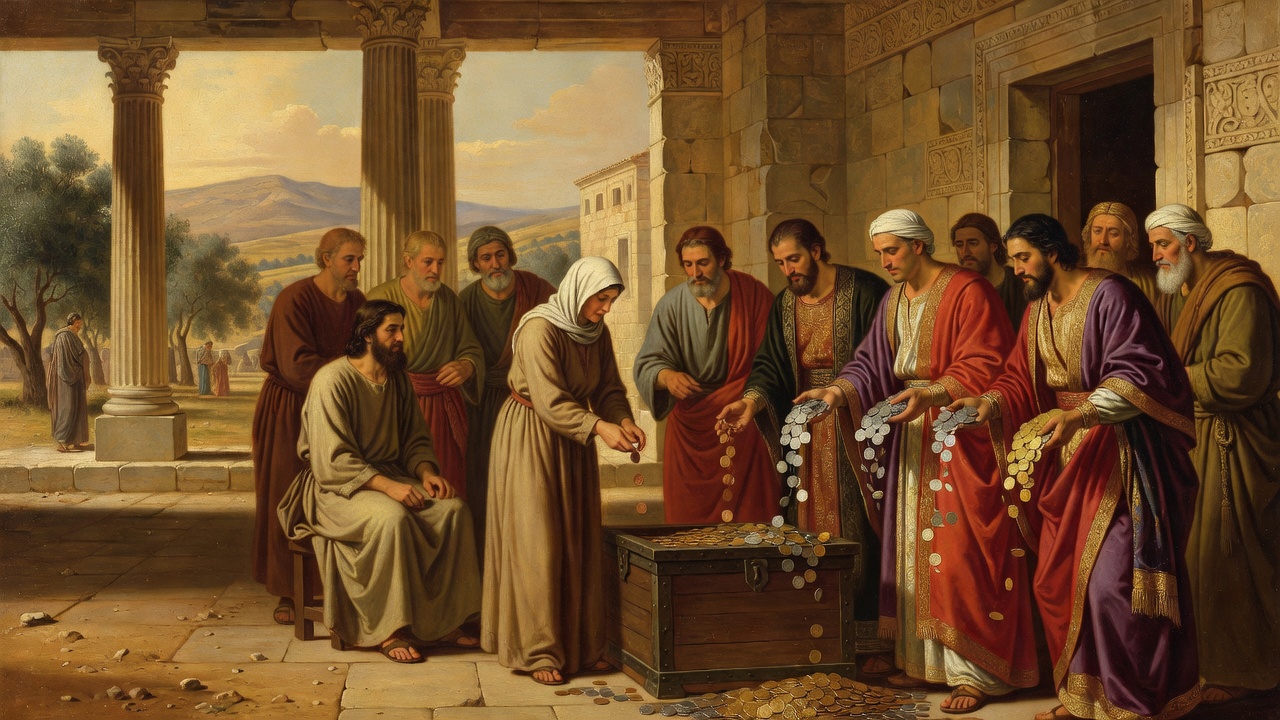
Did you know?
Debates in the Temple
- The Sadducees, who say there is no resurrection, question Jesus about seven brothers and one widow, appealing to what Moses wrote. He points them to the burning bush in the Book of Moses, where God says, “I am the God of Abraham, the God of Isaac, and the God of Jacob.” Abraham, “father of a multitude,” was Terah’s son; Isaac was Abraham’s only son by Sarah; and Jacob was the second-born of the twin sons of Isaac and Rebekah.Sources: the Bible text itself · Abraham · Isaac · Jacob (Israel)
- Asked which commandment is the most important, Jesus begins, “Hear, O Israel, the Lord our God, the Lord is One,” and adds, “Love your neighbor as yourself.” Israel is another name for Jacob, the second-born twin son of Isaac and Rebekah; Jacob’s name is explained as one who follows on another’s heels, or supplanter.Sources: the Bible text itself · Jacob (Israel)
- Teaching in the temple courts, Jesus asks how the scribes can say that the Christ is the Son of David if David himself calls him “Lord.” David, whose name means “Beloved,” was the eighth and youngest son of Jesse, a citizen of Bethlehem, and his early occupation was tending his father’s sheep on the uplands of Judah.Sources: the Bible text itself · David
Notes written with AI assistance from open sources (Theographic Bible Metadata, CC BY-SA 4.0; Easton’s Bible Dictionary, public domain) and reviewed before publishing.
Credits and license for this translation
Tte Pa̱'a̱li̱ Me' Skëköl tö Se' a̱
New Testament and Shorter Old Testament in Bribri (CS:bzd:Bribri)
copyright © 2010 Wycliffe Bible Translators, Inc.
Language: Bribri
Translation by: Wycliffe Bible Translators, Inc.
Bribri
bzd
Costa Rica
Copyright Information
© 2010, Wycliffe Bible Translators, Inc. All rights reserved.
This translation text is made available to you under the
terms of the Creative Commons License: Attribution-Noncommercial-No Derivative Works.
( http://creativecommons.org/licenses/by-nc-nd/3.0/ )
In addition, you have permission to port the text to different file formats, as long as you
do not change any of the text or punctuation of the Bible.
You may share, copy, distribute, transmit, and extract portions
or quotations from this work, provided that you include the above copyright
information:
You must give Attribution to the work.
You do not sell this work for a profit.
You do not make any derivative works that change any of the actual words or punctuation of the Scriptures.
Permissions beyond the scope of this license may be
available if you contact
us with your request.
The New Testament and Shorter Old Testament
in Bribri
© 2010, Wycliffe Bible Translators, Inc. All rights reserved.
This translation is made available to you under the terms of the
Creative Commons Attribution-Noncommercial-No Derivatives license 4.0.
You may share and redistribute this Bible translation or extracts from it in any format, provided that:
You include the above copyright and source information.
You do not sell this work for a profit.
You do not change any of the words or punctuation of the Scriptures.
Pictures included with Scriptures and other documents on this site are licensed just for use with those Scriptures and documents.
For other uses, please contact the respective copyright owners.
2014-04-22
Source: http://ebible.org/bzdNTpo/ · eBible.org